
In the modern marketplace, complexity is often mistaken for sophistication. Brands frequently believe that the more features they offer, the more technical their language, or the more multifaceted their identity, the more value they provide. However, in an era of information overload and “decision fatigue,” the most successful brands have discovered a more potent competitive advantage: being easy.
But what does “being easy” mean in the context of brand strategy? It is not about being “cheap,” “simplistic,” or “low-quality.” Instead, being easy is the art of reducing friction. It is a strategic commitment to lowering the cognitive, emotional, and physical barriers between a consumer’s need and a brand’s solution. From the way a logo is processed by the brain to the seamlessness of a checkout process, “easy” is the ultimate hallmark of a customer-centric brand.

The Psychology of Cognitive Ease in Brand Strategy
At the heart of every successful brand interaction is a psychological phenomenon known as cognitive ease. This is the mental state where the brain processes information without strain. When a brand is “easy,” it taps into the brain’s preference for “System 1” thinking—the fast, intuitive, and emotional processing center described by psychologist Daniel Kahneman.
Reducing the Mental Load
Every time a customer interacts with a brand, they are performing a series of mental calculations. If a brand’s value proposition is buried under jargon or if its website navigation is counterintuitive, the brain shifts into “System 2” thinking—a slow, effortful, and taxing mode. Brands that are “easy” prioritize the reduction of this mental load. They use clear hierarchies, intuitive icons, and straightforward language to ensure that the customer never has to stop and wonder, “What do I do next?” In branding, clarity is the highest form of empathy.
The Mere Exposure Effect and Familiarity
A significant part of “being easy” is being familiar. The “Mere Exposure Effect” suggests that people develop a preference for things merely because they are familiar with them. Strategic branding leverages this by maintaining radical consistency. When a brand uses the same color palette, tone of voice, and visual language across every touchpoint, it becomes “easy” for the brain to identify and categorize. This familiarity breeds a sense of safety and predictability, which are the foundational elements of brand trust.
Fluency as a Proxy for Trust
Research in consumer psychology shows that people tend to believe statements that are easier to read or hear. This is known as “processing fluency.” If your brand’s messaging is easy to digest, consumers are statistically more likely to perceive your brand as honest and reliable. Conversely, a complex or convoluted brand identity creates “cognitive strain,” which the brain often misinterprets as a signal of risk or deception. Therefore, being easy isn’t just about convenience; it is a critical driver of brand credibility.
Building a Frictionless Customer Journey
The customer journey is the sum of all interactions a person has with a brand. To be “easy” in this context means identifying and ruthlessly eliminating every point of friction—those small moments of frustration that cause a potential customer to abandon their journey.
Simplifying the Decision-Making Process
We live in an age of the “Paradox of Choice.” When presented with too many options, consumers often become paralyzed and choose nothing at all. An “easy” brand acts as a curator rather than just a vendor. By narrowing choices, offering clear “best-seller” recommendations, and providing comparison tools that actually highlight differences, a brand helps the customer move from “I’m looking” to “I’m buying” with minimal stress.
Streamlining Digital Touchpoints
In a digital-first world, being easy is often synonymous with UI/UX (User Interface and User Experience) excellence. A brand that is “easy” to interact with online has a website that loads in under two seconds, a search function that actually finds what the user is looking for, and a mobile experience that doesn’t require pinching and zooming. Frictionless branding means that the technology disappears, leaving only the experience. If a customer has to create an account before they can even see a price, or if the “Contact Us” button is hidden in a footer, the brand has failed the “ease” test.

Post-Purchase Ease: The Retention Secret
The “ease” of a brand is truly tested after the transaction is complete. Many brands focus all their energy on making the sale easy, only to make the support, returns, or onboarding processes difficult. A truly easy brand ensures that the “unboxing” experience is intuitive, the instructions are visual and clear, and the return policy is a “no-questions-asked” affair. By being easy to leave or easy to get help from, a brand ironically makes it much more likely that the customer will stay.
Visual and Verbal Simplicity: The “Easy” Aesthetic
A brand’s identity is the face it presents to the world. To be “easy,” this identity must be instantly recognizable and effortlessly understood. This requires a commitment to minimalism and precision in both design and communication.
Minimalist Design and Brand Recognition
Consider the world’s most powerful brands: Apple, Nike, Google. Their visual identities are strikingly simple. A “swoosh” or a bitten apple is easy for the eye to track and the brain to store. This isn’t just a design trend; it’s a strategic choice. Complex logos with intricate details are harder to reproduce and harder for the consumer to recall. An “easy” visual identity is one that can be sketched from memory by a child. This simplicity ensures that the brand remains “top of mind” because it takes up very little “storage space” in the consumer’s memory.
Direct Messaging: Why Complexity Kills Conversion
In branding, if you say three things, you say nothing. “Being easy” means having a singular, focused message. Brands often fall into the trap of trying to communicate their history, their features, their mission, and their technical specs all at once. This creates a “wall of noise.” An easy brand distills its essence into a “Big Idea.” Whether it’s FedEx’s “When it absolutely, positively has to be there overnight” or Disney’s “The happiest place on earth,” these brands are easy to understand because they own a single, clear emotional or functional space in the consumer’s mind.
Operational Ease: Being Easy to Do Business With (ETDBW)
The final pillar of being an easy brand is operational. This is often referred to in corporate strategy as “Ease of Doing Business” (EODB). It is the measure of how much effort a customer must exert to get what they want from you.
Customer Support as a Brand Pillar
Traditional branding often views customer service as a cost center. However, frictionless brands view it as a primary marketing tool. Being “easy” means offering omnichannel support—letting the customer reach you via DM, live chat, phone, or email—and ensuring the transition between these channels is seamless. It means empowering front-line employees to solve problems without escalating them through five layers of management. When a brand is “easy” to talk to, it transforms a potential negative (a product issue) into a positive brand reinforcement (great service).
Policies that Empower the User
Operational ease is also reflected in a brand’s policies. Are your terms and conditions written in “legalese,” or are they written for humans? Is your subscription easy to cancel with one click, or do you require a phone call during business hours? Brands like Netflix and Amazon have built empires by making it incredibly easy to start, stop, and manage services. While “hard-to-cancel” policies might retain a few customers in the short term, they destroy the brand’s reputation in the long term. Being “easy” is a long-term play for brand equity and customer lifetime value.
Conclusion: Ease as the Ultimate Competitive Advantage
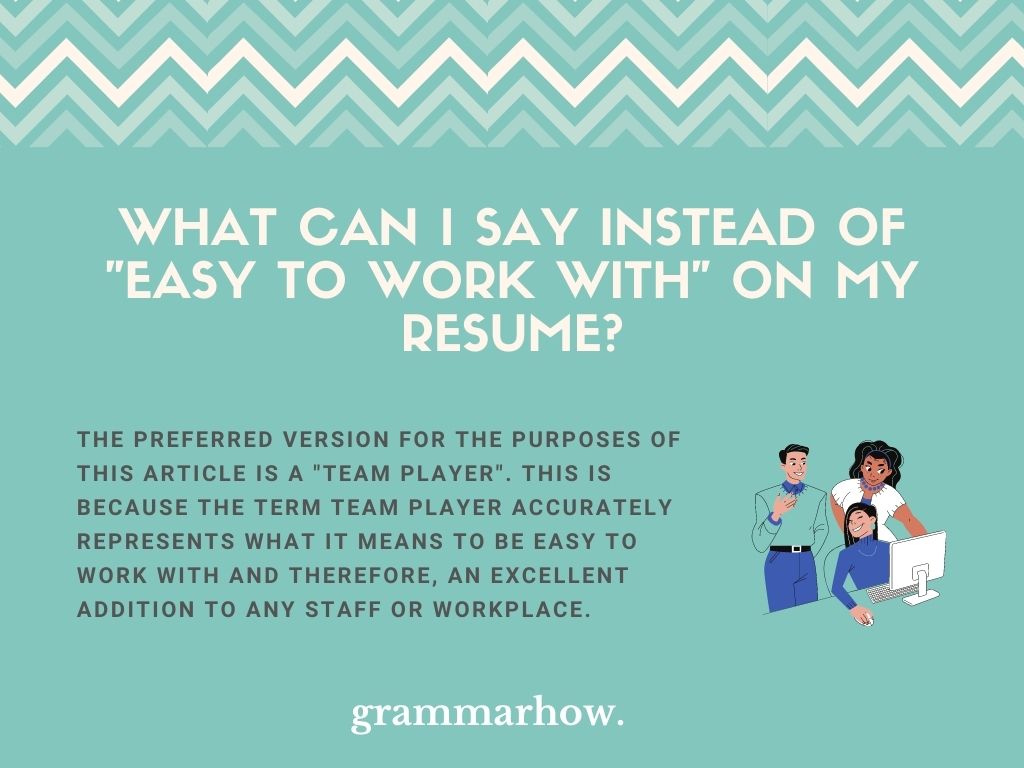
What does being easy mean? It means respecting the customer’s time, energy, and intelligence. It means doing the hard work of simplification so the customer doesn’t have to. In a world that is increasingly complex and chaotic, “easy” is a luxury.
A brand that is easy to find, easy to understand, easy to buy, and easy to live with will always outperform a “superior” product that is difficult to navigate. By focusing on cognitive ease, frictionless journeys, visual simplicity, and operational accessibility, companies can transform “easy” from a simple adjective into a powerful brand strategy. In the end, the brands that win are not necessarily the ones with the most features, but the ones that make life the most effortless for their customers.
aViewFromTheCave is a participant in the Amazon Services LLC Associates Program, an affiliate advertising program designed to provide a means for sites to earn advertising fees by advertising and linking to Amazon.com. Amazon, the Amazon logo, AmazonSupply, and the AmazonSupply logo are trademarks of Amazon.com, Inc. or its affiliates. As an Amazon Associate we earn affiliate commissions from qualifying purchases.