
In the world of high-performance gadgets, portable electronics, and uninterruptible power supplies (UPS), the health of a battery is paramount. While we often rely on software indicators and battery percentage icons to monitor our tech, our physical senses—specifically our sense of smell—can provide critical, immediate feedback regarding hardware failure. Identifying the scent of battery acid, or the chemical off-gassing associated with failing cells, is a vital skill for tech enthusiasts, IT professionals, and general users alike. Recognizing these odors early can mean the difference between a simple component replacement and a catastrophic hardware fire or chemical exposure.
Understanding the Chemistry: Why Batteries Produce Odors
To understand why a battery smells, one must first understand the chemical reactions occurring within these power cells. Batteries are essentially contained chemical reactors. In the tech sector, we primarily deal with two types of battery chemistry: Lead-Acid (found in UPS systems and automotive tech) and Lithium-Ion (found in smartphones, laptops, and EVs).
Lead-Acid vs. Lithium-Ion: Different Compositions, Different Scents
Lead-acid batteries, specifically the Valve Regulated Lead Acid (VRLA) or Absorbed Glass Mat (AGM) types used in server rooms and home offices, rely on a mixture of water and sulfuric acid. When these batteries function correctly, they are sealed. however, during overcharging or internal short-circuiting, the water in the electrolyte solution can undergo electrolysis, breaking down into hydrogen and oxygen gases.
Lithium-ion batteries, conversely, use a pressurized liquid electrolyte consisting of lithium salts (like LiPF6) dissolved in organic solvents. Because these solvents are volatile organic compounds (VOCs), they produce a distinctively different odor profile when the battery casing is compromised or when the cell enters a state of thermal runaway.
The Role of Sulfuric Acid in Traditional Power Cells
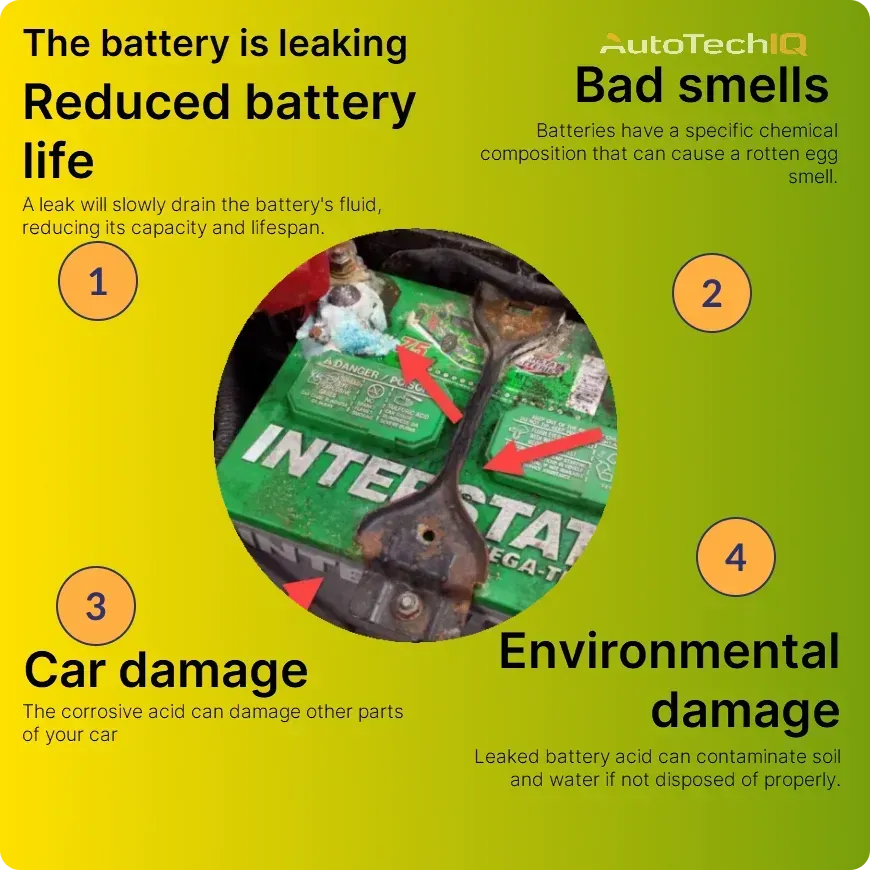
In lead-acid technology, sulfuric acid is the catalyst for the flow of electrons. Under normal circumstances, you should smell nothing. However, if the battery is subjected to excessive heat or a faulty charging circuit, the sulfuric acid begins to react with the lead plates in unintended ways. This chemical stress produces byproduct gases. The most notorious of these is hydrogen sulfide, which carries a pungent, unmistakable aroma.
The Sensory Profile: Identifying the Smell
When a battery fails, the “smell” isn’t just one single scent; it varies based on the type of technology and the nature of the failure. Distinguishing between these scents allows a technician or user to diagnose the severity of the issue.
The Rotten Egg Aroma: Hydrogen Sulfide
The most common description of a failing lead-acid battery is the smell of rotten eggs or sewer gas. This is caused by the release of hydrogen sulfide (H2S). This occurs when a battery is overcharged to the point that the electrolyte boils, or when internal plates have degraded so significantly that they create a high-resistance path.
In a tech environment—such as a data closet or a home office with a backup power supply—this smell is a critical warning sign. Hydrogen sulfide is not only unpleasant; it is corrosive to electronic circuitry and toxic to humans in high concentrations. If you detect a sulfur-like odor near your server racks or desktop UPS, the battery is likely “cooking” and requires immediate isolation.
Metallic and Ozone Scent Profiles
Sometimes, hardware failure presents as a sharp, “electrical” smell, often described as metallic or similar to the scent of ozone after a lightning storm. While not strictly “battery acid,” this scent often precedes a leak. It is frequently caused by the ionization of air around a high-voltage short or the initial melting of the plastic separators within a battery cell. If your laptop or tablet emits a sharp, tangy, or “spark-like” smell, the battery is likely experiencing an internal micro-short.
Sweet vs. Acidic: When Lithium-Ion Goes Wrong
Lithium-ion batteries—the backbone of modern mobile tech—do not contain sulfuric acid, so they rarely smell like rotten eggs. Instead, when a lithium-ion battery is punctured or begins to vent, it often produces a surprisingly sweet, fruity, or solvent-like odor. This is due to the organic solvents (such as diethyl carbonate or ethylene carbonate) used in the electrolyte.
Users often describe this as a “sweet chemical smell” or even something resembling bubblegum or nail polish remover. While the scent may be less offensive than sulfur, it is arguably more dangerous. This sweet smell indicates that the battery’s pressurized seal has been breached, and the cell is at high risk of catching fire or exploding.
Technical Troubleshooting: When to Worry About Battery Health
In the tech industry, proactive maintenance is superior to reactive repair. Understanding when an odor indicates a terminal failure versus a minor issue is key to managing hardware lifecycles.
Indicators of Overcharging and Thermal Runaway
Thermal runaway is the “nightmare scenario” for hardware. It occurs when an internal failure creates heat, which in turn accelerates the chemical reaction, creating even more heat. This feedback loop continues until the battery vents or ignites.
Before the fire starts, the battery will often “off-gas.” This is the point where the smell becomes apparent. If you notice a bulge in your smartphone’s screen or a distended laptop chassis accompanied by a sweet or metallic smell, you are witnessing the early stages of thermal runaway. The gas being released is the internal pressure escaping the safety vents of the battery cell.
Detecting Physical Leaks in Gadgets and UPS Systems
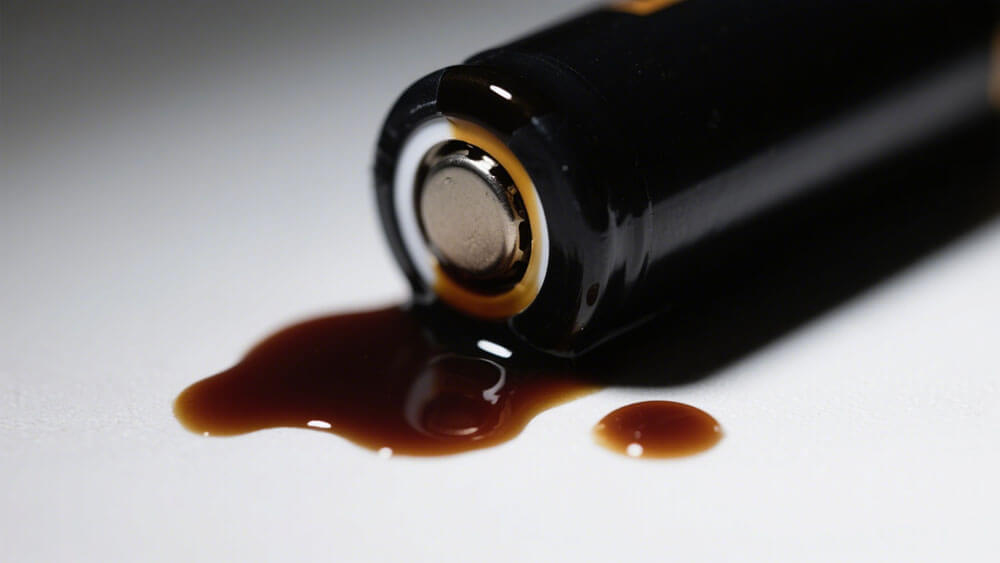
Physical leaks are more common in older tech or devices left in storage for long periods. In alkaline batteries (like the AAs found in old controllers or remotes), the “leak” is actually potassium hydroxide. This doesn’t have a strong smell but can produce a faint, acrid scent.
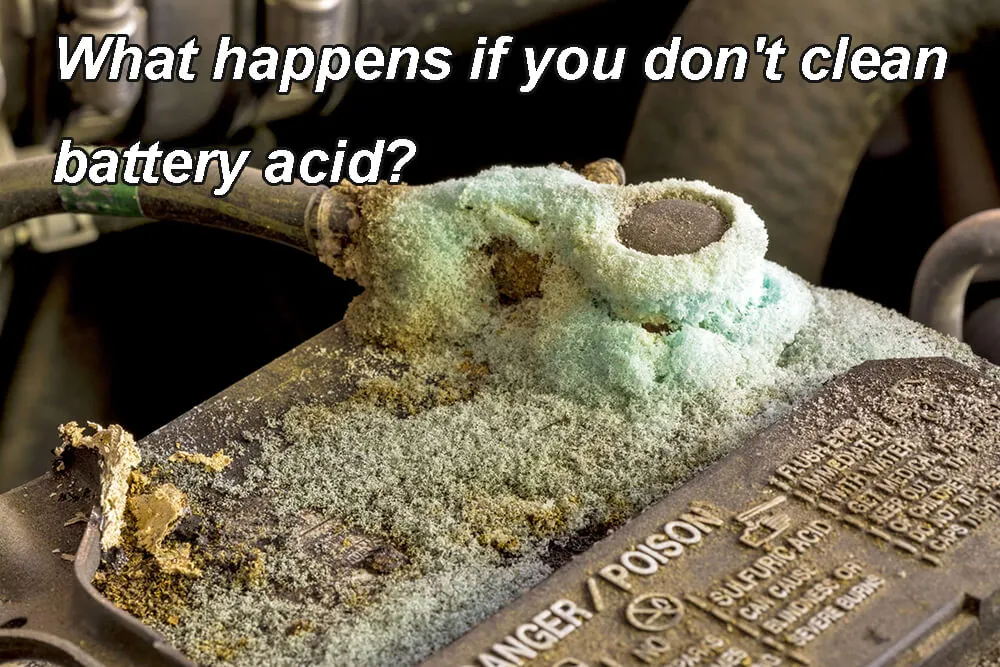
In professional-grade UPS systems, a leak of sulfuric acid will produce a damp, sour, or stinging sensation in the nostrils if you get close enough. Visually, this looks like white, crusty powder (lead sulfate) or a clear, syrupy liquid around the battery terminals.
Software Monitoring vs. Physical Senses
Modern tech uses Battery Management Systems (BMS) to prevent these issues. A high-quality BMS will shut down a device if it detects “out-of-bounds” voltage or temperature. However, a BMS cannot detect a physical puncture or a slow chemical leak. This is why human intervention and sensory checks are still a vital part of hardware auditing. If your software says the battery is at 100% health, but the device smells like a chemistry lab, trust your nose over the software.
Safety Protocols and Digital Maintenance
If you have identified the smell of battery acid or electrolyte venting, you must transition immediately from a “user” mindset to a “hazmat” mindset.
Immediate Action Steps for Leaking Components
- Power Down and Unplug: Immediately disconnect the device from any power source. For a UPS, turn it off and unplug it from the wall.
- Ventilate the Area: Open windows or activate exhaust fans. The gases released (hydrogen, hydrogen sulfide, or organic solvents) can be flammable or toxic.
- Isolation: Place the device on a non-flammable surface, such as a concrete floor or a metal tray. If it is a lithium-ion device smelling sweet, place it in a fire-safe container or a bucket of sand if available.
- Avoid Skin Contact: Battery acid (sulfuric acid) is highly corrosive and will cause chemical burns. The “acid” in alkaline batteries (potassium hydroxide) is a strong base and is equally damaging. Always wear nitrile gloves when handling leaking tech.
Preventive Care for High-Performance Tech
To prevent your tech from reaching the point of “smellable failure,” follow these industry best practices:
- Avoid Heat: Heat is the primary enemy of battery chemistry. Ensure server rooms are climate-controlled and laptops have adequate airflow.
- Use Original Chargers: Cheap, third-party chargers often lack the sophisticated voltage regulation required to prevent overcharging and subsequent off-gassing.
- Cycle Your Tech: For devices in storage, check them every 3–6 months. A battery left at 0% for years is highly likely to leak or swell.
Environmental Impact and Proper E-Waste Disposal
A leaking battery is a hazardous waste item. It should never be thrown in the regular trash. Sulfuric acid and lithium salts can leach into groundwater. Most tech retailers (like Best Buy or specialized e-waste centers) have specific protocols for handling “damaged, defective, or recalled” (DDR) batteries. If a battery is actively smelling or leaking, call a professional hazardous waste disposal service or your local fire department’s non-emergency line for guidance.
The Future of Battery Technology and Odor-Free Power
The tech industry is aware of the risks associated with current liquid-electrolyte batteries. Research is heavily focused on creating safer alternatives that eliminate the risk of leaks and pungent off-gassing.
Solid-State Batteries and Enhanced Safety Profiles
The next frontier in hardware is the solid-state battery. By replacing the liquid electrolyte with a solid ceramic or polymer material, manufacturers can eliminate the risk of leakage and the sweet-smelling VOCs associated with lithium-ion failure. Solid-state batteries are inherently non-flammable and do not produce the “rotten egg” smell of lead-acid systems, as they do not contain water-based electrolytes that can undergo electrolysis.
Smart Diagnostics and Early Warning Systems
Future gadgets will likely include “electronic noses” or gas sensors integrated into the PCB (Printed Circuit Board). These sensors can detect the molecular signature of electrolyte venting long before a human can smell it. By integrating these sensors with the device’s firmware, the system could automatically enter a “safety discharge” mode or alert the user via a mobile notification that the battery’s structural integrity has been compromised.
Until these technologies become standard, the best tool we have for protecting our digital infrastructure and personal devices is our own awareness. If your tech smells like anything other than “new plastic,” it is time to investigate. Knowing what battery acid smells like is not just a trivia point—it is a fundamental aspect of modern hardware literacy and safety.
aViewFromTheCave is a participant in the Amazon Services LLC Associates Program, an affiliate advertising program designed to provide a means for sites to earn advertising fees by advertising and linking to Amazon.com. Amazon, the Amazon logo, AmazonSupply, and the AmazonSupply logo are trademarks of Amazon.com, Inc. or its affiliates. As an Amazon Associate we earn affiliate commissions from qualifying purchases.