
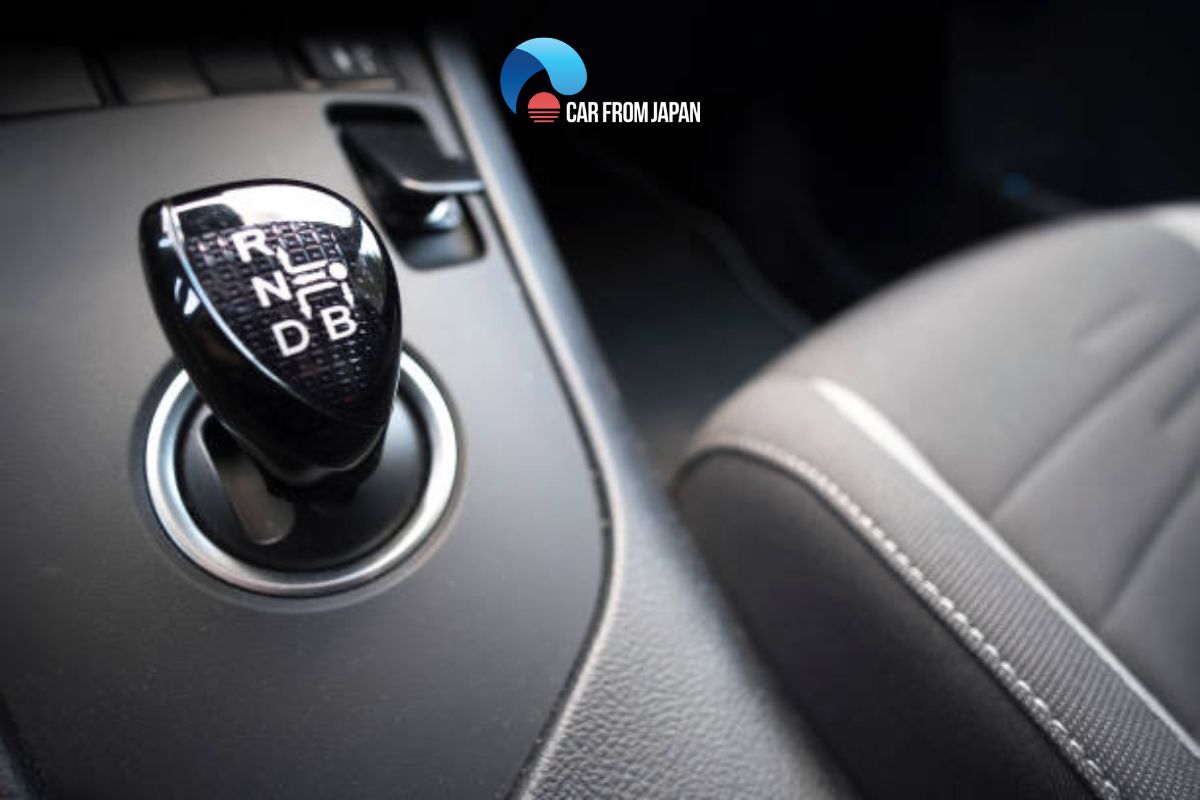
In the rapidly evolving landscape of automotive technology, the traditional gear shifter—once a purely mechanical interface—has transformed into a sophisticated digital controller. For decades, drivers were accustomed to the standard “PRNDL” layout: Park, Reverse, Neutral, Drive, and Low. However, with the proliferation of hybrid electric vehicles (HEVs) and plug-in hybrid electric vehicles (PHEVs), a new letter has appeared on the console: “B.”
While it may seem like a minor addition to the user interface, the “B” setting represents a fundamental shift in how vehicles manage energy, friction, and propulsion. This setting does not correspond to a physical gear in the traditional sense; instead, it activates a complex interaction between software algorithms, electromagnetic resistance, and battery management systems. Understanding what “B” means requires a deep dive into the technology of regenerative braking and the shift toward software-defined vehicle dynamics.
Decoding the “B” Position: A Software-Defined Driving Mode
The letter “B” typically stands for “Brake” or “Braking.” To a driver transitioning from a traditional internal combustion engine (ICE) vehicle, this might be confused with a parking brake or a low-gear setting intended for towing. Technically, while the outcome—slowing the vehicle—is similar to downshifting an old manual transmission, the underlying technology is rooted in modern electrical engineering and kinetic energy recovery.
The Transition from Mechanical Gears to Digital Commands
In a conventional vehicle, the gear shifter is often linked to the transmission via cables or a mechanical linkage. When you shift to “L” (Low), you are physically forcing the transmission to stay in a lower gear ratio to increase engine RPMs and provide engine braking. In modern hybrids, the shifter is often a “shift-by-wire” system. When you move the toggle to “B,” you are sending a digital signal to the vehicle’s Electronic Control Unit (ECU).
The ECU interprets this command not by shifting physical cogs, but by reconfiguring how the electric motor-generators interact with the drivetrain. In the “B” mode, the vehicle’s software is programmed to prioritize “drag” the moment the driver lifts their foot off the accelerator. This mimics the sensation of downshifting, but it is executed through software-mapped resistance levels rather than mechanical gear ratios.
Simulating Resistance via Electromagnetic Drag
The core technology behind the “B” setting is the manipulation of electromagnetism. In a standard “Drive” (D) setting, the vehicle is optimized for coasting. When you lift your foot, the car maintains its momentum with minimal resistance to maximize fuel efficiency on flat roads. However, when shifted into “B,” the system increases the level of regenerative braking.
This is achieved by reversing the role of the electric motor. Instead of using electricity from the battery to turn the wheels (propulsion), the wheels turn the motor. In this state, the motor acts as a generator. The resistance created as the motor generates electricity provides the “braking” force that slows the vehicle down. This is an elegant tech solution to a hardware problem: it reduces the need for physical brake pads to clamp onto rotors, thereby converting what would have been wasted heat energy into usable chemical energy stored in the battery.
The Engineering Behind Regenerative Energy Recuperation
To understand the “B” gear’s role, one must look at the Motor-Generator Unit (MGU) and the power electronics that govern it. The “B” setting is essentially a user-accessible toggle for an aggressive energy recuperation algorithm.
How the Motor-Generator Unit (MGU) Functions as a Dynamo
In vehicles like the Toyota Prius or the Honda Insight, where the “B” setting first became mainstream, the drivetrain contains one or more electric motors. When the “B” mode is engaged, the inverter—a critical piece of high-power hardware—changes the phase of the electricity. By modulating the magnetic fields within the motor, the software creates a “braking torque.”
Technically, the MGU becomes a dynamo. As the vehicle’s kinetic energy is fed back through the transmission, the magnetic resistance inside the generator creates a counter-force. The faster the vehicle is moving, the more significant the resistance can be. This technology is particularly useful in long descents, such as driving down a mountain. In a tech-deficient vehicle, a driver would have to “ride the brakes,” leading to brake fade and potential mechanical failure. In a hybrid using “B” mode, the software manages the speed through electromagnetic drag, preserving the mechanical hardware.
Inverters and Power Conversion Algorithms

The energy captured during “B” mode isn’t just sent directly to the battery in a raw state. It must pass through a sophisticated power electronics suite. The inverter must convert the three-phase alternating current (AC) generated by the motor into the direct current (DC) required by the high-voltage battery pack.
The “B” setting triggers a specific firmware map that dictates how much current the inverter can handle at once. If the battery is already near its full state of charge (SoC), the software must intelligently dissipate the energy elsewhere—often by spinning the internal combustion engine without injecting fuel—to prevent overcharging the lithium-ion or nickel-metal hydride cells. This “engine braking” simulation is a marvel of sensor integration, where the car decides in milliseconds whether to store the energy or vent it as mechanical friction.
Optimizing Battery Thermal Management Systems (BTMS)
A critical tech consideration for the “B” gear is its impact on the vehicle’s thermal profile. Rapidly forcing energy back into a battery pack generates heat. Modern vehicles utilize a Battery Thermal Management System (BTMS) to ensure that aggressive regenerative braking doesn’t degrade the battery’s lifespan.
Current Flow and Charge Saturation Limits
When a driver uses the “B” setting, the influx of current is significantly higher than in standard “D” mode. The vehicle’s Battery Management System (BMS) monitors the temperature of every cell in real-time. If the tech detects that the temperature is rising too quickly due to high-amperage regeneration, it will automatically scale back the “B” mode’s effectiveness and transition some of the braking load back to the friction brakes.
This is a seamless “handshake” between different software modules. The user feels a consistent slowing sensation, but under the hood, the car is constantly balancing the load between the electric generator and the hydraulic brake actuators. This high-level orchestration is what separates modern smart drivetrains from the purely mechanical systems of the past.
Mitigating Hardware Wear through Tech Integration
From a maintenance tech perspective, the “B” setting is a preventative tool. By using electromagnetic resistance to slow the car, the physical brake pads and rotors are used far less frequently. In many hybrid and electric vehicles, brake pads can last upwards of 100,000 miles because the “B” mode and general regenerative braking handle the vast majority of deceleration tasks. This reduces the mechanical overhead of the vehicle and minimizes the fine particulate matter (brake dust) released into the environment, marking a technological step forward in both durability and ecology.
The User Interface Evolution: From Shifters to One-Pedal Systems
The inclusion of “B” on a gear shift is also a study in User Experience (UX) design within the automotive tech sector. It serves as a bridge between the old way of driving and the future of “One-Pedal Driving.”
Haptic Feedback and Dashboard Telemetry
When a driver engages “B,” the vehicle often provides visual feedback through the digital instrument cluster. You might see a needle move into a “Charge” zone or a digital flow diagram showing energy moving from the wheels back into the battery icon. This telemetry is crucial for tech-savvy drivers who want to optimize their efficiency.
Furthermore, the “feel” of the “B” mode—the immediate deceleration when lifting off the throttle—acts as a form of haptic feedback. It informs the driver that the system is active without requiring them to look away from the road. Designers spend thousands of hours tuning the “ramp-up” of this resistance so that it feels natural and not jarring, a process known as pedal-mapping.
Predictive Braking and the Role of AI in Energy Recovery
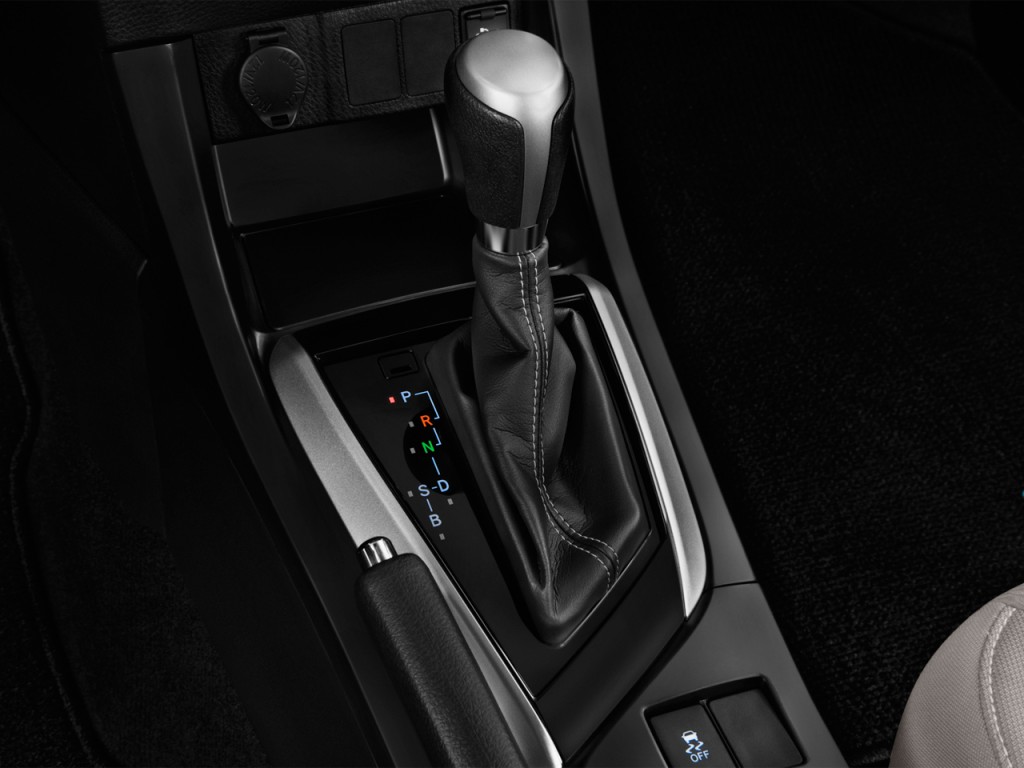
We are now seeing the “B” mode evolve into something even more automated. Some high-end vehicles use GPS and radar sensors to adjust the level of regenerative braking automatically. For example, if the car’s tech suite detects a steep hill ahead or a car slowing down in front, it may “prime” the “B” mode functionality even if the driver hasn’t touched the shifter.
In these advanced systems, Artificial Intelligence (AI) analyzes driving patterns and topography to determine the most efficient energy recovery strategy. The “B” setting on the gear shift is, in many ways, the manual override for a system that is becoming increasingly autonomous. It represents the point where the driver can still make a conscious decision to interact with the car’s energy management software.
The “B” on your gear shift is more than just a label for “Brake.” It is a window into the sophisticated world of energy recuperation, software-governed mechanics, and the future of transport technology. As we move closer to a fully electric future, these nuances of digital drivetrain control will become the standard, turning every driver into a manager of a complex, mobile power plant.
aViewFromTheCave is a participant in the Amazon Services LLC Associates Program, an affiliate advertising program designed to provide a means for sites to earn advertising fees by advertising and linking to Amazon.com. Amazon, the Amazon logo, AmazonSupply, and the AmazonSupply logo are trademarks of Amazon.com, Inc. or its affiliates. As an Amazon Associate we earn affiliate commissions from qualifying purchases.