
The cannabis industry has undergone a radical transformation over the past decade, moving from a niche, misunderstood market to a sophisticated sector driven by biological innovation and consumer-centric product development. At the heart of this evolution lies a genetic breakthrough that has fundamentally altered how cultivators—both professional and hobbyist—approach the plant: the autoflowering seed. To understand the commercial value and strategic positioning of these products, one must look at them through the lens of brand strategy, product market fit, and the democratization of consumer goods.
The Strategic Evolution of Cannabis Genetics
From a brand strategy perspective, the development of autoflowering seeds represents a masterclass in solving a “friction point” for the end consumer. Traditionally, cannabis cultivation was a complex, labor-intensive process requiring an intimate knowledge of photoperiodism. Plants required a strict light-cycle manipulation to trigger the transition from the vegetative stage to the flowering stage. This acted as a significant barrier to entry, limiting the total addressable market to those with technical expertise or the time to manage complex environmental controls.

Autoflowering genetics, derived primarily from the Cannabis ruderalis subspecies, stripped away these complexities. These seeds are engineered to transition to the flowering phase based on chronological age rather than light cycle exposure. By automating the plant’s biological clock, breeders created a product that offers a “plug-and-play” experience. For brands, this shift was monumental; it allowed companies to reposition their seed offerings not as complex agricultural projects, but as lifestyle-oriented consumer goods. This pivot allowed for more accessible marketing messaging, focusing on convenience, efficiency, and predictability.
Brand Positioning: Convenience as a Value Proposition
In any competitive industry, the brands that win are those that lower the cognitive load on the consumer. The autoflowering seed is the ultimate value-add proposition in the genetics market. By positioning their offerings around the concept of “time-to-harvest” optimization, seed banks and breeders have successfully segmented their target demographics.
The Rise of the “Convenience Consumer”
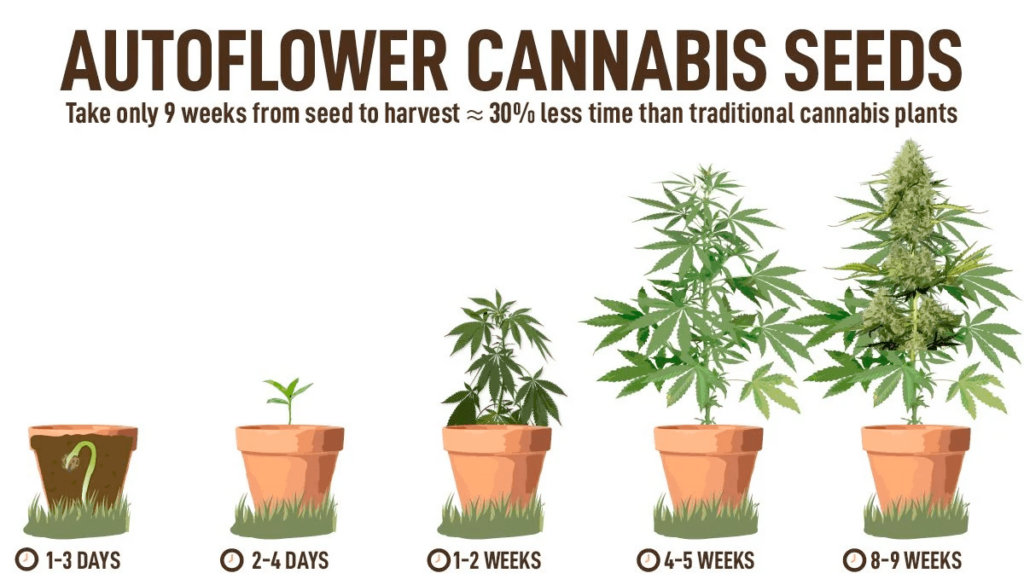
Marketing data indicates that a substantial portion of the modern cannabis-growing market prioritizes speed and ease of use over the traditional desire for hyper-control over light cycles. Brands that emphasize the “set it and forget it” nature of autoflowers have captured this segment effectively. By focusing on the reliability of the growth cycle—often clocking in at 8–10 weeks from seed to harvest—these brands build trust through transparency and predictable outcomes.
Professional vs. Hobbyist Brand Identity
There is a clear distinction in how premium seed brands market their autoflowering lineups compared to their traditional photoperiod lines. Autoflowers are frequently branded as “The Future of Home Cultivation,” targeting urban dwellers with limited space and those seeking a simplified horticultural hobby. Conversely, photoperiod strains are often marketed toward the “connoisseur” or the large-scale commercial cultivator. This bifurcation in branding strategy allows companies to maximize their reach across multiple psychographic profiles without diluting their core brand authority.
Market Segmentation and Lifecycle Management
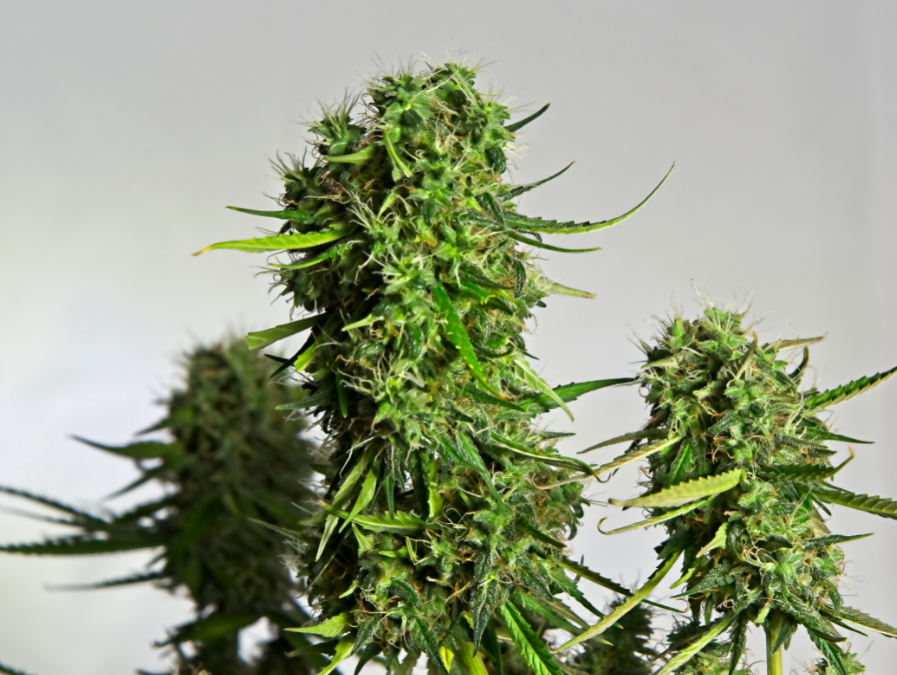
The introduction of autoflowering technology necessitated a complete rethink of product lifecycle management. When selling genetics, the narrative is often built around the “legendary” status of a strain. With autoflowers, the narrative is built around “innovation” and “technical achievement.”
Managing the Innovation Pipeline
For a seed bank, the R&D process for autoflowering strains is intensive. The challenge lies in maintaining the terpene profiles and cannabinoid potency of traditional strains while introducing the ruderalis genetic trait. Brands that successfully communicate the “stability” of their genetics create a high barrier to entry for competitors. If a customer has a successful harvest with a specific brand’s autoflowering strain, they are significantly more likely to display high brand loyalty, as the risk of “crop failure” is greatly reduced compared to traditional, more temperamental strains.
Communicating Quality Control
In an industry still plagued by unregulated black-market actors, reputable cannabis brands have used the complexity of autoflowering development to solidify their brand identity as “experts.” By publishing data on phenotype consistency, germination rates, and harvest windows, these brands use the technological nature of autoflowers to establish a standard of corporate identity. This is no longer just about selling seeds; it is about providing a verified genetic product that functions as a reliable software platform—consistent, scalable, and predictable.
The Future of Genetic Branding: Sustainability and Scale
As the industry matures, the brand strategies surrounding autoflowering seeds are beginning to shift toward sustainability and eco-conscious messaging. The reduced necessity for high-energy lighting systems (due to the shorter growth cycles and lack of light-cycle dependency) provides a unique marketing angle for brands looking to appeal to the “green” consumer.
The Efficiency Narrative
Brands that highlight the energy-saving benefits of autoflowering plants are aligning themselves with the broader societal trend toward environmental responsibility. By framing the product as an energy-efficient choice, these companies are moving beyond the plant itself to capture market share among ethically minded consumers. This is a crucial aspect of modern brand positioning; it moves the conversation from “What is the product?” to “What does the product stand for?”
Leveraging Tech-Forward Imagery
The visual identity of autoflowering seed marketing often leans heavily into the tech-forward aesthetic. We see clean, minimalist packaging, data-driven strain descriptions, and a departure from the traditional counter-culture imagery of the past. This professionalization of the industry is a deliberate branding strategy designed to normalize cannabis cultivation as a standard household activity, akin to gardening for herbs or vegetables. This strategic shift has been vital in navigating the legal and social stigmas that still surround the industry, making the brand feel safe, legitimate, and professional.
The Role of Customer Experience in Brand Loyalty
Ultimately, the term “autoflowering” has become shorthand for “reliability.” In the context of brand strategy, this is the most valuable asset a company can possess. A customer who experiences a seamless growth cycle—from seed to flowering—is an advocate for the brand.
The brand strategy for autoflowering seeds is ultimately about removing fear. By selling a biological product that is engineered to grow in a predictable, standardized fashion, companies are lowering the emotional and financial stakes for the consumer. This creates a sustainable business model where the “product” is not just the genetic material, but the promise of a successful experience.
As we look toward the future, the integration of genetics with smart-home technology and personalized cultivation apps further enhances this brand experience. The autoflowering seed is the anchor of this ecosystem; it is the reliable, predictable hardware upon which the digital cultivation services of the future will be built. Brands that recognize this intersection of biology and technology will continue to lead the market, transforming the image of cannabis cultivation from a mysterious underground craft to a transparent, high-tech, and consumer-friendly industry. The meaning of “autoflowering” has transcended the biological definition; it is now a cornerstone of modern cannabis brand identity and a key driver of industry professionalization.
aViewFromTheCave is a participant in the Amazon Services LLC Associates Program, an affiliate advertising program designed to provide a means for sites to earn advertising fees by advertising and linking to Amazon.com. Amazon, the Amazon logo, AmazonSupply, and the AmazonSupply logo are trademarks of Amazon.com, Inc. or its affiliates. As an Amazon Associate we earn affiliate commissions from qualifying purchases.