
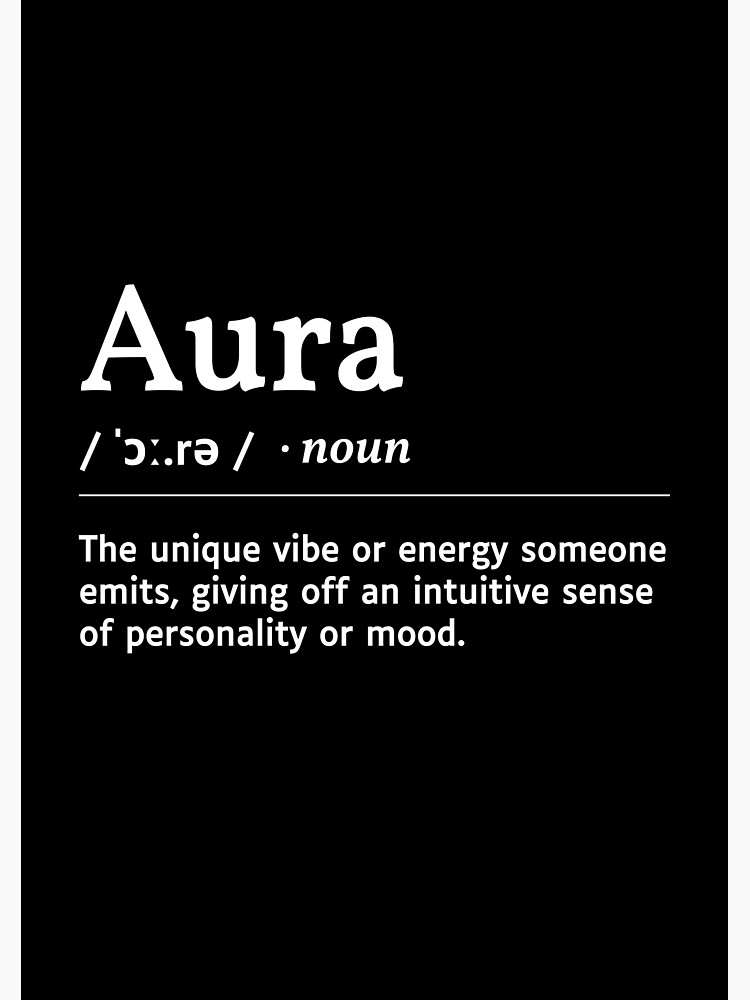
The word “aura” has transcended its traditional mystical and spiritual connotations to become a vibrant and versatile term in modern slang. Far from being solely about ethereal energy fields, “aura” in contemporary language often describes the distinctive atmosphere, vibe, or impression a person, place, or even a digital entity projects. Understanding this slang usage is key to navigating contemporary communication, particularly within online spaces and among younger generations. This exploration delves into the multifaceted meanings of “aura” as slang, its origins, and its implications in the digital age.
The Evolving Lexicon of “Aura”
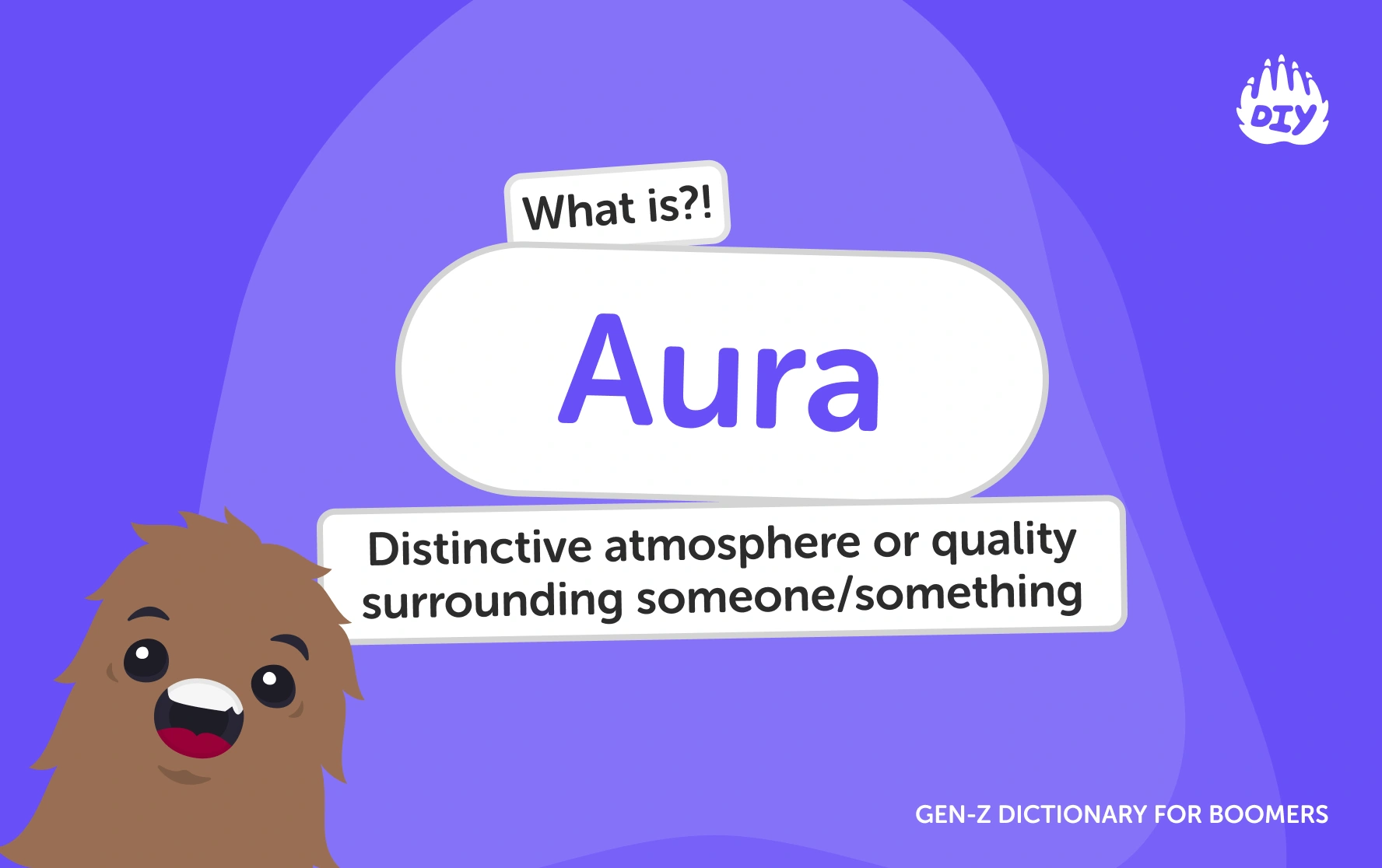
The slang interpretation of “aura” is a fascinating evolution, shedding its purely esoteric origins to embrace a more accessible and descriptive function. While the concept of an intangible energy field persists, its slang application is grounded in observable traits and perceived qualities. It’s less about psychic perception and more about the overall feeling or character one senses.
From Mysticism to Modern Vernacular
Historically, “aura” referred to a distinctive atmosphere or quality surrounding a person or thing, often perceived as a spiritual or psychic energy. Ancient philosophies and spiritual traditions, from Hinduism and Buddhism to Greek thought, discussed auric fields as visible emanations of a person’s physical and spiritual state. This understanding often involved colors and specific energies associated with emotions, health, and spiritual development.
The transition of “aura” into slang reflects a broader trend of reappropriating words from specialized domains into everyday discourse. As concepts like “vibe,” “energy,” and “presence” gained traction in informal conversation, “aura” offered a more nuanced and sophisticated way to express these ideas. It’s a word that carries a certain gravitas, allowing speakers to imbue their descriptions with a sense of depth and subtlety. Instead of simply saying someone has a “good vibe,” one might say they have a “positive aura,” implying a more ingrained and pervasive quality. Similarly, a “bad aura” suggests a negative or unsettling presence that is difficult to pinpoint but undeniably felt.
The “Vibe Check” Reimagined
In essence, slang “aura” functions as a sophisticated “vibe check.” It’s the intangible quality that makes you feel comfortable or uncomfortable, drawn to or repelled by someone or something. This can manifest in various ways:
- Personal Presence: When describing a person, their “aura” refers to their overall demeanor, the impression they leave upon others. This includes their confidence, their attitude, their level of engagement, and even their style. A person with a “calm aura” might be someone who exudes tranquility and composure, while someone with an “intimidating aura” might project an air of authority or power that can be perceived as overwhelming.
- Atmosphere of a Place: A “place” can also possess an aura. A cozy cafe might have a “warm and inviting aura,” making patrons feel relaxed and at ease. Conversely, a dimly lit, abandoned building could be described as having a “creepy or unsettling aura.” This applies to digital spaces too; a website or online community can have a welcoming or hostile aura based on its design, content, and user interactions.
- The Implied Narrative: Often, an “aura” suggests an unspoken narrative or underlying quality. A designer might talk about a brand’s “luxury aura,” implying not just high-quality products but also exclusivity, sophistication, and aspiration. This is about the overall feeling and perception that goes beyond tangible attributes.
The slang use of “aura” is particularly effective because it’s evocative. It allows us to communicate complex feelings and impressions concisely, tapping into a shared understanding of what certain energies or presences signify. It’s a term that adds a layer of descriptive richness to our everyday language.
Manifestations of “Aura” in Digital Communication
The digital realm, with its inherent reliance on conveying personality and atmosphere through text and limited visual cues, has become a fertile ground for the slang use of “aura.” Social media, online forums, and virtual environments all contribute to how we perceive and describe these intangible qualities.
The Social Media Persona
On platforms like Instagram, TikTok, and Twitter, individuals curate their online presence to project a specific “aura.” This is achieved through a combination of visual elements, linguistic choices, and engagement patterns. A influencer might meticulously craft a “glamorous aura” through high-quality photography, aspirational captions, and exclusive content. Alternatively, someone aiming for a “relatable aura” might share more candid moments, use colloquial language, and engage in lighthearted banter.
- Visual Cues: The aesthetic of a profile – color schemes, filters, photographic styles – all contribute to the perceived aura. A consistent and deliberate visual identity helps establish a distinct persona.
- Linguistic Tone: The language used in captions, comments, and direct messages plays a crucial role. A formal and intellectual tone can create an “intellectual aura,” while a playful and humorous tone might foster a “lighthearted aura.”
- Engagement and Interaction: How individuals interact with their followers and other users also shapes their aura. A consistently supportive and positive engagement style can foster a “community-oriented aura,” while a more aloof or argumentative approach might create a different impression.
The Digital Environment
Beyond individual profiles, the “aura” of digital spaces themselves is also a significant consideration. The design of a website, the user interface of an app, or the general atmosphere of an online forum can all contribute to a distinct feeling.
- Website Design: A minimalist and sleek website design might project an “innovative and modern aura,” while a cluttered and outdated one might give off a “neglected or untrustworthy aura.” The user experience, or UX, is intrinsically linked to the aura of a digital platform.
- App Functionality: The ease of use, the responsiveness, and the overall intuitive nature of an app contribute to its perceived aura. A seamless and user-friendly app might have an “efficient and sophisticated aura,” while one that is buggy and confusing could have a “frustrating and unprofessional aura.”
- Online Communities: The collective interaction within an online community shapes its aura. A supportive and inclusive forum might have a “welcoming and collaborative aura,” while one rife with negativity and conflict could have a “toxic or unwelcoming aura.” This is often referred to as the “community vibe” or, in slang terms, the community’s collective aura.
The Impact of Memes and Viral Content
Memes and viral content often embody and spread specific auras, creating a shared cultural understanding of certain themes and sentiments. A particular meme format might evoke a “nostalgic aura,” while another might convey a “chaotic or absurd aura.” The rapid dissemination of these cultural artifacts through social media allows the slang meaning of “aura” to permeate collective consciousness.
The Nuances of “Aura” in Interpersonal Dynamics
In face-to-face interactions and even in more subtle forms of digital communication, the concept of “aura” provides a framework for understanding unspoken social cues and personal impressions. It allows us to articulate feelings about people that go beyond their words or actions alone.
Reading the Room: Unspoken Cues
The ability to perceive and interpret someone’s “aura” is a crucial aspect of social intelligence. It’s about sensing the underlying emotional state, the confidence level, and the general disposition of another person.
- Confidence and Self-Assurance: A person who walks into a room with a strong, positive aura often exudes confidence. This isn’t necessarily about arrogance, but rather a quiet self-assuredness that can be felt by those around them. They might be perceived as leaders or individuals who are comfortable in their own skin.
- Nervousness and Insecurity: Conversely, someone radiating a nervous or insecure aura might fidget, avoid eye contact, or speak hesitantly. This aura signals a lack of comfort or self-doubt, which can make others feel a sense of unease or even pity.
- Approachability and Aloofness: An approachable aura makes someone seem welcoming and easy to talk to, encouraging interaction. An aloof aura, on the other hand, can create a barrier, making someone seem distant or unapproachable, even if they haven’t said a word.
The “It” Factor and Charisma
The slang term “aura” is closely related to the concept of charisma or the elusive “it” factor. While charisma is often associated with outward charm and communication skills, “aura” can be a more innate and pervasive quality that draws people in. It’s the magnetic pull that some individuals possess, making them captivating and memorable.
- Natural Magnetism: Some individuals seem to have a natural magnetism, an inherent quality that draws others to them. This magnetic aura can be a blend of confidence, positive energy, and an authentic presence. It’s what makes a celebrity stand out on screen or a speaker command the attention of an entire audience.
- Authenticity and Congruence: A strong and positive aura often stems from authenticity. When a person’s outward presentation aligns with their inner self, their aura feels genuine and unforced. This congruence is powerfully attractive and builds trust.
- Emotional Resonance: People with a compelling aura often resonate with others on an emotional level. They might evoke feelings of inspiration, comfort, or excitement, leaving a lasting impression long after the interaction has ended.
Subtlety and Subjectivity
It’s important to acknowledge that the perception of “aura” is often subjective. What one person perceives as a positive aura, another might interpret differently based on their own experiences and biases. However, the widespread adoption of “aura” in slang suggests a collective understanding and shared vocabulary for describing these intangible qualities. It’s a testament to our innate human capacity to perceive and react to the subtle energies that surround us.
The Future of “Aura” in Language
As language continues to evolve and adapt to new forms of communication and social interaction, terms like “aura” will likely maintain their relevance. The increasing emphasis on personal branding, digital presence, and authentic connection suggests that the ability to articulate and understand these intangible qualities will only become more important.
Beyond the Buzzword: Deeper Meaning
While “aura” has become a common term, its slang usage is not merely a fleeting buzzword. It represents a sophisticated way to describe complex social and psychological phenomena that are increasingly relevant in our interconnected world. The ability to discern and project a desirable aura is becoming a valuable social currency, influencing perceptions in everything from job interviews to online dating.
- Personal Development: Understanding one’s own aura can be a tool for personal development. By recognizing the impression they are making, individuals can consciously work on cultivating positive traits and projecting the qualities they desire.
- Brand Building: For individuals and businesses alike, understanding and shaping their aura is a critical component of effective branding. It’s about creating a consistent and compelling perception that resonates with the target audience.
- Interpersonal Navigation: In a world where first impressions are often formed in seconds, the ability to read and navigate the auras of others is an essential skill for successful social and professional interactions.
The Digital Reflection
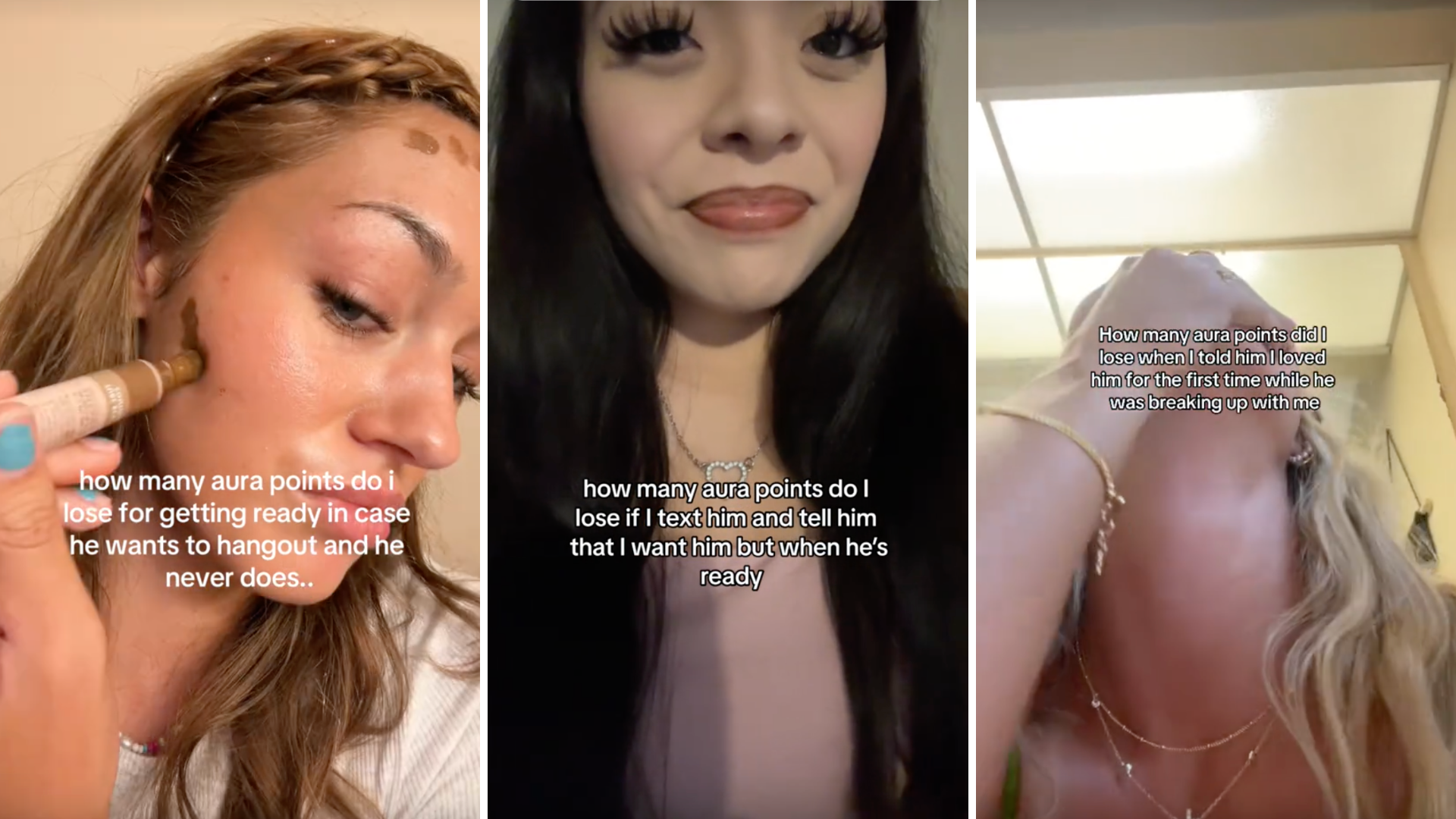
The digital world will continue to be a primary arena for the evolution of “aura” as slang. As we spend more time communicating and forming relationships online, the ways we describe and interpret intangible qualities will likely become even more nuanced. We might see the development of new sub-categories of “aura” specific to virtual environments, gaming communities, or even augmented reality experiences.
The term “aura” in slang is more than just a catchy phrase; it’s a reflection of our evolving understanding of human presence, personality, and the intangible forces that shape our perceptions. As communication continues to shift, this versatile word will undoubtedly remain a valuable tool for capturing the essence of what makes us, and the world around us, uniquely impactful.
aViewFromTheCave is a participant in the Amazon Services LLC Associates Program, an affiliate advertising program designed to provide a means for sites to earn advertising fees by advertising and linking to Amazon.com. Amazon, the Amazon logo, AmazonSupply, and the AmazonSupply logo are trademarks of Amazon.com, Inc. or its affiliates. As an Amazon Associate we earn affiliate commissions from qualifying purchases.