
In the modern corporate landscape, the role of an assistant manager is often viewed through the lens of administrative support or team supervision. However, when viewed from the perspective of business finance and organizational growth, the assistant manager serves as a critical bridge between high-level strategic goals and the fiscal reality of daily operations. They are the tactical engine of a company, responsible for ensuring that the business not only remains functional but remains profitable.
The role is defined by its multifaceted nature, balancing human capital management with rigorous financial oversight. To understand what an assistant manager truly does is to understand the mechanics of how a business unit optimizes its resources to protect the bottom line while pursuing expansion.

The Financial Architecture: Oversight of Daily Fiscal Operations
At the core of an assistant manager’s responsibilities is the stewardship of a business unit’s immediate financial health. While executive leadership sets long-term budgetary goals, the assistant manager is tasked with the ground-level execution of these financial plans.
Managing Profit and Loss (P&L) Statements
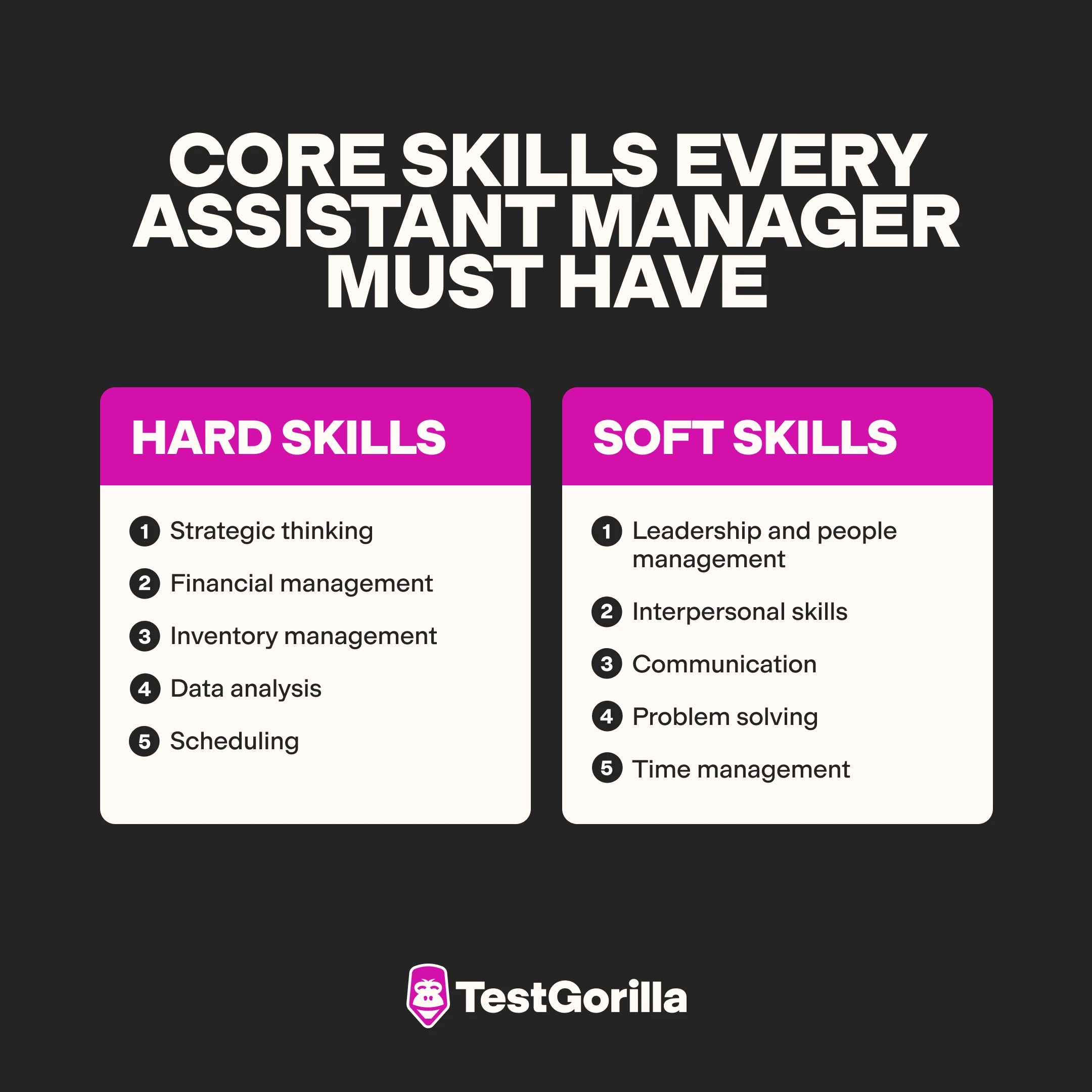
One of the most vital technical tasks an assistant manager performs is the monitoring of Profit and Loss (P&L) statements at the departmental or store level. They must analyze these reports to identify trends, such as rising operational costs or dipping sales margins. By interpreting this data, an assistant manager can pivot strategies in real-time—perhaps by reducing non-essential expenditures or reallocating resources to high-performing product lines. Their ability to read between the lines of a financial statement allows the business to remain agile in a fluctuating market.
Daily Cash Management and Reporting
In retail, hospitality, and many service-based industries, the assistant manager is the primary custodian of daily revenue. This involves reconciling registers, managing deposits, and ensuring that all financial transactions are accounted for with surgical precision. This level of oversight is crucial for preventing “leakage”—the small, often unnoticed financial discrepancies that can accumulate into significant losses over a fiscal year. By maintaining strict reporting standards, the assistant manager provides the data necessary for upper management to make informed investment decisions.
Optimizing Human Capital: The Economics of Team Management
In any business, labor is typically the largest controllable expense. An assistant manager’s ability to manage personnel is therefore not just a “soft skill” but a significant financial lever. Every decision made regarding the workforce has a direct impact on the company’s Return on Investment (ROI).
The Mathematics of Strategic Scheduling
Effective assistant managers treat the weekly schedule as a financial document. They must balance the “labor-to-sales” ratio, ensuring that the business is sufficiently staffed to maximize revenue during peak hours without overspending on payroll during slow periods. Overstaffing leads to wasted capital, while understaffing leads to missed sales opportunities and customer churn. Through predictive scheduling—using historical data to forecast staffing needs—the assistant manager optimizes the cost of labor.
Reducing the Cost of Turnover
High employee turnover is a quiet killer of business profitability. The costs associated with recruiting, onboarding, and training new staff can reach up to double an employee’s annual salary in some sectors. Assistant managers mitigate these costs by fostering a productive work environment and providing ongoing mentorship. By increasing employee retention, they effectively save the company thousands of dollars in “sunk costs” that would otherwise be spent on a constant cycle of replacement.
Training for Performance and Upselling
An assistant manager doesn’t just teach employees how to perform tasks; they teach them how to generate value. Through targeted training programs, they equip the team with the skills necessary for upselling and cross-selling. When a team is trained to increase the average transaction value, the assistant manager is directly influencing the top-line revenue of the business.
Safeguarding the Bottom Line: Inventory and Loss Prevention
For businesses that deal in physical goods, inventory represents a massive portion of tied-up capital. An assistant manager’s role in inventory management is essentially a role in asset protection and cash flow optimization.
Inventory Turnover and Working Capital
Holding too much inventory traps cash that could be used for other business investments, while holding too little results in “stock-outs” and lost revenue. Assistant managers oversee the ordering process to ensure a healthy inventory turnover rate. They use data-driven insights to order what sells and liquidate what doesn’t, ensuring that the business’s working capital is always moving rather than sitting stagnant on a shelf.
Loss Prevention and Shrinkage Control
“Shrinkage”—the loss of inventory due to theft, damage, or administrative errors—is a direct hit to the net profit. Assistant managers are the front line of defense against these losses. They implement and enforce loss prevention protocols, conduct regular audits, and train staff on proper handling procedures. By reducing shrinkage by even a few percentage points, an assistant manager can significantly boost the overall profitability of a business unit.
Supply Chain Efficiency at the Local Level
While the broader supply chain might be managed at a corporate level, the assistant manager manages the local “last mile.” They ensure that deliveries are accurate, that vendors are meeting their contractual obligations, and that waste is minimized. In industries like food service or manufacturing, where perishables and raw materials are involved, the assistant manager’s focus on waste reduction is a primary driver of cost control.
Revenue Generation: Driving Sales and Customer Lifetime Value
Beyond cost-cutting and efficiency, the assistant manager is a growth agent. They are responsible for implementing the marketing and sales strategies that drive the business forward.
Local Marketing and Community Engagement
Often, an assistant manager is tasked with executing localized marketing initiatives. This might include managing a store’s social media presence, organizing community events, or developing partnerships with other local businesses. These efforts are designed to increase “foot traffic” or digital engagement, providing a measurable boost to sales. By understanding the local demographic, the assistant manager can tailor corporate branding to resonate more deeply with the specific customer base.
Enhancing Customer Lifetime Value (CLV)
It is a well-known financial principle that acquiring a new customer is significantly more expensive than retaining an existing one. Assistant managers oversee the customer experience to ensure repeat business. By resolving high-level complaints and ensuring a high standard of service, they protect the brand’s reputation and increase the Customer Lifetime Value. Every satisfied customer represents a recurring revenue stream, and the assistant manager is the guardian of that relationship.
Implementing Promotions and Product Launches
When a company launches a new product or a seasonal promotion, the success of that investment often rests on the shoulders of the assistant manager. They ensure the team is briefed, the displays are set up according to brand standards, and the sales targets are understood. Their execution determines whether a promotional campaign delivers a high ROI or becomes an expensive failure.
Strategic Scaling and Operational Excellence
As a business grows, it requires systems that are scalable and repeatable. The assistant manager plays a key role in documenting and refining these systems, turning a chaotic environment into a streamlined financial machine.
Process Improvement and Lean Operations
Assistant managers are in a unique position to see inefficiencies that higher-level executives might miss. By applying “lean” principles—identifying and eliminating non-value-added activities—they can shave minutes off a process or pennies off a transaction. Over thousands of repetitions, these small improvements translate into massive operational savings.
Compliance and Risk Management
Financial health is not just about profit; it is also about avoiding the devastating costs of non-compliance. Assistant managers ensure that the business adheres to labor laws, health and safety regulations, and financial reporting standards. By maintaining a culture of compliance, they protect the business from legal liabilities, fines, and the brand damage that follows a regulatory breach. This “defensive” financial management is just as critical as the “offensive” pursuit of sales.
Bridging the Gap: Communication and Corporate Alignment
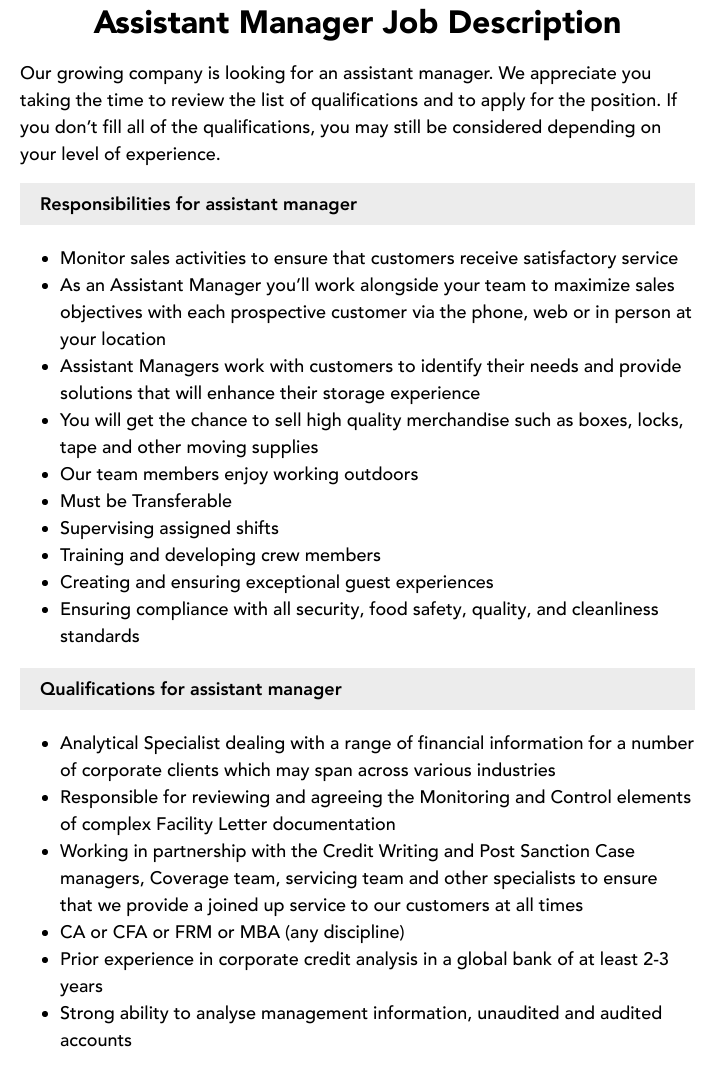
Finally, the assistant manager serves as the conduit for communication between the “front lines” and the executive level. They translate corporate financial goals into actionable tasks for the staff, and they provide feedback to leadership on what is working on the ground. This alignment ensures that the entire organization is pulling in the same direction, maximizing the efficiency of every dollar spent and every hour worked.
In conclusion, the question of “what does an assistant manager do” is best answered by looking at the financial and operational health of the business they serve. They are the tactical leaders who turn strategic vision into profitable reality, managing the complex interplay between people, processes, and capital to ensure long-term business success.
aViewFromTheCave is a participant in the Amazon Services LLC Associates Program, an affiliate advertising program designed to provide a means for sites to earn advertising fees by advertising and linking to Amazon.com. Amazon, the Amazon logo, AmazonSupply, and the AmazonSupply logo are trademarks of Amazon.com, Inc. or its affiliates. As an Amazon Associate we earn affiliate commissions from qualifying purchases.