
In the intricate architecture of global commerce and personal finance, the language used to bind parties together is as critical as the capital involved. Among the various legal and financial terms that govern our transactions, “assent” stands as a cornerstone of agreement. While often used interchangeably with “consent” in casual conversation, in the realms of business finance, investing, and corporate law, assent carries a specific weight that defines the validity of a contract and the legitimacy of a financial decision.
Understanding what assent means is not merely an academic exercise for scholars; it is a vital necessity for investors, entrepreneurs, and financial professionals. Whether you are signing a subscription agreement for a private equity fund, approving a corporate merger as a shareholder, or entering into a high-stakes loan agreement, the presence of mutual assent is what transforms a simple proposal into a legally binding financial obligation.
Understanding Assent: The Legal and Financial Foundation
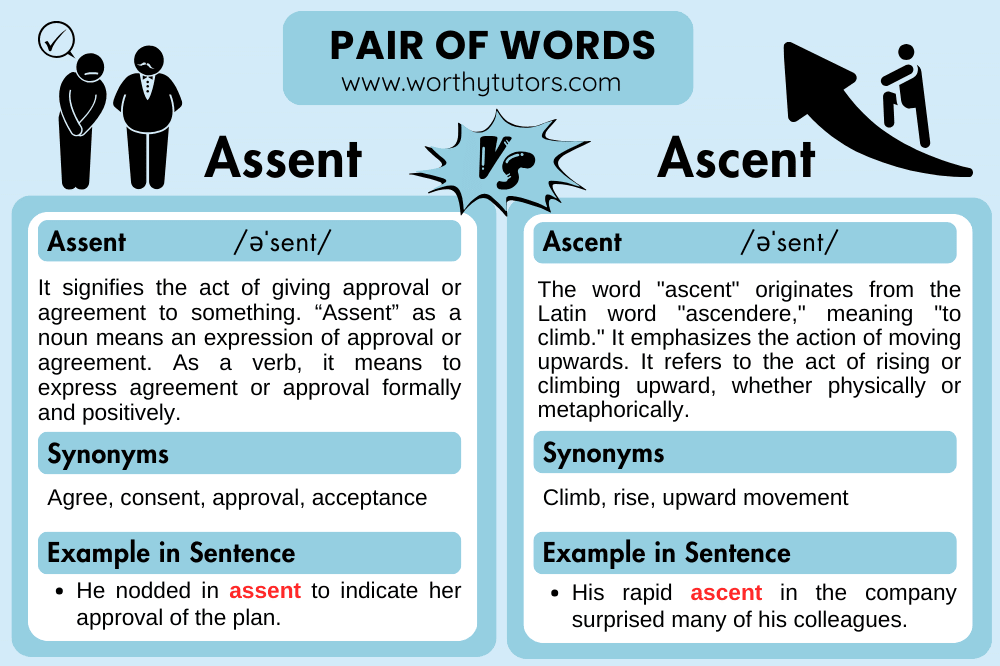
At its core, assent refers to the expression of approval or agreement. In a financial context, it represents the “meeting of the minds” (consensus ad idem) required to make a contract enforceable. Without valid assent, a financial instrument—be it a bond, a stock purchase agreement, or a business partnership—is essentially a house of cards.
Defining Assent vs. Consent
While the terms are siblings, they are not twins. In the financial sector, “consent” is often used to describe a party’s permission for something to happen, sometimes even passively. For instance, a bank might seek your consent to share data with a third party. “Assent,” however, is generally viewed as a more active and formal concurrence with the terms of an agreement.
In business finance, assent implies that a party has not only agreed to the terms but has done so with the intent to be bound by them. It is the definitive “yes” that seals a deal. This distinction is crucial during litigation or audits, where the depth of a party’s understanding and their intent to commit are scrutinized.
The Role of Mutual Assent in Financial Contracts
Mutual assent is the bedrock of contract law within the financial industry. It is typically manifested through an offer and an acceptance. However, for assent to be legally recognized in a business transaction, it must be objective. This means that a person’s outward words and actions are what matter, rather than their secret, subjective intentions.
For example, if a venture capitalist signs a term sheet for a startup investment, their signature is an objective manifestation of assent. They cannot later claim they didn’t “really” mean to agree if their outward actions indicated otherwise. This objective theory of contracts provides the predictability and stability that the financial markets require to operate efficiently.
Shareholder Assent: Corporate Governance and Voting Rights
In the world of corporate finance and investing, the concept of assent moves beyond two-party contracts and into the complex arena of corporate governance. Here, assent is the mechanism through which owners (shareholders) exercise their power over the company’s direction.
Major Transactions and Required Approval
When a corporation intends to engage in “fundamental changes”—such as a merger, the sale of substantially all assets, or a significant change in the corporate charter—it must seek the assent of its shareholders. This is not a mere courtesy; it is a legal requirement designed to protect the financial interests of the investors.
Shareholder assent is typically gathered through a formal vote during an annual or special meeting. The proxy statement, a document required by financial regulators like the SEC, provides the information necessary for shareholders to give “informed assent.” When a majority (or sometimes a supermajority) of shareholders vote in favor of a proposal, the collective assent grants the board of directors the authority to proceed with the transaction.
The Impact of Minority Dissent
The flip side of assent is dissent. In many financial jurisdictions, if a minority shareholder refuses to give their assent to a major transaction like a merger, they may be entitled to “appraisal rights.” This allows them to have a court determine the fair value of their shares and force the company to buy them out at that price.
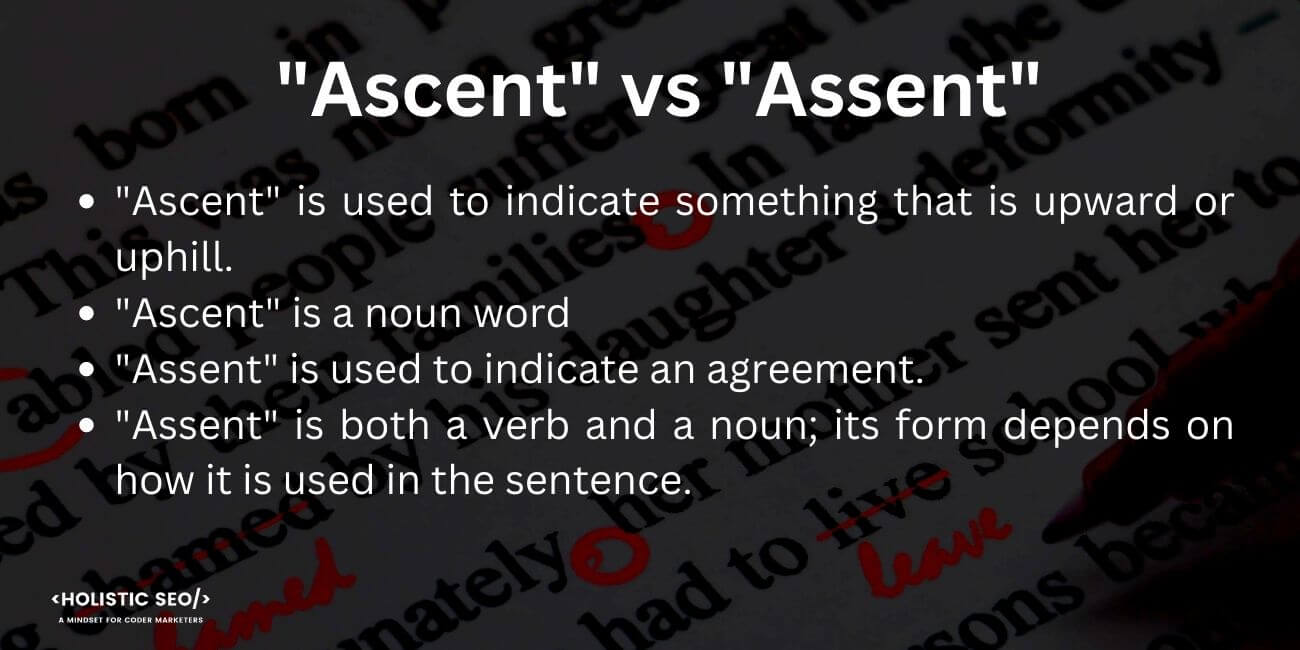
This mechanism ensures that while the majority’s assent can drive a company forward, the financial rights of the minority are not steamrolled. Understanding the threshold for assent is therefore a critical component of risk assessment for any institutional investor or corporate strategist.
Assent in Modern Investing and Financial Transactions
The digital revolution has transformed how assent is given and recorded. We have moved from wax seals and ink signatures to digital timestamps and encrypted “click-through” agreements. This shift has created new nuances in how financial tools and platforms manage agreement.
Subscription Agreements in Private Equity
For high-net-worth individuals and institutional investors, entering a private equity or hedge fund involves a “subscription agreement.” This is a complex financial document where the investor assents to the fund’s terms, including management fees, lock-up periods, and capital calls.
In this niche, assent is often “conditional.” The investor’s entry into the fund is contingent upon the fund manager’s acceptance of their subscription. Here, the process of giving assent is rigorous, involving extensive “Know Your Customer” (KYC) and Anti-Money Laundering (AML) checks. The signature on a subscription agreement represents a profound financial commitment, often involving millions of dollars, making the clarity of that assent paramount.
Digital Assent in Fintech and Trading Platforms
In the retail sector, fintech apps have streamlined the process of assent to the point of a single tap. When you open a brokerage account or a digital wallet, you are presented with a “Terms of Service” or “User Agreement.” By clicking “I Agree,” you are providing your digital assent to the platform’s fee structure, arbitration clauses, and risk disclosures.
While this makes finance more accessible, it also introduces “asymmetric information” risks. Many users provide assent without fully comprehending the financial implications of the “fine print.” Regulators are increasingly focusing on whether these digital interfaces provide a clear enough path for “informed assent,” especially regarding high-risk products like options trading or cryptocurrency staking.
Managing Risks: When Assent is Challenged
In the high-stakes world of finance, where billions of dollars can hinge on a single agreement, the validity of assent is frequently the subject of legal disputes. If a party can prove that their assent was flawed, they may be able to void the contract and recoup their losses.
Coercion, Fraud, and Unconscionability in Finance
For assent to be valid, it must be given freely. In business finance, there are several “defenses” to the enforcement of a contract based on the lack of genuine assent:
- Duress/Coercion: If a business owner is forced into a predatory loan agreement under physical or extreme economic threat, their assent is considered voidable.
- Fraud and Misrepresentation: If an investment firm provides falsified financial statements to an investor, any assent the investor gives to buy shares is based on a lie and is therefore invalid.
- Unconscionability: If a financial contract is so one-sided and unfair that it “shocks the conscience,” a court may rule that no reasonable person would have given truly informed assent to its terms.
Due Diligence and the Paper Trail
To mitigate the risk of challenged assent, financial institutions rely on rigorous due diligence and meticulous record-keeping. In commercial lending, for example, “Closing Certificates” and “Legal Opinions” are used to verify that the corporate officers signing the loan have the authority to give assent on behalf of the company.
Maintaining a clear “paper trail” (or digital audit trail) is the best defense against future claims that assent was not properly obtained. For financial advisors and wealth managers, documenting every interaction where a client assented to a specific investment strategy is a fundamental part of compliance and risk management.
Conclusion: The Value of Informed Assent
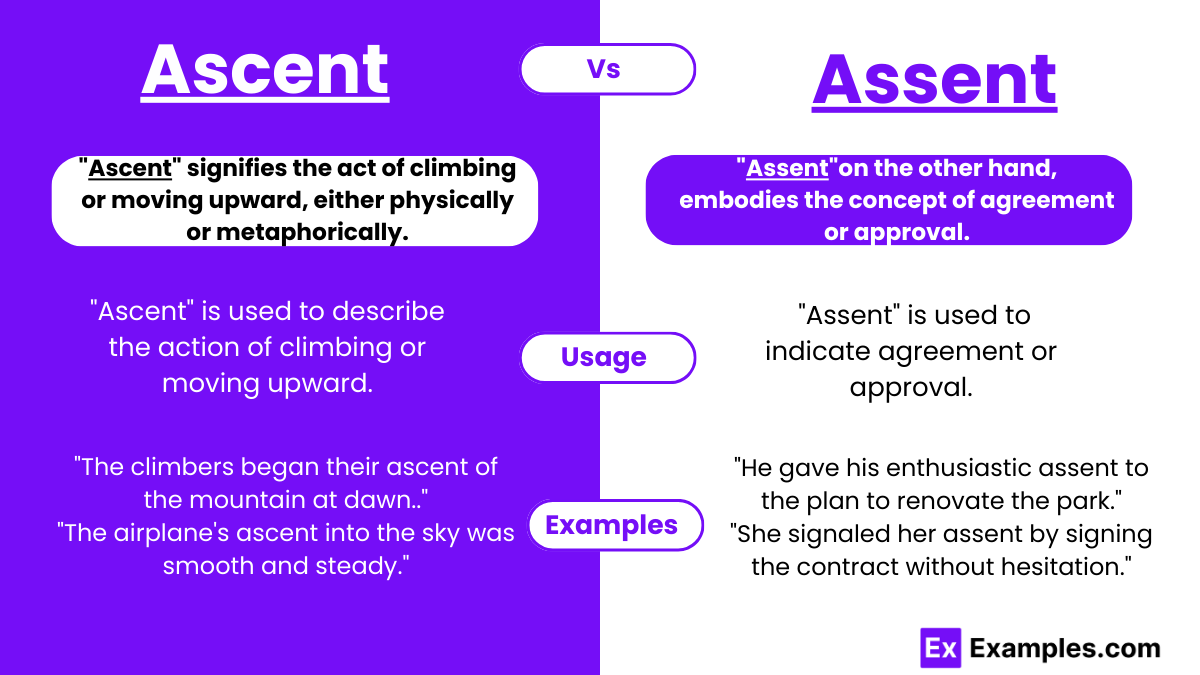
In the final analysis, “assent” is more than just a legal term; it is the currency of trust in the financial world. Whether you are an individual investor or a CFO of a multinational corporation, your ability to provide—and obtain—clear, informed, and documented assent is what protects your capital and your reputation.
As financial transactions become faster and more automated, the principles of assent remain a vital check and balance. It forces parties to pause, review the terms, and consciously decide to move forward. In an era of complex financial engineering and rapid digital shifts, the “meeting of the minds” remains the most important component of any deal. Understanding the depth of what it means to assent is not just about following the law; it is about mastering the art of the secure and successful business transaction.
aViewFromTheCave is a participant in the Amazon Services LLC Associates Program, an affiliate advertising program designed to provide a means for sites to earn advertising fees by advertising and linking to Amazon.com. Amazon, the Amazon logo, AmazonSupply, and the AmazonSupply logo are trademarks of Amazon.com, Inc. or its affiliates. As an Amazon Associate we earn affiliate commissions from qualifying purchases.