
In the modern era of food production, the term “artificial flavor” is often misunderstood as a synonym for “fake” or “unhealthy.” However, from a technology and bioengineering perspective, artificial flavors represent one of the most sophisticated triumphs of organic chemistry and molecular synthesis. Far from being a simple kitchen additive, artificial flavoring is the result of rigorous laboratory processes, advanced software modeling, and cutting-edge biotechnology designed to replicate the complex sensory experiences provided by nature.
To understand what artificial flavor truly means in a 21st-century context, one must look past the ingredient label and into the high-tech laboratories where scientists utilize gas chromatography, mass spectrometry, and artificial intelligence to deconstruct and reconstruct the essence of taste.
The Molecular Engineering of Taste
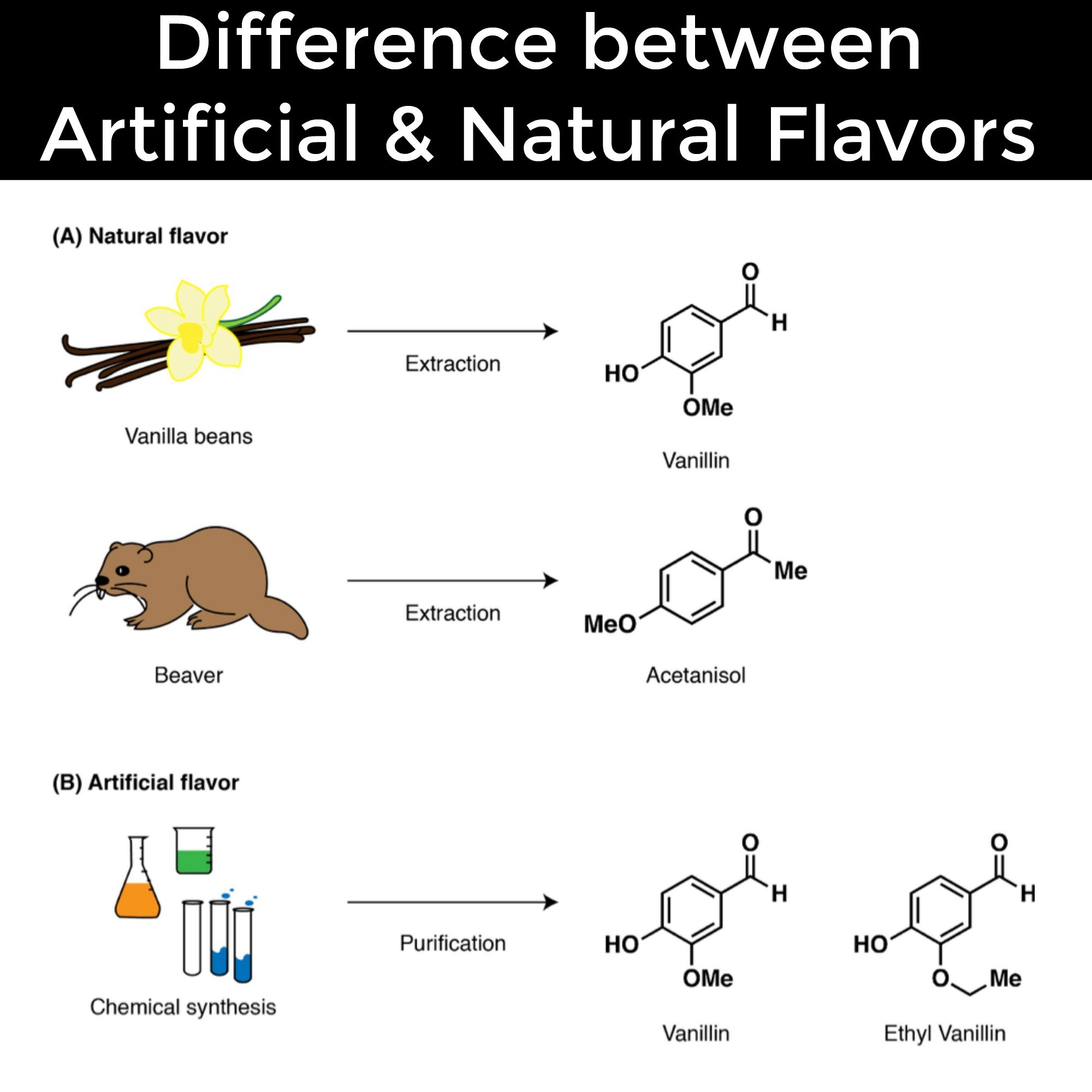
At its core, the creation of an artificial flavor is a feat of chemical engineering. Unlike natural flavors, which are derived from physical sources like fruits, spices, or barks through extraction or distillation, artificial flavors are synthesized in a laboratory. However, the molecular structure of the final product is often identical or near-identical to its natural counterpart. The “tech” in this field lies in the ability to identify which specific molecules out of hundreds are responsible for a particular sensation.
From Gas Chromatography to Mass Spectrometry
The process begins with “flavor profiling,” a high-tech diagnostic phase. When a flavor house wants to recreate a specific taste—say, a rare Madagascar vanilla—they don’t just guess the ingredients. They use Gas Chromatography-Mass Spectrometry (GC-MS). This technology allows scientists to vaporize a sample and separate it into its individual chemical components.
The GC-MS hardware identifies the “character impact compounds”—the specific molecules that tell our brain “this is vanilla.” Once these molecules are isolated and identified, chemical engineers can synthesize them from petroleum derivatives or other chemical precursors. This digital-to-physical translation is the backbone of the flavoring industry, allowing for a level of precision that traditional farming cannot match.
The Software of Scent: Algorithmic Flavor Profiling
Beyond hardware, software plays a pivotal role. Modern flavorists use proprietary databases and algorithmic modeling to predict how different chemical compounds will interact when combined. A single strawberry flavor might require 30 different synthetic esters, acids, and aldehydes.
Advanced software simulates these interactions, predicting the “top notes” (the initial scent), the “heart notes” (the core flavor), and the “base notes” (the lingering aftertaste). By using predictive analytics, tech firms can reduce the time spent in the “wet lab” by simulating millions of flavor combinations digitally before a single vial is opened.
Biotech Breakthroughs: Beyond the Test Tube
The definition of “artificial” is currently undergoing a technological shift. We are moving away from traditional chemical synthesis and toward “white biotechnology” or precision fermentation. This represents a bridge between natural and artificial, where the technology used to create the flavor is as advanced as the software used to code an app.
Precision Fermentation and Cellular Agriculture
One of the most exciting trends in food tech is the use of genetically engineered microorganisms to “grow” flavors. By using CRISPR and other gene-editing tools, scientists can program yeast or bacteria cells with the DNA sequences of a plant. For example, by inserting the DNA responsible for orange oil into a yeast cell, the yeast can be “brewed” in a bioreactor to produce an chemically identical flavor profile.
While regulatory bodies might still classify some of these as “artificial” depending on the processing, the technology is purely a product of modern bio-engineering. This method is far more efficient than traditional agriculture, requiring 90% less land and water, and it provides a consistent chemical output that is free from the seasonal variations of natural crops.
The Role of AI in Predicting Flavor Combinations
Artificial Intelligence is now being integrated into the R&D departments of the world’s largest flavor houses. Companies like IBM have partnered with food giants to create AI systems that can analyze thousands of formulas and raw material datasets.
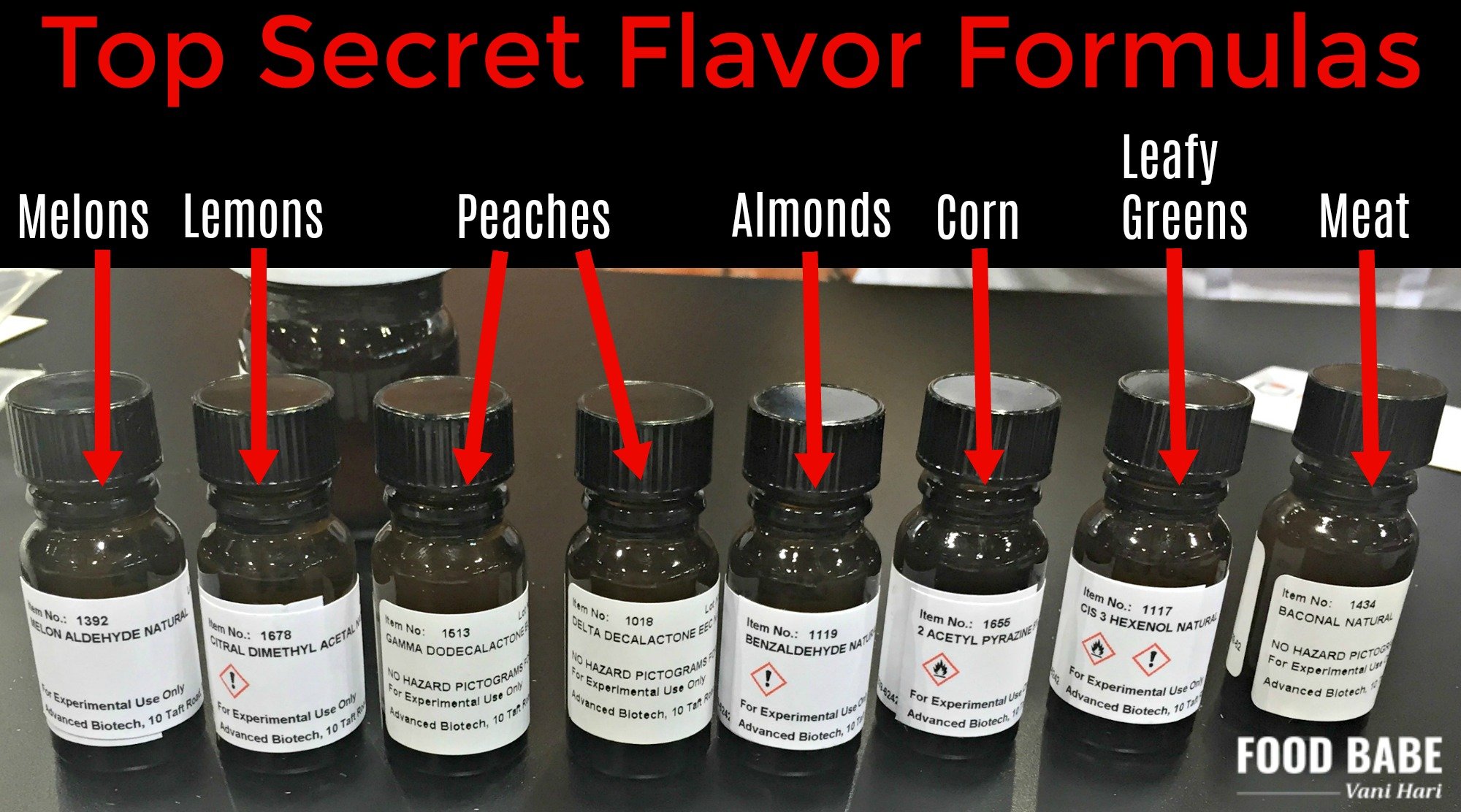
These AI tools can identify “flavor gaps” or suggest entirely new taste profiles that a human chemist might never consider. For instance, an AI might discover that a specific synthetic molecule used in savory snacks actually enhances the perception of sweetness in a low-sugar beverage. This level of computational creativity is transforming artificial flavor from a reactive industry into a proactive, innovative tech sector.
The Digital Transformation of the Flavor Industry
The “meaning” of artificial flavor also encompasses the digital infrastructure required to produce, track, and optimize these compounds at a global scale. In an era of globalized supply chains, the technology used to manage the integrity of synthetic flavors is as vital as the chemistry itself.
IoT and Quality Control in Synthetic Flavoring
In a flavor production facility, the Internet of Things (IoT) is ubiquitous. Sensors monitor temperature, pressure, and humidity at a granular level during the synthesis of flavor compounds. Because many artificial flavors are highly volatile—meaning they can evaporate or change chemical structure easily—real-time data monitoring is essential.
If a batch of synthetic benzaldehyde (almond flavor) deviates by even a fraction of a degree during production, the flavor profile could shift from “sweet cherry” to “harsh chemical.” IoT integration ensures that the digital “fingerprint” of the flavor is maintained from the laboratory prototype to the millionth gallon produced.
Supply Chain Transparency through Blockchain
As consumers demand more transparency about what “artificial” actually means, the industry is turning to blockchain technology. By recording every step of the synthetic process on a decentralized ledger, companies can provide a digital certificate of analysis for their flavors. This tech allows manufacturers to prove the purity of their synthetic molecules, ensuring they are free from unwanted byproducts and that the energy used in their synthesis meets specific environmental standards.
The Future of Synthetic Biology in Global Food Systems
Looking forward, the technology of artificial flavors is moving toward hyper-personalization and sustainability. The goal is no longer just to mimic nature, but to improve upon it using synthetic biology.
Ethical Tech: Reducing the Environmental Footprint
The primary technological driver for artificial flavors today is sustainability. Producing “natural” vanilla requires thousands of acres of orchids and intensive manual labor. Synthesizing vanillin in a lab using green chemistry techniques has a carbon footprint that is a fraction of its natural counterpart.
Technological innovation in this space is focused on “upcycling”—using chemical engineering to turn agricultural waste (like corn cobs or woody biomass) into high-value flavor molecules. This turns the flavor industry into a circular economy, powered by chemical technology.
Personalization and 3D Printed Flavor Profiles
We are approaching an era where artificial flavors can be customized at the point of consumption. Researchers are experimenting with “digital seasoning”—devices that use electrical stimulation or micro-bursts of synthetic flavors to change the taste of food in real-time.
Furthermore, 3D food printing technology relies heavily on artificial flavoring. Since the base “inks” used in 3D printing (often pea protein or algae) are relatively tasteless, highly concentrated synthetic flavor cartridges are used to give the printed food its identity. In this context, artificial flavor is the “software” that gives the “hardware” of food its soul.

Conclusion
When we ask “what does artificial flavor mean,” the answer lies in the intersection of chemistry, biology, and digital technology. It is a term that defines a massive technological ecosystem dedicated to the mastery of the human palate. From the initial scan of a fruit’s molecular structure using mass spectrometry to the AI-driven discovery of new taste sensations, artificial flavoring is a testament to human ingenuity.
As technology continues to evolve, the line between “natural” and “artificial” will likely blur further. Through precision fermentation, IoT-enabled manufacturing, and AI-assisted R&D, artificial flavors are becoming more sustainable, more consistent, and more complex. For the modern consumer and the tech-savvy observer, these flavors are not just additives; they are the programmable interface of the future of food.
aViewFromTheCave is a participant in the Amazon Services LLC Associates Program, an affiliate advertising program designed to provide a means for sites to earn advertising fees by advertising and linking to Amazon.com. Amazon, the Amazon logo, AmazonSupply, and the AmazonSupply logo are trademarks of Amazon.com, Inc. or its affiliates. As an Amazon Associate we earn affiliate commissions from qualifying purchases.