
In the high-stakes world of business and personal finance, the courtroom is often the final arbiter of value, ownership, and liability. While many are familiar with the dramatic “verdict” of a trial court, the real financial resolution often occurs behind the scenes in the appeals court. For entrepreneurs, investors, and corporate leaders, understanding the function of an appeals court is not merely a legal curiosity—it is a vital component of risk management and capital preservation.
An appeals court, or appellate court, does not conduct new trials. Instead, it serves as a critical financial and legal safety net, reviewing the decisions of lower courts to ensure that the law was applied correctly. In the realm of “Money,” the appeals court is where billion-dollar mergers are salvaged, excessive punitive damages are slashed, and the regulatory boundaries of the financial markets are defined.

Understanding the Appeals Process in Commercial Litigation
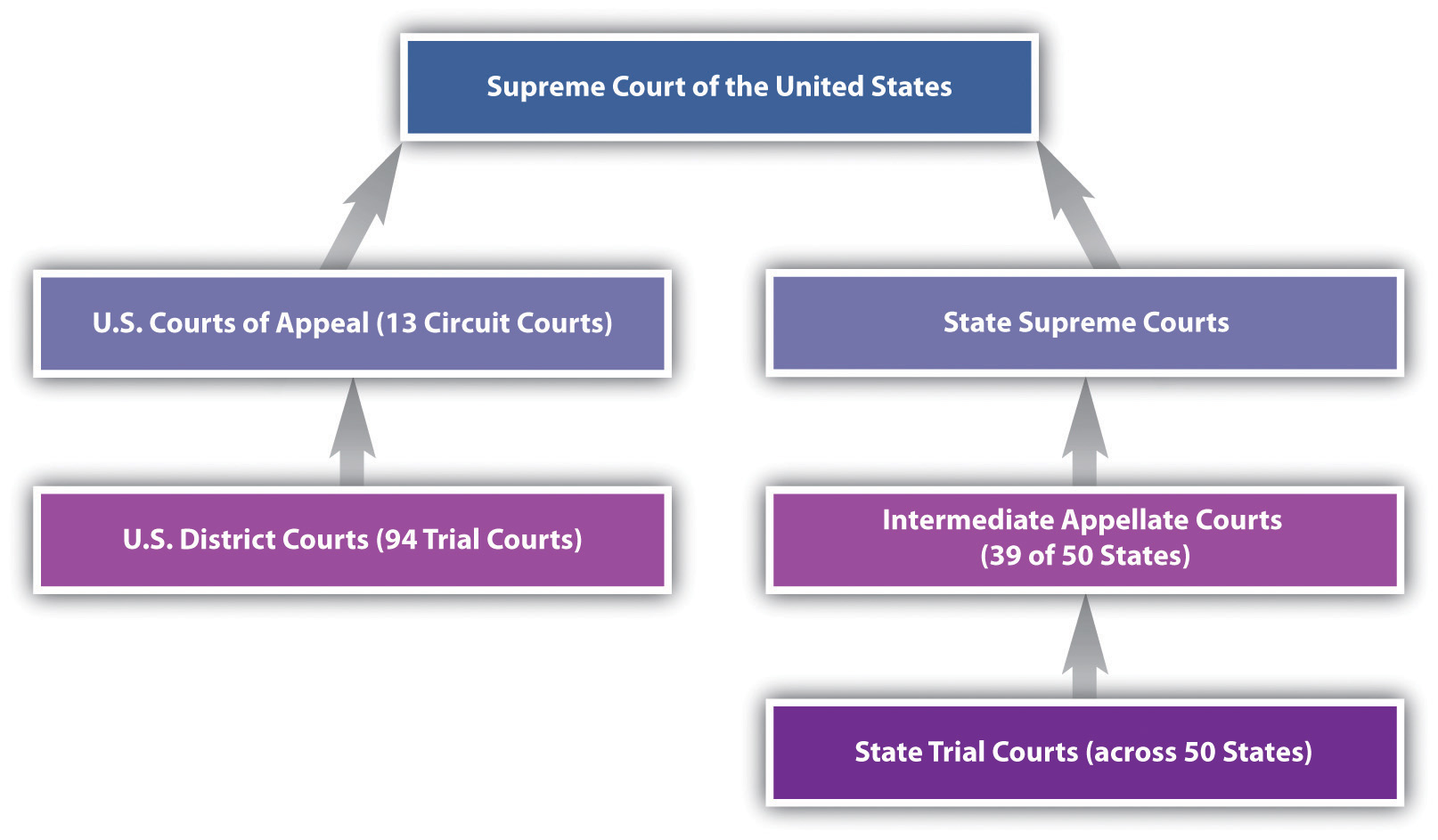
To understand what an appeals court does from a financial perspective, one must first distinguish it from the trial court. In a trial court, the focus is on “finding the facts”—who did what, when they did it, and how much damage was caused. In contrast, the appeals court focuses on the “application of the law.” For a business facing a catastrophic judgment, the appeals process represents the final opportunity to protect its assets from legal errors.
The Difference Between Trial Courts and Appeals Courts
In a trial, witnesses testify, and juries decide on the credibility of evidence. Once a verdict is reached, the “losing” party often faces a significant financial obligation. However, this is not the end of the road. The appeals court does not hear new evidence or listen to witnesses. Instead, a panel of judges reviews the written record of the trial and the “briefs” (written arguments) submitted by attorneys.
From a financial standpoint, this means the appeals court is looking for procedural mistakes or misinterpretations of statutes that could have unfairly influenced the financial outcome. If a judge allowed improper evidence that led a jury to award $50 million in damages, the appeals court has the power to vacate that judgment, saving the defendant from insolvency.
Why Businesses File Appeals: Error Correction and Financial Preservation
Most appeals in the financial sector are driven by “Error Correction.” Law is complex, and even experienced trial judges can make mistakes regarding contract interpretation, tax law, or fiduciary duties. For a corporation, filing an appeal is often a fiduciary responsibility to shareholders. If a lower court misinterprets a contract in a way that creates a permanent liability, the business must seek a reversal to preserve its long-term financial health.
Furthermore, an appeal can act as a strategic pause. While an appeal is pending, the parties may negotiate a settlement for a fraction of the original judgment. The “threat” of an appellate reversal gives the losing party leverage to protect their cash flow and settle the dispute on more favorable terms.
The Financial Impact of Appellate Decisions
The decisions handed down by appeals courts have a ripple effect throughout the economy. They do more than just settle a single dispute; they create “precedents” that dictate how future financial transactions must be structured. For anyone involved in investing or business finance, these rulings are as important as interest rate hikes or market trends.
Reversing Excessive Damages and Monetary Penalties
One of the most significant functions of an appeals court is the review of “punitive damages.” In many civil cases, juries award astronomical sums to punish a company for perceived wrongdoing. While these numbers make headlines, they are frequently reduced or overturned on appeal.
Appeals courts apply constitutional standards to ensure that financial penalties are not “grossly excessive.” For a CFO or a business owner, the appellate court represents a barrier against “windfall” judgments that do not align with actual financial losses. By capping or reversing these awards, the appellate system maintains a level of predictability in the business environment, ensuring that a single lawsuit does not result in the arbitrary destruction of a viable company.
Protecting Intellectual Property as a Financial Asset
In the modern economy, intangible assets—patents, trademarks, and trade secrets—often hold more value than physical real estate. When a company sues for patent infringement, the financial stakes are massive. The appeals court (specifically the Federal Circuit in the U.S. for patent cases) plays a definitive role in determining the value of these assets.
An appellate ruling that upholds a patent can secure a company’s market monopoly and ensure decades of revenue. Conversely, a ruling that invalidates a patent can instantly erase millions from a company’s valuation. Investors closely watch these appellate decisions because they directly impact the “moat” around a business and its ability to generate future cash flow.
How Investors and Shareholders Monitor Appellate Courts
Smart money doesn’t just watch the stock ticker; it watches the court docket. Because legal rulings can shift the financial landscape overnight, institutional investors and hedge funds often employ legal analysts to track cases moving through the appellate system.
Market Volatility and Legal Precedents
When an appeals court issues a ruling on a major regulatory issue—such as the SEC’s authority over digital assets or the legality of a specific tax loophole—the market reacts instantly. For example, if an appeals court rules against a federal agency’s oversight of a specific financial instrument, it can open the door for a new wave of investment products, driving up the stock prices of firms in that sector.
Conversely, an unfavorable appellate ruling in a class-action lawsuit can lead to a “sell-off.” Shareholders monitor these cases because a “final” judgment from an appeals court represents a permanent liability that must be recorded on the company’s balance sheet. Until the appeal is decided, the financial risk is a “contingent liability,” but once the appeals court speaks, the financial reality becomes concrete.
Assessing Risk in High-Stakes Financial Litigation
Risk assessment is a cornerstone of personal and corporate finance. When a company is involved in major litigation, the “litigation risk” must be factored into its valuation. Analysts look at the composition of the appellate panel—some judges are known for being “pro-business” while others may be more “pro-consumer”—to predict the likelihood of a reversal.
By understanding what an appeals court does, investors can make more informed decisions about whether to hold, sell, or buy a stock. A trial loss might look bad in the news, but a seasoned investor who understands the legal errors made during that trial might see a “buying opportunity,” betting on an eventual reversal in the court of appeals.
Practical Strategies for Managing the Costs of an Appeal
While the appeals court offers a path to financial redemption, the process itself is an expensive endeavor. Managing the costs associated with an appeal is a specialized area of business finance that requires careful planning and a clear understanding of the “Burn Rate” of legal fees.
The Cost-Benefit Analysis of Continued Litigation
An appeal is not free. It requires hiring specialized appellate attorneys, who often charge premium rates due to their expertise in complex legal writing. Additionally, the appellant (the party filing the appeal) must often post a “supersedeas bond.” This is a financial guarantee that ensures the judgment can be paid if the appeal fails.
Businesses must perform a rigorous cost-benefit analysis before proceeding. They must weigh the probability of success against the ongoing legal fees and the “opportunity cost” of the capital tied up in a bond. If the cost of the appeal exceeds the potential savings from a reversal, it may make more financial sense to settle or pay the judgment immediately.
Litigation Funding: A Growing Niche in Business Finance
Because appeals are both expensive and potentially lucrative, a new financial sector has emerged: third-party litigation funding. In this model, investment firms provide the capital to cover the costs of an appeal in exchange for a percentage of the final recovery.
This has turned legal claims into a new “asset class.” For a smaller business that has won a large judgment but cannot afford the legal fees to defend it in the appeals court, litigation funding provides the necessary liquidity. This intersection of law and finance highlights how the functions of the appeals court have become integrated into the broader financial ecosystem.

Conclusion: The Final Arbiter of Value
What does an appeals court do? In the context of money and business, it acts as the ultimate filter for financial justice. It ensures that the massive transfers of wealth dictated by the legal system are based on a correct interpretation of the law, rather than the emotions of a jury or the errors of a single trial judge.
For the business owner, the investor, and the financial professional, the appeals court is a vital institution that maintains market stability and protects property rights. Whether it is by reducing an unfair fine, validating a billion-dollar patent, or providing a final check on regulatory overreach, the appellate system is where the most significant financial battles are truly won or lost. Understanding its power is essential for anyone looking to navigate the complex intersection of law and finance in the modern world.
aViewFromTheCave is a participant in the Amazon Services LLC Associates Program, an affiliate advertising program designed to provide a means for sites to earn advertising fees by advertising and linking to Amazon.com. Amazon, the Amazon logo, AmazonSupply, and the AmazonSupply logo are trademarks of Amazon.com, Inc. or its affiliates. As an Amazon Associate we earn affiliate commissions from qualifying purchases.