
In an increasingly digitized world, the term “app” has seamlessly integrated into our daily lexicon, becoming synonymous with convenience, accessibility, and specialized functionality. From managing our finances to connecting with friends, applications are the digital threads weaving through the fabric of modern life. Yet, when this ubiquitous abbreviation enters the highly specialized and regulated realm of healthcare, its meaning and implications expand dramatically. In medical technology, “app” is not just shorthand for “application”; it represents a powerful class of software tools designed to revolutionize diagnostics, treatment, patient management, and medical education. Understanding its significance requires delving into the technological underpinnings, diverse functionalities, and stringent regulatory frameworks that govern its use in medicine.
Deconstructing “App”: More Than Just an Abbreviation
At its core, “app” is simply an abbreviation for “application software.” However, its journey from a generic computing term to a specialized medical tool reflects decades of technological evolution and a growing demand for digital solutions in healthcare.
The Fundamental Definition: Application Software
An application software, or application, is a program or group of programs designed for end-users to perform a specific task or set of tasks. Unlike system software, which manages computer hardware and software resources (like an operating system), application software directly assists the user in achieving a desired outcome. For example, a word processor helps with writing, a web browser with internet access, and a medical app with health-related functions. In the medical context, these tasks range from managing patient records to assisting in complex surgical procedures.
Evolution from Desktop to Mobile and Beyond
The concept of application software is not new; it dates back to the earliest computers. Initially, applications were complex programs run on large mainframe computers, then migrated to personal computers in the form of desktop software suites. The real explosion of “apps” as we know them today began with the advent of smartphones and tablets. The term “mobile app” became popular, signifying smaller, purpose-built programs downloaded and installed on these portable devices.
Today, the landscape is even broader. We have web apps (accessed via a browser), cloud apps (running on remote servers), and even apps embedded in wearable devices and medical equipment. This continuous evolution has made technology more pervasive and accessible, setting the stage for its deep integration into healthcare.
The “Medical” Context: A Realm of Specialized Functionality
When “app” meets “medical,” it signifies a commitment to precision, reliability, and security unmatched in many other sectors. Medical apps are not merely convenient; they are often critical tools that impact patient health outcomes. This demands robust design, rigorous testing, and strict adherence to regulatory standards. The “medical” context elevates the app from a general utility to a potentially life-saving or life-improving instrument, necessitating specialized development, validation, and oversight.
The Multifaceted Landscape of Medical Applications (Medical Apps)
The scope of medical apps is vast and continually expanding, catering to a diverse array of needs for both healthcare professionals and patients. These applications are transforming how healthcare is delivered, managed, and experienced.
Clinical Support Apps
These applications are designed to assist healthcare professionals directly in their clinical duties, enhancing efficiency, accuracy, and decision-making.
-
Diagnostic Aids: Apps that help clinicians interpret symptoms, access differential diagnoses, or utilize AI for image analysis (e.g., detecting anomalies in X-rays or MRIs).
-
Drug Reference and Dosage Calculators: Essential tools providing up-to-date information on medications, dosages, interactions, and contraindications, reducing medication errors.
-
Electronic Health Record (EHR) and Electronic Medical Record (EMR) Access: Secure mobile access to patient histories, lab results, and treatment plans, enabling clinicians to make informed decisions on the go.
-
Telemedicine Platforms: Apps that facilitate virtual consultations, remote monitoring, and secure communication between doctors and patients, expanding access to care.
-
Surgical Planning and Imaging Interpretation: Advanced applications that help surgeons visualize procedures, plan interventions, and interpret complex medical imaging with greater precision.
Patient Engagement and Management Apps
A growing category focused on empowering patients to take a more active role in managing their health and interacting with healthcare providers.
-
Health Trackers: Apps that monitor fitness, nutrition, sleep patterns, and vital signs, often connecting with wearable devices to provide a holistic view of health.
-
Chronic Disease Management: Specialized apps for conditions like diabetes (glucose monitoring, insulin tracking), hypertension (blood pressure logs), or asthma (inhaler usage), providing personalized insights and alerts.
-
Appointment Scheduling and Reminders: Streamlining the patient experience by allowing easy booking, rescheduling, and sending automated reminders for appointments and follow-ups.
-
Medication Adherence Reminders: Apps that help patients remember to take their medications on time, improving treatment effectiveness and reducing hospital readmissions.
-
Mental Health Support Apps: Providing access to therapy, mindfulness exercises, mood tracking, and self-help resources, often utilizing AI-driven conversational agents.
-
Patient Education and Information Portals: Offering reliable medical information, educational content about specific conditions, and resources for healthy living.
Research and Administrative Apps
Beyond direct patient care, medical apps also play a crucial role in the operational and advancement aspects of healthcare.
-
Clinical Trial Management: Applications designed to streamline recruitment, data collection, and management for clinical research studies, accelerating medical discoveries.
-
Data Collection and Analysis: Tools for researchers to gather, organize, and analyze large datasets, leading to new insights into diseases and treatments.
-
Medical Billing and Coding: Apps that help healthcare facilities manage complex billing processes, ensure compliance with coding standards, and optimize revenue cycles.
-
Hospital Resource Management: Software for managing staff rotas, equipment inventory, bed allocation, and other operational aspects of healthcare facilities, improving efficiency.
-
Training and Educational Tools: Interactive apps for medical students and professionals to learn anatomy, practice procedures, or stay updated on the latest medical guidelines and techniques.
The Technological Underpinnings and Regulatory Framework
The robust functionality and critical importance of medical apps are supported by advanced technologies and governed by strict regulatory oversight, ensuring safety, efficacy, and data integrity.
Key Technologies Driving Medical Apps
The capabilities of modern medical apps are a testament to breakthroughs in various technological domains:
-
Cloud Computing: Provides scalable infrastructure for data storage, processing, and application hosting, enabling widespread access and collaboration while ensuring data redundancy and security.
-
Artificial Intelligence (AI) and Machine Learning (ML): Powers advanced diagnostics, predictive analytics (e.g., identifying patients at risk of specific conditions), drug discovery, and personalized treatment recommendations.
-
Internet of Medical Things (IoMT): Connects medical devices, sensors, and wearables to share data seamlessly, enabling real-time monitoring and remote patient management.
-
Big Data Analytics: The ability to process and derive insights from massive volumes of health data, informing public health strategies, research, and individual patient care.
-
Cybersecurity Technologies: Encryption, multi-factor authentication, intrusion detection systems, and secure network architectures are paramount to protect sensitive patient information.
The Critical Role of Cybersecurity and Data Privacy
Patient data is among the most sensitive information available, making cybersecurity a non-negotiable aspect of medical app development. Breaches can lead to severe consequences, including identity theft, financial fraud, and compromise of patient safety. Medical apps must adhere to stringent data privacy regulations like the Health Insurance Portability and Accountability Act (HIPAA) in the US, the General Data Protection Regulation (GDPR) in Europe, and other national health data laws. This involves secure data storage, encryption of data in transit and at rest, robust access controls, regular security audits, and privacy-by-design principles in development.
Regulatory Oversight and Compliance (FDA, CE Mark)
Unlike general consumer apps, many medical apps are classified as Medical Device Software (MDSW) and are subject to rigorous regulatory scrutiny. This ensures they are safe, effective, and perform as intended.
-
Food and Drug Administration (FDA) in the US: The FDA regulates medical devices, including software that functions as a medical device. Apps that perform diagnostic functions, provide treatment recommendations, or control medical hardware may require FDA clearance or approval.
-
CE Mark in Europe: Products sold in the European Economic Area must comply with the Medical Device Regulation (MDR) and often require a CE mark, indicating conformity with health, safety, and environmental protection standards.
-
Other Global Regulations: Similar regulatory bodies exist worldwide, each with specific requirements for medical software. Compliance often involves extensive documentation, clinical validation, risk management assessments, and post-market surveillance.
Benefits and Challenges of Medical Apps
The proliferation of medical apps brings a host of benefits, promising a healthier, more efficient future for healthcare. However, their integration is not without significant challenges that must be addressed.
Transformative Benefits for Healthcare
Medical apps are poised to fundamentally reshape healthcare delivery:
-
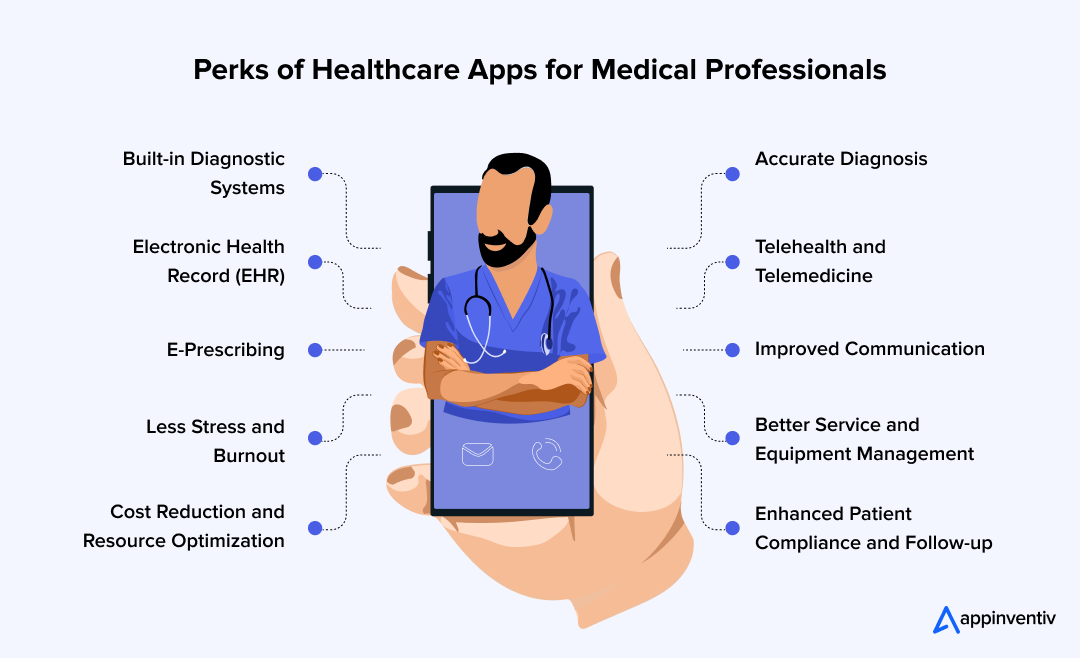
Improved Patient Outcomes: Early disease detection, better adherence to treatment plans, and continuous monitoring can lead to more effective interventions and improved health.
-
Increased Efficiency for Healthcare Providers: Streamlined workflows, immediate access to patient data, and automated administrative tasks free up clinicians to focus more on patient care.
-
Enhanced Patient Access and Engagement: Telemedicine breaks down geographical barriers, while patient engagement apps empower individuals with knowledge and tools to manage their health proactively.
-
Potential for Cost Reduction: By preventing hospitalizations, optimizing resource allocation, and promoting preventive care, medical apps can contribute to a more cost-effective healthcare system.
-
Personalized Medicine: AI and data analytics can tailor treatments to individual patient profiles, moving towards a more precise and effective approach to healthcare.
Significant Challenges and Considerations
Despite the immense potential, several hurdles need to be overcome:
-
Data Security and Privacy Risks: The constant threat of cyberattacks and the need to protect highly sensitive patient information remain paramount concerns.
-
Regulatory Hurdles and Slow Adoption: The stringent regulatory processes, while necessary, can slow down the development and market entry of innovative apps, hindering rapid adoption by healthcare systems.
-
Interoperability with Existing Systems: Integrating new apps with legacy EHRs and diverse IT infrastructures in healthcare settings is often complex and resource-intensive.
-
Digital Divide and Accessibility Issues: Not everyone has access to smartphones, reliable internet, or the digital literacy required to use medical apps effectively, potentially exacerbating health inequalities.
-
Ensuring Accuracy and Clinical Validity: With a multitude of apps available, distinguishing clinically validated tools from unreliable ones is crucial. Misinformation or erroneous advice can be harmful.
-
User Adoption and Training: Both patients and healthcare professionals require adequate training and support to effectively incorporate new apps into their routines.
The Future of Medical Apps
The trajectory of medical apps points towards greater integration, intelligence, and personalized care, moving beyond standalone tools to become integral components of a holistic health ecosystem.
Integration and Ecosystems
The future will see a shift from isolated applications to interconnected ecosystems. Medical apps will seamlessly integrate with Electronic Health Records (EHRs), wearable devices, hospital systems, and other health platforms, creating a unified view of patient data and enabling more coordinated care. This interoperability will be crucial for maximizing their impact.
Predictive and Personalized Healthcare
Leveraging advanced AI and machine learning, future medical apps will become even more predictive, identifying health risks before they manifest and offering hyper-personalized interventions. From genetic predispositions to real-time physiological data, apps will empower precision medicine on an unprecedented scale.
Augmented Reality (AR) and Virtual Reality (VR) in Medicine
AR and VR are emerging technologies set to revolutionize medical training, surgical planning, and even therapeutic interventions. Apps utilizing these technologies will allow surgeons to “see through” patients during operations, provide immersive rehabilitation experiences, or deliver realistic training simulations for medical students.
Global Health Impact
Medical apps have the potential to democratize healthcare, reaching underserved populations in remote areas through mobile clinics and telehealth initiatives. They can play a pivotal role in managing public health crises, disseminating critical health information, and facilitating disease surveillance on a global scale.
Conclusion
In medical technology, “app” stands for much more than a simple computer program. It represents an intricate piece of specialized software, meticulously designed, rigorously tested, and often heavily regulated, to address critical needs in healthcare. From supporting complex clinical decisions to empowering patients in managing their health, medical apps are at the forefront of a technological revolution in medicine. While challenges related to data security, interoperability, and regulation persist, the transformative benefits—including improved patient outcomes, enhanced efficiency, and greater access to care—underscore their profound and enduring impact. As technology continues to evolve, medical apps will undoubtedly play an increasingly central role in shaping a healthier, more connected future for us all, bridging the gap between cutting-edge innovation and the fundamental human need for well-being.
aViewFromTheCave is a participant in the Amazon Services LLC Associates Program, an affiliate advertising program designed to provide a means for sites to earn advertising fees by advertising and linking to Amazon.com. Amazon, the Amazon logo, AmazonSupply, and the AmazonSupply logo are trademarks of Amazon.com, Inc. or its affiliates. As an Amazon Associate we earn affiliate commissions from qualifying purchases.