
Antiperspirants, ubiquitous in our daily hygiene routines, are often perceived solely through the lens of their functional output: preventing sweat. Yet, to truly understand “what antiperspirant does,” one must look beyond the chemical compounds and into the intricate world of brand strategy, consumer perception, and market dynamics. In the highly competitive personal care industry, an antiperspirant’s function is not merely a biological response; it is the cornerstone of its brand identity, its value proposition, and its ability to forge lasting connections with consumers. This article explores the multifaceted role of antiperspirant, positioning its core function as the central pillar around which powerful brands are built, marketed, and sustained.

The Core Promise: Beyond Sweat Reduction to Personal Brand Enhancement
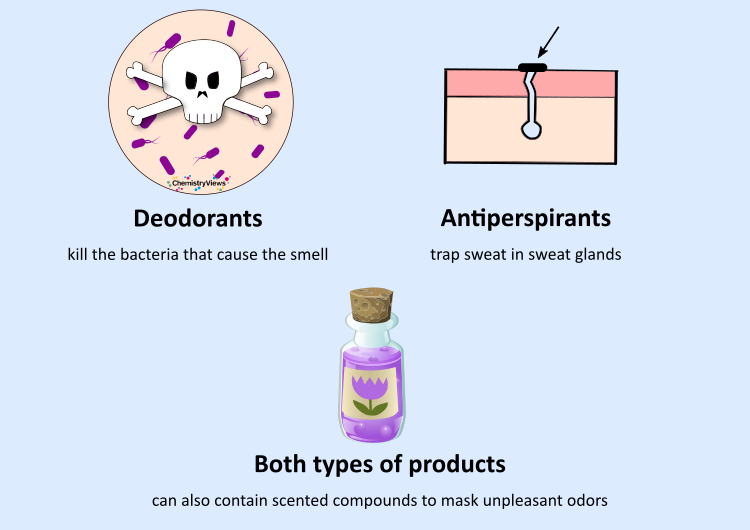
At its most fundamental level, an antiperspirant does one primary thing: it reduces or stops perspiration. This is achieved through active ingredients, typically aluminum-based compounds, which temporarily block sweat ducts. However, from a branding perspective, this functional output is merely the starting point. What antiperspirant truly does is offer a promise – a promise of control, confidence, and social comfort. This promise transcends the physical act of sweating, tapping into deeper psychological and social needs, thereby becoming a critical tool for personal brand enhancement.
The Science of Confidence: How Active Ingredients Translate to Perceived Value
The efficacy of an antiperspirant’s active ingredients is the bedrock upon which its perceived value is built. Brands invest heavily in research and development to formulate products that deliver superior dryness and odor protection, understanding that these scientific achievements directly translate into consumer trust and loyalty. A product that reliably performs its primary function empowers individuals to feel more secure in social and professional settings. This sense of security—freedom from visible sweat stains or body odor—is a powerful psychological benefit that brands actively cultivate. They don’t just sell a chemical compound; they sell the feeling of being unburdened, allowing individuals to project an image of composure and competence. This transformation of functional science into emotional confidence is a masterclass in brand storytelling, where the product’s direct action on the body underpins a broader narrative of self-assurance.
Solving a Universal Pain Point: The Foundation of Brand Loyalty
Sweating is a universal human experience, but excessive or noticeable perspiration can be a source of anxiety, embarrassment, and self-consciousness. Antiperspirant steps in as a tangible solution to this widespread “pain point.” By effectively mitigating sweat, it alleviates a significant source of social discomfort, making it an indispensable item for many. Brands that consistently deliver on this promise build deep loyalty. Consumers don’t just buy an antiperspirant; they buy a reliable solution to a persistent problem, integrating it into their daily routines as a non-negotiable personal care item. This consistent problem-solving capability forms the strongest foundation for brand affinity, where the product’s function directly contributes to improving daily life and, by extension, enhances an individual’s personal brand in social interactions.
Crafting the Narrative: Marketing Antiperspirant’s Functional Benefits
Once the core function of sweat prevention is established, the next crucial step for any antiperspirant brand is to craft a compelling narrative around these benefits. Marketing and communication strategies play a pivotal role in shaping consumer perception, translating the scientific efficacy into aspirational lifestyle choices and emotional advantages. What antiperspirant does in the marketplace is largely determined by how its brands communicate its value proposition.
Messaging Strategies: From Dryness Claims to Lifestyle Aspirations
Antiperspirant brands employ a spectrum of messaging strategies, evolving from straightforward dryness claims to more sophisticated appeals to lifestyle aspirations. Early marketing often focused on direct benefits: “24-hour protection,” “clinical strength,” or “no sweat marks.” While these functional claims remain important, modern branding has moved towards associating antiperspirant use with broader life goals. Brands often depict individuals confidently navigating demanding professional environments, enjoying vibrant social gatherings, or excelling in athletic pursuits – all made possible by the underlying protection of their product. This shift positions antiperspirant not just as a preventive measure, but as an enabler of success, freedom, and an active, uninhibited lifestyle. The product does reduce sweat, but the brand does empower a better life. This strategic pivot ensures that the antiperspirant’s function is contextualized within the consumer’s personal narrative, making it relevant to their overall sense of well-being and achievement.
Visual Identity and Packaging: Communicating Efficacy and Brand Personality
The visual identity and packaging of an antiperspirant are critical extensions of its brand narrative, communicating both efficacy and personality at a glance. What antiperspirant does visually is immediately convey its promise. Sleek, minimalist designs often suggest scientific precision and advanced technology, aligning with “clinical strength” or “invisible solid” claims. Vibrant colors and dynamic graphics might appeal to a younger demographic, emphasizing freshness, energy, and adventure. Ergonomic designs and innovative applicators (roll-ons, sprays, sticks) not only enhance user experience but also reinforce a brand’s commitment to convenience and sophistication. The choice of fonts, imagery, and material all contribute to the brand’s corporate identity and its promise. For example, a brand touting “natural” ingredients might use earthy tones and rustic textures, while a “sport” antiperspirant might opt for bold, metallic finishes. These visual cues are not superficial; they are integral to how consumers perceive the product’s functional benefits and align it with their personal branding choices.
Differentiating in a Saturated Market: The Role of Unique Selling Propositions
The antiperspirant market is highly saturated, with numerous players offering fundamentally similar core functions. For a brand to thrive, understanding what antiperspirant can do differently becomes paramount. Differentiation, through unique selling propositions (USPs), is crucial for cutting through the noise and capturing specific segments of the consumer base.
Innovation as a Brand Pillar: Scent, Formula, and Application Advancements
Innovation extends beyond merely enhancing sweat reduction; it encompasses a broader range of attributes that can distinguish a brand. Scent profiles are a significant differentiator, with brands developing complex fragrances that evoke specific moods, appeal to gender preferences, or align with broader fragrance trends. Formula advancements, such as “invisible” applications that prevent white marks on clothing, hypoallergenic options for sensitive skin, or formulations enriched with skincare benefits (e.g., moisturizers), add layers of value beyond basic sweat control. Furthermore, developments in application mechanisms, from ultra-fine sprays to quick-drying gels, contribute to a superior user experience. For brands, what antiperspirant does through these innovations is demonstrate a commitment to consumer needs and desires, signaling a forward-thinking corporate identity that justifies premium pricing and fosters niche market loyalty. These innovations allow brands to claim specific territories within the market, whether it’s “best for sensitive skin,” “longest lasting scent,” or “most advanced protection.”
Target Audience Segmentation: Tailoring Brands for Specific Needs
Effective brand strategy in the antiperspirant market involves meticulous target audience segmentation. What antiperspirant does for one demographic might be vastly different from another. Brands meticulously tailor their products, messaging, and distribution channels to resonate with specific groups: men, women, teenagers, athletes, individuals with clinical hyperhidrosis, or those seeking natural alternatives. This segmentation allows for the creation of distinct brand personalities. A brand for active men might emphasize robust protection and invigorating scents, while a brand for women might focus on delicate fragrances, skin-friendly formulas, and elegant packaging. By understanding the unique concerns and aspirations of each segment, brands can position their antiperspirants as tailored solutions, building a strong personal connection and fostering a sense of belonging among their target consumers. This strategic focus ensures that the functional benefits are framed in a way that is most relevant and appealing to the intended user, deepening brand relevance and market penetration.
Building Trust and Authority: The Long-Term Brand Relationship
Beyond immediate purchase, the enduring success of an antiperspirant brand hinges on its ability to build trust and establish authority in the eyes of the consumer. What antiperspirant does over time is cement its reputation as a reliable and credible solution, transforming repeat purchases into genuine brand advocacy.
Endorsements and Testimonials: Social Proof in the Personal Care Space
In the personal care sector, social proof is a potent brand-building tool. Endorsements from dermatologists, athletes, or social media influencers lend credibility and reassurance, especially given the intimate nature of the product. Testimonials from satisfied customers, shared through reviews or user-generated content, demonstrate real-world efficacy and foster a sense of community around the brand. What antiperspirant does through these endorsements is validate its claims through trusted voices, reducing perceived risk for new consumers and reinforcing the choices of existing ones. This strategy builds authority, assuring consumers that the product’s functional benefits are not merely marketing rhetoric but are genuinely experienced and vouched for by others. This trust translates directly into sustained brand relevance and market share.
Addressing Consumer Concerns: Transparency and Education as Brand Values
The ingredients and mechanisms of antiperspirants have, at times, been subjects of public scrutiny and concern. Responsible brands acknowledge and proactively address these concerns through transparency and education. This might involve clearly explaining the safety of aluminum compounds, detailing ingredient sourcing, or providing information on proper usage. Brands that embrace this open communication build a strong foundation of trust, demonstrating a commitment to consumer well-being beyond just product sales. What antiperspirant does in this context is reinforce a brand’s corporate identity as ethical and consumer-centric. By being forthright and educational, brands transform potential skepticism into informed confidence, strengthening the long-term relationship with their customer base and reinforcing their position as a trusted authority in personal care.
The Future of Antiperspirant Brands: Sustainability, Customization, and E-commerce
The landscape for antiperspirant brands is continually evolving, driven by shifting consumer values and technological advancements. What antiperspirant will do in the future is likely to be shaped by mega-trends such as environmental consciousness, personalization, and the dominance of digital commerce, offering new avenues for brand differentiation and consumer engagement.
Eco-Conscious Branding: Meeting the Modern Consumer’s Values
A growing segment of consumers prioritizes sustainability and ethical sourcing. Future antiperspirant brands are increasingly responding by innovating with eco-friendly packaging (e.g., refillable systems, recyclable materials), plant-based or “clean” ingredient formulations, and transparent supply chains. What antiperspirant does when it embraces eco-consciousness is align its brand with contemporary social values, appealing to consumers who seek products that reflect their commitment to environmental stewardship. This pivot is not just about product function but about corporate responsibility, allowing brands to build a powerful identity rooted in sustainability and attract a loyal demographic of environmentally aware consumers. This trend signifies a shift from purely personal benefits to a broader ethical impact, expanding the brand’s narrative beyond the individual to global well-being.

Personalized Solutions: The Next Frontier in Brand Experience
The rise of data analytics and advanced manufacturing opens the door for hyper-personalization in personal care. What antiperspirant could do in the future is offer customized solutions based on individual skin type, activity levels, climate, or even scent preferences, delivered directly to the consumer. Imagine an antiperspirant formulated specifically for your unique needs, adjusting its active ingredient concentration or fragrance profile based on real-time data or user input. Brands venturing into this space will leverage technology to create a highly individualized consumer experience, deepening personal branding alignment. This level of customization would transform antiperspirant from a mass-market commodity into a bespoke personal care item, creating unparalleled brand loyalty and a premium market segment based on truly unique functional delivery.
In conclusion, “what antiperspirant does” is far more complex than its immediate function of sweat reduction. From a branding perspective, it empowers confidence, solves universal problems, and offers a canvas for innovation and differentiation. Antiperspirant brands meticulously craft narratives, design compelling visuals, segment audiences, and build trust to connect with consumers on an emotional level. As the industry evolves, the most successful brands will continue to adapt their understanding of the antiperspirant’s core function, integrating sustainability, personalization, and digital engagement to remain relevant and indispensable in the ever-changing landscape of personal care.
aViewFromTheCave is a participant in the Amazon Services LLC Associates Program, an affiliate advertising program designed to provide a means for sites to earn advertising fees by advertising and linking to Amazon.com. Amazon, the Amazon logo, AmazonSupply, and the AmazonSupply logo are trademarks of Amazon.com, Inc. or its affiliates. As an Amazon Associate we earn affiliate commissions from qualifying purchases.