
In the intricate world of automotive engineering, few components are as critical yet often overlooked as the cooling system. At its heart lies a vital fluid: antifreeze. Far more than just a colorful liquid poured into your car’s reservoir, antifreeze plays an indispensable role in protecting your engine from the extreme temperatures it encounters on a daily basis. But what exactly does this seemingly simple substance achieve, and why is it so crucial for your vehicle’s longevity and performance? This article delves deep into the multifaceted functions of antifreeze, exploring its chemical composition, its vital roles in both hot and cold conditions, and the implications of neglecting this essential automotive fluid.

The Science Behind the Solution: Understanding Antifreeze Composition
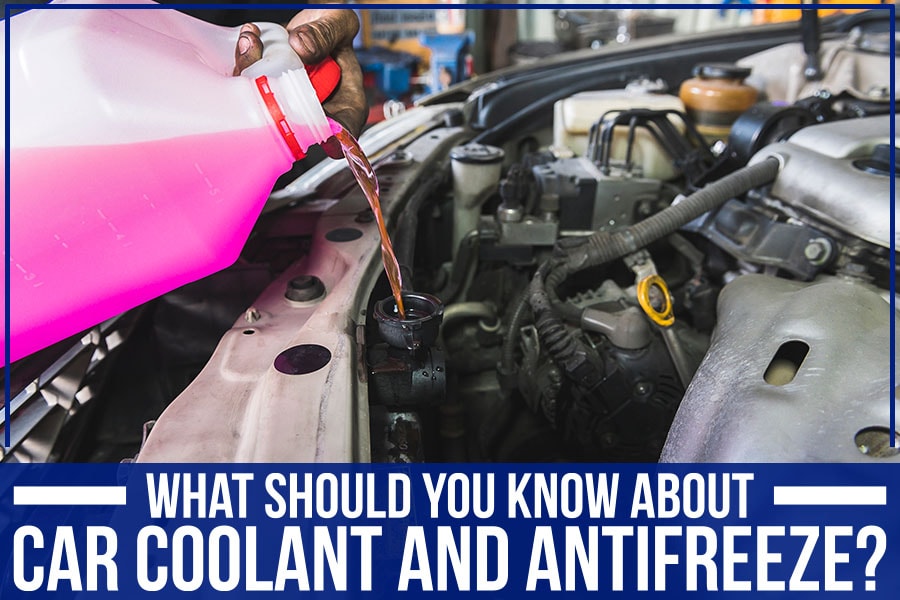
To truly grasp what antifreeze does, we must first understand what it is. Antifreeze, more accurately referred to as engine coolant, is a specially formulated mixture designed to manage the temperature of your car’s internal combustion engine. While you might purchase it in various colors – green, orange, pink, blue – the active ingredients are typically based on two primary chemicals: ethylene glycol or propylene glycol.
Ethylene Glycol: The Traditional Workhorse
Ethylene glycol is the most common and historically prevalent component in antifreeze. It’s a clear, viscous liquid with a sweet taste, which unfortunately makes it attractive to animals, necessitating careful handling and storage. The primary benefit of ethylene glycol lies in its ability to significantly lower the freezing point and raise the boiling point of water. Pure water freezes at 32°F (0°C) and boils at 212°F (100°C) at sea level. When mixed with ethylene glycol in the correct proportions (typically a 50/50 ratio with distilled water), the freezing point can be lowered to as low as -34°F (-37°C), and the boiling point can be elevated to around 223°F (106°C). This dramatic shift in thermal properties is the foundation of antifreeze’s protective capabilities.
Propylene Glycol: The Safer Alternative
Propylene glycol is a less toxic alternative to ethylene glycol, making it a preferred choice for some manufacturers and environmentally conscious consumers. While it offers similar freezing point depression and boiling point elevation characteristics, its primary advantage is its significantly lower toxicity. This is particularly important in preventing accidental ingestion by pets or wildlife. However, propylene glycol can sometimes be slightly less effective at heat transfer compared to ethylene glycol, though modern formulations have largely closed this gap.
The Importance of Additives: More Than Just Freezing and Boiling Point
Beyond the base glycols, antifreeze formulations contain a sophisticated blend of additives. These chemical agents are crucial for their secondary, yet equally vital, functions:
-
Corrosion Inhibitors: The engine’s cooling system is a complex network of metal components, including the radiator, water pump, engine block, and heater core. Water, when circulated through these metals, can lead to rust and corrosion. Antifreeze contains specialized corrosion inhibitors that form a protective layer on these metal surfaces, preventing degradation and extending the life of these critical parts. Different types of inhibitors exist, such as silicates, phosphates, and organic acids, each offering specific protection against various forms of corrosion.
-
Detergents and Dispersants: Over time, combustion byproducts, oil leaks, and mineral deposits can accumulate within the cooling system, forming sludge and blockages. Detergents and dispersants in antifreeze help to keep these contaminants suspended in the coolant, preventing them from settling and causing obstructions. This ensures a free flow of coolant, which is essential for efficient heat transfer.
-
Anti-foaming Agents: The constant circulation of coolant within the engine can create aeration and foaming. Excessive foam can reduce the coolant’s ability to transfer heat effectively and can also lead to cavitation, a phenomenon where tiny vapor bubbles form and collapse, damaging metal surfaces. Anti-foaming agents prevent the formation of persistent foam, maintaining optimal cooling performance.
-
pH Buffers: The ideal pH balance of engine coolant is crucial to prevent both acidic corrosion and alkaline deposits. pH buffers in antifreeze help to maintain the coolant within a stable pH range, further safeguarding the cooling system’s components.
The Dual Role of Antifreeze: Protecting Against Extreme Temperatures
The very name “antifreeze” suggests its primary role, but its functions extend far beyond preventing a frozen radiator. Antifreeze is a year-round protector, crucial in both frigid winters and scorching summers.

Preventing Freezing: The Winter Guardian
During colder months, the most obvious threat to your car’s cooling system is freezing. If plain water were used as coolant, it would expand significantly upon freezing, potentially cracking the engine block, radiator, and hoses. Antifreeze, through its ability to lower the freezing point of water, effectively prevents this catastrophic damage. Even in milder climates, unexpected cold snaps can occur, and having properly mixed antifreeze ensures your vehicle is prepared. The concentration of antifreeze is key here; a 50/50 mix with water provides protection down to approximately -34°F (-37°C). A higher concentration might offer slightly more freeze protection but can also reduce the coolant’s ability to absorb and dissipate heat.
Preventing Overheating: The Summer Shield
While the name “antifreeze” focuses on cold weather protection, its ability to raise the boiling point of water is equally, if not more, critical during warmer months. Engines generate immense heat during operation, and the cooling system’s primary job is to dissipate this heat. As the engine temperature rises, so does the pressure within the cooling system. Without antifreeze, the water would boil at 212°F (100°C), leading to steam formation and a drastic reduction in the coolant’s ability to absorb heat. This overheating can cause severe engine damage, including warped cylinder heads, blown head gaskets, and seized pistons.
By raising the boiling point, antifreeze allows the cooling system to operate at higher temperatures under pressure without boiling. This increased operating temperature range is vital for efficient engine performance and preventing thermal damage. The pressurized nature of the cooling system, facilitated by a properly functioning radiator cap, further elevates the boiling point, making antifreeze’s role even more pronounced.
Maintaining Optimal Performance: Beyond Temperature Regulation
The benefits of antifreeze extend beyond its direct temperature management capabilities. A well-maintained cooling system, reliant on proper antifreeze levels and quality, contributes to overall vehicle health and performance.
Lubrication of the Water Pump
The water pump is a crucial component responsible for circulating coolant throughout the engine. Its internal seals and bearings require lubrication to function smoothly and efficiently. The glycol in antifreeze provides a degree of lubrication, reducing friction and wear on the water pump and its seals. This helps to prevent leaks and ensures the consistent flow of coolant.
Ensuring Efficient Heat Transfer
The cooling system’s efficacy hinges on its ability to transfer heat away from the engine’s hot combustion chambers to the radiator, where it can be dissipated into the atmosphere. The properties of antifreeze, including its viscosity and thermal conductivity, are optimized to facilitate this heat transfer. By maintaining a clean cooling system free from corrosion and sludge, antifreeze ensures that this heat exchange process remains efficient, preventing hot spots from developing within the engine.
Compatibility and Longevity: Choosing the Right Coolant and Maintaining It
Not all antifreeze is created equal, and choosing the correct type for your vehicle is paramount. Modern vehicles often specify “long-life” or “extended-life” coolants, which utilize different additive technologies (often organic acid technology – OAT) and have much longer service intervals than traditional green antifreeze. These advanced formulations are designed to provide superior corrosion protection and last for many years or miles.
Using the wrong type of antifreeze can lead to incompatibility issues, leading to corrosion, reduced cooling efficiency, and premature system failure. Always consult your vehicle’s owner’s manual to determine the recommended antifreeze type and the appropriate mixing ratio.
Furthermore, the effectiveness of antifreeze degrades over time. The additives, particularly the corrosion inhibitors, become depleted, and the coolant can become contaminated. Regular maintenance, including flushing and refilling the cooling system according to the manufacturer’s recommendations, is essential to ensure the coolant continues to provide optimal protection. A typical service interval for traditional antifreeze might be every two years or 30,000 miles, while long-life coolants can last significantly longer. Ignoring these recommendations can lead to costly repairs down the line.
In conclusion, antifreeze is a sophisticated chemical solution that performs a complex and vital set of functions within your car’s engine. It’s the silent guardian that protects your vehicle from the damaging extremes of both heat and cold, ensures the smooth operation of critical components like the water pump, and facilitates efficient heat transfer for optimal engine performance. Understanding what antifreeze does and committing to its regular maintenance is a fundamental aspect of responsible car ownership, ultimately saving you from potential breakdowns and expensive repairs.
aViewFromTheCave is a participant in the Amazon Services LLC Associates Program, an affiliate advertising program designed to provide a means for sites to earn advertising fees by advertising and linking to Amazon.com. Amazon, the Amazon logo, AmazonSupply, and the AmazonSupply logo are trademarks of Amazon.com, Inc. or its affiliates. As an Amazon Associate we earn affiliate commissions from qualifying purchases.