
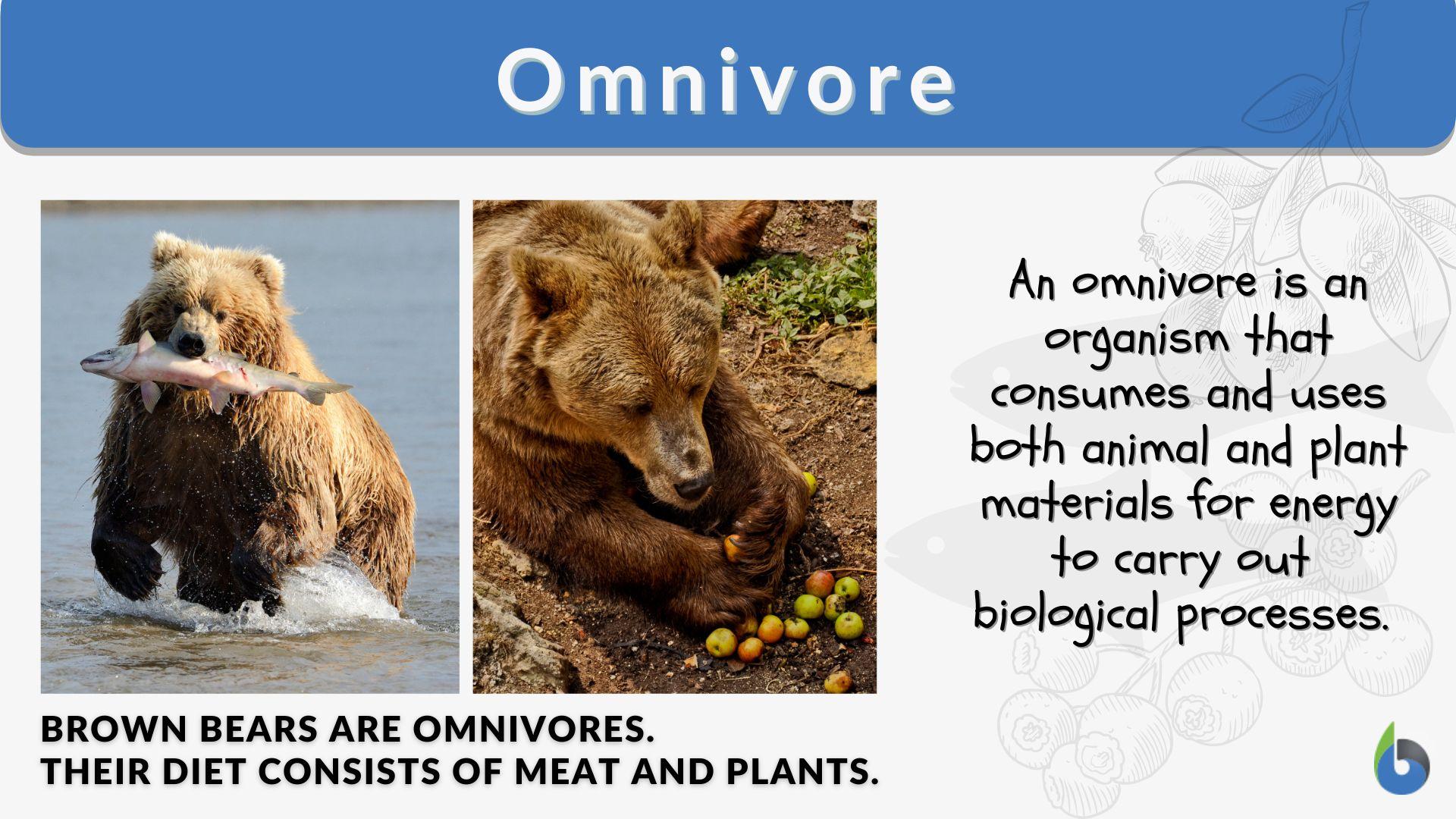
In the natural world, an omnivore is defined by its versatility. Unlike the specialized carnivore or the restricted herbivore, the omnivore thrives by consuming a vast array of nutrients from diverse sources. This biological adaptability is the secret to their survival across varying climates and changing seasons. In the world of high-stakes finance and personal wealth management, a similar creature has emerged: the “Financial Omnivore.”
To answer the question “What does an omnivore eat?” in a financial context, we must look beyond the traditional confines of a simple savings account or a single-stock portfolio. A financial omnivore “eats” a balanced diet of asset classes, yield-generating instruments, and risk-mitigated investments. This strategy is not merely about being “well-rounded”; it is a sophisticated approach to capital preservation and aggressive growth in an era of unprecedented market volatility.
The Anatomy of a Financial Omnivore: Beyond the Single-Asset Diet
The modern economic landscape is characterized by rapid shifts—inflationary spikes, technological disruptions, and geopolitical instability. For the investor who acts as a “specialist” (the financial equivalent of a koala eating only eucalyptus), a change in the environment can be fatal. The financial omnivore, however, views the entire market as their foraging ground.
Defining Multi-Asset Strategies
At the core of the financial omnivore’s diet is the Multi-Asset Strategy. This involves moving away from the binary choice of “stocks vs. bonds” and instead looking at a spectrum of value. They consume a mix of traditional securities, private placements, and hard assets. The goal is to ensure that while one “food source” might be scarce during a recession, another is plentiful. This strategy leverages the lack of correlation between different asset classes, ensuring that the total portfolio remains nourished even when specific sectors experience a famine.
The Shift from Specialist to Generalist in Modern Markets
In previous decades, an investor could thrive by being a specialist in blue-chip stocks or local real estate. Today, the globalized nature of finance means that a tech crash in East Asia can affect property values in London. The financial omnivore adapts by becoming a generalist who understands the connective tissue between global markets. They don’t just “eat” what is local; they forage globally, seeking out emerging market debt, international equities, and cross-border arbitrage opportunities.
The Main Course: Equity, Fixed Income, and Real Assets
For a financial omnivore to maintain a healthy “metabolism”—that is, a consistent rate of return—they must focus on the primary pillars of wealth. These represent the bulk of their caloric intake, providing the energy needed for long-term compounding.
Equities: The High-Growth Protein
Equities are the protein of the financial diet. They are essential for growth and building the “muscle” of a portfolio. A financial omnivore does not stick to a single type of stock; they consume a blend of large-cap stability, mid-cap agility, and small-cap growth potential. They also balance “value” stocks—those dependable, dividend-paying stalwarts—with “growth” stocks that reinvest earnings into innovation. By diversifying across sectors like healthcare, energy, and consumer staples, the omnivore ensures they are participating in the growth of the overall economy rather than betting on a single horse.
Bonds and Fixed Income: The Essential Fiber
If equities provide the growth, fixed income provides the fiber that keeps the system stable. In a high-interest-rate environment, the financial omnivore “eats” government treasuries, corporate bonds, and municipal debt. These assets act as a buffer against equity volatility. While they may not offer the explosive returns of a tech startup, they provide a predictable stream of income (yield) that can be reinvested. For the omnivore, fixed income is about capital preservation—ensuring that the core of the portfolio remains intact during market downturns.
Real Estate and Commodities: Sustaining the Portfolio Core
No financial omnivore’s diet is complete without “hard” assets. Real estate offers a unique combination of rental income and capital appreciation, often acting as a natural hedge against inflation. Beyond residential or commercial property, the omnivore may also look toward commodities—gold, silver, oil, and agricultural products. These are the “earthy” nutrients of the financial world. When paper currency loses purchasing power, these tangible assets often retain or increase their value, providing a layer of protection that purely digital or paper assets cannot offer.
Foraging for Yield: Alternative Investments and Digital Assets

Once the basic nutritional needs are met through stocks and bonds, the sophisticated financial omnivore looks toward more “exotic” sources of sustenance. These are the alternative investments that can provide outsized returns (alpha) for those with the stomach for higher risk and lower liquidity.
Private Equity and Venture Capital
The financial omnivore often seeks to “eat” earlier in the lifecycle of a business. By participating in private equity or venture capital, they invest in companies before they hit the public markets. This is akin to finding a nutrient-dense food source before the rest of the herd discovers it. While these investments are illiquid—meaning they cannot be easily “digested” or turned into cash—the potential for 10x or 20x returns provides the high-calorie growth that can transform a standard portfolio into a legacy-building engine.
The Rise of Crypto and DeFi as “Exotic” Nutrients
In the last decade, a new food source has appeared on the horizon: digital assets. Bitcoin, Ethereum, and the broader Decentralized Finance (DeFi) ecosystem represent a new frontier for the financial omnivore. While some see these as “toxic” or overly volatile, the omnivore views them as a speculative spice. By allocating a small percentage of their “diet” to crypto, they gain exposure to the underlying blockchain technology that is currently disrupting traditional banking. It is a high-risk, high-reward nutrient that requires a strong stomach and a long-term perspective.
Collectibles and Passion Investments
Finally, the financial omnivore may forage in the world of collectibles—fine art, rare wine, classic cars, or even high-end watches. These assets often move entirely independently of the stock market. A Picasso does not lose value because the Federal Reserve raised interest rates. While these require deep expertise to “consume” effectively, they provide an aesthetic and financial diversification that adds depth to a wealth strategy.
The Metabolic Strategy: Risk Management and Rebalancing
What an omnivore eats is only half the story; how they process that intake is equally important. In finance, this is known as portfolio management and rebalancing.
Strategic vs. Tactical Asset Allocation
The financial omnivore uses two primary “digestive” methods. Strategic asset allocation is the long-term plan—the “base diet” (e.g., 60% stocks, 30% bonds, 10% alternatives). Tactical asset allocation, however, is the ability to adjust based on the current environment. If the “climate” suggests an impending recession, the omnivore might tactically increase their intake of gold and cash while reducing their exposure to cyclical stocks. This flexibility is what separates the omnivore from more rigid investment “species.”
Hedging Against Market Volatility
To prevent “indigestion” during market crashes, the omnivore employs hedging. This might include using options to protect a position, shorting certain sectors, or holding inverse ETFs. Hedging is the financial equivalent of an omnivore storing fat for the winter. It is a defensive mechanism that ensures even if the “main course” takes a hit, the overall health of the organism (the portfolio) remains stable.
The Importance of Liquidity: Keeping “Water” in the System
In any biological system, nutrients cannot move without water. In finance, that water is liquidity. A financial omnivore always keeps a portion of their assets in cash or cash equivalents (like money market funds). This allows them to pivot quickly. If a sudden opportunity arises—a market dip that makes stocks “cheap” or a distressed real estate sale—the liquid omnivore is the first to the table, ready to feast while others are trapped in illiquid positions.

Conclusion: Cultivating a Sustainable Financial Lifestyle
To ask “What does an omnivore eat?” is to recognize that survival and growth come from variety, adaptability, and balance. In the realm of money and investing, the financial omnivore is the ultimate survivor. They do not rely on the “meat” of the bull market alone, nor do they hide in the “foliage” of cash during every bout of volatility.
Instead, they cultivate a sophisticated, multi-faceted diet. They consume the growth of equities, the stability of bonds, the tangibility of real estate, and the speculative potential of new technologies. By spreading their “consumption” across these various sectors, they protect themselves from the failure of any single source.
Ultimately, being a financial omnivore is about more than just wealth—it’s about resilience. In an unpredictable world, the ability to find value in every corner of the market is the greatest competitive advantage one can possess. By diversifying your “financial diet,” you ensure that no matter what the global economy serves up, you will have a seat at the table, ready to thrive.
aViewFromTheCave is a participant in the Amazon Services LLC Associates Program, an affiliate advertising program designed to provide a means for sites to earn advertising fees by advertising and linking to Amazon.com. Amazon, the Amazon logo, AmazonSupply, and the AmazonSupply logo are trademarks of Amazon.com, Inc. or its affiliates. As an Amazon Associate we earn affiliate commissions from qualifying purchases.