
To the average person, “an inch of rain” sounds like a modest amount—perhaps just enough to cancel a picnic or water the lawn. However, in the realm of modern technology, an inch of rain represents a massive influx of data, a challenge for urban infrastructure software, and a critical variable in the algorithms that drive global logistics and agriculture. From a technical perspective, an inch of rain over a single acre equates to roughly 27,154 gallons of water, weighing approximately 113 tons.
Managing, predicting, and reacting to this volume of liquid requires a sophisticated “tech stack” that spans from low-power IoT (Internet of Things) sensors on the ground to high-performance computing (HPC) clusters in the cloud. This article explores the technological architecture that interprets what an inch of rain actually means for our digital and physical worlds.

The Digital Translation of Weather: From Rain Gauges to IoT Sensors
The journey of understanding precipitation begins with data acquisition. While the traditional “bucket” method has existed for centuries, modern technology has transformed the humble rain gauge into a sophisticated edge-computing device.
The Evolution of the Rain Gauge: The Tipping Bucket and Beyond
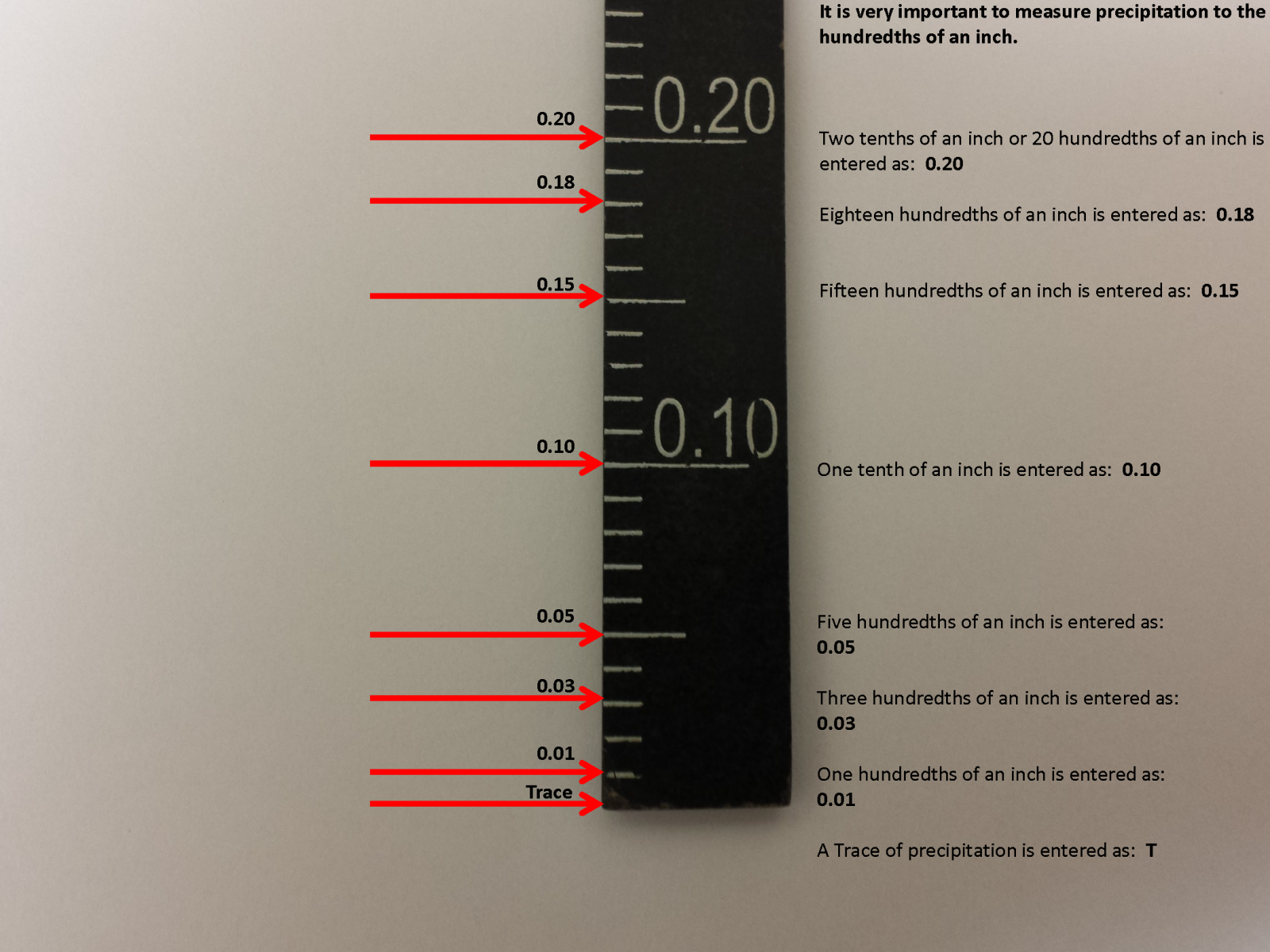
The standard for digital measurement today is the “tipping bucket” rain gauge. This device uses a small seesaw mechanism that tips every time it collects 0.01 inches of water. Each tip triggers an electronic pulse recorded by a data logger. In the context of “Tech,” the innovation lies in the connectivity. Modern gauges are now integrated with LPWAN (Low-Power Wide-Area Network) technologies like LoRaWAN or NB-IoT, allowing sensors in remote areas to transmit rainfall data over miles with minimal battery consumption.
Ultrasonic and Laser Disdrometers: Seeing Every Drop
Beyond simple volume, advanced meteorological tech now uses ultrasonic and laser-based sensors known as disdrometers. Instead of waiting for a bucket to fill, these sensors use laser beams to measure the size, velocity, and distribution of individual raindrops. This high-frequency data is processed at the edge to determine “rain rate” in real-time. For software developers building weather APIs, this granular data is the difference between a generic “rainy” notification and a precise “heavy downpour starting in 4 minutes” alert.
Computational Meteorology: Turning Millimeters into Gigabytes
Once the sensors capture the physical event, the data enters the realm of software and artificial intelligence. An inch of rain is no longer a physical measurement; it becomes a variable in complex mathematical models.
High-Performance Computing (HPC) and Numerical Weather Prediction
Predicting when and where that inch of rain will fall requires massive computational power. National weather services utilize supercomputers to run Numerical Weather Prediction (NWP) models. These models divide the atmosphere into a 3D grid, solving millions of partial differential equations to simulate fluid dynamics. The technical challenge is the “grid resolution.” Moving from a 10-kilometer grid to a 1-kilometer grid increases the data processing requirements by orders of magnitude, requiring specialized GPU acceleration and high-speed data fabric to process petabytes of atmospheric data in real-time.
AI and Machine Learning: The Rise of “Nowcasting”
While traditional physics-based models are excellent for long-term forecasts, AI and Machine Learning (ML) have taken over the “nowcasting” space—predicting weather in the 0-to-6-hour window. Deep learning models, specifically Convolutional Neural Networks (CNNs), are trained on decades of historical radar imagery to recognize patterns that precede an inch of rainfall. Unlike traditional models that might take hours to run, an ML model can ingest current radar data and produce a high-accuracy precipitation map in seconds. This is the tech behind the “hyper-local” features found in premium weather apps and autonomous vehicle navigation systems.
Smart Infrastructure and the Impact of Precise Precipitation Data
Understanding what an inch of rain means is vital for the “Smart City” movement and industrial automation. When an inch of rain falls on a paved city, it doesn’t soak in; it creates runoff that must be managed by software-driven infrastructure.
Precision Agriculture and Autonomous Irrigation
In the world of AgTech (Agricultural Technology), an inch of rain is a critical input for “Smart Farm” management software. Farmers use platforms that integrate soil moisture sensors with hyper-local weather data. If the software detects that an inch of rain is 90% likely within the next 12 hours, it automatically overrides scheduled autonomous irrigation systems to prevent water waste and nutrient leaching. This integration of predictive analytics and automated hardware represents the cutting edge of sustainable tech, turning meteorological data into direct operational savings.
Urban Tech: Digital Twins and Stormwater Management
For civil engineers and urban planners, “an inch of rain” is a stress test for a city’s Digital Twin. A Digital Twin is a virtual replica of a city’s physical assets, including its drainage and sewage systems. Using real-time data from IoT sensors placed in storm drains, city operators can simulate how an inch of rain will flow through the streets. If the software identifies a potential bottleneck, it can trigger automated sluice gates or alert maintenance crews via a centralized dashboard. This proactive approach to “Software-Defined Infrastructure” helps prevent the multi-million dollar damages associated with urban flash flooding.
The Future of Hydrometeorological Tech: Space and Crowd-Sourcing
The technology used to measure an inch of rain is moving beyond the Earth’s surface and into the pockets of everyday users, creating a global network of precipitation intelligence.
Dual-Polarization Radar and Satellite Remote Sensing
The next frontier in rainfall technology is Dual-Polarization (Dual-Pol) Radar. Traditional radar sends out a horizontal pulse, but Dual-Pol sends both horizontal and vertical pulses. This allows meteorologists to identify the shape of the precipitation—distinguishing between an inch of rain, an inch of melting snow, or harmful hail. Simultaneously, satellite constellations like the Global Precipitation Measurement (GPM) mission use microwave imager tech to measure rainfall from space, providing data for parts of the ocean and uninhabited land where ground sensors don’t exist.
Integrating Wearables and Crowd-Sourced Weather Data
We are seeing a trend where consumer gadgets become part of the meteorological tech stack. Smartphones contain barometric pressure sensors originally intended to help with GPS altitude. However, apps like “PressureNet” have shown that by crowdsourcing this data from millions of devices, software can track the minute pressure changes that precede a heavy rain event. Furthermore, as “Connected Vehicles” become standard, the frequency and speed of windshield wiper usage are being analyzed as a massive, distributed sensor network to verify exactly where and when that inch of rain is hitting the pavement.
Conclusion: The Digital Value of the Drop
In the modern tech landscape, an inch of rain is far more than a weather report; it is a catalyst for a chain reaction of data processing, algorithmic decision-making, and automated physical response. From the IoT sensors that detect the first drop to the AI models that predict the storm’s path and the smart city software that manages the runoff, technology has redefined our relationship with the elements.
As we continue to refine our sensors and scale our computational power, the goal is not just to measure rain, but to build a more resilient, data-driven world that can anticipate the impact of every drop. Whether it is through the lens of a satellite or the logic of a neural network, “an inch of rain” remains one of the most significant data points in our increasingly digitized environment.
aViewFromTheCave is a participant in the Amazon Services LLC Associates Program, an affiliate advertising program designed to provide a means for sites to earn advertising fees by advertising and linking to Amazon.com. Amazon, the Amazon logo, AmazonSupply, and the AmazonSupply logo are trademarks of Amazon.com, Inc. or its affiliates. As an Amazon Associate we earn affiliate commissions from qualifying purchases.