
In the intricate dance of modern living, comfort often comes down to precise environmental control. Whether it’s the refreshing chill of a summer afternoon indoors or the cozy warmth of a winter evening, HVAC (Heating, Ventilation, and Air Conditioning) systems are the silent architects of our personal climate. At the very core of an air conditioning unit’s cooling prowess lies a critical, often underestimated component: the condenser. Far from being a mere box sitting outside your home or building, the HVAC condenser is a marvel of thermodynamic engineering, a lynchpin in the complex process that transforms warm, humid air into cool, dry comfort. Understanding its function is not just about appreciating a piece of machinery; it’s about grasping the fundamental principles that underpin efficient climate control and the smart technologies that govern our living and working spaces.
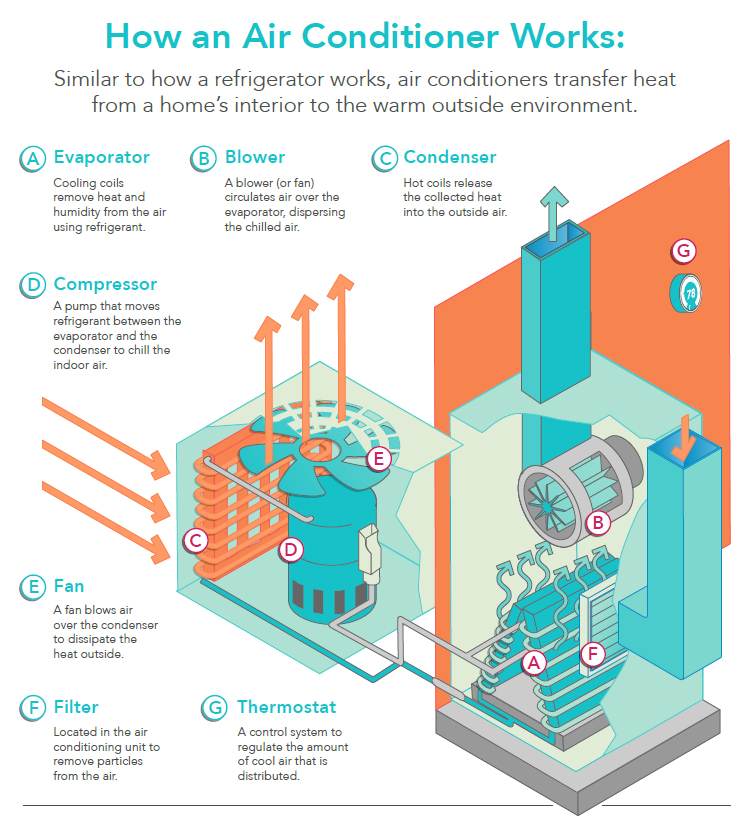
This article delves deep into the workings of the HVAC condenser, demystifying its purpose, dissecting its components, and illuminating its indispensable role in the broader technological ecosystem of air conditioning. By exploring its design, operation, and maintenance, we uncover why this unassuming outdoor unit is, in essence, the very heart responsible for ejecting heat from your indoor environment, making it a cornerstone of modern comfort technology.
The Core Function: Heat Rejection and Refrigerant Transformation
At its most fundamental level, an HVAC condenser’s primary mission is to facilitate the rejection of heat from your indoor space to the outside environment. This might sound counterintuitive to the goal of “cooling,” but air conditioning doesn’t create cold; it removes heat. The condenser is the crucial component responsible for shedding that absorbed heat, completing a cyclical process that continuously transfers thermal energy out of your home or building.
The Refrigeration Cycle: A Quick Overview
To appreciate the condenser’s role, it’s essential to understand the basic vapor-compression refrigeration cycle. This cycle involves four main components: the evaporator (indoor coil), the compressor, the condenser (outdoor coil), and the expansion valve. A special chemical compound called refrigerant circulates through these components, changing its state between liquid and gas, absorbing and releasing heat at different points in the cycle. The entire system works like a heat pump, moving thermal energy from one location to another.
Evaporation and Compression: Setting the Stage
The process begins indoors, where the evaporator coil absorbs heat from the warm indoor air, causing the low-pressure, low-temperature liquid refrigerant to boil and transform into a low-pressure, low-temperature gas (vapor). This cool gas, now laden with the heat absorbed from your indoor air, then travels to the compressor, located within the outdoor condenser unit. The compressor’s job is to significantly increase the pressure and temperature of this refrigerant vapor. This high-pressure, high-temperature gas is then pushed into the condenser coils.
The Condenser’s Role: Turning Gas to Liquid
Once the superheated refrigerant gas enters the condenser, its transformation truly begins. The condenser is designed to dissipate this intense heat into the cooler ambient outdoor air. As the heat energy is shed, the high-pressure, high-temperature gas cools down, reaching its saturation point. At this juncture, a phase change occurs: the refrigerant condenses back into a high-pressure, high-temperature liquid. This conversion from gas to liquid, accompanied by the release of latent heat, is the defining action of the condenser, making it indispensable for the continuous operation of the cooling system. Without this critical phase change, the refrigerant could not effectively re-absorb heat indoors, and the cooling cycle would cease.
Anatomy of an HVAC Condenser: Key Components and Their Interplay
While the condenser appears as a single outdoor unit, it is an integrated system of several specialized components working in concert to achieve its heat rejection objective. Each part plays a vital role, and their design and engineering are critical to the overall efficiency and reliability of your HVAC system.
The Compressor: The Pumping Powerhouse
Often referred to as the “heart” of the entire refrigeration system, the compressor is arguably the most important component within the condenser unit. Its function is to draw in the low-pressure, low-temperature refrigerant gas from the evaporator and, through mechanical work, compress it into a high-pressure, high-temperature gas. This compression is crucial because it elevates the refrigerant’s temperature above that of the outdoor air, creating the necessary temperature differential for heat transfer to occur naturally from the refrigerant to the environment. Modern compressors employ various technologies, from single-stage to two-stage and variable-speed designs, to optimize energy efficiency and provide more precise temperature control.
Condenser Coils: The Heat Exchange Surface
The condenser coils are the primary heat exchange surface. These are typically long, winding tubes made of copper or aluminum, often equipped with aluminum fins. The fins significantly increase the surface area available for heat transfer, allowing the superheated refrigerant gas circulating inside the tubes to efficiently transfer its thermal energy to the cooler ambient air flowing over the fins. The design and cleanliness of these coils are paramount for effective heat dissipation; any obstruction or damage can severely impede the system’s ability to cool.
Condenser Fan: Airflow for Efficiency
Mounted atop the condenser unit, the condenser fan is responsible for drawing large volumes of outdoor air across the condenser coils. This forced airflow is critical. Without it, the heat transfer from the coils to the surrounding air would be too slow and inefficient, preventing the refrigerant from cooling sufficiently to condense back into a liquid. The fan ensures a constant supply of relatively cooler air passes over the hot coils, maximizing the rate of heat rejection and maintaining the necessary temperature gradient for effective operation. Modern fans are often designed for quiet operation and improved energy efficiency.
Refrigerant Lines: The Circulatory System
Though not exclusively part of the condenser unit, the refrigerant lines (or line set) connect the outdoor condenser to the indoor evaporator. These insulated copper tubes form the circulatory system for the refrigerant. The “liquid line” carries the high-pressure liquid refrigerant from the condenser to the expansion valve and evaporator, while the larger, insulated “suction line” transports the low-pressure gas refrigerant from the evaporator back to the compressor. The integrity and proper sizing of these lines are crucial for maintaining system pressure and ensuring the smooth, unhindered flow of refrigerant throughout the cycle.
How a Condenser Works: A Step-by-Step Breakdown
The operation of an HVAC condenser is a seamless and continuous process, driven by thermodynamic principles and orchestrated by its various components. Understanding this sequential flow illuminates the ingenious simplicity behind effective cooling technology.
High-Pressure, High-Temperature Gas Arrives
The cycle within the condenser unit begins when the compressor discharges its load: high-pressure, superheated refrigerant gas. This gas is at a significantly higher temperature than the ambient outdoor air, a critical condition that allows for the passive transfer of heat from the refrigerant to the surrounding environment. This energy-rich vapor is then directed into the intricate network of the condenser coils.
Heat Dissipation Through Coils and Fan
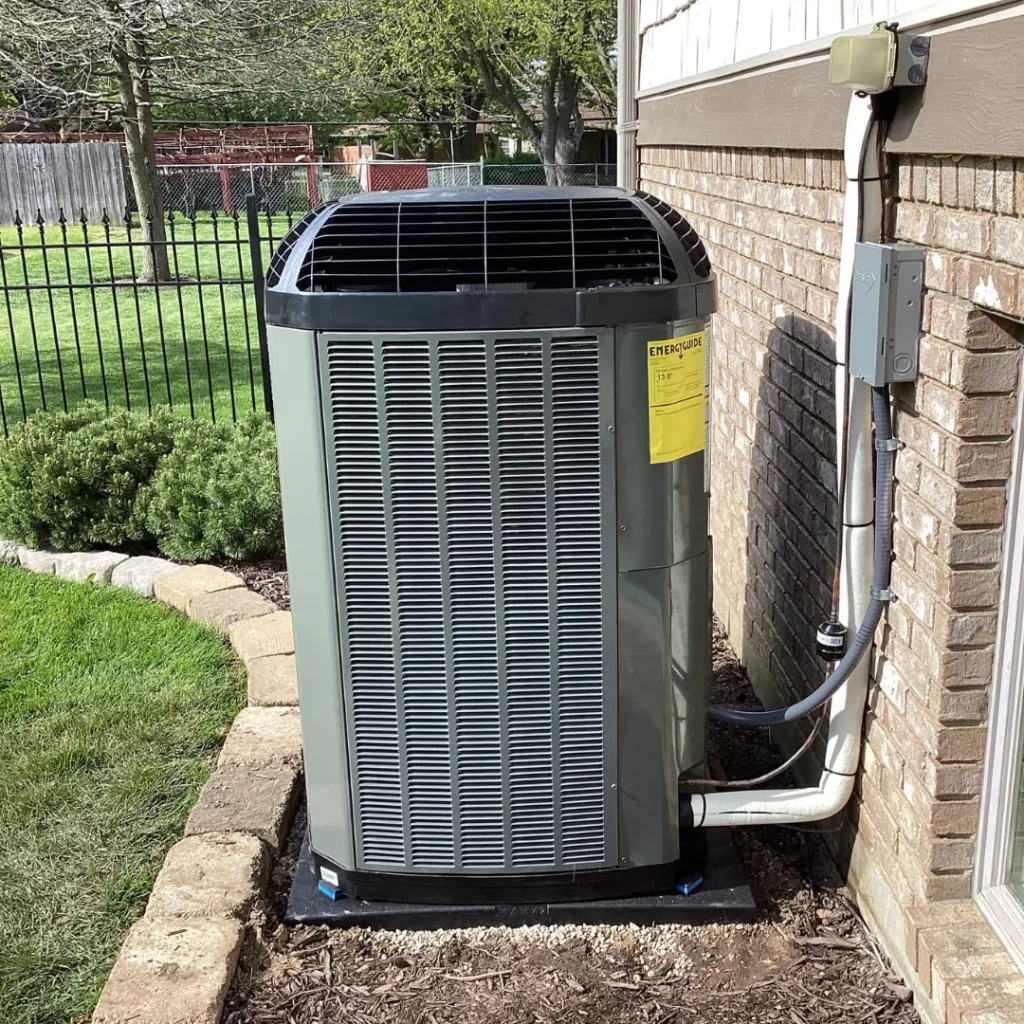
As the superheated refrigerant gas flows through the condenser coils, the condenser fan begins its operation, pulling or pushing outdoor air across the coil’s fins. The temperature difference between the hot refrigerant inside the coils and the cooler air outside causes heat to rapidly transfer from the refrigerant to the ambient air. The large surface area provided by the fins dramatically enhances this heat exchange process. The fan ensures a continuous flow of “fresh” cooler air, preventing the air immediately surrounding the coils from becoming saturated with heat and thus reducing the efficiency of the transfer.
Condensation: From Gas to Liquid
As the refrigerant sheds its sensible heat to the outdoor air, its temperature begins to drop. Once it reaches its saturation temperature (the boiling point at its current high pressure), it starts to undergo a phase change. The gas molecules begin to lose enough energy to coalesce, transforming into liquid droplets. This process, known as condensation, releases a significant amount of latent heat—the energy absorbed during the earlier phase change from liquid to gas in the evaporator. This latent heat is also rejected to the outdoor air. By the time the refrigerant reaches the bottom of the condenser coil, the vast majority of it has condensed back into a high-pressure, high-temperature liquid.
Subcooling and Expansion: Preparing for the Next Cycle
After condensation, the liquid refrigerant may continue to cool slightly below its saturation temperature. This additional cooling, known as subcooling, increases the efficiency of the overall refrigeration cycle. The now high-pressure, high-temperature liquid refrigerant then exits the condenser unit and travels through the liquid line towards the indoor unit. Before entering the evaporator, it passes through an expansion valve (or metering device), which drastically reduces its pressure and temperature. This prepares the refrigerant to absorb heat once again from the indoor air, restarting the entire cooling cycle.
The Importance of a Well-Functioning Condenser in Modern HVAC
The condenser’s robust operation is not merely a technical detail; it is fundamental to the entire performance, cost-efficiency, and environmental footprint of an HVAC system, especially in the context of modern technological advancements.
Energy Efficiency and Operational Costs
A condenser that is operating optimally is crucial for energy efficiency. If the condenser coils are dirty, if the fan motor is weak, or if the refrigerant charge is incorrect, the system has to work harder to reject heat. This increased effort translates directly into higher electricity consumption and, consequently, elevated energy bills. Modern HVAC technologies, such as variable-speed compressors and smart control systems, are designed to maximize efficiency, but their potential can only be fully realized if the condenser is performing as intended. A failing condenser can be a major drain on a home or business’s energy budget.
System Longevity and Reliability
Continuous stress on any mechanical system leads to premature wear and tear. If the condenser is struggling to dissipate heat, the compressor, which is often the most expensive component of an HVAC system, will have to run longer and hotter. This significantly shortens the lifespan of the compressor and, by extension, the entire HVAC unit. A well-maintained and efficiently operating condenser ensures that the entire system can perform its duties under less strain, contributing to greater reliability and a longer service life for your significant investment in climate control technology.
Environmental Impact: Refrigerant Management
The refrigerants used in HVAC systems, particularly older ones, can be potent greenhouse gases if released into the atmosphere. A poorly functioning condenser can lead to leaks due to excessive pressure or damage, or it can cause the system to operate inefficiently, indirectly increasing its carbon footprint through higher energy consumption. Modern refrigerants are designed to be more environmentally friendly, but proper containment and efficient system operation, facilitated by a healthy condenser, remain critical for minimizing environmental harm. Tech advancements in leak detection and smart maintenance protocols further enhance responsible refrigerant management.
Integration with Smart Home Technologies
In an era dominated by smart homes and interconnected devices, the performance of the HVAC system is increasingly tied into broader technological ecosystems. Smart thermostats and building management systems monitor and control HVAC operations to optimize comfort and efficiency. However, these sophisticated control algorithms rely on the underlying hardware performing correctly. A condenser that is failing or inefficient can undermine the effectiveness of even the most advanced smart home climate control strategies, demonstrating how fundamental mechanical components remain critical even as control systems become more intelligent.
Maintaining Your Condenser: Ensuring Peak Performance
Given its critical role, proper maintenance of the HVAC condenser is not just recommended; it’s essential for ensuring system longevity, efficiency, and consistent comfort. Regular attention can prevent minor issues from escalating into costly repairs.
Regular Cleaning and Debris Removal
Because the condenser unit is located outdoors, it is constantly exposed to environmental elements. Leaves, grass clippings, dirt, dust, pollen, and other debris can accumulate on the condenser coils and fins, creating a thick insulating layer. This buildup severely restricts airflow and impedes heat transfer, forcing the unit to work harder. Homeowners can routinely clear away visible debris from around the unit and gently rinse the coils with a garden hose (with the power off) to remove surface grime. Professional cleaning might involve specialized coil cleaners and pressure washing.
Professional Inspections and Servicing
Beyond superficial cleaning, a professional HVAC technician should inspect and service your condenser annually. During these visits, technicians will check refrigerant levels (and safely address any leaks), inspect the fan motor and blades, test electrical connections, and thoroughly clean the coils with appropriate tools and chemicals. They can also identify and rectify subtle issues before they lead to major breakdowns, ensuring all components are operating within optimal parameters.
Recognizing Signs of Malfunction
Being observant can help you catch condenser issues early. Common signs of a struggling condenser include:
-
Reduced Cooling Capacity: Your home isn’t getting as cool as it used to, or the system runs constantly without reaching the set temperature.
-
Increased Energy Bills: A sudden spike in electricity consumption without a change in usage patterns often points to an inefficient system.
-
Loud or Unusual Noises: Grinding, buzzing, banging, or screeching sounds can indicate problems with the fan motor, compressor, or other internal components.
-
Visible Damage or Leaks: Rust, bent fins, ice accumulation (though less common on condensers than evaporators, it can indicate airflow issues or refrigerant problems), or puddles around the unit are red flags.
In conclusion, the HVAC condenser is far more than just the noisy outdoor box; it is a meticulously engineered technological component, fundamental to the very concept of air conditioning. Its sophisticated heat rejection process, reliant on the precise interplay of its compressor, coils, and fan, is what enables the continuous cycle of cooling that defines modern indoor comfort. Understanding its operation, appreciating its importance, and committing to its proper maintenance are key to harnessing the full potential of your HVAC system, ensuring energy efficiency, system longevity, and reliable comfort for years to come within our increasingly technologically dependent environments.
aViewFromTheCave is a participant in the Amazon Services LLC Associates Program, an affiliate advertising program designed to provide a means for sites to earn advertising fees by advertising and linking to Amazon.com. Amazon, the Amazon logo, AmazonSupply, and the AmazonSupply logo are trademarks of Amazon.com, Inc. or its affiliates. As an Amazon Associate we earn affiliate commissions from qualifying purchases.