
In the popular imagination, an excavator is a symbol of raw, brute force—a massive yellow machine designed to move earth through sheer mechanical power. However, if you step into the cab of a contemporary model, you will find something far more akin to a high-end flight simulator or a data-processing center than a simple mechanical shovel. To ask “what does an excavator do” in the modern era is to explore the intersection of advanced hydraulics, satellite positioning, artificial intelligence, and sustainable engineering.
Today’s excavators are the primary “hardware” of the construction world’s digital transformation. They are no longer just tools for digging; they are sophisticated robotic platforms that utilize a suite of integrated technologies to perform precision tasks that were once thought impossible for heavy machinery.

1. The Core Mechanics: Precision Engineering Through Hydraulic Tech
At its most fundamental level, an excavator is a hydraulic powerhouse. But the “tech” behind how it moves has evolved significantly from the jerky, manual levers of the mid-20th century. Modern excavators utilize sophisticated closed-loop hydraulic systems that are managed by complex software.
The Role of Electronic Control Units (ECUs)
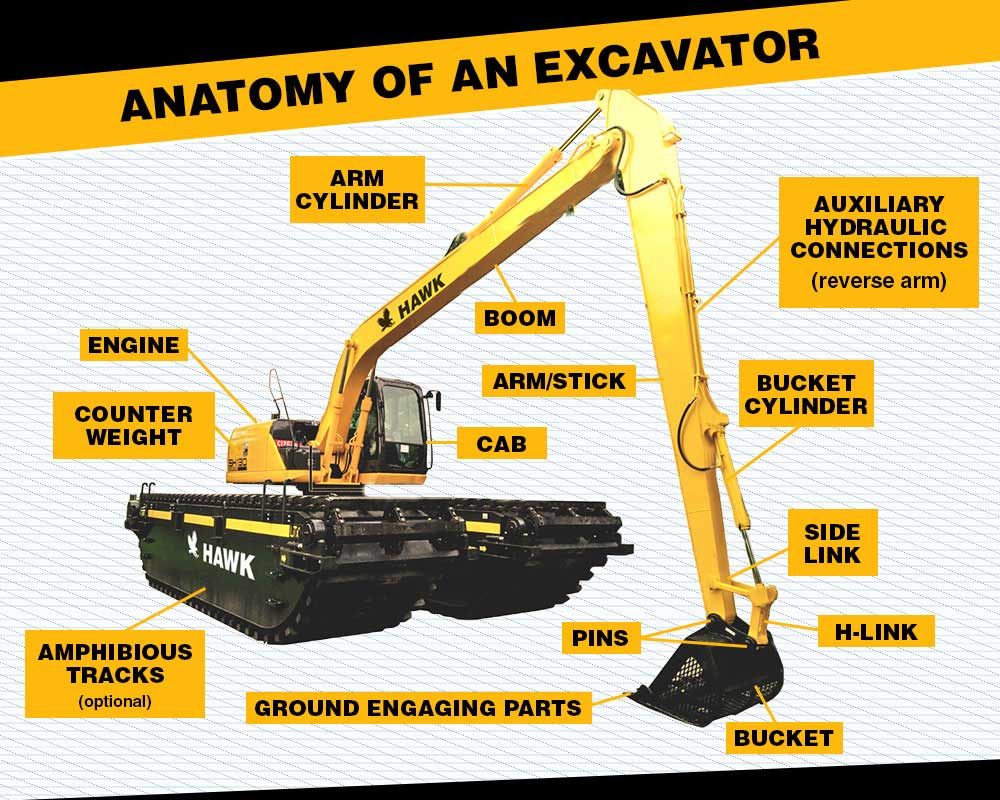
The brain of the excavator is the Electronic Control Unit (ECU). When an operator moves a joystick, they aren’t physically pulling a cable; they are sending a digital signal to the ECU. The software then calculates the exact amount of hydraulic fluid required to move the boom, arm, and bucket simultaneously with fluid grace. This “Electro-Hydraulic” system allows for multi-functioning capabilities—meaning the machine can lift, swing, and tilt all at once without a drop in power, maximizing efficiency through algorithmic load sensing.
Variable Displacement Pumps and Energy Efficiency
Technological trends in the industry have moved toward “Smart Hydraulics.” Variable displacement pumps adjust their output based on the resistance the machine feels. If the excavator is cutting through soft sand, the tech reduces the pressure to save fuel. If it hits hard bedrock, the sensors immediately communicate with the pump to spike the pressure. This real-time hardware-software communication is what allows a modern 30-ton machine to perform delicate tasks, like picking up a single pallet of bricks, with the precision of a human hand.
2. Smart Systems: The Integration of GPS and Telematics
One of the most significant shifts in what an excavator “does” is its transition into a geo-spatial tool. Through the integration of GPS and GNSS (Global Navigation Satellite Systems), the excavator has become a master of precision grading and excavation.
2D and 3D Grade Control Systems
In the past, digging a trench required a worker to stand in the hole with a grade rod, manually measuring the depth. Today, excavators are equipped with 3D grade control. A digital blueprint of the job site (often a BIM or Building Information Modeling file) is uploaded directly into the machine’s onboard computer. Sensors on the boom and bucket know exactly where the cutting edge is in 3D space. The operator sees a “digital twin” of the site on a high-definition monitor. The tech ensures the machine cannot dig deeper than the digital plan specifies, eliminating human error and drastically reducing the time spent on rework.
Telematics: The “Internet of Things” (IoT) on the Jobsite
Every modern excavator is a connected device. Telematics systems, such as Caterpillar’s VisionLink or Komatsu’s KOMTRAX, stream thousands of data points per second to the cloud. This tech allows fleet managers to monitor fuel consumption, idle time, and mechanical health from a smartphone app. It transforms the excavator from a standalone tool into a node in a larger digital network. Predictive maintenance algorithms can now flag a failing sensor or a drop in hydraulic pressure before a breakdown occurs, utilizing “big data” to ensure the machine stays operational.
3. The Rise of Autonomy and AI in Excavation
As we look toward the future of technology trends, the excavator is at the forefront of the move toward autonomous work-sites. AI tools are increasingly being used to augment—and in some cases, replace—human input to increase safety and productivity.
Semi-Autonomous Features and Operator Assistance
We are currently in the era of “Semi-Autonomy.” Tech like “Swing Assist” and “Bucket Assist” uses AI to automate repetitive motions. For example, once a bucket is filled, the AI can take over the swing and dump cycle, returning the bucket to the exact same digging spot with millimeter precision. This reduces operator fatigue and ensures that even a novice operator can perform at the level of a 20-year veteran. The software calculates the most efficient path for the arm to move, minimizing wear and tear on the hardware.
AI-Driven Object Detection and Safety Sensors
Safety tech has seen a massive upgrade through AI-powered vision systems. Modern excavators utilize LiDAR (Light Detection and Ranging) and 360-degree camera arrays. These tools don’t just show the operator what is around them; the AI actively identifies objects. It can distinguish between a concrete barrier and a human being. If a worker enters the “red zone” behind the machine, the AI can trigger an automatic stop, overriding the operator’s input to prevent a collision. This level of digital security on the jobsite is a direct result of advancements in computer vision.
4. The Green Tech Shift: Electric and Hybrid Innovations
The construction industry is under immense pressure to reduce its carbon footprint, and the excavator is the primary target for green technology innovation. The transition from internal combustion to electric drivetrains is changing the internal architecture of these machines.
Battery-Electric Excavators and Lithium-Ion Tech
Small “mini-excavators” are already leading the charge in electrification. By replacing the diesel engine with high-capacity lithium-ion battery packs, these machines can operate for a full 8-hour shift on a single charge. The tech benefits are two-fold: zero local emissions and a massive reduction in noise pollution. This allows excavators to work inside buildings or in dense urban environments during night hours where diesel noise would be prohibited. The software management of these batteries is critical, as it must balance power output to the hydraulic pumps while maintaining thermal stability.
Hybrid Energy Recovery Systems
For larger machines where full electrification is still a challenge, hybrid tech is the solution. When a heavy excavator swings its massive upper structure and then stops, a significant amount of kinetic energy is usually wasted as heat in the brakes. Modern hybrid excavators use “swing energy recovery” tech. They capture that kinetic energy, convert it into electricity, and store it in ultra-capacitors to assist the engine during the next heavy lift. It is a brilliant example of how hardware efficiency is being optimized through intelligent energy management software.
5. Modular Versatility: The Excavator as a Digital Platform
Finally, an excavator’s function is defined by its “attachments,” and even this area has been revolutionized by smart technology. The machine is essentially a mobile power platform that can be reconfigured for a dozen different roles.
Quick Couplers and Intelligent Tool Management
With the advent of “Auto-Connect” technology, an operator can switch from a digging bucket to a hydraulic hammer or a demolition shear without ever leaving the cab. The machine’s software automatically recognizes the attachment via RFID or Bluetooth and adjusts the hydraulic flow and pressure settings to match the tool. This “plug-and-play” capability is managed by the onboard computer, ensuring that a high-pressure tool doesn’t blow out the seals of a low-pressure system.
The Future: The Excavator as a Data Collector
In the near future, the “doing” part of an excavator’s job will include environmental scanning. Researchers are currently testing excavators equipped with ground-penetrating radar and 3D scanners. As the machine moves across a site, it maps underground utilities in real-time, feeding that data back to a central digital map. In this sense, the excavator becomes a mobile sensor, providing digital insights that protect the crew and inform the entire project’s workflow.

Conclusion
What does an excavator do? It acts as the physical interface between digital designs and the earth. Through the lens of technology, it is an advanced robot capable of sub-centimeter precision, an IoT device that communicates its health to the cloud, and a pioneer in the shift toward sustainable energy.
The excavator has evolved from a simple mechanical digger into a sophisticated technological asset. As AI continues to mature and battery tech scales, the excavator will only become more autonomous, more efficient, and more integrated into the digital fabric of our modern world. It is no longer just about moving dirt; it is about moving data and power with unprecedented intelligence.
aViewFromTheCave is a participant in the Amazon Services LLC Associates Program, an affiliate advertising program designed to provide a means for sites to earn advertising fees by advertising and linking to Amazon.com. Amazon, the Amazon logo, AmazonSupply, and the AmazonSupply logo are trademarks of Amazon.com, Inc. or its affiliates. As an Amazon Associate we earn affiliate commissions from qualifying purchases.