
To understand “what does AMC mean” in the contemporary financial landscape is to delve into a compelling narrative that transcends mere corporate identity. While AMC Entertainment Holdings, Inc. is globally recognized as the largest movie theater chain, its recent significance extends far beyond the silver screen, profoundly impacting discussions in personal finance, investing, and business finance. It represents a dramatic case study in market dynamics, retail investor power, and corporate resilience, emblematic of a new era where financial narratives are shaped as much by online communities as by traditional market forces.

This article unpacks the multifaceted financial “meaning” of AMC, exploring its business model, its tumultuous journey through a pandemic, its rise as a “meme stock,” and the enduring lessons it offers to investors and financial analysts alike.
The Enduring Legacy and Financial Crossroads of a Cinematic Behemoth
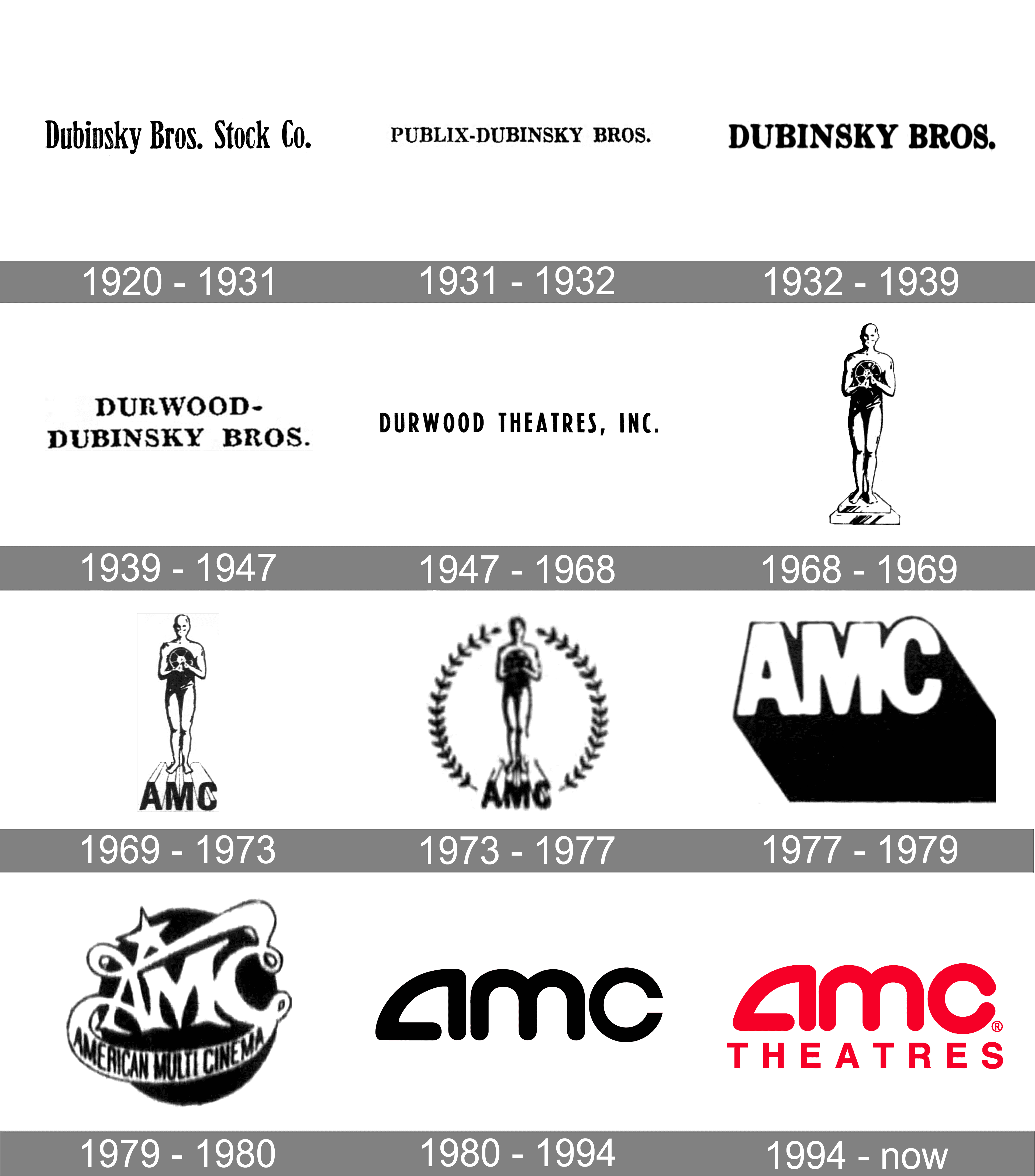
AMC Entertainment Holdings, Inc. (American Multi-Cinema) boasts a rich history as an innovator in the exhibition industry, evolving from its modest beginnings in 1920 to become a global leader. For decades, AMC’s meaning was synonymous with the movie-going experience itself – a place for shared cultural moments, blockbuster premieres, and the magic of cinema. However, like many legacy industries, it faced significant financial challenges even before the unprecedented disruptions of recent years.
From Silver Screens to Stock Market Spectacle
AMC went public in 1961, eventually becoming a prominent fixture on the New York Stock Exchange (NYSE: AMC). Its business model revolved around high-volume ticket sales, concession revenue, and strategic investments in state-of-the-art facilities like stadium seating and IMAX auditoriums. Its financial health was directly tied to content supply from Hollywood studios and consumer discretionary spending on entertainment. For a long time, AMC represented a stable, albeit cyclical, investment in the entertainment sector, driven by predictable seasonal peaks and a strong connection to popular culture.
Adapting to a Changing Entertainment Landscape and Mounting Debt
The rise of streaming services and evolving consumer habits presented a structural headwind for the traditional cinema industry. Viewership declined, and the perceived value of an expensive movie ticket diminished for some. AMC, in an effort to maintain its market dominance and enhance the customer experience, undertook significant capital expenditures and acquisitions, notably purchasing Odeon & UCI Cinemas Group in Europe and Carmike Cinemas in the U.S. These moves expanded its global footprint but also substantially increased its debt load.
By early 2020, AMC was already grappling with a precarious financial position, characterized by high leverage, declining attendance, and the existential threat posed by direct-to-streaming releases. The COVID-19 pandemic, which forced the closure of theaters worldwide, pushed the company to the brink of bankruptcy. This period marked a critical inflection point, fundamentally altering “what AMC means” from a traditional entertainment stock to a symbol of financial distress and, subsequently, a beacon of retail investor defiance.
The “Meme Stock” Phenomenon: AMC’s Unprecedented Financial Surge
The narrative surrounding AMC took a dramatic and unforeseen turn in late 2020 and early 2021, when it became one of the most prominent “meme stocks.” This transformation cemented its new financial meaning, not just as a struggling legacy business, but as a battleground for institutional short-sellers and a burgeoning community of retail investors.
The Rise of the “Apes”: A Community-Driven Financial Movement
Central to AMC’s meme stock status was the emergence of a powerful, decentralized community of retail investors, often referring to themselves as “apes.” Primarily organized on online forums like Reddit’s r/WallStreetBets and other social media platforms, these investors saw AMC (and other heavily shorted stocks like GameStop) not merely as a company, but as an opportunity to challenge the prevailing power structures of Wall Street. Their collective action was driven by a belief in the fundamental unfairness of excessive short selling and a desire to disrupt traditional market mechanics. This grassroots movement showcased the unprecedented influence that organized individual investors could wield through accessible trading platforms and shared conviction.
Understanding the Mechanics of a Short Squeeze
The “apes” strategy was largely focused on executing a “short squeeze.” A short squeeze occurs when a stock that has been heavily shorted (i.e., investors have borrowed and sold shares, hoping to buy them back at a lower price for profit) suddenly rises in price. This forces short-sellers to buy back shares to limit their losses, which further drives up the price, creating a cascade.
AMC was a prime candidate for a short squeeze due to its extremely high short interest – a large percentage of its outstanding shares had been sold short by institutional investors betting on its collapse. As retail investors piled into AMC stock, driving up its price, short-sellers faced massive margin calls and were compelled to cover their positions, fueling a dramatic and rapid ascent in AMC’s stock valuation, reaching unprecedented highs in June 2021. This period underscored a new financial meaning for AMC: a powerful example of market democratization and the potential for collective retail action to challenge sophisticated institutional strategies.
Financial Implications and Volatility for Investors
The meme stock phenomenon brought extreme volatility to AMC’s share price. While it created immense, albeit often unrealized, gains for some early retail investors, it also presented significant risks. The stock’s valuation often detached from traditional financial fundamentals, driven instead by sentiment, social media momentum, and short-squeeze dynamics. For new investors drawn in by the hype, this volatility meant potential for rapid losses if they bought near the peak. The AMC saga became a stark lesson in the unpredictable nature of high-momentum investing, emphasizing the importance of risk management, understanding market psychology, and the potential disconnect between market price and intrinsic value.
Business Finance in the Spotlight: Navigating Debt and Dilution

Amidst the short squeezes and retail investor fervor, AMC’s management faced the monumental task of using this newfound attention and capital to ensure the company’s long-term survival. This involved intricate business finance strategies focused on managing its substantial debt and leveraging its elevated stock price.
Capital Raises and Shareholder Dilution
Recognizing the opportunity presented by its skyrocketing stock price, AMC’s management strategically issued new shares of common stock. This “at-the-market” equity offering allowed the company to raise billions of dollars in fresh capital at highly favorable valuations. While critical for survival, these share issuances led to significant shareholder dilution, meaning each existing share represented a smaller percentage of ownership in the company. For long-term investors, this dilution could temper future per-share earnings potential, a crucial consideration in fundamental analysis. However, for a company teetering on bankruptcy, these capital raises were a lifeline, demonstrating the strategic financial meaning of a high stock price during a crisis.
Debt Restructuring and Survival Strategies
The capital raised from equity offerings was primarily used to pay down AMC’s crippling debt burden. The company executed several successful debt restructuring initiatives, reducing interest expenses and extending maturities. This improved its balance sheet health and provided crucial liquidity, moving it further away from the precipice of insolvency. Beyond debt management, AMC focused on operational efficiencies, negotiating with landlords, and optimizing its cost structure to adapt to a post-pandemic environment. These financial maneuvers were essential to transforming its meaning from a company on life support to one with a viable path forward.
Diversification and Future Revenue Streams
Looking beyond its core cinema business, AMC also explored new revenue streams to diversify its financial base. Initiatives included selling its popular branded popcorn in retail stores, exploring non-fungible tokens (NFTs) as loyalty rewards, and even accepting cryptocurrency for ticket purchases. These efforts, while still in early stages, represent a proactive approach to broaden its financial meaning beyond just ticket and concession sales, seeking to build resilience against future industry disruptions and tap into new market opportunities.
Investing Lessons from the AMC Saga: Broader Market Insights
The AMC story offers a treasure trove of lessons for investors, market participants, and financial professionals, highlighting significant shifts in the modern investment landscape.
The Power of Retail Investors and Market Democratization
The most profound lesson from AMC is the undeniable power of organized retail investors. The saga demonstrated that a collective of individual investors, armed with information and coordination via social media, can exert significant influence over stock prices and challenge established short positions. This has led to a greater democratization of financial markets, where access to trading tools and information empowers a broader spectrum of participants. “What does AMC mean” increasingly includes its role as a symbol of this shift, pushing institutions to re-evaluate their strategies and risk exposure.
Risks and Rewards of High-Volatility Investments
While some investors achieved substantial gains, AMC’s journey also serves as a cautionary tale about the inherent risks of high-volatility, sentiment-driven investments. The rapid price swings underscored the importance of conducting thorough due diligence, understanding one’s risk tolerance, and avoiding emotional decision-making. Investors who chased the peak or failed to understand the underlying business fundamentals often faced significant losses. It highlighted that even compelling narratives do not override basic financial principles and the unpredictability of market psychology.
The Evolving Role of Fundamental vs. Sentiment Analysis
The AMC phenomenon challenged traditional notions of valuation, where stock prices are primarily dictated by fundamental analysis (e.g., earnings, revenue, assets). Instead, sentiment analysis, social media trends, and collective belief played an outsized role. This doesn’t negate the importance of fundamentals but suggests that in certain market conditions, psychological factors and community consensus can temporarily, or even significantly, influence market valuations. For financial tools and strategies, this means incorporating a broader range of data points, including social media sentiment and online discussion, to gain a more complete picture of a stock’s potential trajectory.
The Enduring “Meaning” of AMC in the Financial World
Ultimately, “what does AMC mean” has evolved into a complex, multi-layered question. It is no longer just about a cinema chain; it embodies a transformative period in financial history.
A Case Study in Market Disruption
AMC stands as a pivotal case study in market disruption, illustrating how technological access and social connectivity can reshape financial markets. It challenged long-held assumptions about market efficiency, the dominance of institutional investors, and the predictability of stock movements. Its story will be studied for years to come in finance programs and business schools as an example of how a confluence of factors – a struggling business, high short interest, a pandemic, and an energized online community – can ignite an unprecedented financial spectacle.
Beyond the Stock Price: A Symbol of Resilience and Retail Power
Beyond its volatile stock price and financial metrics, AMC has become a symbol of both corporate resilience and the rising power of the retail investor. It represents a company that, through strategic financial maneuvering and an unexpected surge of public support, pulled itself back from the brink. For millions of retail investors, it symbolizes a collective effort to challenge the status quo, to make their voices heard, and to prove that the “little guy” can indeed influence the titans of finance. As such, the financial “meaning” of AMC will continue to resonate as a testament to adaptation, disruption, and the ever-changing dynamics of the global financial ecosystem.
aViewFromTheCave is a participant in the Amazon Services LLC Associates Program, an affiliate advertising program designed to provide a means for sites to earn advertising fees by advertising and linking to Amazon.com. Amazon, the Amazon logo, AmazonSupply, and the AmazonSupply logo are trademarks of Amazon.com, Inc. or its affiliates. As an Amazon Associate we earn affiliate commissions from qualifying purchases.