
Amber fragrance oil evokes a rich tapestry of sensory experiences, often described as warm, resinous, sweet, and exotic. It’s a scent that transcends mere aroma, conjuring images of ancient forests, opulent bazaars, and cozy firesides. But beyond its captivating olfactory profile, amber fragrance oil, and indeed the broader world of scent, is deeply intertwined with the modern pillars of technology, branding, and finance. Understanding “what amber smells like” is just the beginning; appreciating its journey from raw material to market leader, shaped by innovative tech and astute branding, reveals a far richer narrative.
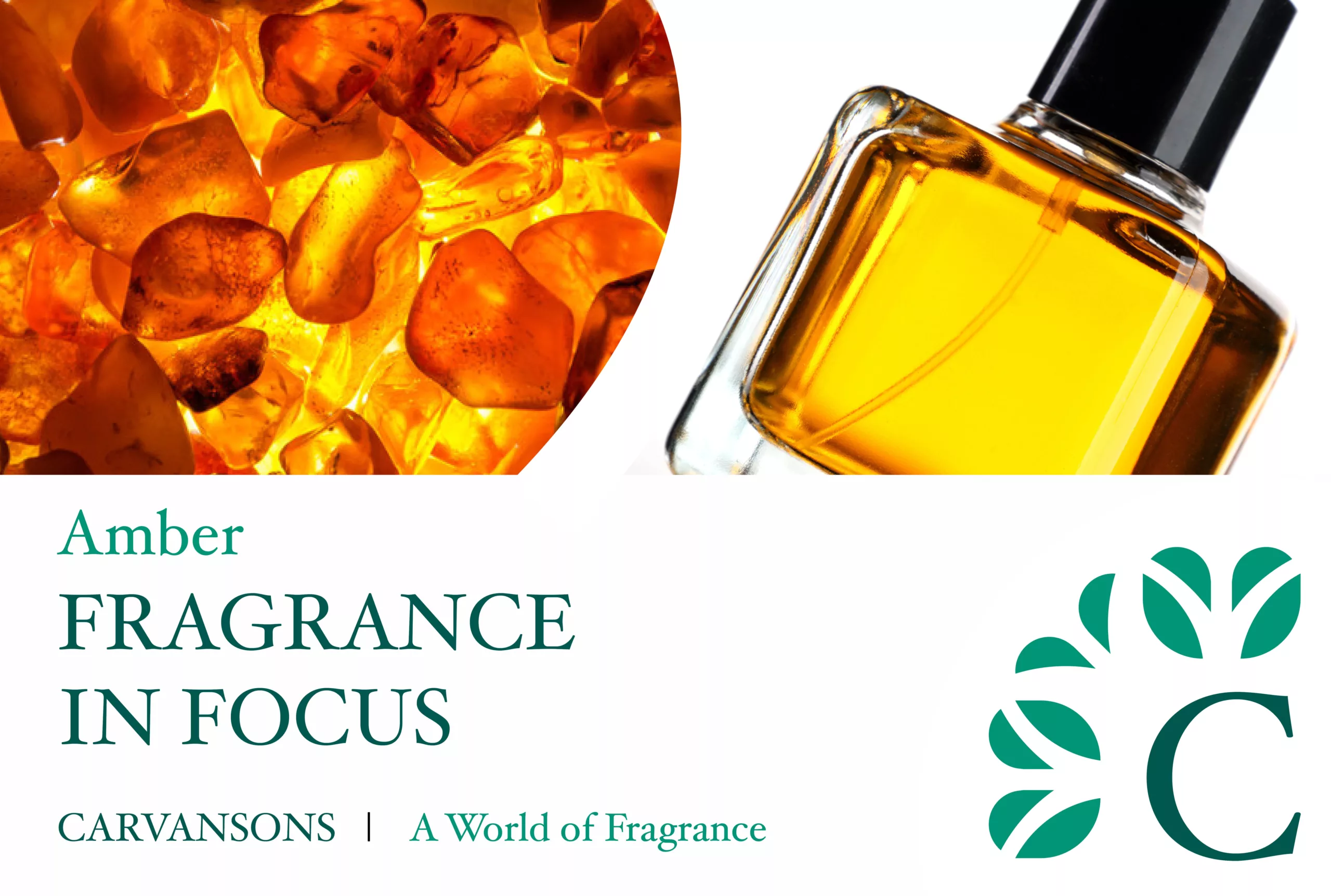
Amber, in perfumery, is not derived from fossilized tree resin (the geological amber stone) but is rather a conceptual blend—an accord—created from various resins, oils, and synthetic compounds. This accord typically forms the base of many oriental, gourmand, and even some woody fragrances, lending them depth, longevity, and a distinctive warmth. Its allure lies in its complex interplay of notes that can be both comforting and mysterious, making it a perennial favorite in the world of perfumery, home fragrance, and personal care products. The journey of amber fragrance, from its mystical origins to its contemporary manifestation, is a fascinating intersection of artistry, scientific precision, and strategic market positioning, all underscored by significant financial implications.
The Alluring Aroma of Amber: A Deep Dive into Its Olfactory Profile
To genuinely understand “what amber fragrance oil smells like,” one must first delve into its constituent parts and the overarching sensory experience it creates. It’s less a single note and more a harmonious symphony, built from foundational elements that lend it its signature character. This complex profile is why amber is so versatile and beloved, capable of conveying a spectrum of moods and atmospheres.
Decoding the Core Notes: Warmth, Resin, and Sweetness
At its heart, amber fragrance oil is defined by a profound sense of warmth and a rich, resinous quality. The cornerstone ingredients typically include:
- Labdanum: This sticky, dark brown resin from the Cistus ladanifer shrub provides the primary “amber” scent. It’s deeply resinous, leathery, smoky, and musky, imparting an ancient, almost balsamic aroma. Labdanum is crucial for amber’s characteristic depth and tenacity. Its complex chemical structure allows it to interact with other molecules in fascinating ways, creating nuances that are difficult to replicate purely synthetically, though advancements in chemical analysis and synthesis are always pushing boundaries.
- Benzoin: A sweet, vanilla-like resin from the Styrax tree, benzoin introduces a comforting, powdery, and creamy sweetness. It rounds out the sharper edges of labdanum, adding a hint of spice and a pleasant balmy quality. Benzoin is often used as a fixative in perfumery, helping to anchor other volatile notes and prolong the life of the fragrance.
- Vanilla: Often included in amber accords, vanilla adds a universally appealing sweetness, warmth, and a touch of gourmand richness. It softens the resinous elements, making the amber more inviting and less austere. Vanilla’s widespread appeal and perceived comfort make it an excellent complement to the more intense resins. Modern advancements in genetic sequencing and extraction technologies allow for even purer and more sustainable vanilla extracts, though synthetic vanillin remains a cost-effective and consistent option.
Together, these core components create an initial impression that is unequivocally warm and inviting. Imagine the comforting embrace of a cashmere blanket on a cold evening, or the soft glow of candlelight in a dimly lit room. The scent often begins with a slightly spicy, almost medicinal resinous kick from the labdanum, quickly mellowed by the balsamic sweetness of benzoin and the creamy warmth of vanilla. It’s a scent that evolves on the skin, revealing different facets over time, embodying a living, breathing fragrance experience. The sophistication of these ingredient combinations allows perfumers to craft signature amber accords that distinguish one brand from another, creating unique intellectual property in the competitive fragrance market.
Nuances and Variations: From Powdery to Smoky
While the core elements provide a consistent base, amber fragrance oil is incredibly adaptable, often featuring additional notes that steer its character in diverse directions. These variations demonstrate the artistry of perfumery and how strategic blending can cater to different tastes and market segments.
- Powdery Amber: By emphasizing benzoin and adding notes like iris or musk, amber can lean towards a soft, elegant, and slightly retro powdery feel. This iteration often feels more delicate and comforting, reminiscent of high-end cosmetic powders from bygone eras.
- Spicy Amber: Incorporating spices such as cinnamon, clove, nutmeg, or cardamom can infuse amber with an exotic warmth and vibrancy. This version is often bolder, more invigorating, and perfectly suited for colder months or evening wear. The complexity of these spice combinations requires precise formulation, often guided by advanced analytical chemistry to ensure stability and consistent scent profile.
- Smoky/Incense Amber: When amber is blended with notes like frankincense, myrrh, or birch tar, it takes on a more mysterious, contemplative, and even spiritual quality. This smoky facet adds depth and a sense of ancient ritual, making the fragrance more intense and memorable. The smoky notes can range from dry and ethereal to rich and enveloping, depending on the specific resins and woods used.
- Woody Amber: Pairing amber with woods like sandalwood, cedarwood, or patchouli enhances its earthy and grounding aspects. This creates a more robust, sophisticated, and often masculine interpretation of amber, with a greater sense of natural depth and longevity.
- Sweet/Gourmand Amber: Some amber oils lean heavily into the sweet, almost edible realm, by amplifying vanilla and adding notes like caramel, honey, or tonka bean. These gourmand ambers are incredibly comforting and often evoke the warmth of baked goods or decadent desserts.
Ultimately, the smell of amber fragrance oil is a journey into warmth, richness, and complexity. It’s a scent that speaks of tradition and luxury, capable of being both grounding and uplifting. Its versatility ensures that there’s an amber for almost every preference, making it a staple in both high-end perfumery and accessible consumer products, a testament to its enduring appeal and commercial viability.
Beyond the Bottle: Amber Fragrance Oil in the Age of Tech and Innovation
The fragrance industry, traditionally steeped in artisan craftsmanship, is undergoing a profound transformation driven by technological advancements. Amber fragrance oil, a classic note, is no exception. From its creation and analysis to its distribution and consumption, technology is reshaping every facet of its journey, impacting both its sensory profile and its market reach.
The Digital Nose: AI, Analytics, and Fragrance Formulation
The art of perfumery, once solely the domain of human noses and intuition, is increasingly being augmented by cutting-edge technology. AI and advanced analytical tools are revolutionizing how amber accords are formulated, refined, and understood.
- AI-Powered Scent Discovery and Formulation: Artificial intelligence algorithms are now capable of analyzing vast datasets of chemical structures, scent profiles, and consumer preferences. For amber, this means AI can suggest novel combinations of labdanum, benzoin, vanilla, and other resins to create unique amber accords that cater to specific market trends or fill gaps in existing scent libraries. AI can predict how certain molecules will interact, optimize ingredient ratios for stability and longevity, and even design entirely new aroma molecules inspired by natural amber components. This accelerates the R&D process, reduces trial-and-error, and opens up possibilities for never-before-smelled amber variations.
- Gas Chromatography-Mass Spectrometry (GC-MS): This sophisticated analytical technique is indispensable in modern perfumery. For natural amber raw materials like labdanum or benzoin, GC-MS precisely identifies and quantifies their individual volatile compounds. This detailed chemical fingerprint allows perfumers to understand the exact composition of an amber oil, ensuring consistency across batches and aiding in the creation of high-fidelity synthetic amber accords when natural ingredients are scarce or unsustainable. It also helps in identifying potential allergens or unwanted impurities, contributing to digital security in ingredient sourcing and quality control.
- Computational Olfaction: Researchers are using computational models to simulate how scent molecules interact with human olfactory receptors. This “digital nose” can help predict how an amber accord will be perceived before it’s even physically blended. For brand strategy, this offers an incredible advantage, allowing companies to fine-tune their amber offerings to maximize appeal to specific demographic segments, informed by data-driven insights rather than solely by human perception, which can be subjective.
- Sustainable Sourcing and Traceability: Technology, particularly blockchain, is playing a crucial role in ensuring the ethical and sustainable sourcing of natural amber ingredients. By creating an immutable digital ledger, brands can track raw materials like labdanum resin from their origin (e.g., harvesting in Mediterranean regions) through processing, all the way to the final product. This transparency builds consumer trust, enhances brand reputation, and helps companies comply with environmental regulations, directly impacting their corporate identity and financial standing.
Smart Scents and E-commerce: Gadgets, Apps, and Digital Marketplaces
The way consumers experience and purchase amber fragrance oil is also being transformed by technology, particularly through smart devices and the pervasive reach of e-commerce.
- Smart Diffusers and App Control: The rise of smart home technology has brought sophisticated scent diffusers that can be controlled via smartphone apps. These gadgets allow users to program scent schedules, adjust intensity, and even blend different fragrance oils (including amber) from a digital palette. For brands, this opens new avenues for selling specialized amber oil cartridges, creating subscription models, and gathering user data on scent preferences—all valuable for refining future product development and marketing strategies. The integration of AI in these apps can even recommend amber blends based on user mood, time of day, or calendar events, creating a truly personalized ambient scent experience.
- E-commerce Platforms and Digital Security: The primary channel for purchasing fragrance oils today is increasingly online. Dedicated e-commerce platforms, from large retailers to specialized artisan shops, make amber oils accessible globally. This digital marketplace relies heavily on robust digital security measures to protect customer data, financial transactions, and intellectual property. Secure payment gateways, encrypted communications, and fraud detection systems are essential for maintaining consumer trust and ensuring seamless online income streams for businesses. Website analytics tools provide invaluable insights into consumer behavior, allowing brands to optimize their digital presence and target marketing efforts more effectively, a crucial component of modern brand strategy.
- Augmented Reality (AR) and Virtual Try-Ons: While scent is challenging to digitize, AR technology is beginning to bridge the gap. Brands are experimenting with AR apps that allow customers to “experience” the mood and imagery associated with an amber fragrance before purchasing. This could involve virtual environments that evoke the warmth and richness of amber, accompanied by detailed scent descriptions and customer reviews. While not a direct scent delivery, it enhances the digital shopping experience, providing more context and confidence, thereby reducing returns and increasing conversion rates.
- Personalized Scent Recommendation Engines: Using AI and machine learning, online retailers are developing recommendation engines that suggest amber fragrance oils based on a customer’s past purchases, browsing history, stated preferences, and even their lifestyle profiles. This level of personalization not only improves the customer experience but also drives sales and fosters brand loyalty, transforming how consumers discover their next favorite amber scent. For companies, this translates directly into optimized marketing spend and improved customer lifetime value.
The integration of technology into the amber fragrance oil ecosystem is not just about efficiency; it’s about creating new experiences, fostering deeper connections with consumers, and ultimately, driving innovation and growth in a highly competitive market.
Crafting Identity and Driving Value: The Brand and Money Behind Amber
Amber fragrance oil is more than just a pleasant smell; it is a powerful tool for branding, a luxury commodity with significant economic value, and a source of potential online income. The strategic application of branding principles and a shrewd understanding of financial markets elevate amber from a mere ingredient to a key player in the global fragrance economy.
The Branding Power of Scent: From Luxury Identity to Personal Expression
Scent has a unique ability to forge emotional connections and leave lasting impressions, making amber fragrance oil an invaluable asset in brand strategy, personal branding, and corporate identity.
- Luxury Brand Identity: For high-end fragrance houses, amber is often a signature note, synonymous with opulence, sophistication, and timeless elegance. Brands leverage amber to craft a distinct identity, using its warmth and depth to convey a sense of heritage and artisanal quality. The marketing narratives around amber often emphasize rarity, exoticism, and craftsmanship, carefully curated through visual design (packaging, bottle aesthetics), advertising campaigns, and celebrity endorsements. This holistic approach ensures that the “smell of amber” becomes intrinsically linked to the brand’s perceived value and reputation, justifying premium pricing and fostering brand loyalty among discerning consumers. The consistency of the amber accord across product lines, from EDPs to body lotions, reinforces this corporate identity.
- Personal Branding Through Scent: Individuals increasingly use fragrance as an extension of their personal brand. Choosing an amber scent communicates specific personality traits: warmth, sophistication, sensuality, or a desire for comfort. A signature amber fragrance can become a memorable part of one’s identity, influencing how others perceive them. This personal branding aspect fuels consumer demand for unique, high-quality amber oils, driving a market for artisanal perfumers and bespoke scent services. Fragrance influencers on social media platforms often discuss “scent wardrobes” and “signature scents,” showcasing how amber can contribute to one’s self-expression and public image, indirectly impacting the financial success of brands they review or endorse.
- Corporate Identity and Sensory Marketing: Beyond individual products, businesses are increasingly recognizing the power of ambient scent to shape corporate identity and customer experience. A luxury hotel might diffuse a bespoke amber fragrance in its lobby to create an inviting, opulent atmosphere; a high-end boutique might use a subtle amber note to convey warmth and exclusivity. This form of sensory marketing enhances the customer journey, strengthens brand recall, and can even influence purchasing decisions. The strategic deployment of amber as part of a corporate identity contributes to brand equity and ultimately, the company’s bottom line.
- Marketing and Design Narratives: The rich, evocative nature of amber lends itself to compelling marketing narratives. Brands often build stories around the ancient origins of resins, the exotic lands they come from, or the comforting memories they evoke. Packaging design plays a crucial role, with bottles and boxes often reflecting the warm, golden hues and ornate aesthetics associated with amber. These carefully constructed visual and narrative elements reinforce the perceived value and unique selling proposition of amber-based fragrances, making them desirable luxury items.

Monetizing Aroma: Investments, Side Hustles, and the Fragrance Economy
The captivating allure of amber translates into significant financial opportunities, spanning from major investments in the global fragrance market to individual side hustles and entrepreneurial ventures.
- The Global Fragrance Market and Investment Opportunities: The global fragrance market is a multi-billion-dollar industry, and amber remains a critical component of many best-selling perfumes. Investing in publicly traded fragrance companies, chemical suppliers that produce amber aroma chemicals, or even raw material suppliers can offer significant financial returns. Understanding market trends, consumer preferences (often influenced by tech-driven analytics), and supply chain dynamics is crucial for smart investment decisions in this sector. The increasing demand for sustainable and ethically sourced ingredients also presents investment opportunities in companies pioneering green chemistry and transparent supply chains.
- Online Income and Side Hustles: The accessibility of e-commerce platforms has democratized the fragrance market, enabling individuals to generate online income through amber-related side hustles.
- Artisan Perfumery: Aspiring perfumers can create and sell their own unique amber fragrance oils, candles, soaps, or diffusers through online marketplaces like Etsy, Shopify, or even their own branded websites. This requires understanding fragrance formulation (potentially using tech like online formulation tools), effective branding, and digital marketing strategies to reach target audiences.
- Affiliate Marketing and Influencer Collaborations: Individuals with an interest in fragrance can become affiliate marketers for established amber fragrance brands, earning commissions on sales driven through their unique links. Fragrance reviewers and influencers on platforms like YouTube, Instagram, and TikTok leverage their personal brand and expertise to review amber products, creating valuable content that drives traffic and sales for brands, generating income through sponsorships and ad revenue.
- DIY Kits and Tutorials: Capitalizing on the growing interest in crafting, entrepreneurs can sell DIY amber fragrance oil blending kits or offer online tutorials, charging for access to educational content or materials. This niche leverages creativity and provides a valuable service to hobbyists, contributing to a diverse online income portfolio.
- Business Finance and Pricing Strategies: For businesses operating in the fragrance space, understanding the financial aspects of amber production and sales is paramount. This includes managing the cost of raw materials (which can fluctuate based on global supply and demand, geopolitical events, and environmental factors), manufacturing expenses, marketing budgets (often digitally focused), and distribution costs. Pricing strategies for amber fragrances often reflect the perceived luxury and complexity of the scent, with high-end brands commanding premium prices due to their unique formulations, brand equity, and exclusive distribution channels. Financial tools and robust business finance management are critical for profitability and growth in this competitive industry.
In conclusion, “what amber fragrance oil smells like” is a nuanced sensory experience—warm, resinous, sweet, and profoundly comforting. Yet, its story extends far beyond its aroma. It is a tale of how ancient resins meet modern technology, how artistic perfumery is enhanced by AI and data, and how a captivating scent becomes a powerful asset in brand building and wealth generation. Amber’s journey from a humble resin to a global commodity underscores the intricate dance between nature, innovation, and strategic market engagement, making it a truly compelling subject in the contemporary world.
aViewFromTheCave is a participant in the Amazon Services LLC Associates Program, an affiliate advertising program designed to provide a means for sites to earn advertising fees by advertising and linking to Amazon.com. Amazon, the Amazon logo, AmazonSupply, and the AmazonSupply logo are trademarks of Amazon.com, Inc. or its affiliates. As an Amazon Associate we earn affiliate commissions from qualifying purchases.