
Amazon Prime is far more than just a fast shipping service; it is a masterclass in brand strategy, customer loyalty, and ecosystem integration that has fundamentally reshaped the landscape of e-commerce and digital entertainment. At its core, Prime is a subscription service that bundles a myriad of benefits under a single annual or monthly fee, strategically designed to entrench customers within the Amazon ecosystem. For brand strategists, marketers, and business leaders, understanding “what Amazon Prime does” involves dissecting its multifaceted approach to value creation, customer retention, and brand reinforcement. This article will delve into the strategic pillars that make Amazon Prime not just a popular service, but a crucial component of Amazon’s corporate identity and market dominance.

The Genesis of a Brand Phenomenon: From Expedited Shipping to Ecosystem Dominance
Launched in 2005, Amazon Prime began with a singular, compelling promise: unlimited two-day shipping on eligible items for an annual fee. This seemingly simple offering was, in fact, a stroke of genius that addressed a significant customer pain point and laid the groundwork for one of the most powerful loyalty programs in history.
Solving a Core Customer Pain Point: The Early Advantage of Free Two-Day Shipping
Before Prime, the cost and speed of shipping were often major deterrents for online shoppers. Amazon identified this friction and offered a solution that was not only convenient but also psychologically powerful. By paying an upfront annual fee, customers no longer had to think about shipping costs for individual purchases. This freedom from per-transaction shipping fees encouraged more frequent purchases and positioned Amazon as the ultimate destination for hassle-free online shopping. The brand quickly became synonymous with speed, reliability, and unparalleled convenience, building a bedrock of trust and expectation among its early adopters. This initial focus on logistics excellence established a strong foundation for the Prime brand, setting it apart from competitors who were still grappling with standard shipping models. It wasn’t just about faster delivery; it was about removing a major psychological barrier to purchase, making Amazon the path of least resistance for millions.
Expanding the Value Proposition: Diversification as a Brand Strategy
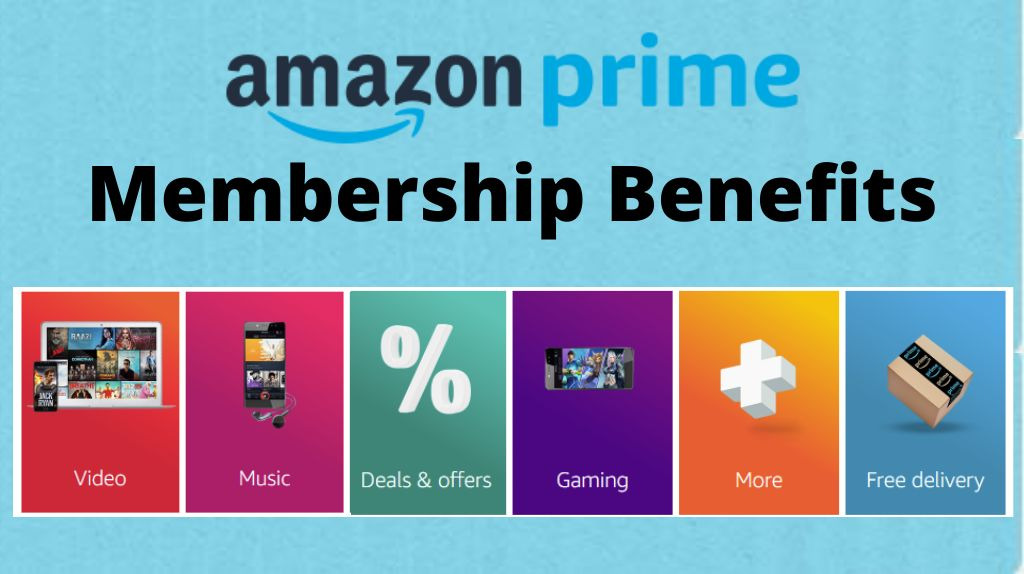
Recognizing the potential to deepen customer engagement and increase the perceived value of the subscription, Amazon strategically began to expand Prime’s benefits beyond shipping. The introduction of digital services like Prime Video (streaming movies and TV shows), Prime Music (ad-free music streaming), Prime Photos (unlimited cloud storage), and Prime Reading (access to a rotating selection of e-books and magazines) transformed Prime from a shipping program into a comprehensive digital lifestyle package. This diversification was a brilliant brand strategy for several reasons: it broadened Prime’s appeal to different customer segments, increased the “stickiness” of the subscription by catering to multiple needs, and, most importantly, further locked customers into the Amazon ecosystem. Each new service acted as an additional anchor, making it increasingly difficult and less appealing for members to cancel their subscription. The brand message evolved from simply “fast delivery” to “your all-access pass to convenience and entertainment,” significantly enriching Amazon’s corporate identity and its promise to consumers.
Amazon Prime as a Masterclass in Customer Loyalty and Retention
The true power of Amazon Prime lies in its unparalleled ability to cultivate deep customer loyalty and ensure high retention rates. This isn’t accidental; it’s a result of deliberate psychological and data-driven strategies.
The “Sunk Cost Fallacy” and Perceived Value: Driving Engagement
One of the most potent psychological mechanisms at play within Prime is the “sunk cost fallacy.” Once members pay their annual fee, they are naturally incentivized to utilize as many of Prime’s benefits as possible to justify their investment. This encourages greater engagement with Amazon’s various services, from streaming videos to ordering groceries. The more benefits a member uses, the higher the perceived value of their subscription, reinforcing the feeling that they are getting an incredible deal. This continuous engagement leads to a virtuous cycle: increased usage deepens brand interaction, which in turn strengthens loyalty and reduces the likelihood of churn. The brand strategically positions Prime as an indispensable part of daily life, offering so much value that the annual fee seems negligible in comparison to the sum of its parts. This fosters a brand relationship built on constant utility and satisfaction.
Data-Driven Personalization: Reinforcing the Brand-Customer Relationship
Amazon’s vast data collection capabilities are amplified by Prime membership. Every interaction—every purchase, every show watched, every song streamed—provides valuable insights into member preferences, behaviors, and needs. This rich data allows Amazon to offer highly personalized recommendations, tailor marketing communications, and even anticipate future needs. When a Prime member receives personalized suggestions for products or content that genuinely resonate with their interests, it reinforces the feeling that Amazon “understands” them. This level of personalization strengthens the bond between the customer and the brand, making the Prime experience feel uniquely tailored and indispensable. It’s a strategic move that transforms a transactional relationship into a deeply personal one, elevating Amazon’s brand beyond a mere retailer to a trusted personal curator.
The “Halo Effect”: Elevating the Entire Amazon Brand

Prime membership creates a significant “halo effect” across the entire Amazon brand. Positive experiences with Prime benefits—whether it’s the convenience of free shipping, the entertainment of Prime Video, or the savings on Prime Day—spill over and enhance the perception of all Amazon offerings. Members are more likely to trust new Amazon products or services, explore different categories, and become loyal customers for life. Prime acts as a powerful gateway, converting occasional Amazon shoppers into core members of the Amazon ecosystem. This elevated brand perception contributes significantly to Amazon’s overall corporate identity, portraying it as an innovative, customer-centric, and indispensable global leader. The existence of Prime makes the entire Amazon brand feel more premium, more reliable, and more essential.
Marketing and Brand Identity: Communicating the Prime Promise
The success of Amazon Prime is inextricably linked to how Amazon strategically markets its diverse offerings and communicates its unique brand identity to a global audience.
Crafting a Unique Selling Proposition (USP): Convenience, Entertainment, and Exclusivity
Amazon has masterfully articulated Prime’s unique selling proposition (USP) by packaging an array of benefits under a cohesive promise of convenience, entertainment, and exclusivity. The marketing message isn’t just about listing features; it’s about selling a lifestyle. Campaigns often highlight the ease of ordering necessities, the joy of discovering new shows, and the satisfaction of receiving exclusive deals. The narrative focuses on how Prime simplifies life, provides endless entertainment, and offers a premium experience unavailable elsewhere. This multifaceted USP appeals to a broad demographic, from busy parents valuing time savings to entertainment enthusiasts seeking new content. By consistently reinforcing these core values, Amazon builds a brand identity that transcends individual services, creating a holistic promise of an “effortless life” powered by Prime. This clarity in communication is vital in maintaining brand coherence despite the growing number of Prime benefits.
Brand Associations: Speed, Reliability, and Premium Access
Through consistent service delivery and pervasive marketing, Amazon has successfully cultivated strong brand associations with Prime: speed, reliability, and premium access. The iconic Prime logo, often seen next to product listings, immediately signals fast, free shipping. Prime Day, an annual sales event exclusively for Prime members, further reinforces the notion of premium access and exclusive benefits, transforming a shopping event into a celebration of Prime membership itself. These associations are critical in shaping consumer perceptions and influencing purchasing decisions. They position Prime not just as a service, but as a badge of smart shopping and privileged access. This consistent messaging and execution across all touchpoints ensure that the Amazon Prime brand stands for an uncompromising standard of service and value, contributing significantly to its competitive advantage.
The Strategic Impact of Prime on Amazon’s Corporate Identity and Market Position
Beyond its immediate benefits to consumers, Amazon Prime plays a pivotal role in shaping Amazon’s overall corporate identity and solidifying its dominant market position.
Fostering a “Prime Mindset”: The Psychological Advantage in E-commerce
Prime has effectively fostered a “Prime mindset” among its members. This refers to the psychological shift where Prime members, having paid for the service, are more inclined to default to Amazon for virtually all their shopping needs. This isn’t just about convenience; it’s about a fundamental change in purchasing behavior. Prime members tend to shop more frequently and spend significantly more than non-Prime customers. They develop a habit of “checking Amazon first” because they feel they’ve already “paid” for the benefits. This mindset gives Amazon an enormous psychological advantage in the e-commerce landscape, making it the default, top-of-mind choice for millions. It underscores how Prime has transcended being a mere subscription to become a deeply ingrained consumer habit, a powerful testament to its brand engineering.
Competitive Moat: Differentiating Amazon in a Crowded Market
In an increasingly competitive e-commerce and digital services market, Prime serves as Amazon’s most significant competitive moat. Its comprehensive bundle of benefits, combined with its massive scale and logistical prowess, makes it incredibly difficult for competitors to replicate. While other retailers have attempted similar loyalty programs, none have matched the breadth, depth, and integration of Amazon Prime. This differentiation solidifies Amazon’s market leadership and creates a formidable barrier to entry for potential rivals. Prime isn’t just about offering more; it’s about offering a cohesive, integrated ecosystem that fosters unparalleled customer loyalty and reduces price sensitivity. This strategic differentiation is central to Amazon’s corporate identity as a market innovator and an almost insurmountable competitor, allowing it to maintain its formidable position across diverse industries.
Conclusion
In essence, “what Amazon Prime does” is far more profound than simply offering fast shipping and digital entertainment. It is a strategic masterpiece in brand building, customer relationship management, and market dominance. From its origins as a solution to shipping woes to its evolution into a sprawling ecosystem of benefits, Prime has continuously reinforced Amazon’s brand identity as a purveyor of convenience, value, and innovation. It cultivates deep loyalty through psychological nudges and data-driven personalization, creates a powerful “halo effect” for the entire Amazon brand, and establishes an almost unassailable competitive moat. For any organization looking to understand the intricacies of modern brand strategy, customer retention, and ecosystem development, Amazon Prime stands as an unparalleled case study in how to build a powerful and enduring brand powerhouse in the digital age.
aViewFromTheCave is a participant in the Amazon Services LLC Associates Program, an affiliate advertising program designed to provide a means for sites to earn advertising fees by advertising and linking to Amazon.com. Amazon, the Amazon logo, AmazonSupply, and the AmazonSupply logo are trademarks of Amazon.com, Inc. or its affiliates. As an Amazon Associate we earn affiliate commissions from qualifying purchases.