
In the contemporary marketplace, the word “aesthetic” has transitioned from a niche philosophical term to a cornerstone of commercial strategy. When we ask, “What does aesthetic mean?” in the context of branding, we are not simply talking about whether a logo looks “pretty” or if a website is modern. Instead, we are discussing a comprehensive visual language that communicates a brand’s values, personality, and promises to its audience without saying a single word.
A brand aesthetic is the cohesive sensory experience—primarily visual—that a company or individual creates to define their identity. It is the connective tissue between a product and a consumer’s lifestyle. In an era of infinite scroll and eight-second attention spans, an aesthetic is often the first and most lasting impression a brand makes.

Defining Aesthetic in the Context of Brand Strategy
To understand aesthetic in branding, one must look beyond the surface level of “style.” In professional brand strategy, an aesthetic is a curated set of visual principles that guide every creative decision, from packaging design to social media filters.
Beyond Just “Looking Good”
Many businesses make the mistake of choosing a “clean” or “minimalist” look simply because it is trendy. However, a true brand aesthetic is rooted in purpose. It is the visual translation of a brand’s “Why.” If a brand claims to be rugged and outdoorsy, its aesthetic cannot be sterile and neon. The aesthetic must validate the brand’s mission. It acts as a heuristic—a mental shortcut—that helps consumers instantly categorize a brand. When an aesthetic is executed correctly, the consumer knows what the brand stands for before they even read the “About Us” page.
The Psychology of Visual Cues
Human beings are hardwired to respond to visual stimuli emotionally. Cognitive psychology tells us that we process images 60,000 times faster than text. Therefore, an aesthetic is a psychological tool. It utilizes color, shape, and composition to trigger specific neuro-responses. A luxury brand uses an aesthetic of “space” (large margins, minimalist layouts) to signal exclusivity and calm, whereas a discount brand might use “clutter” and bright colors to signal energy and accessibility. “Aesthetic” is the intentional manipulation of these cues to align with a specific market position.
The Core Components of a Brand Aesthetic
Building a brand aesthetic requires a meticulous selection of several visual pillars. Each component must work in harmony to create a unified “vibe” that becomes recognizable even when the brand’s logo is removed.
Color Theory and Emotional Resonance
Color is perhaps the most powerful element of a brand’s aesthetic. It is the first thing a human eye perceives. In branding, color theory is used to evoke specific emotions. For instance, blue is frequently used by financial and tech institutions (like Chase or LinkedIn) to evoke trust and stability. Conversely, red is used by food and entertainment brands (like Netflix or Coca-Cola) to stimulate appetite and excitement. A brand’s aesthetic is defined by its palette—whether it’s monochromatic, pastel, high-contrast, or earthy. This palette dictates the “mood” of the brand’s universe.
Typography as a Tone of Voice
If colors are the mood, typography is the voice. The fonts chosen for a brand aesthetic carry immense weight. A tall, thin serif font suggests elegance, heritage, and sophistication, often seen in high-fashion magazines like Vogue. A bold, rounded sans-serif suggests friendliness, modernism, and tech-savviness, commonly found in startup branding. When we talk about an aesthetic, we are talking about the consistency of this voice across all mediums.
Imagery and Art Direction
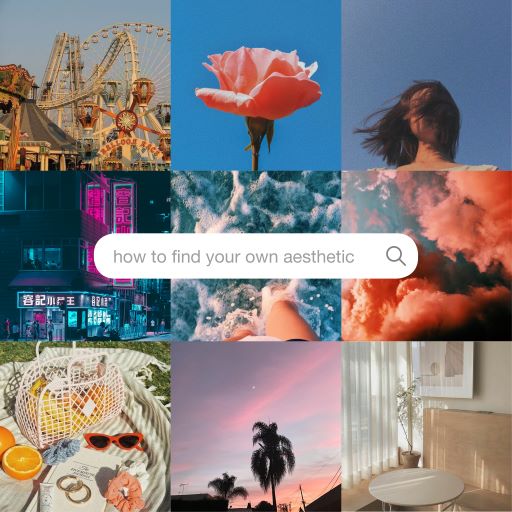
The “aesthetic” is most visible in the photography and videography a brand produces. Art direction involves making choices about lighting, saturation, and composition. Does the brand use grainy, film-like photography to evoke nostalgia? Or does it use high-definition, clinical imagery to emphasize precision? This layer of the aesthetic allows a brand to inhabit a specific lifestyle. It’s the difference between a brand that feels like a “sunny morning in California” and one that feels like a “neon-lit night in Tokyo.”
Building a Coherent Personal and Corporate Aesthetic
Whether you are an individual building a personal brand on LinkedIn or a CEO overseeing a corporate identity, the challenge remains the same: consistency. An aesthetic is only effective if it is repeatable and recognizable.
Consistency Across Digital Touchpoints
In the digital age, a brand exists in many places at once: an Instagram feed, a mobile app, an email newsletter, and a physical product. A fragmented aesthetic creates “cognitive dissonance” in the consumer. If your website looks like a high-tech laboratory but your packaging looks like a rustic farmhouse, the consumer loses trust. They can’t pin down who you are. A professional aesthetic requires a “Brand Style Guide” that dictates exactly how the brand should look in every possible context, ensuring that the “soul” of the brand remains intact whether a customer is looking at a billboard or a tweet.
The Role of Minimalism vs. Maximalism
Currently, two dominant aesthetic movements exist in the branding world. Minimalism, or “Blanding,” has been the standard for the last decade—characterized by sans-serif fonts and plenty of white space. It focuses on clarity and “frictionless” experiences. However, we are seeing a rise in “Maximalism,” particularly among Gen Z-focused brands. This aesthetic uses clashing colors, bold patterns, and eclectic typography to stand out in a crowded market. Choosing between these is not just a matter of taste; it is a strategic decision based on who you are trying to reach and what noise you are trying to cut through.
Measuring the Impact of Aesthetic on Brand Loyalty
It is a common misconception that aesthetics are “fluff” or “vanity metrics.” In reality, aesthetic investment has a direct impact on the bottom line by fostering brand loyalty and justifying premium pricing.
Aesthetic Labor and Consumer Perception
There is a concept in marketing known as “Aesthetic Labor.” When a brand puts immense effort into its visual presentation, consumers perceive the underlying product as being of higher quality. This is the “Halo Effect.” If a skincare bottle has a heavy, glass feel and a beautifully embossed label (a premium aesthetic), the consumer is psychologically primed to believe the serum inside is more effective than a plastic bottle from a drugstore. The aesthetic justifies the price point.
Case Studies: Apple and Nike
Apple is the gold standard of brand aesthetic. Their “minimalist-industrial” aesthetic is so strong that you can recognize an Apple product or advertisement without ever seeing the logo. It communicates “simplicity” and “innovation.” Similarly, Nike’s “heroic-athletic” aesthetic uses high-contrast imagery and powerful, centered typography to make the consumer feel like an athlete. These brands don’t just sell products; they sell an aesthetic that people want to incorporate into their own lives. People don’t just buy a MacBook; they buy the “Apple aesthetic” to signal something about their own professional identity.
Future-Proofing Your Brand’s Visual Identity
Aesthetics are not static. As culture shifts, visual tastes evolve. However, a brand that changes its aesthetic too often will lose its identity. The key to successful branding is “evolution, not revolution.”
Adapting to Generational Shifts (Gen Z vs. Millennials)
We are currently witnessing a major shift in aesthetics as Gen Z gains purchasing power. While Millennials favored “Instagrammable” perfection—highly curated, bright, and polished—Gen Z often prefers “Authentic” aesthetics. This includes lo-fi photography, “ugly-cool” design, and a rejection of overly polished corporate visuals. Brands that want to stay relevant must understand these shifts. To “aestheticize” for a younger audience means moving away from perfection and toward personality and raw expression.
Conclusion: The Strategic Power of the Visual
In conclusion, “what does aesthetic mean” is a question with a multi-layered answer. In the world of branding, it is the bridge between a company’s internal values and its external perception. It is a strategic asset that builds trust, commands higher prices, and creates emotional bonds with consumers. By meticulously curating color, typography, and imagery, and by maintaining rigorous consistency, a brand can transcend being a mere commodity and become a cultural icon. In a world of infinite choice, your aesthetic is often the reason a customer chooses you.
aViewFromTheCave is a participant in the Amazon Services LLC Associates Program, an affiliate advertising program designed to provide a means for sites to earn advertising fees by advertising and linking to Amazon.com. Amazon, the Amazon logo, AmazonSupply, and the AmazonSupply logo are trademarks of Amazon.com, Inc. or its affiliates. As an Amazon Associate we earn affiliate commissions from qualifying purchases.