
When the term “acid rain” is mentioned, the immediate imagery is often environmental: skeletal trees, lifeless lakes, and eroding statues. However, for the modern investor, economist, and business leader, the implications of acid rain—technically known as acid deposition—extend far beyond the biosphere. From a financial perspective, acid rain represents a massive, often hidden, externalized cost that affects everything from real estate valuations and agricultural commodity markets to public infrastructure budgets and healthcare expenditures.
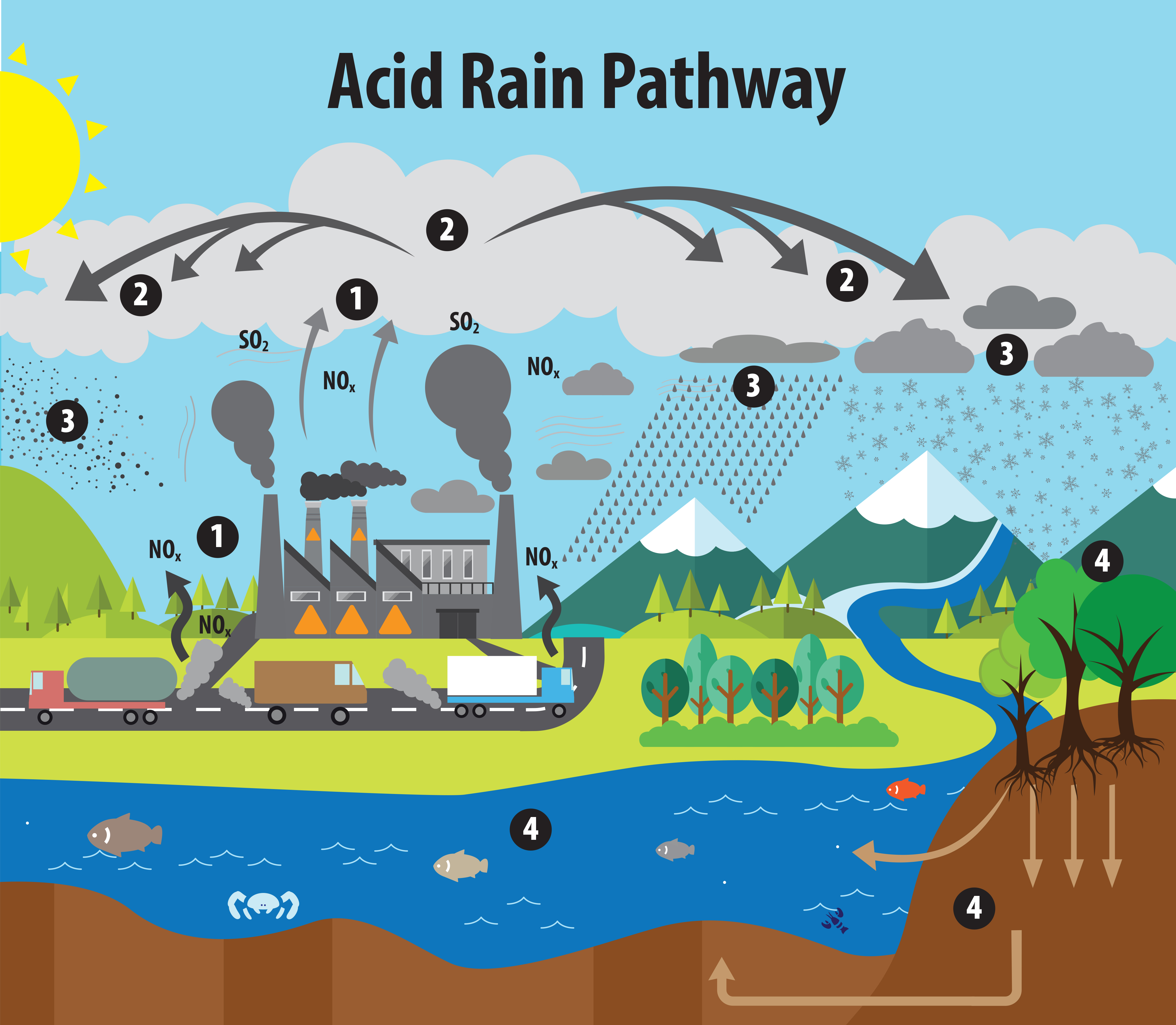
In the realm of personal and corporate finance, understanding the reach of acid rain is essential for risk assessment. As global markets pivot toward ESG (Environmental, Social, and Governance) criteria, the economic damage caused by sulfur dioxide (SO2) and nitrogen oxides (NOx) emissions has become a quantifiable liability. To answer the question of what acid rain affects, one must look at the balance sheets of nations and the portfolios of long-term investors.

The Erosion of Real Estate and Infrastructure Assets
The most visible financial impact of acid rain is the physical degradation of capital assets. When acidic compounds fall to earth, they react chemically with stone, metal, and paint, leading to accelerated weathering and structural weakening.
Depreciation of Historic and Modern Architecture
For the real estate sector, acid rain is a silent thief of property value. Limestone and marble, frequently used in high-value historic buildings and luxury modern facades, are particularly susceptible. The sulfuric acid in the rain reacts with the calcium carbonate in the stone to create gypsum, which then flakes off, blurring architectural details and compromising structural integrity.
From a “Money” perspective, this necessitates increased capital expenditure (CapEx) for restoration and maintenance. Property management firms and Real Estate Investment Trusts (REITs) holding historic urban assets must budget significantly more for facade stabilization and chemical cleaning, costs that directly eat into Net Operating Income (NOI). In cities like London, Rome, and Washington D.C., the annual cost of repairing acid-rain-damaged masonry runs into the hundreds of millions of dollars.
The Rising Costs of Public Infrastructure Maintenance
Beyond private real estate, acid rain places a heavy burden on the public purse. Bridges, rail lines, and power grids are often constructed from steel and reinforced concrete. Acid rain accelerates the corrosion of steel and the carbonation of concrete, leading to shorter lifespans for critical infrastructure.
For the taxpayer and the municipal bond investor, this is a critical concern. If a bridge designed to last 75 years requires a total overhaul after 50 due to atmospheric corrosion, the “return on investment” for that public project collapses. This leads to higher debt loads for local governments and a potential downgrading of credit ratings, which in turn increases the cost of borrowing—a classic example of how environmental factors ripple through financial systems.
Agricultural and Forestry Yields: The Impact on Commodity Markets
The primary sector—comprising agriculture and forestry—is perhaps the most sensitive to the chemistry of precipitation. For investors in agricultural commodities or timberland, acid rain represents a systemic risk to yield and profitability.
Soil Nutrient Depletion and Fertilizer Expenditure
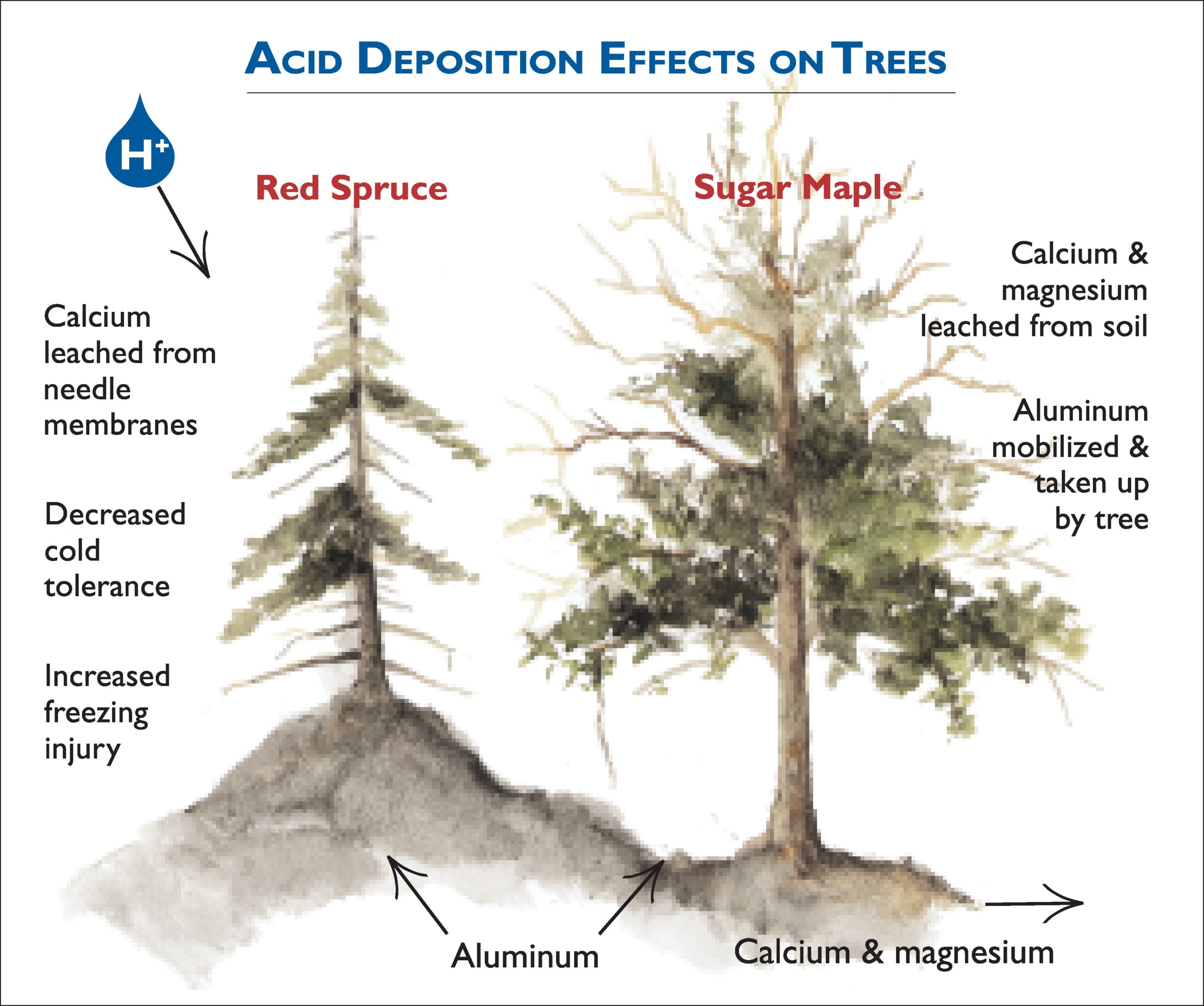
Acid rain does not just touch the surface of plants; it alters the fundamental chemistry of the soil. As acidic water percolates through the earth, it leaches away essential nutrients like calcium, magnesium, and potassium. Simultaneously, it mobilizes toxic metals like aluminum, which can stunt root growth and prevent water uptake.
For the commercial farmer, this translates directly to increased input costs. To maintain yields, farmers must invest more heavily in soil amendments, such as lime (to neutralize acidity) and specialized fertilizers to replace leached nutrients. These added costs squeeze profit margins in an industry already characterized by thin returns and high volatility. In regions with naturally acidic soil, the “acid rain tax” on farming operations can be the difference between a profitable year and a bankruptcy-inducing loss.
Timber Industry Volatility and Long-term Asset Devaluation
Forestry is a long-term investment, often spanning 20 to 50 years. Acid rain affects the “health” of this asset class by weakening trees’ natural defenses against pests, disease, and cold weather. This is known as “forest decline.”
When large swaths of timberland are affected, the immediate financial impact is a reduction in growth rates, meaning the asset takes longer to reach “maturity” for harvest. This delays cash flow and reduces the Internal Rate of Return (IRR) for timberland investment funds. Furthermore, the risk of total loss increases; weakened forests are more susceptible to catastrophic infestations, which can wipe out millions of dollars in biological assets overnight. For institutional investors like pension funds that rely on the stability of timber, acid rain is a significant, albeit slow-moving, risk factor.
The Macroeconomic Burden: Health Costs and Productivity Loss
While the direct physical damage to buildings and crops is easier to quantify, the most substantial financial impact of the precursors to acid rain (SO2 and NOx) is found in human capital. People are the most valuable asset in any economy, and their health is a primary driver of economic productivity.
Healthcare Expenditures Linked to Respiratory Issues
The same pollutants that cause acid rain also create fine particulate matter (PM2.5) and ground-level ozone. These are linked to a host of expensive medical conditions, including chronic bronchitis, asthma, and cardiovascular disease.
In a modern economy, the financial burden of these illnesses is shared between the state, private insurers, and individuals. High healthcare spending on preventable environmental illnesses diverts capital away from productive investments. For businesses, this manifests as higher premiums for employee health insurance and increased “presenteeism,” where employees are at work but performing at sub-optimal levels due to chronic health issues.
The Indirect Cost of Labor Force Attrition
On a macroeconomic scale, acid rain and its associated pollutants contribute to premature mortality and disability. Every year of life lost to environmentally induced illness is a year of lost economic output. Economists use a metric called the “Value of a Statistical Life” (VSL) to quantify this loss. When hundreds of thousands of people worldwide suffer from the respiratory effects of the precursors to acid rain, the aggregate loss to Global GDP is measured in the trillions of dollars. For the investor, this means a slower-growing global economy and potentially lower returns across all asset classes.
Investing in Mitigation: The Business of Clean Tech and Regulatory Compliance
Where there is a financial problem, there is often a financial opportunity. The need to mitigate acid rain has birthed an entire sector of the “Green Economy,” creating new avenues for investment and growth.
The Cap-and-Trade Model and Carbon Credits
The fight against acid rain provided the blueprint for modern environmental finance. The U.S. Acid Rain Program, established under the Clean Air Act Amendments of 1990, introduced a “cap-and-trade” system for SO2 emissions. This turned pollution into a tradeable commodity.
Companies that could reduce their emissions cheaply could sell their “allowances” to those who couldn’t. This created a market-driven incentive for innovation. Today, this model is the foundation of the multi-billion dollar carbon credit market. For the savvy investor, understanding the regulatory landscape of emissions is a core part of “Money” management, as these credits can be a significant line item on a corporate balance sheet.
ESG Investing as a Risk Mitigation Strategy
As the financial world moves toward more transparent reporting, acid rain mitigation has become a key metric in ESG scoring. Companies that proactively reduce their SO2 and NOx emissions are often seen as “lower risk” by institutional investors. They are less likely to face litigation, regulatory fines, or the “stranded asset” risk associated with old, polluting technologies.
Furthermore, the demand for technologies that prevent acid rain—such as flue-gas desulfurization (scrubbers), selective catalytic reduction (SCR) systems, and renewable energy infrastructure—presents a massive growth opportunity. Investing in “Clean Tech” is no longer just an ethical choice; it is a strategic financial move to capture the capital being reallocated toward sustainable industry.
Conclusion: The Bottom Line on Acidic Deposition
What does acid rain affect? In the world of finance, it affects the longevity of our infrastructure, the productivity of our land, the health of our workforce, and the stability of our markets. It is a prime example of an “externalized cost”—a bill that industry may not pay directly at the smokestack but that society, taxpayers, and investors pay at the hospital, the grocery store, and the repair shop.
For the modern financial professional, acid rain is a reminder that the environment and the economy are not two separate entities, but a single, integrated system. By quantifying the damage caused by acid rain and investing in the technologies that prevent it, we move toward a more resilient financial future where “Money” is not just about short-term gains, but about the long-term preservation of capital in all its forms—physical, human, and natural.
aViewFromTheCave is a participant in the Amazon Services LLC Associates Program, an affiliate advertising program designed to provide a means for sites to earn advertising fees by advertising and linking to Amazon.com. Amazon, the Amazon logo, AmazonSupply, and the AmazonSupply logo are trademarks of Amazon.com, Inc. or its affiliates. As an Amazon Associate we earn affiliate commissions from qualifying purchases.