
The question “what does a zebra mussel eat?” might initially seem like a purely ecological inquiry. However, the answer to this seemingly simple biological query underpins a complex web of profound economic consequences across North America and Europe. The diet and feeding habits of Dreissena polymorpha, commonly known as the zebra mussel, are not merely academic points of interest; they are direct drivers of multi-billion-dollar financial burdens for industries, governments, and local economies. Understanding their dietary preferences is critical for comprehending the vast monetary costs associated with managing this invasive species, from infrastructure damage to the disruption of entire aquatic ecosystems.
The Voracious Appetite: A Primer on Zebra Mussel Feeding and Its Financial Ramifications
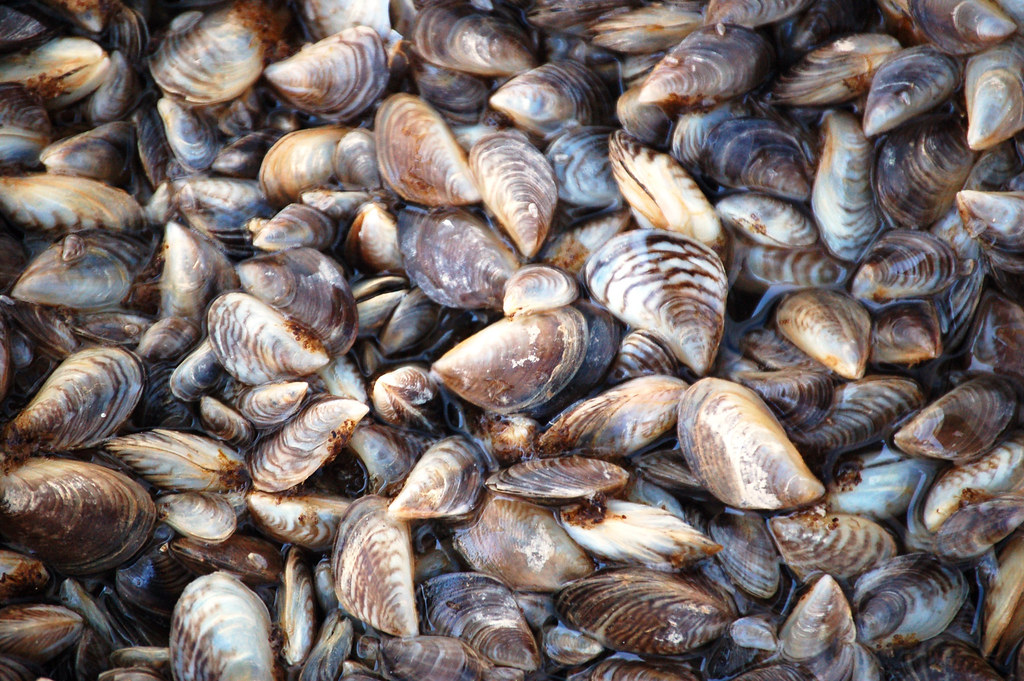
Zebra mussels are notorious for their highly efficient filter-feeding capabilities. Their diet, primarily composed of phytoplankton and other microscopic organic particles suspended in the water column, forms the foundation of their ecological impact, which in turn cascades into significant economic strains.
Phytoplankton: The Primary Target and Ecosystem Disruption
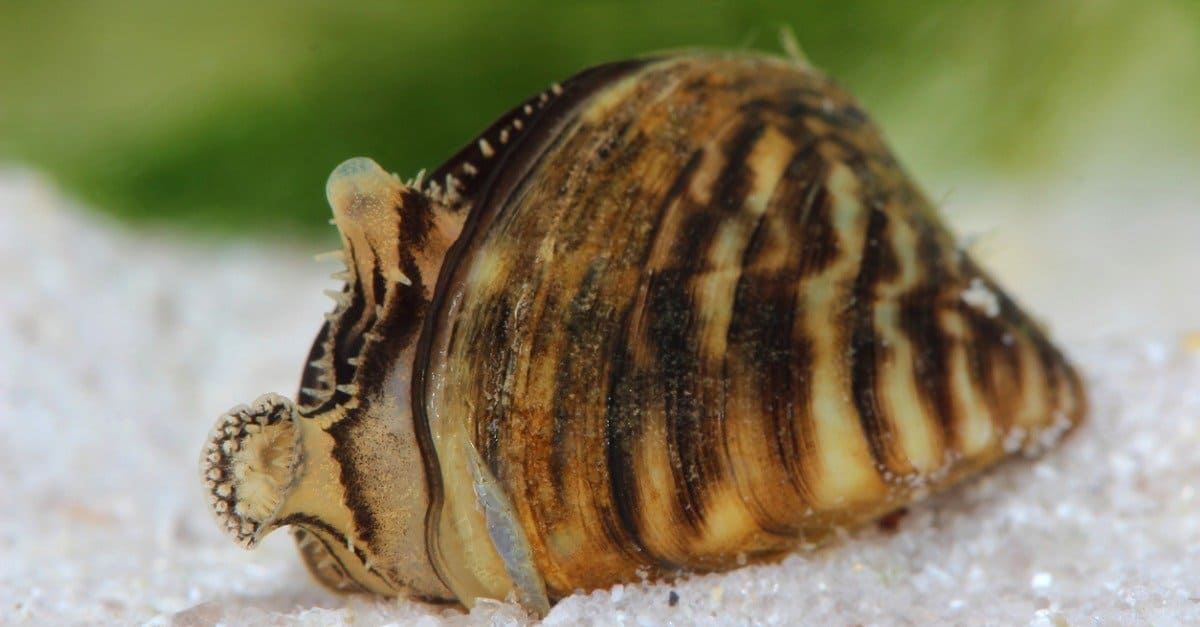
Zebra mussels primarily consume phytoplankton, microscopic algae that form the base of the aquatic food web. These minute organisms are vital for the survival of zooplankton, which are then consumed by small fish, supporting larger predatory fish and ultimately, commercial fisheries. A single adult zebra mussel can filter up to a liter of water per day, and in areas of high infestation, their collective filtering capacity can clear vast bodies of water with alarming speed.
This hyper-efficient feeding leads to a drastic reduction in phytoplankton populations. While this might initially seem beneficial by increasing water clarity, it fundamentally starves native filter-feeders and disrupts the entire food web. Financially, this translates into reduced fish stocks, impacting commercial and recreational fishing industries. Lakes and rivers that once supported thriving fisheries can see severe declines, leading to job losses, decreased tourism revenue, and a ripple effect throughout local economies dependent on these resources. The market value of catch can plummet, and businesses reliant on fishing charters, bait shops, and processing plants face direct financial distress.
Filter-Feeding Mechanics and Efficiency: A Costly Advantage
The zebra mussel’s ability to selectively filter particles from the water column, ingesting desirable food and expelling non-food particles as pseudofeces, is a marvel of biological engineering. However, this efficiency comes at a steep economic cost. The continuous processing of large volumes of water means that not only are essential food sources depleted, but the mussels also remove significant quantities of suspended organic matter. While this improves water clarity, it can also lead to changes in nutrient cycling and increased light penetration, which in turn can foster the growth of nuisance aquatic vegetation and toxic algal blooms (e.g., blue-green algae, which some zebra mussel species avoid).
Managing these secondary environmental effects—such as treating drinking water for toxins from algal blooms, dredging waterways choked with aquatic plants, or addressing decreased oxygen levels caused by decaying vegetation—requires substantial financial investment. Water treatment plants face increased operational costs to remove suspended solids, disinfect water, and manage sludge. Furthermore, the pseudofeces produced by mussels can accumulate, altering sediment composition and providing nutrients for different types of benthic (bottom-dwelling) organisms, further changing the ecosystem and potentially requiring costly remediation efforts.
Financial Fallout: Industry-Specific Costs Driven by Mussel Consumption
The direct and indirect consequences of the zebra mussel’s diet ripple through multiple economic sectors, imposing considerable financial burdens.
Infrastructure and Utilities: Clogging and Maintenance Burdens
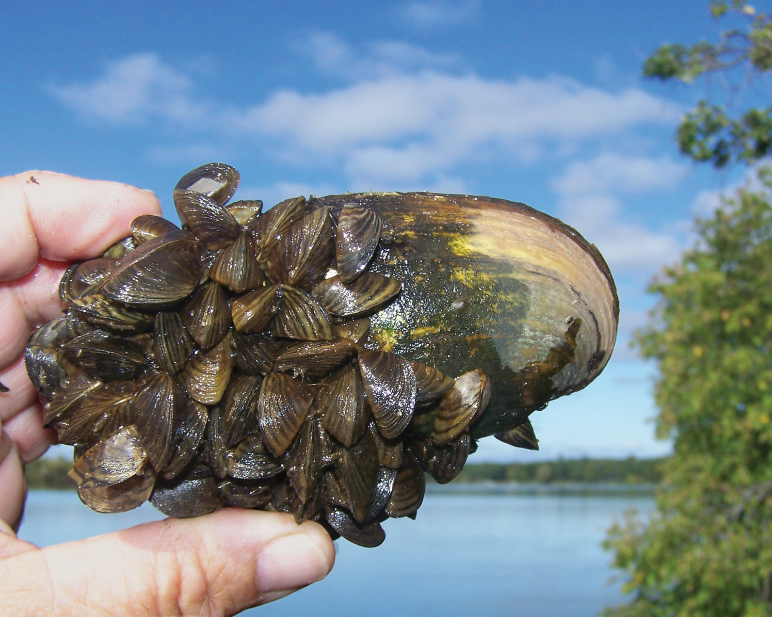
Perhaps the most direct and widely recognized financial impact stems from zebra mussels’ habit of attaching to hard surfaces, including the intake pipes of power plants, municipal water treatment facilities, industrial cooling systems, and irrigation systems. Their filter-feeding process requires a constant flow of water, making these systems ideal habitats. As mussels grow and reproduce, they form dense colonies, significantly restricting water flow and reducing the efficiency of infrastructure.
The costs associated with this biofouling are astronomical. Power plants incur millions of dollars annually in cleaning, maintenance, and lost efficiency. Water utilities face increased energy costs to pump water through constricted pipes, higher chemical treatment expenses, and the capital expenditure of replacing fouled equipment. Industries relying on water for cooling or processing must implement costly anti-fouling measures, such as chemical treatments, mechanical scraping, or installing specialized filtration systems. For instance, reports indicate that the Great Lakes region alone experiences hundreds of millions of dollars in economic damages annually due to zebra mussels, a significant portion of which is attributed to infrastructure maintenance and repairs.
Fisheries and Aquaculture: Disrupting the Food Web and Market Value
As previously discussed, the zebra mussel’s consumption of phytoplankton critically impacts native fish populations. Reductions in the primary food source lead to declines in zooplankton, which in turn reduces food availability for larval and juvenile fish. This can decimate populations of commercially important species, such as perch, walleye, and lake trout. The financial losses extend beyond just the fishing boats themselves; they affect processors, distributors, restaurants, and local markets that rely on these catches.
Aquaculture operations located in infested waters also face challenges. While zebra mussels themselves are not typically direct predators of farmed fish, their alteration of water chemistry and nutrient availability can stress aquatic species, increase susceptibility to disease, and reduce growth rates, thereby impacting yield and profitability. The cost of preventing mussel infestation in aquaculture systems or mitigating their effects can significantly cut into profit margins.
Tourism and Recreation: Diminished Aesthetics and Property Values
The ecological changes brought about by zebra mussel feeding can also have substantial negative impacts on the tourism and recreational sectors. While clearer waters might seem appealing, the accompanying increase in nuisance aquatic weeds and the decline in game fish populations can detract from the recreational value of lakes and rivers. Swimmers and boaters may find their activities hampered by dense weed beds or sharp mussel shells on beaches and boat hulls, leading to reduced visitor numbers.
Property values along infested shorelines can also decline due to diminished recreational opportunities, reduced fish stocks, and the sheer cost of maintaining private docks and boats free of mussel infestations. Marinas and boat rental companies face higher maintenance costs and potential customer dissatisfaction, further impacting local economies that rely heavily on water-based tourism.
The Price of Prevention and Mitigation: Investing in Financial Resilience
Addressing the zebra mussel threat is an ongoing financial commitment, requiring investment in diverse strategies aimed at prevention, detection, and control.
Monitoring and Early Detection Technologies: A Proactive Investment
Investing in advanced monitoring and early detection technologies represents a proactive financial strategy. Tools such as DNA analysis (eDNA), remote sensing, acoustic monitoring, and specialized underwater cameras can identify mussel larvae or adults at early stages of infestation. The initial outlay for these technologies and the ongoing costs of deployment and data analysis are significant, but they pale in comparison to the expenses incurred once an infestation is fully established. Early detection allows for more localized and less costly control measures, thereby preventing exponential financial growth of the problem.
Treatment and Control Strategies: Ongoing Financial Commitments
Once established, zebra mussel infestations require continuous and expensive management. Chemical treatments (e.g., molluscicides, potassium chloride), physical removal methods (e.g., scraping, high-pressure washing), thermal treatments (e.g., hot water flushing), and even biological control methods are all costly. The choice of strategy often depends on the specific site and infestation level, each carrying its own price tag for materials, labor, and potential environmental impact assessments. For large-scale infrastructure, these costs become routine operational expenditures, directly impacting the bottom line of affected businesses and public utilities.
Research and Development: Investing in Future Financial Savings
Funding scientific research into zebra mussel biology, ecological impacts, and innovative control methods is a crucial long-term financial investment. Developing more effective, environmentally friendly, and cost-efficient solutions could lead to significant financial savings in the future. This includes research into natural predators, genetic controls, or novel engineering solutions that make infrastructure less susceptible to fouling. Government grants, university programs, and private sector innovation all play a role in this financially critical R&D landscape.
Economic Models and Future Financial Risks: Quantifying the Full Price
Beyond immediate costs, economic models are essential for understanding the broader financial risks and quantifying the full spectrum of the zebra mussel’s impact.
Quantifying Indirect Costs and Ecosystem Services
Economic analyses of zebra mussel infestations must extend beyond direct costs to encompass indirect costs and the valuation of lost ecosystem services. Indirect costs include the ripple effects on local economies, such as decreased property values, reduced tax revenues, and job losses in related sectors. The disruption of ecosystem services, such as natural water filtration, habitat provision, and biodiversity maintenance, represents a loss of natural capital that is challenging but vital to quantify in monetary terms. These losses impact long-term environmental sustainability and human well-being, translating into future economic liabilities.
Policy and Regulation: The Cost of Inaction vs. Proactive Management
Effective policy and regulation are crucial tools in managing the financial threat posed by zebra mussels. Implementing strict ballast water regulations, promoting public awareness campaigns for boat cleaning (“Stop Aquatic Hitchhikers”), and enforcing fines for non-compliance all carry administrative and enforcement costs. However, these proactive measures are significantly less expensive than the financial devastation wrought by uncontrolled spread. Economic models often demonstrate that the cost of inaction far outweighs the investment in robust preventive policies and management strategies, emphasizing that a strong financial commitment to prevention is, ultimately, the most fiscally responsible approach. The question of what a zebra mussel eats, therefore, quickly transforms into a question of how much it costs us.
aViewFromTheCave is a participant in the Amazon Services LLC Associates Program, an affiliate advertising program designed to provide a means for sites to earn advertising fees by advertising and linking to Amazon.com. Amazon, the Amazon logo, AmazonSupply, and the AmazonSupply logo are trademarks of Amazon.com, Inc. or its affiliates. As an Amazon Associate we earn affiliate commissions from qualifying purchases.