
Navigating the modern job market often involves a step that can feel opaque and even slightly daunting: the work background check. For both employers seeking to mitigate risk and candidates aiming to present themselves authentically, understanding what this process entails is crucial. A work background check is a multifaceted investigation designed to verify a candidate’s suitability for a role beyond their resume and interview performance. It’s a vital tool for employers to assess a candidate’s reliability, integrity, and qualifications, ultimately aiming to build a secure and productive workforce. From confirming past employment and educational credentials to uncovering criminal records or financial red flags, the scope of a background check can be extensive, depending on the industry, the sensitivity of the role, and legal compliance.
The Core Components of a Work Background Check
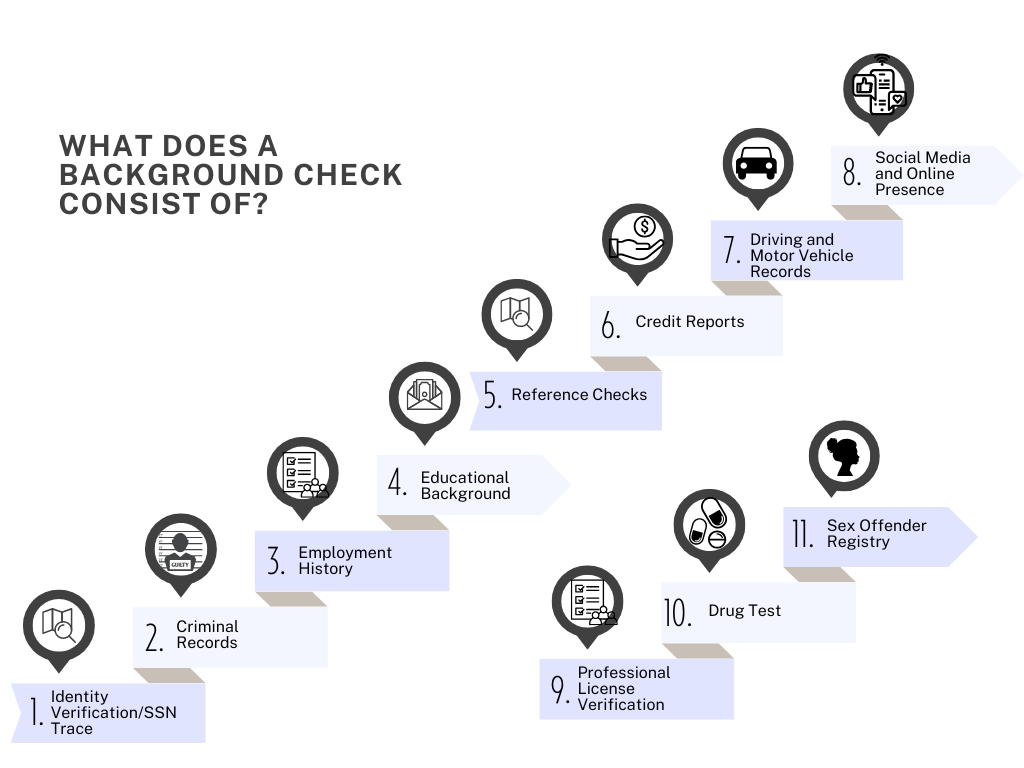
At its heart, a work background check is about due diligence. Employers invest time and resources into these checks to gain a comprehensive picture of a candidate, aiming to identify potential risks and confirm the accuracy of information provided. The specific elements scrutinized can vary, but several core components are almost universally included. These are the building blocks that form the employer’s understanding of a candidate’s history and its potential relevance to their current application.
Verifying Employment History
One of the most fundamental aspects of a background check is the verification of a candidate’s claimed work experience. This involves contacting previous employers to confirm details such as job titles, dates of employment, and often, the reason for separation. This step is critical for several reasons. Firstly, it combats resume fraud, a surprisingly common occurrence. Candidates might inflate their roles, extend their tenure to appear more experienced, or even invent positions altogether. Employers need to ascertain that the experience listed is genuine and accurately reflects the candidate’s responsibilities and achievements.
Beyond simple confirmation, this verification can also provide qualitative insights. While direct employers are often legally restricted from providing detailed performance reviews, a brief conversation can sometimes reveal general trends. Was the candidate consistently employed for reasonable periods, or do they have a pattern of short stints? While job-hopping isn’t always negative, particularly in certain industries, a consistent pattern of brief employments might raise questions about adaptability, job satisfaction, or performance. Employers might also inquire about rehire eligibility, which can sometimes offer a subtle indication of past performance or professional conduct. The verification process helps ensure that the foundation of a candidate’s application – their professional journey – is solid and truthful.
Confirming Educational Credentials
Equally important is the verification of a candidate’s educational background. This involves contacting educational institutions, such as colleges, universities, or vocational schools, to confirm degrees, diplomas, certifications, and the dates of attendance or graduation. This is particularly crucial for roles that require specific academic qualifications or licenses. For instance, a prospective engineer must have earned a valid engineering degree, and a nurse must hold a current nursing license.
The stakes are high when educational credentials are involved. Misrepresenting degrees or certifications can not only lead to immediate disqualification but can also have long-term consequences for a candidate’s career, especially in regulated professions. Employers need assurance that a candidate possesses the foundational knowledge and formal training they claim to have. This verification process ensures that the candidate has the necessary academic prerequisites for the role, protecting the employer from hiring individuals who may lack the required expertise or credentials. It’s a critical step in validating the intellectual capital a candidate brings to the table.
Criminal Record Checks
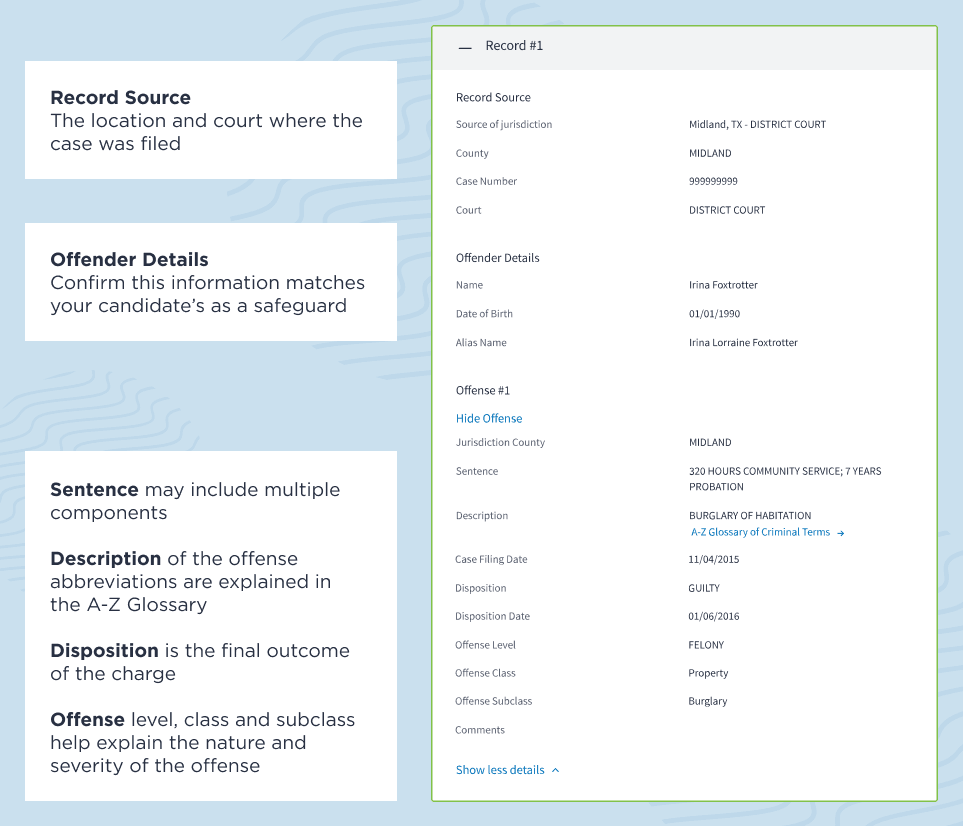
Perhaps the most sensitive and impactful aspect of a work background check is the criminal record check. This process involves searching various databases to identify any criminal convictions that may be on file for the candidate. The types of checks conducted can vary, including national and local criminal history repositories, sex offender registries, and sometimes even checks against government watchlists. The depth and breadth of these checks are often dictated by federal, state, and local laws, as well as the nature of the job itself.
For positions involving financial responsibility, access to sensitive information, or interaction with vulnerable populations (such as children or the elderly), a clean criminal record is often a non-negotiable requirement. Employers use this information to assess a candidate’s trustworthiness and to protect their company, employees, and customers from potential harm or liability. It’s important to note that laws vary regarding what types of offenses can be considered and how far back records can be checked. For example, some jurisdictions have restrictions on how old convictions can be, or they may require employers to consider the nature of the offense and its relevance to the job. The goal is not to penalize individuals for past mistakes that are no longer relevant, but rather to ensure a safe and secure work environment.
Beyond the Basics: Deeper Dives and Specialised Checks
While employment and education verification, along with criminal record checks, form the backbone of most work background checks, some roles and industries necessitate a more thorough investigation. These deeper dives are often driven by heightened risk, regulatory requirements, or the need for highly specialised skills and integrity.
Credit History Checks (Financial Background Checks)
For positions that involve significant financial responsibility, access to company funds, or the handling of sensitive financial data, a credit history check might be conducted. These checks, often referred to as financial background checks, provide insight into a candidate’s financial management and stability. They typically reveal information such as outstanding debts, payment history, bankruptcies, and liens.
The rationale behind this type of check is that an individual with a history of financial irresponsibility might pose a greater risk in a role where they have access to company money or assets. For example, a person managing a company’s payroll or making significant purchasing decisions might be considered a higher risk if they have a history of defaulting on their own financial obligations. Again, legal frameworks govern the use of credit checks, and employers must often demonstrate a clear nexus between the information sought and the requirements of the job. These checks are not designed to scrutinize personal spending habits but rather to identify patterns that could suggest a propensity for financial misconduct or a vulnerability that could be exploited.
Driving Record Checks
In roles that require driving as part of the job duties, a driving record check is a standard component of the background screening process. This involves reviewing a candidate’s driving history to identify any traffic violations, accidents, or license suspensions. The objective is to ensure that the candidate is a safe and responsible driver, which is paramount for both employee safety and the employer’s liability.
A history of serious violations, such as multiple DUIs, reckless driving charges, or frequent speeding tickets, could render a candidate unsuitable for a driving-related position. Employers need to be confident that their employees will operate company vehicles or their own vehicles for business purposes safely and in compliance with all traffic laws. This not only protects the employee and others on the road but also mitigates the company’s risk of insurance claims, litigation, and damage to its reputation stemming from accidents caused by negligent driving.
Professional License and Certification Verification
Certain professions, particularly those in healthcare, law, engineering, and finance, require candidates to hold specific licenses or certifications. A background check in these fields will invariably include rigorous verification of these credentials. This means contacting the relevant licensing boards or certifying bodies to confirm that the license is active, in good standing, and that the candidate has met all the necessary requirements for holding it.
This verification is crucial because these licenses often signify a baseline level of competence, adherence to ethical standards, and compliance with regulatory requirements. A lapsed or revoked license can immediately disqualify a candidate, and any misrepresentation of credentials can have severe professional repercussions. Employers rely on these verified licenses to ensure that their staff is not only qualified but also legally permitted to practice their profession, safeguarding the public and the integrity of the industry.
The Legal and Ethical Landscape of Background Checks
The process of conducting work background checks is not a free-for-all; it is governed by a complex web of laws and ethical considerations designed to protect both employers and candidates. Understanding these regulations is vital for ensuring a fair and compliant screening process.
Compliance with the Fair Credit Reporting Act (FCRA)
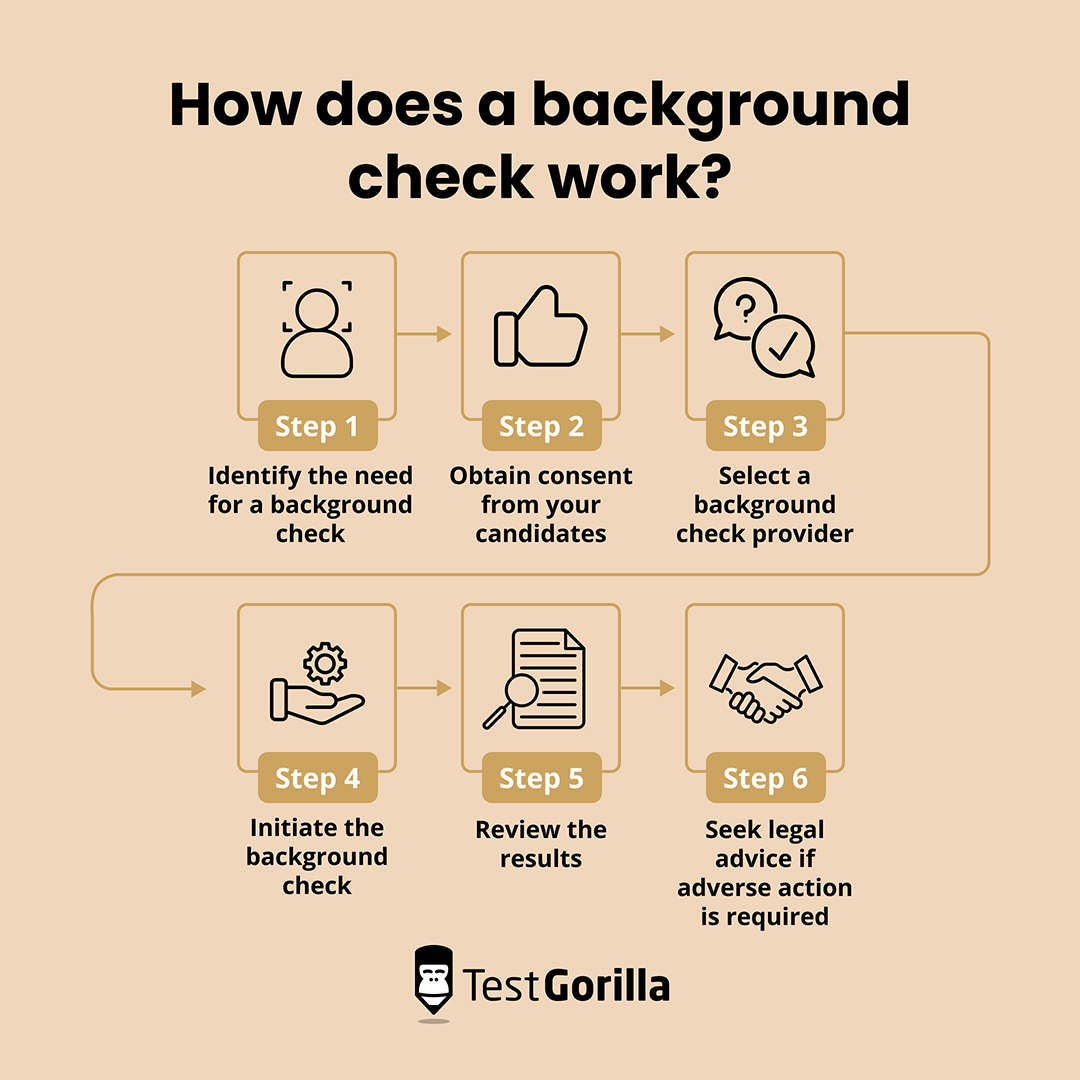
In the United States, the Fair Credit Reporting Act (FCRA) is the primary federal law that governs the use of consumer reports, including those used for employment purposes. The FCRA mandates that employers must obtain a candidate’s written consent before conducting a background check. This consent form must be a standalone document, separate from other application materials.
Furthermore, if an employer intends to take adverse action against a candidate based in whole or in part on information in a background check report (such as not hiring them), the FCRA requires a specific two-step notification process. First, the employer must provide the candidate with a copy of the background check report and a summary of their rights under the FCRA. Second, after a reasonable period to allow the candidate to dispute any inaccuracies, the employer must provide the candidate with an adverse action notice. This notice informs the candidate that a decision adverse to them has been made and provides details about the reporting agency that supplied the information. Compliance with the FCRA ensures that candidates are aware of the screening process, have an opportunity to review their reports, and are given a chance to address any discrepancies.
State and Local Regulations
Beyond federal laws like the FCRA, numerous state and local jurisdictions have enacted their own regulations that impact background checks. These can include “ban the box” laws, which restrict when employers can ask about criminal history during the application process, often deferring such inquiries until later in the hiring stages. Other state laws may limit the types of criminal convictions that can be considered for employment, the lookback period for criminal records, or the circumstances under which credit information can be used in hiring decisions.
These variations mean that employers must be diligent in understanding and adhering to the specific laws in every jurisdiction where they operate or hire. Failing to do so can result in significant fines, legal challenges, and damage to the company’s reputation. For candidates, it means that the nature and extent of a background check might differ depending on where they are applying.
The Importance of Relevance and Consent
Central to ethical and legal background checks is the principle of relevance. The information sought and considered by an employer should be directly related to the requirements and responsibilities of the job. Employers cannot simply conduct a broad fishing expedition for any information they might find interesting. For example, asking about past bankruptcies for a janitorial position might be considered irrelevant, whereas it could be highly relevant for a chief financial officer role.
Consent, as mandated by the FCRA and often reinforced by state laws, is another cornerstone. Candidates must knowingly agree to the background check. This consent ensures transparency and empowers candidates to make informed decisions about sharing their personal information. A transparent and ethical approach to background checks fosters trust between employers and prospective employees, leading to a more positive and legally sound hiring process.
In conclusion, a work background check is a critical due diligence tool that provides employers with a comprehensive view of a candidate’s past. It typically involves verifying employment and education, reviewing criminal records, and may extend to credit history, driving records, and professional licenses, depending on the role. Navigating this process requires strict adherence to legal frameworks like the FCRA, as well as an understanding of state and local regulations, all while maintaining a focus on relevance and obtaining informed consent. For employers, it’s about mitigating risk and building a reliable team; for candidates, it’s about understanding what information is being reviewed and ensuring its accuracy, ultimately contributing to a fair and effective hiring landscape.
aViewFromTheCave is a participant in the Amazon Services LLC Associates Program, an affiliate advertising program designed to provide a means for sites to earn advertising fees by advertising and linking to Amazon.com. Amazon, the Amazon logo, AmazonSupply, and the AmazonSupply logo are trademarks of Amazon.com, Inc. or its affiliates. As an Amazon Associate we earn affiliate commissions from qualifying purchases.