
The visual representation of a “weed leaf” is a potent symbol, instantly recognizable to many, yet often misunderstood. While popularly associated with cannabis, the term “weed” itself is far broader and can encompass a multitude of plants, many of which are considered undesirable in specific contexts. However, in the digital realm, where information is rapidly disseminated and often consumed at a glance, the visual cues of cannabis leaves have taken on a disproportionate amount of attention. This article delves into the visual characteristics of cannabis leaves, exploring their distinct features, common confusions, and the technological tools that aid in their identification, all within the niche of Tech.

The Distinctive Morphology of the Cannabis Leaf
The cannabis plant, scientifically known as Cannabis sativa, Cannabis indica, and Cannabis ruderalis, possesses a leaf structure that is remarkably consistent across its different subspecies, though subtle variations can exist. Understanding these core characteristics is fundamental to accurate identification, particularly in contexts where legalities and personal knowledge intersect.
Palmate and Digitately Compound Leaves
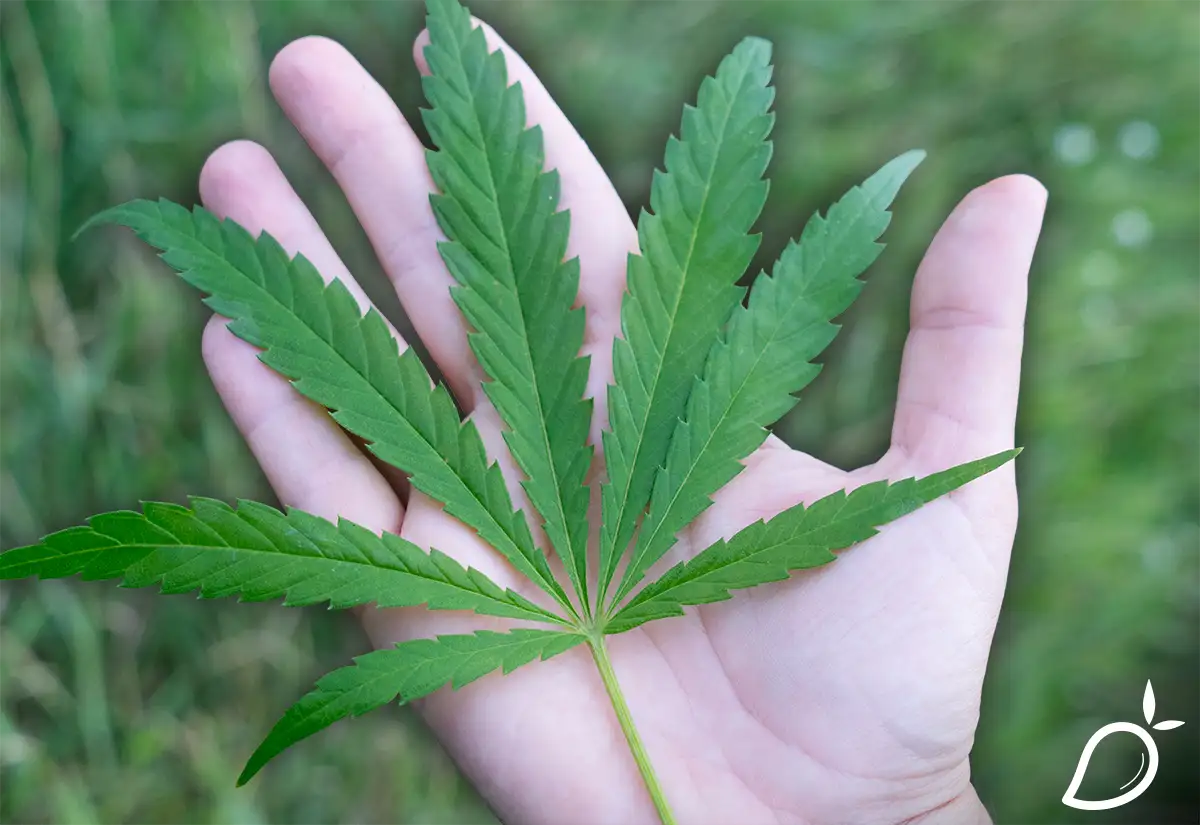
The most defining feature of a cannabis leaf is its palmate arrangement. This means that multiple leaflets emerge from a single point at the end of the petiole (the stalk that attaches the leaf to the stem). Think of a hand with its fingers spread wide – this is a good analogy for a mature cannabis leaf. These leaves are also described as digitately compound, further emphasizing the separate leaflets radiating from a central point.
Leaflet Count and Serration
The number of leaflets on a cannabis leaf is a significant identifier, though it can vary with the plant’s age and genetics. Young seedlings typically present with just two single, un-divided leaves initially. As the plant matures, these leaves develop into their characteristic palmate form. A fully developed cannabis leaf will most commonly possess five to seven leaflets, though some can exhibit nine or even eleven. The leaflets themselves are elongated and lance-shaped, tapering to a point.
A crucial visual characteristic is the serrated edge of each leaflet. The margins of the leaves are not smooth but rather possess fine, saw-like teeth. This serration is typically unidirectional, pointing towards the tip of the leaflet. The underside of the leaf often has a lighter green hue and may exhibit small, crystalline trichomes, especially as the plant matures.
The Role of the Stipules
While not part of the leaf blade itself, the stipules are small, leaf-like appendages found at the base of the petiole where it joins the stem. These are often overlooked but can be a subtle indicator of the Cannabis genus. They are typically pointed and may be paired.
Variations and Misconceptions
It’s important to note that not all cannabis plants will present with a perfectly formed seven-leaflet leaf. Environmental factors, nutrient deficiencies, and genetic predispositions can lead to variations in leaflet number and shape. Furthermore, the term “weed leaf” is colloquially used for a variety of other plants, leading to frequent misidentification. Plants like Japanese Maple (Acer palmatum) have palmate leaves, but their structure and serration are distinctly different. Similarly, some species of lupine or even certain types of clover might be mistaken by the untrained eye. The key differences lie in the number of leaflets, the distinct serration pattern, and the overall texture and venation of true cannabis leaves.
Technological Aids for Plant Identification
In the digital age, identifying plants, including cannabis, has become significantly more accessible thanks to advancements in technology. From sophisticated AI-powered apps to robust online databases, tools exist to help users distinguish between different species with remarkable accuracy.
AI-Powered Plant Identification Apps
The advent of artificial intelligence and machine learning has revolutionized plant identification. Numerous mobile applications leverage these technologies to analyze images of plants and provide potential matches with high confidence levels. These apps typically work by:
- Image Recognition: Users upload a clear photograph of the plant in question, focusing on key features like the leaves, stem, flowers (if present), and overall plant structure.
- Machine Learning Algorithms: The uploaded image is then processed by sophisticated algorithms trained on vast datasets of plant images. These algorithms compare the visual characteristics of the submitted photo against known plant species.
- Database Matching: The AI matches the features identified in the image against a comprehensive database containing detailed information and imagery of thousands of plant species.
- Probability Scores: The app then presents the user with a list of potential matches, often accompanied by probability scores indicating the likelihood of each identification being correct.
Popular examples of such apps include PictureThis, PlantNet, and Seek by iNaturalist. These tools are invaluable for amateur botanists, gardeners, and even legal professionals who need to quickly and accurately identify plant species. While they are not infallible, their accuracy has improved dramatically over the years, making them indispensable digital companions for plant enthusiasts.
The Role of Digital Databases and Online Resources

Beyond mobile applications, a wealth of digital information is available online that can aid in plant identification. Large-scale botanical databases and online encyclopedias offer extensive libraries of plant images, detailed descriptions, and identification keys.
- Online Botanical Gardens and Herbaria: Institutions like the Royal Botanic Gardens, Kew, or the Harvard University Herbaria often maintain extensive digital collections that are searchable by users.
- Citizen Science Platforms: Platforms like iNaturalist allow users to upload observations of plants and animals, which are then reviewed and identified by a community of experts and enthusiasts. This crowdsourced approach contributes to a massive, ever-growing database of validated identifications.
- Specialized Forums and Communities: Online forums dedicated to botany, horticulture, or even specific plant interests (like cannabis cultivation) can be excellent resources for seeking advice and identification from experienced individuals.
These digital resources, combined with the analytical power of AI, provide a robust ecosystem for anyone seeking to understand the visual characteristics of plants, including the nuanced differences between various types of “weeds” and specifically, the cannabis leaf.
Legal and Ethical Considerations in the Digital Identification of Cannabis
The ability to readily identify cannabis through technological means brings with it a significant set of legal and ethical considerations, particularly in jurisdictions where its cultivation, possession, or use is regulated.
Navigating Legal Frameworks
In many parts of the world, cannabis remains a controlled substance. Therefore, the identification of cannabis leaves, even through purely technological means, can have legal ramifications.
- Jurisdictional Differences: Laws regarding cannabis vary wildly by state, country, and even local municipality. What might be a simple identification task in one region could lead to severe legal consequences in another.
- Intent and Knowledge: While a technological tool provides an identification, it does not absolve the user of responsibility for their actions. Possession of identification tools does not grant permission to cultivate or possess cannabis where it is illegal.
- Law Enforcement Applications: Law enforcement agencies increasingly utilize sophisticated technology, including AI-driven plant identification systems, for field identification. Understanding the capabilities and limitations of these tools is crucial for both legal practitioners and individuals.
The Ethics of Information Accessibility
The democratization of plant identification through technology raises ethical questions about the accessibility of information related to controlled substances.
- Responsible Use of Technology: While the intention of plant identification apps is often educational or horticultural, the information they provide can be applied in various contexts, including those with legal implications. Developers and users alike have a responsibility to consider the potential consequences of such information.
- Preventing Misuse: There is an ongoing discussion about whether and how to implement safeguards to prevent the misuse of plant identification technology for illicit purposes. This could involve disclaimers, restrictions on identifying specific species in certain regions, or educational content on legal responsibilities.
- Balancing Education and Regulation: The goal is to strike a balance between providing valuable educational tools and respecting legal regulations. This requires continuous dialogue between technology providers, legal experts, and the public.
The Evolution of Visual Identification Tools
The journey of plant identification has been a long one, moving from laborious manual keying to sophisticated digital solutions. The evolution of these tools is a testament to technological progress and its impact on how we interact with the natural world.
From Manual Keys to Digital Archives
Historically, identifying plants relied on detailed botanical keys, often found in dense textbooks. These keys required a deep understanding of botanical terminology and meticulous observation of plant features. The process was time-consuming and often accessible only to trained botanists.
The advent of personal computers and the internet marked a significant shift. Digital databases began to emerge, offering searchable catalogs of plant species with images and descriptions. This made information more accessible to a wider audience, but still required some level of technical proficiency to navigate.
The AI Revolution in Identification
The current frontier of plant identification is undoubtedly artificial intelligence. Machine learning algorithms are now capable of recognizing complex patterns in images with a speed and accuracy that often surpasses human capabilities, especially for less experienced individuals.
- Deep Learning and Neural Networks: The underlying technology powering many modern plant identification apps involves deep learning models, specifically convolutional neural networks (CNNs). These networks are trained on millions of labeled images, allowing them to learn and distinguish subtle visual cues that differentiate species.
- Real-time Identification: Some advanced applications are exploring real-time identification capabilities, where a user can point their device at a plant, and the app provides an identification instantaneously. This level of seamless integration makes plant identification as easy as taking a photograph.
- Augmented Reality Integration: Future developments may see augmented reality (AR) technology integrated into plant identification. Imagine holding your phone up to a plant, and the app overlays information about its species, its characteristics, and even potential uses or dangers, directly onto your view of the plant.
The continuous refinement of these technologies promises to make plant identification even more intuitive and powerful, further blurring the lines between the digital and natural worlds. As the capabilities of AI grow, so too does the importance of understanding its applications, particularly in identifying plants like cannabis, where visual characteristics are often the first point of interaction and potential legal concern.
aViewFromTheCave is a participant in the Amazon Services LLC Associates Program, an affiliate advertising program designed to provide a means for sites to earn advertising fees by advertising and linking to Amazon.com. Amazon, the Amazon logo, AmazonSupply, and the AmazonSupply logo are trademarks of Amazon.com, Inc. or its affiliates. As an Amazon Associate we earn affiliate commissions from qualifying purchases.