
In the intricate architecture of wedding planning, every role serves a specific purpose in ensuring the day unfolds seamlessly. While the roles of the maid of honor and the best man are well-defined in popular culture, the responsibilities of the wedding usher are often misunderstood or overlooked. From a brand strategy perspective, the usher acts as the “front-of-house” representative for the couple. Just as a brand ambassador ensures that a customer’s first physical interaction with a company reflects its values, an usher is responsible for managing the guest experience during the critical arrival and seating phase of the ceremony.

Understanding the usher’s role through the lens of brand management reveals that this is not merely an act of service; it is a vital exercise in guest relations, logistical precision, and professional decorum.
The Role of the Usher as a Brand Ambassador
When guests arrive at a wedding venue, they are stepping into an environment meticulously crafted by the couple to reflect their identity, tastes, and values. The usher is the first point of contact—the “touchpoint” that sets the tone for the entire event. If the couple’s brand identity is formal and sophisticated, the ushers must embody elegance and poise. If the event is intimate and casual, the ushers should project warmth and approachability.
First Impressions and Guest Experience
The usher’s primary responsibility is to serve as the initial point of brand contact. As guests enter the ceremony space, they look to the ushers for direction. A confident, well-prepared usher communicates that the wedding is organized, respected, and highly anticipated. By greeting guests with a smile, answering questions about the venue layout, and providing programs, the usher establishes a professional atmosphere that reflects positively on the couple.
Maintaining the Aesthetic Narrative
Every wedding is a manifestation of a personal brand. The seating plan, the color palette, and the flow of the ceremony are all components of this aesthetic. Ushers ensure that the “product”—the wedding ceremony—is delivered without friction. By managing seating flow and preventing bottlenecks at the entrance, they protect the integrity of the ceremony’s start time and visual flow, ensuring that the couple’s vision is realized without distraction.
Logistical Responsibilities and Operational Execution
Behind the scenes of every successful wedding is a series of operational workflows. Ushers serve as the operational team responsible for executing the seating strategy—a critical aspect of event management. Whether the couple has opted for a “bride’s side” or “groom’s side” arrangement, or a more modern “choose a seat, not a side” approach, the usher is the human interface that makes the plan function in real-time.
The Art of Strategic Seating
Seating is one of the most stressful aspects of wedding logistics. Ushers mitigate this stress by acting as facilitators. They are responsible for understanding the family hierarchy, knowing exactly where VIP guests and immediate family members should be placed, and navigating potential family dynamics with grace. This is akin to corporate event management, where stakeholders must be seated according to protocol to ensure that the event’s narrative remains focused on the primary objective—the ceremony itself.
Managing Transitions and Timing
The transition from guest arrival to the commencement of the processional is a high-stakes window. Ushers monitor the arrival of latecomers and ensure that the processional can begin on time. They communicate with the wedding planner or coordinator via subtle signals, indicating when the seats are filled and the space is ready for the bridal party. This level of coordination requires a high degree of situational awareness and the ability to operate effectively under pressure.

Post-Ceremony Logistics
Once the final vows are exchanged and the couple has processed out, the usher’s role transitions from “welcomer” to “organizer.” They are typically tasked with assisting guests as they exit the ceremony site, ensuring that the movement toward the cocktail hour or reception venue is orderly. This helps prevent congestion in the lobby or pathway, maintaining the professional momentum established during the arrival phase.
Professionalism, Attire, and Brand Alignment
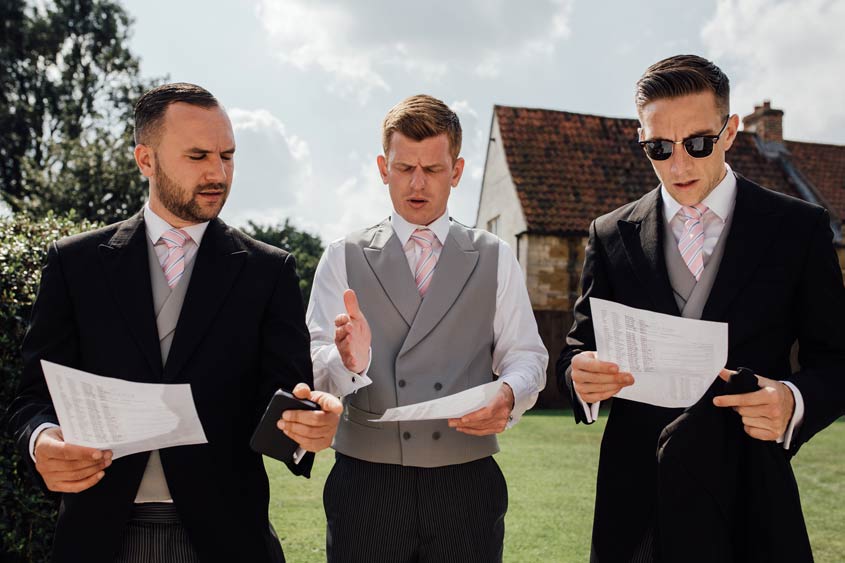
To fulfill their role as brand ambassadors, ushers must be visually aligned with the wedding’s aesthetic. In the context of branding, the usher’s attire is a “visual identity” element. If the ushers look disheveled or confused, it compromises the overall brand image of the event.
Dress Code as an Extension of Brand Identity
The attire of the ushers should be consistent with the formality level of the wedding. If the event is black-tie, the ushers must adhere to the strictest standards of formal wear. If the event is a rustic outdoor affair, their attire must be consistent with the chosen aesthetic—perhaps incorporating specific color schemes or fabrics chosen by the couple. By matching the aesthetic, the usher reinforces the cohesive narrative the couple has worked to build.
Communication and Soft Skills
The usher’s behavior is an extension of the couple’s personal brand. They must be proactive, patient, and polite, even when dealing with difficult logistics or challenging guests. They are essentially customer service representatives for the day. A well-trained usher knows how to handle questions about parking, restrooms, and reception timing with efficiency and kindness. This level of service excellence is what differentiates a high-quality, seamless event from a chaotic one.
The Strategic Importance of Briefing and Preparation
From a brand strategy perspective, even the best talent fails without proper onboarding. For a wedding, the “onboarding” process is the pre-ceremony briefing. Ushers should never be left to guess their responsibilities. The couple or their wedding planner must provide a clear briefing that includes a detailed seating chart, a list of VIP guests, and a clear understanding of the event’s timeline.
Pre-Event Alignment
Before the ceremony begins, the ushers should walk the space. They need to identify the optimal flow for guests, understand where programs should be placed, and recognize the key figures in the wedding party. This preparation minimizes the risk of errors and ensures that the usher can act with confidence. When everyone on the team is aligned on the goals and the protocol, the brand (the wedding) is protected.
Problem-Solving and Adaptability
Despite the most careful planning, unforeseen issues occur. Perhaps a guest arrives unexpectedly, or the processional is delayed due to weather. The role of the usher requires an adaptable mindset. They must be ready to make executive decisions on the fly that uphold the couple’s standards. A great usher does not bring problems to the couple; they bring solutions. By shielding the couple from logistical friction, the ushers allow the couple to focus entirely on the emotional significance of the day.
Conclusion: The Ushers’ Impact on the Event
In summary, the role of an usher is a vital component of the wedding’s success, functioning as the front-line ambassadors of the couple’s brand. They are responsible for the first touchpoint, the logistical flow of the ceremony, and the maintenance of the event’s aesthetic and professional integrity. By focusing on guest experience, operational efficiency, and visual alignment, ushers ensure that the ceremony is more than just a series of moments—it is a flawlessly executed event that perfectly represents the couple.
Entrusting this role to capable, well-briefed individuals is a strategic decision that pays dividends in the form of a smooth, stress-free, and memorable wedding day. When every usher understands their role as a guardian of the couple’s vision, the event inevitably rises to meet the high standards expected of a truly special occasion. The usher is not merely a guest with a duty; they are an essential member of the team dedicated to delivering a seamless experience that honors the significance of the union.
aViewFromTheCave is a participant in the Amazon Services LLC Associates Program, an affiliate advertising program designed to provide a means for sites to earn advertising fees by advertising and linking to Amazon.com. Amazon, the Amazon logo, AmazonSupply, and the AmazonSupply logo are trademarks of Amazon.com, Inc. or its affiliates. As an Amazon Associate we earn affiliate commissions from qualifying purchases.