
Transmission solenoids are the unsung heroes of your vehicle’s automatic transmission system. Often overlooked, these small but vital components play a crucial role in the seamless shifting of gears that makes driving an automatic car a smooth and effortless experience. Understanding their function is key to appreciating the intricate engineering that powers modern vehicles and forms a fundamental part of automotive technology. From their basic operational principles to their impact on vehicle performance and longevity, delving into the world of transmission solenoids offers a fascinating glimpse into the sophisticated technology embedded in everyday transportation.

The Heart of Automatic Shifting: Understanding Transmission Solenoids
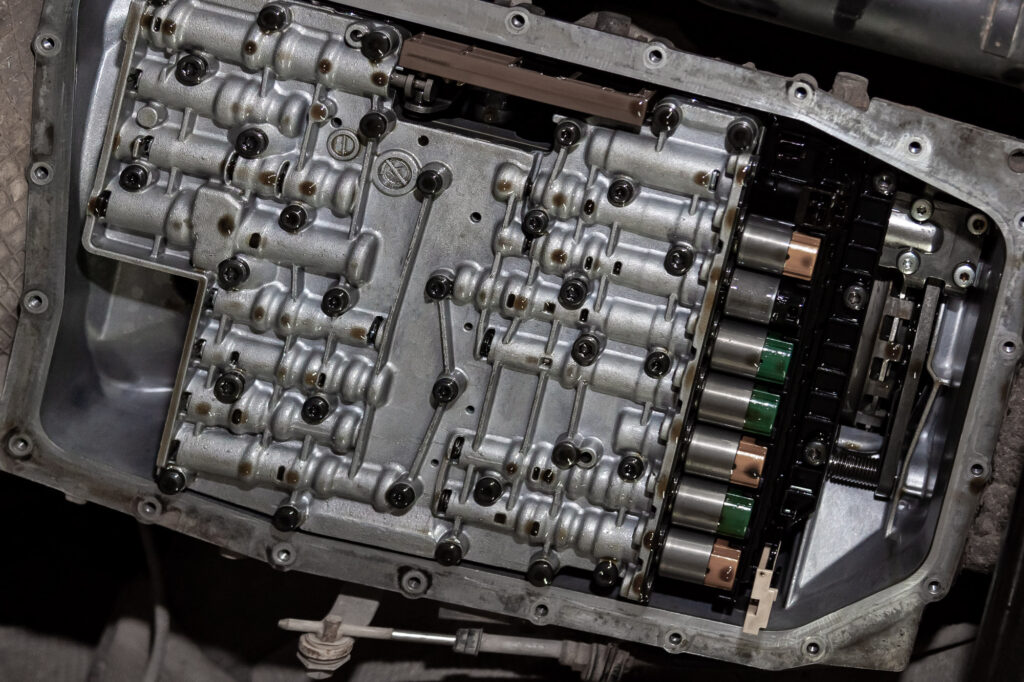
At its core, an automatic transmission is a complex system designed to change gears without direct driver input, optimizing engine performance and fuel efficiency across various driving conditions. This process relies on a sophisticated interplay of hydraulic pressure, mechanical components, and electronic controls. Transmission solenoids are the electromechanical valves that bridge the gap between the electronic brain of the transmission (the Transmission Control Module, or TCM) and the hydraulic system that actually moves the gears.
The Electromechanical Nature of Solenoids
A solenoid is a type of actuator that converts electrical energy into mechanical motion. It consists of a coil of wire wrapped around a movable plunger or core. When an electric current is passed through the coil, it generates a magnetic field. This magnetic field attracts or repels the plunger, causing it to move. In the context of an automatic transmission, this linear motion of the plunger is used to open or close passages within the valve body, thereby controlling the flow of transmission fluid.
The Role of Transmission Fluid
Transmission fluid is the lifeblood of an automatic transmission. It performs several critical functions: it acts as a hydraulic fluid to transmit power and engage clutches and bands, it lubricates moving parts to reduce wear, it cools the transmission to prevent overheating, and it cleans internal components by carrying away debris. The solenoids precisely direct this fluid under pressure to engage and disengage different gear sets, enabling the transmission to shift smoothly between gears.
The Transmission Control Module (TCM): The Brain of the Operation
The Transmission Control Module (TCM) is the electronic control unit responsible for managing the operation of the automatic transmission. It receives input from various sensors throughout the vehicle, including engine speed, vehicle speed, throttle position, brake pedal status, and even external temperature. Based on this data and pre-programmed shift maps, the TCM decides when and how to shift gears. It then sends electrical signals to the individual solenoids, instructing them to open or close specific fluid passages.
How Solenoids Orchestrate Gear Changes
The seemingly instantaneous and smooth gear changes we experience in an automatic car are the result of precise timing and coordinated action orchestrated by the solenoids, guided by the TCM. Each solenoid has a specific function, and their collective operation allows for the complex manipulation of hydraulic pressure required for different gear ratios.
Types of Transmission Solenoids and Their Functions
While the exact configuration can vary between manufacturers and transmission designs, most automatic transmissions utilize a combination of different types of solenoids. The most common include:
-
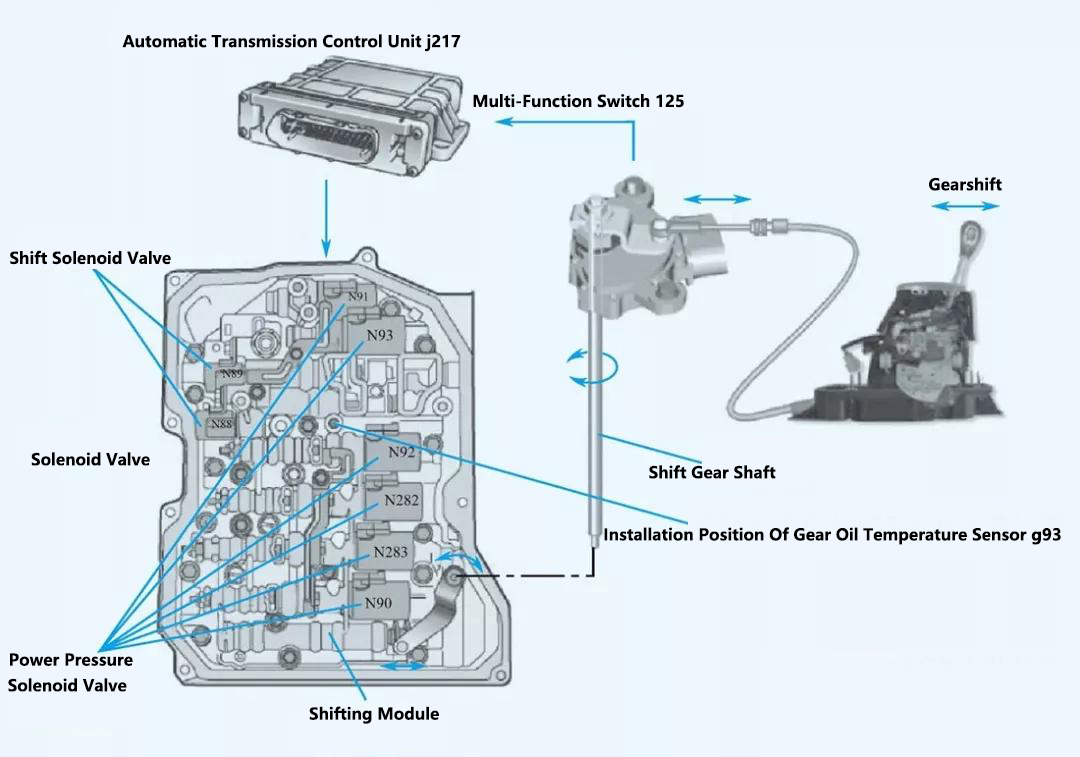
Shift Solenoids (or Gear Select Solenoids): These are the workhorses of the system. Each shift solenoid is typically responsible for controlling the engagement of a specific gear or gear range (e.g., first gear, second gear, reverse). When the TCM commands a shift, it energizes or de-energizes a particular shift solenoid. This action opens or closes a valve that directs hydraulic pressure to the appropriate clutch pack or band, which in turn locks or unlocks certain parts of the transmission to achieve the desired gear ratio. For example, to shift into second gear, the TCM might de-energize one solenoid and energize another, rerouting fluid to engage the components necessary for second gear while disengaging those for first gear.
-
Pressure Control Solenoids (or Line Pressure Control Solenoids): These solenoids regulate the overall hydraulic pressure within the transmission. The TCM adjusts the line pressure based on driving conditions. Higher pressure is needed for more aggressive acceleration or towing, while lower pressure is sufficient for cruising. By modulating the position of a pressure control solenoid, the TCM can precisely control the amount of fluid pressure being supplied to the clutches and bands, ensuring smooth engagement and preventing excessive wear. This also contributes to fuel efficiency, as excessive pressure is not maintained when not needed.
-
TCC Solenoids (Torque Converter Clutch Solenoids): The torque converter is a fluid coupling that connects the engine to the transmission. In many modern vehicles, it includes a lock-up clutch that can mechanically link the engine and transmission at higher speeds. This “lock-up” bypasses the fluid coupling, eliminating slippage and improving fuel economy. The TCC solenoid controls the engagement and disengagement of this lock-up clutch. When the TCM determines that conditions are suitable for lock-up (e.g., steady cruising speed), it activates the TCC solenoid to apply pressure to the lock-up clutch. When the driver accelerates or brakes, the TCM disengages the solenoid, allowing the torque converter to slip again, providing smoother response.
- Range Selector Solenoids: These solenoids are typically linked to the gear selector lever (P, R, N, D, L, etc.). They inform the TCM which gear range the driver has selected and, in some cases, may also assist in the hydraulic control for engaging that range.
The Process of a Typical Gear Shift
Let’s consider a simplified scenario of an upshift from first to second gear.
- Sensing Conditions: The TCM continuously monitors vehicle speed, engine RPM, throttle position, and other parameters via sensors.
- Decision Making: When the conditions meet the criteria for an upshift to second gear (e.g., engine RPM reaches a certain threshold at a given throttle opening), the TCM initiates the shift sequence.
- Solenoid Activation: The TCM sends precise electrical signals to the relevant solenoids. For an upshift from first to second, this typically involves:
- De-energizing the solenoid responsible for first gear engagement (e.g., releasing hydraulic pressure from the first gear clutch).
- Energizing the solenoid responsible for second gear engagement (e.g., applying hydraulic pressure to the second gear clutch).
- Potentially adjusting the line pressure via a pressure control solenoid to ensure a smooth transition.
- The TCC solenoid’s state would remain unchanged unless specific conditions for lock-up were also met.
- Hydraulic Action: The energized solenoids open or close specific passages in the valve body, directing transmission fluid under pressure to the appropriate clutch packs and bands.
- Gear Engagement: The hydraulic pressure engages the clutches and/or bands needed for second gear, while simultaneously disengaging those for first gear. This mechanical action changes the gear ratio.
- Confirmation and Adjustment: The TCM may receive feedback from sensors to confirm the successful shift and make any necessary micro-adjustments to pressure or solenoid operation to maintain smoothness.
This entire process happens in fractions of a second, demonstrating the sophisticated control system at play.
The Impact of Solenoids on Performance and Longevity
The proper functioning of transmission solenoids is directly linked to the overall performance, drivability, and lifespan of an automatic transmission. Malfunctioning solenoids can lead to a cascade of issues, ranging from minor inconveniences to significant and costly repairs.
Signs of Solenoid Failure
When transmission solenoids begin to fail, drivers will often notice a degradation in the transmission’s performance. Common symptoms include:
- Harsh or Jerky Shifting: Gears may clunk into place, or shifts might feel rough and abrupt instead of smooth. This often occurs because a solenoid is not properly controlling the hydraulic pressure, leading to abrupt engagement or disengagement of clutches.
- Delayed Shifting: The transmission may hesitate before shifting into the next gear, or it might remain in a lower gear for too long. This can be due to a solenoid failing to respond promptly to the TCM’s command.
- Slipping Gears: The engine RPM might increase without a corresponding increase in vehicle speed, particularly during acceleration. This indicates that the clutches or bands are not fully engaging, often a result of faulty solenoid control over hydraulic pressure.
- Check Engine Light or Transmission Warning Light: Modern vehicles are equipped with diagnostic systems that can detect issues with solenoid operation. The TCM will typically trigger a warning light if it detects a problem. Diagnostic trouble codes (DTCs) related to specific solenoids or transmission performance can be read by a mechanic’s scan tool.
- Inability to Shift into Certain Gears: In severe cases, a failed solenoid might prevent the transmission from engaging specific gears or even entering certain operating ranges (like Reverse or Drive).
- Overheating: While not a direct symptom of solenoid failure, if a solenoid is stuck in a position that causes excessive slippage, it can lead to increased friction and heat within the transmission.
Troubleshooting and Repair
Diagnosing transmission solenoid issues typically involves a combination of visual inspection, electrical testing, and hydraulic pressure testing. A mechanic will often use a scan tool to retrieve DTCs from the TCM. These codes can point to specific solenoid circuits or performance issues.
- Electrical Testing: This involves checking the resistance of the solenoid coil and ensuring it receives the correct voltage and ground signals from the TCM. A broken wire, corroded connector, or failed solenoid coil can be identified.
- Hydraulic Testing: This assesses the fluid pressure being supplied and controlled by the solenoids. If pressure is inconsistent or absent in certain circuits, it can indicate a problem with a specific solenoid or its associated valve.
- Visual Inspection: While solenoids are often buried deep within the transmission, sometimes external connections or wiring harnesses can be damaged.
Repairing faulty solenoids can range from replacing individual solenoids to replacing entire solenoid packs or valve bodies, depending on the severity of the issue and the transmission design. In many cases, solenoids are integrated into a larger assembly called a “solenoid pack,” which contains multiple solenoids and sometimes the wiring harness. This pack is then replaced as a single unit. While replacing a single solenoid might seem like a cost-effective solution, the labor involved in accessing these components within the transmission often makes replacing the entire pack more practical and cost-effective in the long run, especially if other solenoids are nearing the end of their service life.
Proactive Maintenance for Longevity
While transmission solenoids are designed for durability, they are not immune to wear and tear. Proper maintenance of the transmission system is crucial for extending the life of solenoids and the transmission as a whole.
- Regular Transmission Fluid Changes: Transmission fluid degrades over time, losing its lubricating and hydraulic properties and accumulating debris. Following the manufacturer’s recommended service interval for transmission fluid and filter changes is paramount. Fresh, clean fluid ensures proper hydraulic operation and reduces wear on all transmission components, including solenoids.
- Addressing Leaks Promptly: Transmission fluid leaks can lead to low fluid levels, which can starve solenoids and other components of necessary lubrication and hydraulic pressure, accelerating wear and potential failure.
- Avoiding Harsh Driving Habits: Aggressive acceleration, sudden braking, and “power shifting” (attempting to force shifts by over-revving) put undue stress on the transmission and its components, including solenoids. Smooth driving habits can significantly contribute to the longevity of the system.
- Heeding Warning Signs: Ignoring early symptoms of transmission problems, such as minor hesitation or rough shifting, can allow minor issues to escalate into more significant and costly repairs. Promptly addressing any unusual transmission behavior is crucial.
In conclusion, transmission solenoids are indispensable components of modern automatic transmissions, acting as the crucial link between electronic control and hydraulic actuation. Their precise operation is fundamental to the smooth, efficient, and responsive gear changes that define the driving experience in vehicles equipped with automatic transmissions. Understanding their function, recognizing the signs of their failure, and practicing proactive maintenance are all vital aspects of keeping your vehicle’s transmission operating at its best and ensuring its long-term reliability. They are a testament to the ingenious engineering that makes driving accessible and enjoyable for millions.
aViewFromTheCave is a participant in the Amazon Services LLC Associates Program, an affiliate advertising program designed to provide a means for sites to earn advertising fees by advertising and linking to Amazon.com. Amazon, the Amazon logo, AmazonSupply, and the AmazonSupply logo are trademarks of Amazon.com, Inc. or its affiliates. As an Amazon Associate we earn affiliate commissions from qualifying purchases.