
In the context of the twenty-first century, the definition of a “tool” has undergone a radical transformation. Historically, a tool was a physical object—a hammer, a plow, or a printing press—designed to extend the physical capabilities of the human body. However, in the modern technological landscape, a tool has transitioned from the tangible to the virtual. Today, when we ask what a tool means, we are often referring to an intricate ecosystem of software, artificial intelligence, and digital frameworks that extend the capabilities of the human mind.
In the tech sector, a tool is no longer just a utility; it is a catalyst for innovation. It represents the bridge between a conceptual problem and a digital solution. Whether it is a line of code, a complex SaaS platform, or a generative AI model, a tool in the digital age is defined by its ability to provide leverage—allowing individuals and organizations to achieve outcomes that were previously impossible or prohibitively resource-intensive.
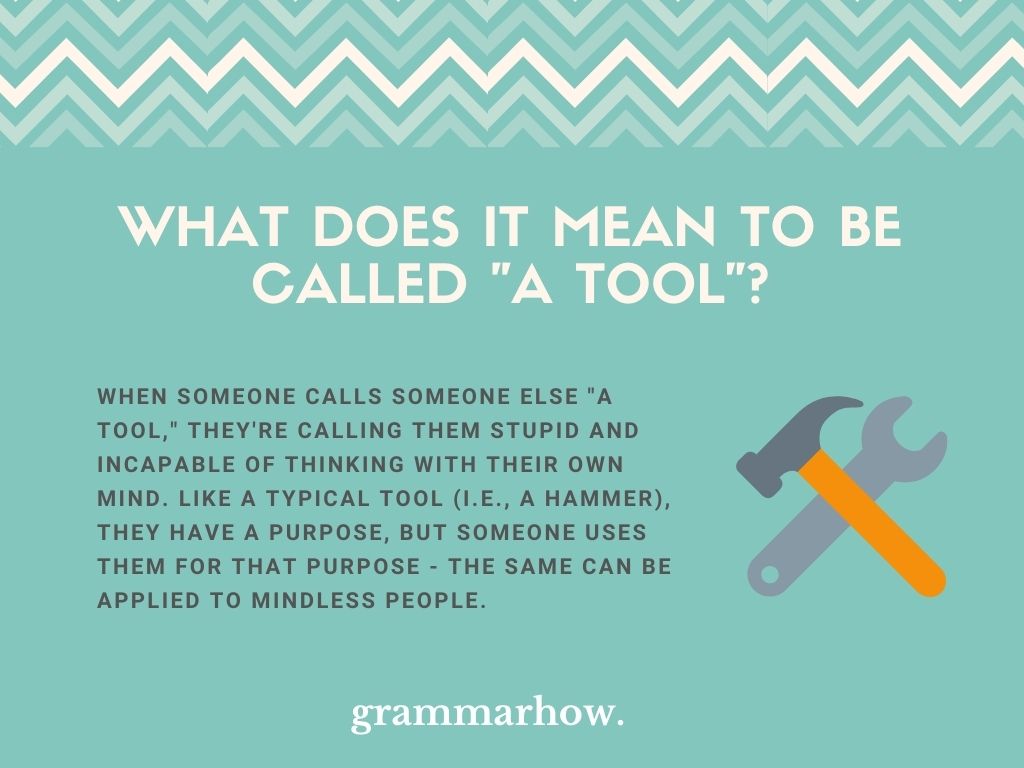
The Evolution of the Digital Tool: From Static Software to Dynamic Systems
The journey of the “tool” in technology began with fixed-purpose software. In the early days of computing, a tool was a program designed to perform a singular, specific task, such as word processing or spreadsheet calculation. These were static tools; they did exactly what they were programmed to do and nothing more.
From Utility to Ecosystem
As technology matured, the meaning of a tool shifted from standalone applications to integrated ecosystems. We no longer use a single tool in isolation. Instead, we operate within “tech stacks”—collections of tools that communicate with one another through APIs (Application Programming Interfaces). In this environment, a tool is defined by its interoperability. A project management app is not just a place to list tasks; it is a node in a network that connects to communication platforms, file storage, and time-tracking software. The “meaning” of the tool here is its ability to facilitate a seamless flow of data across different environments.
The Rise of the Interface and User Experience (UX)
The meaning of a modern tech tool is also deeply rooted in its accessibility. In the past, tools were often gated behind high barriers of technical expertise. Today, the “democratization of technology” means that a tool is only as powerful as its interface. A sophisticated algorithm is useless if the end-user cannot navigate it. Therefore, the contemporary definition of a tool includes the User Experience (UX). A tool now means a solution that simplifies complexity, allowing a non-technical user to perform high-level data analysis or graphic design with minimal training.
AI as the Ultimate Lever: Redefining Human Capability
The most significant shift in what a tool means has come with the advent of Artificial Intelligence (AI). Traditional tools required a human to provide every instruction. AI tools, however, are characterized by their ability to learn, adapt, and generate.
Generative AI and the Augmentation of Intellect
With the rise of Large Language Models (LLMs) and generative image tools, the tool has moved from being a passive instrument to an active collaborator. When we use an AI tool today, we are not just “using” it; we are “prompting” it. This shifts the human role from manual execution to high-level orchestration. In this context, a tool means an intellectual multiplier. It takes a seed of an idea and expands it into a full draft, a block of code, or a digital artwork. The tool has become an extension of our cognitive process, reducing the “time-to-output” from hours to seconds.
Automation vs. Autonomy
We must also distinguish between tools that automate and tools that act with semi-autonomy. Automation tools follow a “if-this-then-that” logic, removing repetitive tasks from the human workload. Autonomy, powered by machine learning, allows the tool to make decisions based on patterns in data. For a software developer, an AI-powered autocomplete tool is a collaborator that anticipates their next move. Here, the tool means “anticipatory intelligence”—a system that understands the user’s intent before it is even fully articulated.
The Ecosystem of Modern Productivity: SaaS and the Cloud
The physical location of our tools has changed, and with it, the definition of ownership and access. The shift from “buying” a tool to “subscribing” to a service has fundamentally altered the relationship between the user and the technology.

SaaS and the Cloud Revolution
Software as a Service (SaaS) has redefined a tool as a living, breathing entity. In the era of local installation, a tool was a static version of software. In the cloud era, a tool is a continuous service. It is constantly updated, patched, and improved. What a tool “means” today is a promise of ongoing evolution. When a company adopts a cloud-based CRM or a design suite, they are not just acquiring a feature set; they are acquiring a pipeline of future innovations. This “tool-as-a-service” model ensures that the technology grows alongside the user’s needs.
Integration and Workflow Orchestration
In a professional tech environment, the most valuable tools are often the ones that “glue” others together. Integration platforms (like Zapier or Make) have created a new category of tools: the orchestrators. These tools don’t produce an end product themselves; instead, they manage the relationship between other apps. This highlights a crucial modern definition: a tool can be a bridge. Its primary value lies in its ability to eliminate silos and create a unified digital workspace.
Digital Security and the Ethics of the Tool
As tools become more integrated into our lives, their meaning expands to include the responsibilities of security and ethics. A tool is no longer just a neutral object; it is a gateway to data and a potential point of vulnerability.
Data Sovereignty and Security
In the realm of digital security, a tool means a shield. However, every tool we use also represents a potential “attack surface.” The meaning of a tool now encompasses its security posture—how it handles encryption, how it stores user data, and how it complies with privacy regulations like GDPR. For a tech professional, a tool that is not secure is not a tool at all; it is a liability. Therefore, the “meaning” of a tool in the modern enterprise is inextricably linked to trust.
The Ethics of Algorithmic Tools
Because tools—especially AI and big data analytics—now make decisions that affect human lives, we must consider the ethical dimension. A tool can carry the biases of its creators. In this light, “what a tool means” includes the social impact of its deployment. Is the tool fair? Is it transparent? Can its decisions be audited? As we build more powerful software, the definition of a tool must include a framework of digital ethics to ensure that the leverage it provides does not cause unintended harm.
Redefining the Future: From Tools to Partners
Looking forward, the concept of a tool is trending toward a “low-code/no-code” future and the emergence of “agentic” workflows. This will further blur the line between the creator and the tool.
The Low-Code/No-Code Movement
The meaning of a tool is currently expanding to include “empowerment for all.” Low-code and no-code platforms allow individuals without a computer science background to build complex applications. In this paradigm, a tool means the “abstraction of complexity.” It allows the user to focus on the “what” (the business logic or the creative vision) rather than the “how” (the underlying syntax and infrastructure). This is the ultimate fulfillment of the tool’s original purpose: to lower the barrier to human achievement.
Future Trends: From Tools to Autonomous Agents
We are entering an era where tools will no longer wait for our commands. “AI Agents” are the next evolution. These are tools that can be given a high-level goal—”research this topic and summarize the key trends”—and then execute a series of multi-step actions across various platforms to achieve it. At this stage, the tool becomes a “digital partner.” The meaning of a tool evolves from a “thing we use” to an “entity we direct.”

Conclusion: The Tool as a Reflection of Human Intent
Ultimately, what a tool means in the tech world is a reflection of our own ambition. It is the manifestation of the human desire to overcome limitations. From the first line of code to the most advanced autonomous AI, tools are the instruments through which we shape our digital reality.
As technology continues to advance at an exponential rate, the tools we use will become more invisible, more intuitive, and more powerful. They will move from our desktops to our pockets, and eventually into the very fabric of our environment. Yet, regardless of how complex they become, the fundamental meaning of a tool remains the same: it is an extension of our will, designed to turn the impossible into the routine. In the end, a tool is not just a piece of technology; it is the means by which we invent the future.
aViewFromTheCave is a participant in the Amazon Services LLC Associates Program, an affiliate advertising program designed to provide a means for sites to earn advertising fees by advertising and linking to Amazon.com. Amazon, the Amazon logo, AmazonSupply, and the AmazonSupply logo are trademarks of Amazon.com, Inc. or its affiliates. As an Amazon Associate we earn affiliate commissions from qualifying purchases.