
In the world of real estate and personal finance, few threats are as insidious as the subterranean termite. While an investor might meticulously track interest rates, property taxes, and rental yields, the physical integrity of the asset remains the foundation—quite literally—of the investment’s value. To a financial professional or a savvy homeowner, “what a termite infestation looks like” is not merely a biological question; it is a question of risk management, asset devaluation, and capital preservation.
Termites are often referred to as “silent destroyers” because they can chew through the equity of a property long before the owner notices a single symptom. In the United States alone, termites cause over $5 billion in property damage annually—costs that are rarely covered by standard homeowners’ insurance policies. Understanding the visual markers of an infestation is a critical skill in due diligence, ensuring that a “great deal” doesn’t turn into a catastrophic financial liability.
The Hidden Cost of Structural Erosion: Why Termites are a Financial Nightmare
From a wealth management perspective, a property is a vehicle for capital appreciation and cash flow. A termite infestation acts as a leak in that vehicle. Unlike a broken window or a leaky faucet, termite damage is structural, meaning it affects the core stability of the asset.
Impact on Property Valuation
The moment a termite infestation is recorded or becomes visible, the market value of a property can plummet. In a competitive real estate market, a history of infestation without a transferable warranty or a clear “letter of clearance” can reduce a home’s selling price by 10% to 25%. For an investor, this represents a massive hit to the Return on Investment (ROI). If you are flipping a house, discovering structural rot mid-renovation can erase your entire profit margin in labor and material costs.
The “Silent Destroyer” and Insurance Exclusions
One of the most terrifying financial aspects of a termite infestation is the insurance gap. Most standard policies categorize termite damage as “preventable maintenance” rather than an “accidental occurrence.” This means that if termites eat through your floor joists, the $40,000 repair bill typically comes directly out of your liquid assets. Understanding the visual signs early is the only way to mitigate this uninsurable risk.
Identifying the Visual “Red Flags”: A Portfolio Manager’s Checklist
When performing a walk-through of a potential investment property or conducting an annual audit of your own home, you must look beyond the surface aesthetics. A fresh coat of paint can hide a multitude of financial sins. Here is what a termite infestation actually looks like through the lens of risk assessment.
Mud Tubes and Foundation Integrity
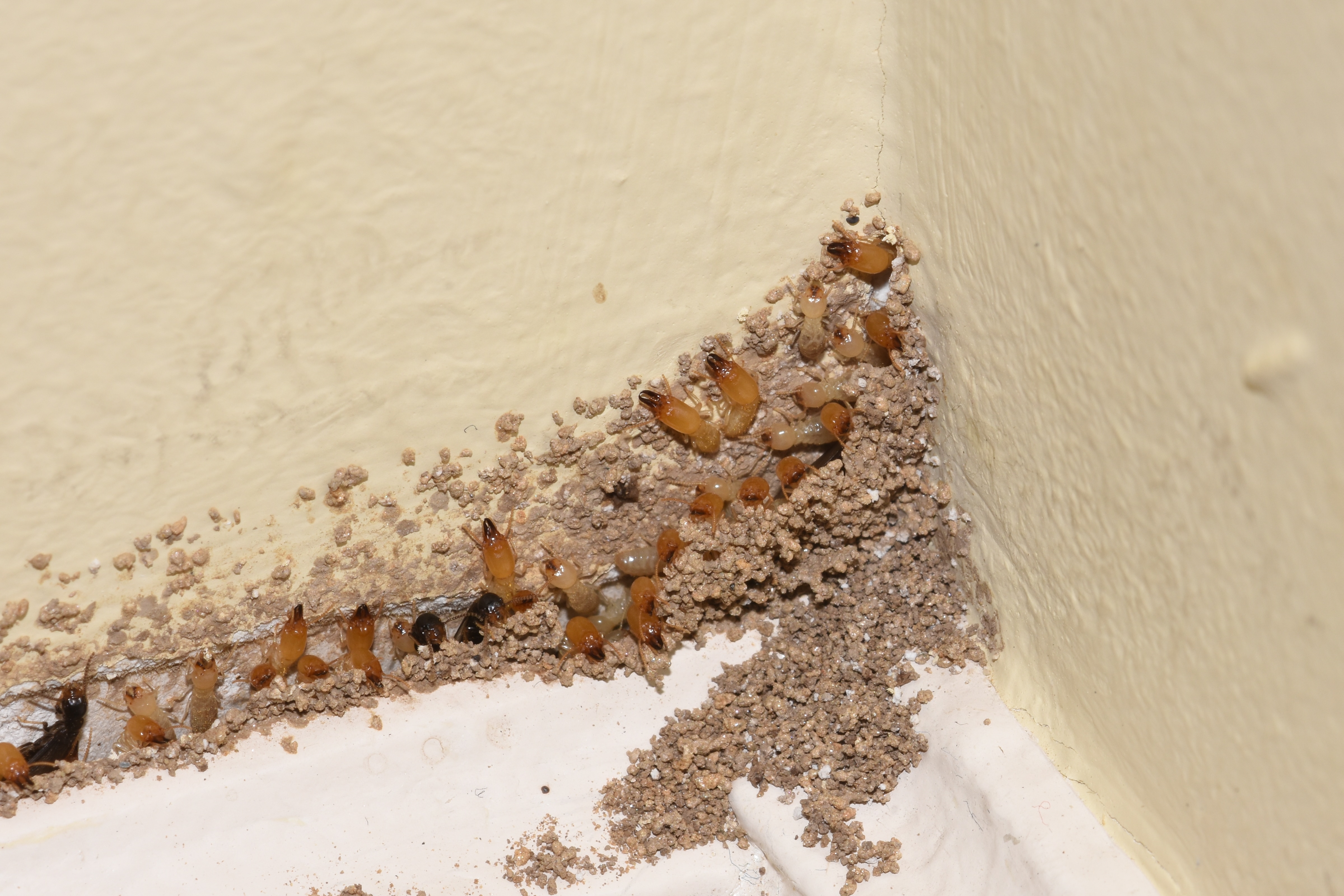
The most common sign of subterranean termites is the presence of mud tubes. These are small, pencil-sized tunnels made of soil and debris that termites use to travel from the ground into the wooden structures of a building without being dehydrated by the air.
From a financial standpoint, seeing mud tubes on a foundation is an immediate “Stop” signal in a transaction. It indicates an active bridge between the earth and your equity. These tubes are often found near the home’s concrete foundation, in crawl spaces, or along basement walls. If you spot these during a pre-purchase inspection, it is a clear indicator that a professional structural engineer and a pest specialist need to be consulted before any funds are wired.
Wood Damage and Structural Repair Estimates
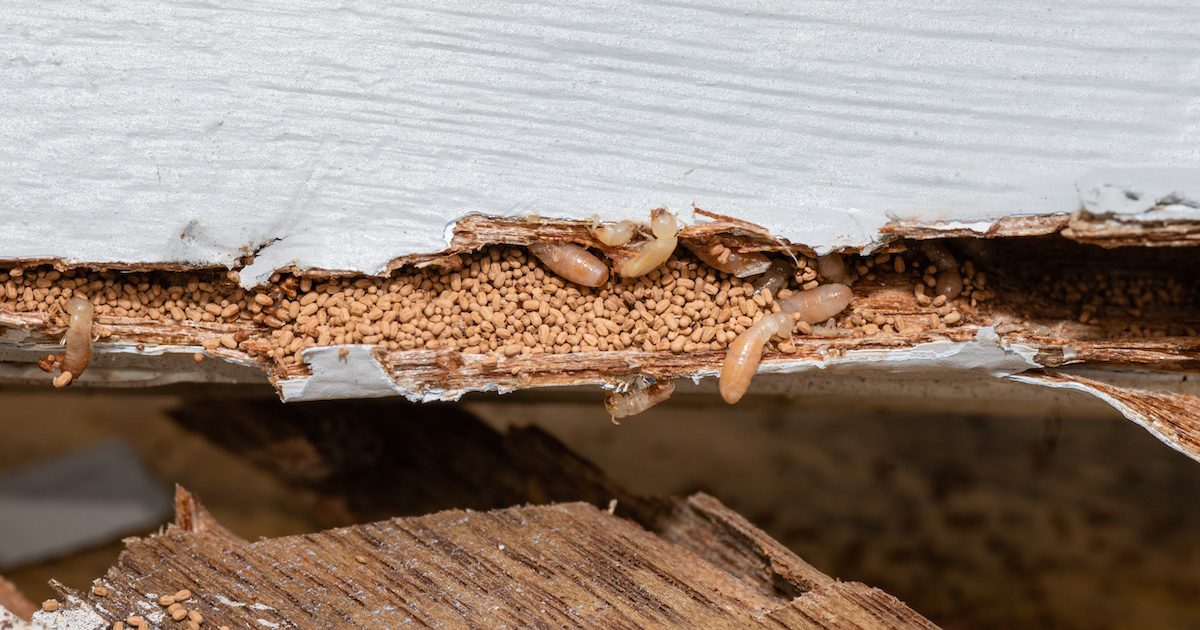
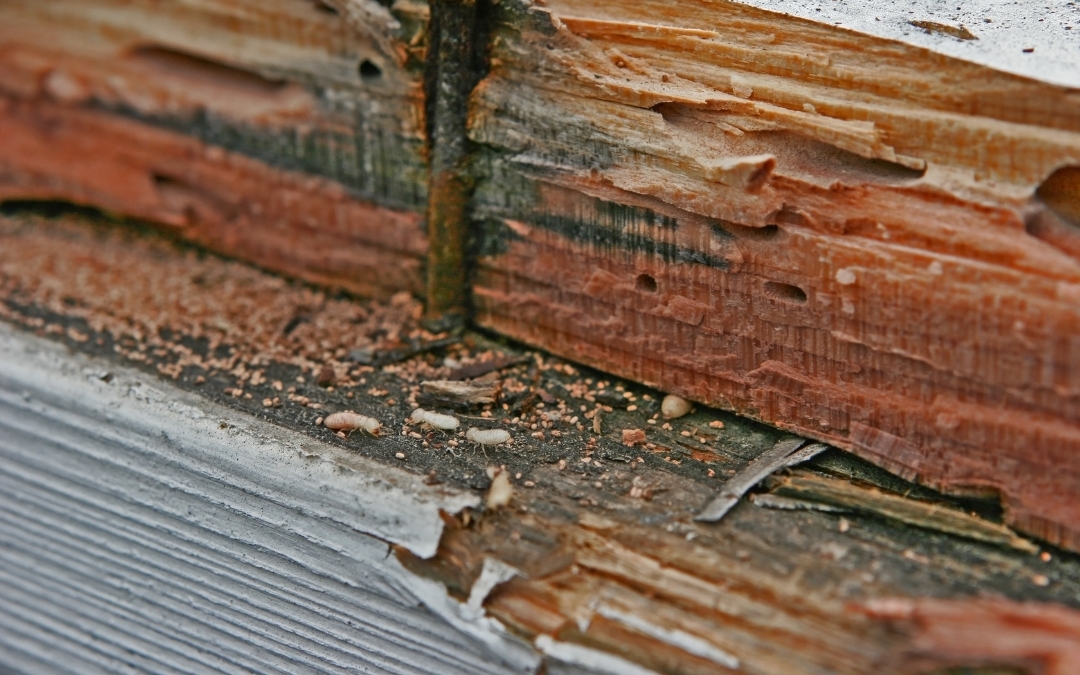
Termites eat wood from the inside out, often leaving a thin veneer of paint or wood grain on the exterior. To identify this, look for wood that appears blistered or “wavy.” If you tap on a structural beam and it sounds hollow, or if a screwdriver can easily pierce the surface, you are looking at significant capital depletion.
For a landlord, this type of damage is particularly dangerous. If a deck or a staircase collapses due to termite-weakened wood, the financial liability extends beyond repair costs into the realm of personal injury lawsuits and increased umbrella insurance premiums.
Evidence of Swarmers: Timing Your Market Exit or Entry
“Swarmers” are winged termites that leave the colony to start new ones. They are often mistaken for flying ants, but for a property owner, they are a visual “sell” signal. Seeing discarded wings on windowsills or near entry points suggests that a mature colony is already well-established nearby.
In terms of market timing, discovering swarmers in the spring—the peak of termite season—can delay a property listing. A savvy seller will address these visual signs and secure a professional treatment bond before hitting the market to avoid losing leverage during the inspection contingency period.
Due Diligence and Risk Mitigation in Real Estate Investing
In any high-stakes financial transaction, due diligence is the barrier between profit and loss. When dealing with real estate, the “termite factor” should be a line item in your risk assessment matrix.
The Role of Professional Inspections in Closing Deals
While an investor can spot the obvious signs, a Wood-Destroying Insect (WDI) report is a non-negotiable document in professional real estate finance. This report, typically costing between $100 and $300, provides a professional certification of the property’s status. In the context of a $500,000 asset, the ROI on a $200 inspection is astronomical. It protects the lender’s collateral and the buyer’s down payment.
Negotiating Purchase Prices Based on Infestation Risks
If an infestation is identified, it does not necessarily mean the deal is dead; it means the valuation must be adjusted. A termite infestation provides significant negotiating leverage. The cost of treatment (typically $1,000 to $3,500) plus the cost of structural repairs (which can range from $5,000 to $50,000+) should be deducted from the asking price or credited at closing.
Investors often use these visual signs to “low-ball” a property that other, less-informed buyers are afraid to touch. If the damage is localized and treatable, it represents an opportunity to buy an asset at a discount, remediate the risk, and restore the value.
Long-term Financial Planning: Budgeting for Preventative Maintenance
A sound financial plan accounts for recurring expenses and the protection of core assets. Termite prevention should be viewed as a “maintenance premium” rather than an optional expense.
ROI on Termite Protection Systems
There are two primary financial models for termite protection: liquid barriers and baiting systems. While these systems require an upfront investment and an annual renewal fee (usually $300–$500), they function as a private insurance policy.
When you factor in the potential $50,000 loss from a major infestation, the “break-even” point of a termite contract is reached if it prevents even a single moderate infestation over a 20-year period. Furthermore, a property with a transferable termite bond is significantly more liquid (easier to sell) than one without, as it provides peace of mind to the next buyer.
Factoring Pest Control into Cash Flow Projections
For those managing rental portfolios or commercial real estate, pest control is an operating expense (OpEx) that reduces Net Operating Income (NOI). However, failing to budget for it is a form of “false economy.” Skimping on the $500 annual inspection to boost short-term dividends can lead to a total loss of the asset’s structural integrity a decade down the line.
A professional property manager should always include a “structural integrity” fund in their capital expenditure (CapEx) budget. This ensures that when the visual signs of termites inevitably appear, the capital is already allocated for a swift, decisive response that prevents the “rot” from spreading to the balance sheet.
Conclusion: Protecting the Foundation of Your Wealth
What a termite infestation looks like depends on who is watching. To a biologist, it is a fascinating display of social insect behavior. To a homeowner or investor, it is a visual manifestation of a financial threat.
By identifying mud tubes, hollow wood, and discarded wings early, you are doing more than just “checking for bugs”—you are performing a vital audit of your net worth. In the world of money, the best offense is a good defense. Protecting your real estate from the silent erosion of termites ensures that your most significant investments continue to appreciate, providing the structural and financial stability necessary for long-term wealth creation. Don’t wait for the floorboards to give way; watch the foundation, value the inspections, and treat every visual sign of an infestation as a critical alert for your financial future.
aViewFromTheCave is a participant in the Amazon Services LLC Associates Program, an affiliate advertising program designed to provide a means for sites to earn advertising fees by advertising and linking to Amazon.com. Amazon, the Amazon logo, AmazonSupply, and the AmazonSupply logo are trademarks of Amazon.com, Inc. or its affiliates. As an Amazon Associate we earn affiliate commissions from qualifying purchases.