
In the landscape of modern retail and personal finance, few companies command as much respect for their operational model as Costco Wholesale. While consumers flock to the warehouse for bulk savings and the legendary rotisserie chicken, professionals and job seekers often look to the company as a gold standard for retail employment. At the heart of this massive logistical machine is the “Stocker.”
Often viewed through the narrow lens of manual labor, the role of a Costco stocker is actually a foundational pillar of the company’s financial success and a high-value entry point for individuals seeking long-term financial stability. This article explores the multifaceted responsibilities of a stocker, the industry-leading compensation structure, and the strategic career trajectory that makes this role a premier “money” move in the labor market.
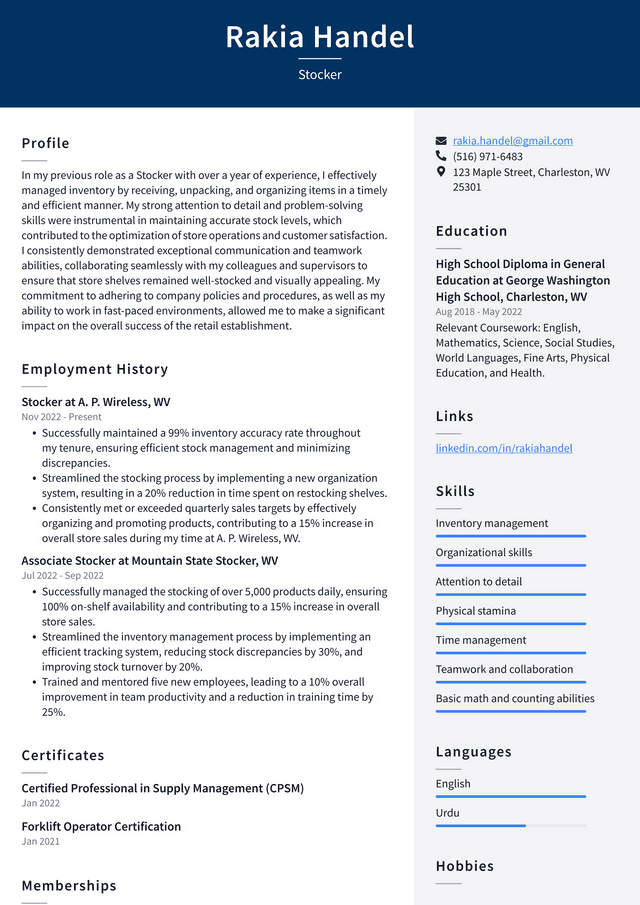
Understanding the Role: The Engine of Inventory Velocity
To understand what a stocker at Costco does, one must first understand the “Warehouse Model.” Unlike traditional grocery stores that stock individual cans on deep shelves, Costco operates on “inventory velocity.” The goal is to move massive amounts of product from the receiving dock to the sales floor with minimal touchpoints.
Daily Responsibilities and Efficiency Metrics
The primary duty of a stocker is to ensure that the warehouse is “member-ready.” This involves more than just moving boxes; it is a high-speed exercise in logistics. Stockers typically work in the early morning (the “AM merch” shift) or late at night after the warehouse closes. They use heavy machinery, such as forklifts and electric pallet jacks, to position pallets of merchandise precisely according to the “planogram”—the corporate blueprint for item placement.
Efficiency is the metric that matters most. Because Costco operates on razor-thin margins, a stocker must be able to break down cardboard, rotate perishable stock, and organize “steel” (the high-reaching industrial shelving) with extreme speed. A delay in stocking means a delay in sales, which directly impacts the warehouse’s daily revenue targets.
The Logistical Impact on Bottom-Line Profitability
Stockers are essentially the front-line managers of Costco’s physical assets. They are responsible for inventory accuracy and loss prevention. When a stocker identifies a damaged pallet or a discrepancy in a shipment, they are protecting the company’s capital. In the world of business finance, this is known as maintaining the integrity of the supply chain. By ensuring that “high-velocity” items are always available and prominently displayed, stockers play a direct role in the warehouse’s ability to generate the massive volume required to sustain its low-price membership model.
Compensation and Financial Incentives: A Case Study in Personal Finance
One of the primary reasons the “Stocker” position is highly coveted is the financial package associated with it. In a sector where “minimum wage” is often the standard, Costco has built a corporate identity around the idea that paying employees well leads to higher productivity and lower turnover—a philosophy that benefits the employee’s personal balance sheet.
Hourly Wages and Periodic Incremental Raises
Costco’s compensation structure is legendary in the retail space. Starting wages for stockers generally sit significantly above the federal and state minimums. However, the true financial power lies in the “stepped” raise system. Unlike many companies where raises are subjective or based on annual reviews, Costco stockers receive automatic raises based on the number of hours worked.
For a full-time stocker, this creates a predictable and guaranteed upward trajectory for their income. As they accumulate “hours,” they move up the pay scale until they reach “topped-out” status. At this level, stockers can earn a high hourly rate that rivals many entry-level white-collar positions, often supplemented by “extra check” bonuses (longevity bonuses) paid twice a year.
Comprehensive Benefits and Retirement Security
From a personal finance perspective, the total compensation of a Costco stocker extends far beyond the hourly rate. The company offers a robust benefits package that includes:
- Health and Dental Insurance: High-tier coverage with low employee premiums, which preserves an individual’s take-home pay by reducing out-of-pocket medical costs.
- 401(k) Matching and Contributions: Costco provides a generous 401(k) program. Not only does the company match employee contributions, but it also provides a discretionary contribution based on years of service. For a disciplined stocker, this makes the role a viable vehicle for building long-term wealth and achieving a comfortable retirement.
- Paid Time Off (PTO): A generous accrual system that allows for a healthy work-life balance without sacrificing income.

Career Pathing: From the Floor to Executive Management
For those viewing the stocker role as a “side hustle” or a temporary job, it is important to recognize the long-term financial growth potential. Costco has a strict policy of promoting from within. The person currently stocking pallets of water at 4:00 AM today could very well be the General Manager of a $200-million-a-year warehouse in fifteen years.
Internal Promotion Culture and the Management Track
Almost every executive at Costco, including many at the corporate headquarters in Issaquah, started their career pushing carts or stocking shelves. The stocker role provides a comprehensive education in the company’s operational DNA.
Once a stocker masters the floor, the path to “Supervisor” becomes the next logical step. This transition marks a shift from manual execution to team leadership and operational oversight. From there, the ladder leads to “Area Manager,” “Staff Manager,” and eventually “Assistant Warehouse Manager.” Each step comes with significant salary increases, performance bonuses, and often, stock options or grants.
Skill Acquisition: Logistics, Operations, and Financial Literacy
The “Stocker” position serves as a real-world classroom for business finance. Employees learn about “shrink” (inventory loss), “DND” (did not deliver), and “markdowns.” They gain hands-on experience with inventory management software and logistical planning. These are transferable skills that carry immense value in the global supply chain market. Even if an individual does not stay with Costco for their entire career, the “Costco pedigree” on a resume signals to other employers that the individual understands high-volume operations and possesses the discipline required for rigorous logistical work.
The Reality of Shift Dynamics and Work-Life Integration
While the financial rewards are high, the role demands a specific lifestyle adjustment. The “what” of a stocker’s job is heavily influenced by “when” they do it.
Morning vs. Evening Stocking Roles
The AM Merchandising shift is perhaps the most common for stockers. This usually begins around 4:00 AM or 5:00 AM and concludes just as the warehouse opens to members. From a financial management standpoint, this shift is highly advantageous. It allows employees to complete their workday by noon, leaving the rest of the day open for education, family commitments, or even secondary “side hustles” for those looking to maximize their income streams.
The PM shift, conversely, focuses on “recovery.” As members shop throughout the day, the warehouse becomes disorganized. PM stockers are responsible for “facing” the merchandise (pulling items to the front of the shelf) and restocking critical items to prepare for the next day’s rush.
Maximizing Income Through Overtime and Premiums
For those focused on maximizing their “online income” or “side hustle” energy into their primary job, Costco offers various “premiums.” Working on Sundays, for example, typically earns the employee “Time-and-a-Half” pay. For a topped-out stocker, a Sunday shift is a significant financial windfall. Additionally, during the “peak season” (the holidays between November and January), opportunities for overtime are abundant. A strategic stocker can leverage these premiums to significantly boost their annual gross income, providing extra capital for personal investments or debt reduction.

Conclusion: A High-Value Professional Foundation
In summary, a stocker at Costco does much more than move merchandise. They are the tactical operators of a multi-billion dollar retail strategy. From a “Money” and “Business Finance” perspective, the role represents one of the most stable and lucrative entry-level opportunities in the modern economy.
By combining a high base wage with a transparent raise structure, exceptional benefits, and a clear path to upper management, Costco has turned the humble job of a stocker into a professional career. For the individual willing to put in the physical labor and master the logistical nuances of the warehouse, the role offers a rare path to financial security and upward mobility. Whether viewed as a long-term career or a high-paying foundational step, the Costco stocker remains an essential and highly rewarded figure in the world of commerce.
aViewFromTheCave is a participant in the Amazon Services LLC Associates Program, an affiliate advertising program designed to provide a means for sites to earn advertising fees by advertising and linking to Amazon.com. Amazon, the Amazon logo, AmazonSupply, and the AmazonSupply logo are trademarks of Amazon.com, Inc. or its affiliates. As an Amazon Associate we earn affiliate commissions from qualifying purchases.