
The role of a state committeeman, while not always in the spotlight, is a foundational element within the political landscape of the United States. Often operating behind the scenes, these individuals are the backbone of political parties at the state level, instrumental in organizing, strategizing, and mobilizing support for candidates and party platforms. Their responsibilities are diverse, ranging from local party operations to influencing state-wide policy and elections. Understanding their function requires delving into the structure of political parties and the specific tasks they undertake to ensure the party’s success and the election of its representatives.
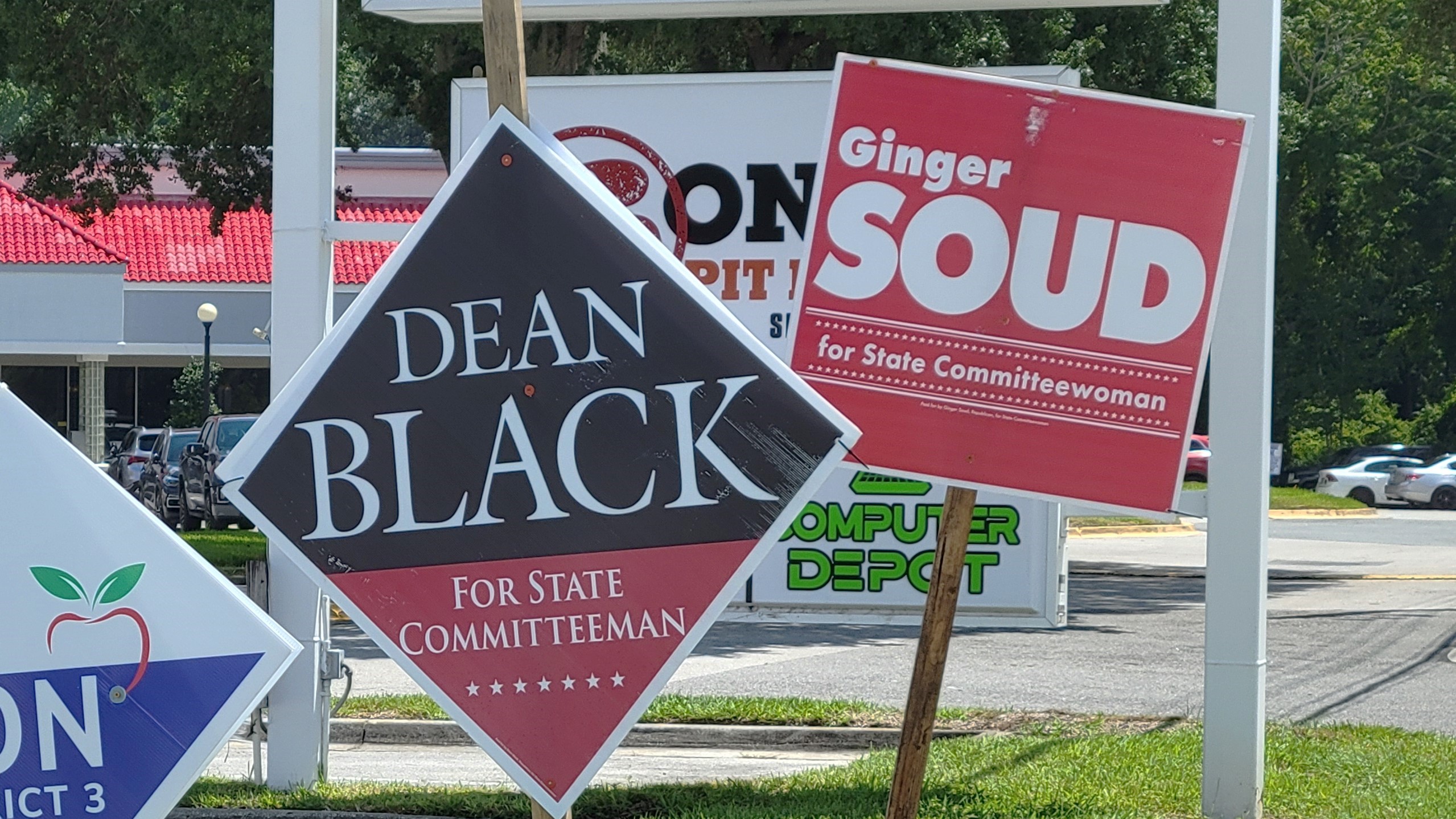
The Foundational Role of a State Committeeman in Party Structure
State committeemen and committeewomen (often referred to collectively as state committee members) are elected or appointed representatives of a political party within a specific state. They form the State Central Committee, which is the governing body of the party in that state. This committee is responsible for the overall direction and management of the party’s activities, acting as a crucial link between the national party organization and its local chapters. Their presence ensures that the party’s goals are translated into actionable strategies at the state level, and that the voices of the grassroots are heard by party leadership.
Election and Appointment Processes
The specific methods by which state committeemen are selected can vary significantly from state to state and even between different political parties within the same state. Generally, they are chosen through a tiered system that begins at the local level. Precinct committeemen, who represent the smallest political subdivisions (precincts), are typically elected by registered party members in their precinct, often during local party caucuses or conventions. These precinct committeemen then, in turn, elect or appoint state committeemen to represent their county or senatorial district on the State Central Committee. This hierarchical structure ensures that state committee members are, in principle, accountable to the party faithful in their local areas. In some instances, especially for newer or smaller parties, appointments may also play a role, with established party leaders selecting individuals to fill committee positions.
Responsibilities within the State Central Committee
Once elected or appointed, state committeemen become integral members of the State Central Committee. This body convenes regularly to discuss and decide upon key party matters. Their core responsibilities include setting party policy and platforms at the state level, approving budgets for state party operations, and developing overarching campaign strategies for state-wide elections, including races for governor, lieutenant governor, attorney general, state legislators, and sometimes even federal offices if the national party delegates this authority. They also play a significant role in fundraising for the state party and supporting candidates through various means. Furthermore, state committeemen are often tasked with organizing and motivating party volunteers, ensuring smooth party operations, and upholding the party’s principles and values.
The Strategic and Operational Functions of a State Committeeman
Beyond the formal structures of the State Central Committee, state committeemen are deeply involved in the practical, day-to-day operations and strategic planning that underpins a political party’s effectiveness. Their work is essential for building a strong party infrastructure, recruiting candidates, and mobilizing voters. This operational aspect is where much of the tangible impact of their role is felt.
Campaign Strategy and Development
A significant portion of a state committeeman’s duties involves contributing to and implementing campaign strategies. This includes identifying key electoral districts, determining target demographics, and allocating resources effectively. They often work in conjunction with campaign managers and consultants to craft messaging that resonates with voters, both for party-wide initiatives and for individual candidates. This might involve advising on policy positions, analyzing polling data, and developing outreach programs. Their deep understanding of the political landscape within their specific districts or regions is invaluable in tailoring these strategies for maximum impact. They are also often involved in the selection and vetting of candidates, ensuring that those who run under the party banner align with its core values and have a strong chance of success.

Fundraising and Resource Allocation
Political campaigns and party operations are heavily reliant on financial resources. State committeemen are frequently involved in fundraising efforts, from organizing events and soliciting donations to cultivating relationships with major donors. They are responsible for ensuring that the state party has the financial means to support its candidates, run advertisements, conduct get-out-the-vote drives, and maintain party infrastructure. Furthermore, they play a crucial role in the allocation of these funds. Decisions are made regarding which campaigns receive the most support, how advertising budgets are distributed, and where resources are best deployed to achieve electoral victories. This requires careful consideration of electoral needs, candidate viability, and the overall strategic goals of the party.
Grassroots Mobilization and Voter Engagement
Perhaps one of the most critical, though often less visible, roles of a state committeeman is in grassroots mobilization and voter engagement. They are the on-the-ground organizers who connect the party with its constituents. This involves recruiting and managing volunteers, organizing local party meetings, and coordinating precinct-level activities. Their efforts are vital for ensuring that party members are informed, motivated, and actively participating in the political process. This includes organizing door-to-door canvassing, phone banking, voter registration drives, and get-out-the-vote initiatives, particularly during election cycles. By fostering a strong network of engaged supporters, state committeemen are instrumental in building the electoral coalitions necessary for success.
Influence and Impact Beyond Election Cycles
The responsibilities of a state committeeman extend far beyond the immediate demands of an election cycle. They are involved in shaping the long-term direction of the party, influencing policy, and preparing for future political battles. Their continuous engagement ensures the party remains relevant and responsive to the evolving needs of the electorate.
Policy Development and Advocacy
State committeemen play a vital role in developing and advocating for the party’s policy agenda at the state level. They contribute to the formation of the party platform, ensuring that it reflects the priorities and concerns of the party’s base. This involves research, debate, and consensus-building within the State Central Committee. Once policies are established, committeemen often engage in advocacy efforts, communicating these positions to the public, to elected officials, and to legislative bodies. They may also support or oppose specific legislation based on its alignment with the party’s platform, acting as a conduit for party sentiment on critical state issues. This influence can shape the laws and regulations that govern the state.
Candidate Recruitment and Support
A healthy political party relies on a continuous pipeline of qualified candidates. State committeemen are often at the forefront of identifying and recruiting individuals to run for office under the party banner. They scout for potential leaders, encourage them to enter politics, and provide them with initial support and guidance. This might involve connecting aspiring candidates with resources, mentors, and campaign training. Beyond recruitment, they continue to offer support to candidates throughout their campaigns, acting as advisors, fundraisers, and mobilizers. Their commitment to nurturing new talent is crucial for the long-term viability and competitiveness of the party.

Party Building and Infrastructure Maintenance
The enduring strength of a political party depends on its organizational capacity and infrastructure. State committeemen are responsible for maintaining and strengthening this foundation. This includes ensuring that local party organizations are active and functional, facilitating communication between different levels of the party, and upholding party rules and bylaws. They work to build a cohesive and disciplined party organization that can effectively execute its strategies and achieve its objectives. This ongoing effort in party building, even between elections, is what allows parties to respond effectively to political opportunities and challenges, and to remain a force in state governance.
aViewFromTheCave is a participant in the Amazon Services LLC Associates Program, an affiliate advertising program designed to provide a means for sites to earn advertising fees by advertising and linking to Amazon.com. Amazon, the Amazon logo, AmazonSupply, and the AmazonSupply logo are trademarks of Amazon.com, Inc. or its affiliates. As an Amazon Associate we earn affiliate commissions from qualifying purchases.