
The realm of audio production is often perceived as a mystical art, with its practitioners wielding an array of buttons, faders, and sophisticated equipment to sculpt sonic landscapes. At the heart of this complex process lies the sound mixer, a crucial figure whose expertise ensures that every auditory element, from a whisper to a roar, is perfectly balanced, intelligible, and emotionally resonant. While the term “mixer” might conjure images of a disc jockey manipulating turntables, the role of a sound mixer in professional audio production – whether for film, television, music, live events, or video games – is far more intricate and demanding. It’s a role that sits at the intersection of technical proficiency, artistic sensibility, and meticulous attention to detail, all of which are underpinned by a deep understanding of audio technology.
The Foundation: Understanding the Sound Mixer’s Technological Toolkit
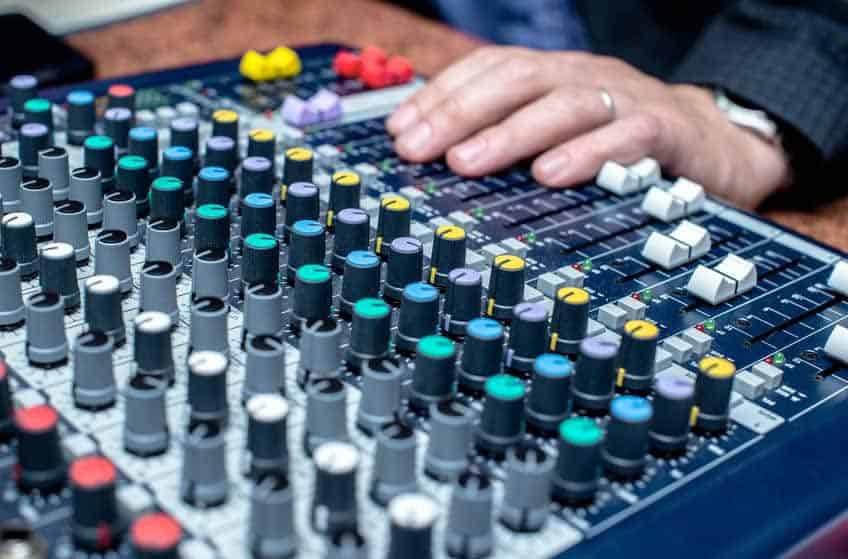
The sound mixer’s work is inextricably linked to a sophisticated array of technologies. Their primary tool, the mixing console, is a complex interface that allows them to manipulate and combine multiple audio signals. These consoles can range from physical, analog behemoths to highly advanced digital workstations. Beyond the console itself, a deep familiarity with various microphones, signal processors, and playback systems is essential. The effective deployment and understanding of these technologies are what allow a sound mixer to achieve their desired sonic outcomes.
Microphones: The First Point of Capture
Every sound begins with a microphone. The sound mixer must understand the diverse types of microphones available and their specific applications. This includes knowing the difference between:
Dynamic Microphones
These are robust and widely used for capturing loud sources like drums, electric guitars, and vocals in live settings. Their simple construction makes them durable and less prone to distortion at high sound pressure levels. A mixer needs to understand their frequency response and polar patterns to choose the right one for a specific instrument or voice.
Condenser Microphones
These microphones are generally more sensitive and capture finer details, making them ideal for studio vocals, acoustic instruments, and ambient sound recording. They require phantom power, a technical detail that the mixer must manage. Understanding their transient response and delicate nature is key to preventing clipping or unwanted noise.
Ribbon Microphones
Known for their warm, natural sound, ribbon microphones are often favored for specific vocal applications or for capturing the natural tone of instruments like brass or guitars. They are typically more fragile than dynamic microphones and require careful handling and placement.
Shotgun Microphones
Highly directional, these microphones are essential for film and television dialogue recording, allowing the mixer to isolate sound from a specific source while rejecting ambient noise. Understanding their “pickup pattern” is crucial for effective boom operation or camera-mounted placement.
The Mixing Console: The Orchestrator of Sound
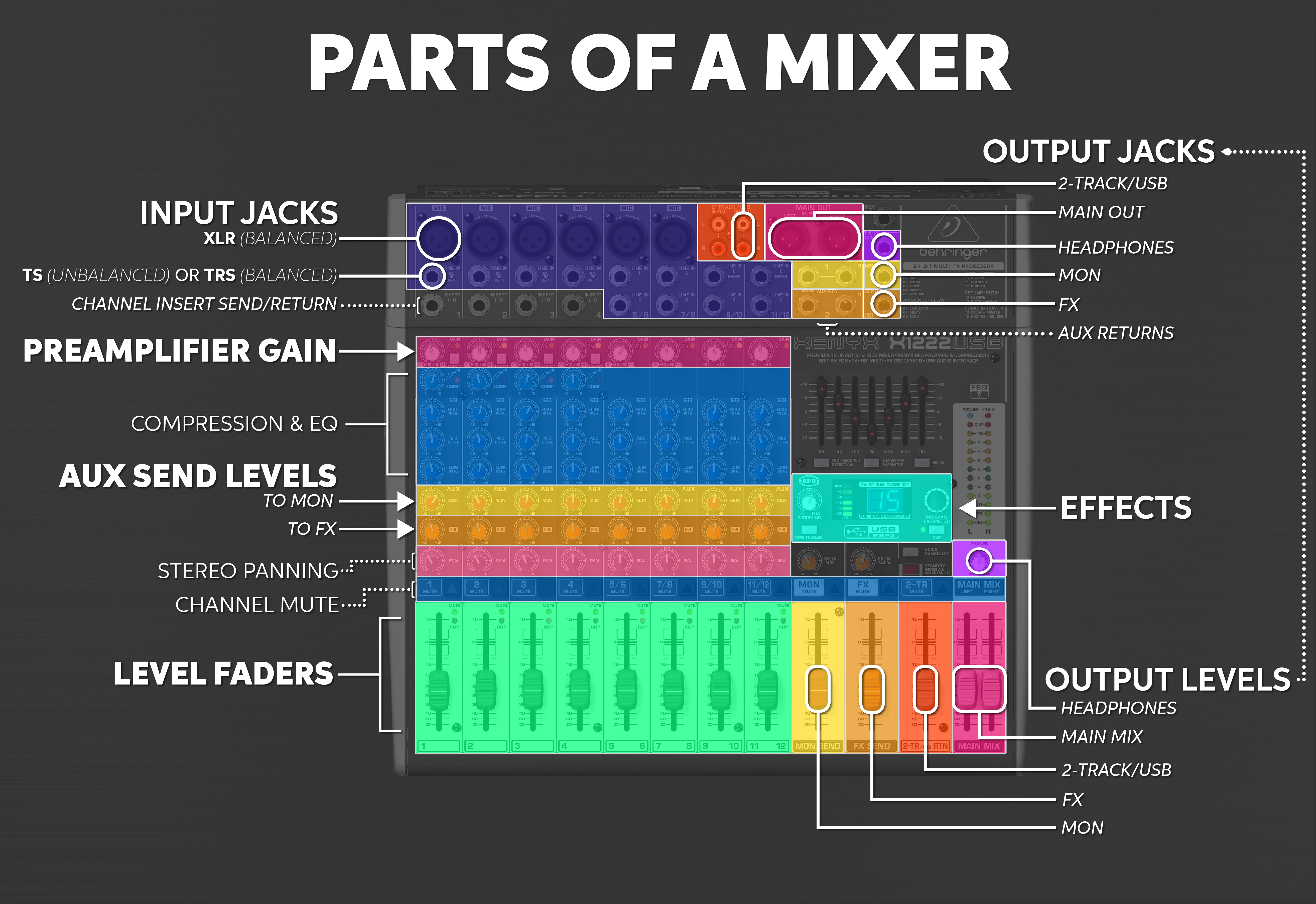
The mixing console, whether physical or software-based (Digital Audio Workstation – DAW), is the central hub of operations. This is where all the captured audio signals converge, and where the mixer exerts their control.
Analog vs. Digital Consoles
Analog consoles offer a tactile experience with physical faders and knobs, favored by some for their warmth and directness. Digital consoles, on the other hand, offer immense flexibility, recallable settings, and advanced processing capabilities within a software interface. The mixer must be proficient in operating either, understanding the unique characteristics and workflows associated with each.
Signal Flow and Routing
A fundamental understanding of signal flow is paramount. This involves tracing the path of an audio signal from its source, through preamplifiers, equalizers, compressors, effects, and finally to the output. The mixer meticulously routes these signals, ensuring that the correct audio reaches the desired destination at the right time.
Faders and Gain Staging
The faders control the volume of individual tracks and the overall mix. “Gain staging” refers to the careful adjustment of signal levels at each stage of the audio chain to maximize signal-to-noise ratio and prevent distortion. The mixer’s ability to precisely control these levels is critical for a clean and dynamic sound.
Signal Processing: Sculpting the Sound
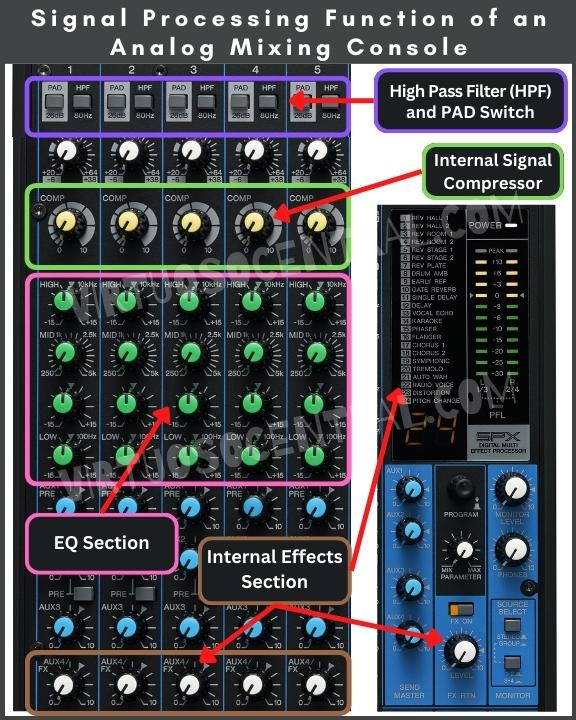
Once signals are captured and routed, they are often processed to enhance, refine, or transform them.
Equalization (EQ)
EQ allows the mixer to adjust the balance of frequencies within an audio signal. This can be used to remove unwanted resonances, boost clarity, or shape the tonal character of an instrument or voice. Understanding the frequency spectrum and how different frequencies affect perception is a core skill.
Compression and Dynamics Processing
These tools are used to control the dynamic range of an audio signal – the difference between the loudest and quietest parts. Compressors can smooth out inconsistent vocal performances, add punch to drums, or prevent audio from exceeding certain levels. Expanders and gates are used to reduce noise or unwanted bleed.
Effects (Reverb, Delay, Modulation)
Reverb and delay add spatial depth and dimension to a mix, simulating acoustic spaces or creating rhythmic echoes. Modulation effects like chorus and flanger can add richness and movement. The mixer uses these tools creatively to enhance the emotional impact and sonic texture of the final product.
The Art of Balance: Achieving Sonic Cohesion
Beyond the technical manipulation of equipment, the sound mixer’s most significant contribution lies in their ability to balance disparate audio elements into a cohesive and pleasing whole. This involves not only adjusting levels but also understanding how different sounds interact and affect the listener’s perception.
Level Balancing
This is the most basic yet critical aspect of mixing. The sound mixer ensures that no single element overpowers another and that all important elements are audible. This requires constant listening and fine-tuning, often making minute adjustments to faders.
Frequency Masking and Clarity
In any mix, multiple instruments or voices will occupy similar frequency ranges, leading to “masking,” where one sound obscures another. The mixer uses EQ to carve out space for each element, ensuring that every voice or instrument is distinct and intelligible. This is particularly crucial in dialogue-heavy productions or complex musical arrangements.
Panning and Stereo Imaging
Panning refers to the placement of a sound within the stereo field, from left to right. Strategic panning creates width, depth, and separation in the mix, guiding the listener’s ear and creating a more immersive experience. The mixer uses this technique to create a sense of space and to avoid a “cluttered” sound.
Temporal Alignment and Synchronization
In audio-visual mediums like film and television, precise synchronization between sound and image is paramount. The sound mixer works to ensure that dialogue, sound effects, and music are perfectly aligned with their on-screen counterparts. This involves meticulous editing and timing, often requiring specialized software tools.
The Creative Application: Enhancing Narrative and Emotion
A sound mixer is not merely a technician; they are also a creative storyteller. The way sound is mixed can profoundly impact the emotional resonance and narrative clarity of a project.
Dialogue Enhancement
For film, television, and podcasting, dialogue is often the most critical element. The mixer meticulously cleans up dialogue, removes unwanted noise, and ensures that every word is clear and impactful. They use subtle EQ and compression to make voices sound natural and engaging, drawing the audience into the story.
Sound Design and Foley Integration
Sound design involves creating or selecting sounds to enhance the atmosphere, action, and emotion of a scene. Foley artists create everyday sound effects (footsteps, rustling clothes) that are then mixed in by the sound mixer. The mixer’s role is to integrate these elements seamlessly, making them believable and supportive of the narrative.
Music Mixing and Integration
Whether it’s a subtle underscore or a powerful orchestral score, music plays a vital role in shaping the emotional arc of a project. The sound mixer must blend the music with the other audio elements, ensuring that it enhances rather than distracts from the dialogue and sound effects. They consider the mood, tempo, and instrumentation of the music when making mixing decisions.
Creating Atmosphere and Immersion
The ambient sounds of a scene – the hum of a city, the rustle of leaves in a forest, the clatter of a busy restaurant – are crucial for creating a believable and immersive environment. The mixer carefully layers and balances these ambient sounds to transport the audience into the world of the story.
The Modern Sound Mixer: Adapting to Evolving Technologies
The field of sound mixing is constantly evolving, driven by advancements in digital audio technology and changing production workflows. The modern sound mixer must be adaptable and continuously update their skill set.
The Rise of Digital Audio Workstations (DAWs)
Software like Pro Tools, Logic Pro, Ableton Live, and Cubase have become indispensable tools. These DAWs offer powerful editing, mixing, and mastering capabilities, often replacing or augmenting traditional hardware consoles. Proficiency in one or more DAWs is a fundamental requirement for most mixers.
Immersive Audio Formats (Dolby Atmos, DTS:X)
The advent of immersive audio formats has introduced new complexities and opportunities. Mixers now need to understand how to create and mix sound in three-dimensional spaces, placing audio objects not just left-to-right and front-to-back, but also above and below the listener. This requires specialized workflows and monitoring setups.
Remote Collaboration and Cloud-Based Workflows
In today’s interconnected world, sound mixers are increasingly collaborating remotely. Cloud-based platforms and file-sharing services allow for the seamless exchange of audio files and project data, enabling teams to work together regardless of their physical location.
The Importance of Listening Skills and Critical Acumen
Despite the technological advancements, the most critical tool a sound mixer possesses remains their ears. Developing highly refined listening skills, the ability to critically evaluate audio, and a deep understanding of psychoacoustics are the cornerstones of excellent sound mixing. This allows them to identify subtle issues, make informed creative decisions, and ultimately deliver an audio experience that is both technically sound and artistically compelling. The sound mixer is the unseen architect of our auditory experiences, shaping the way we perceive and interact with the world through sound.
aViewFromTheCave is a participant in the Amazon Services LLC Associates Program, an affiliate advertising program designed to provide a means for sites to earn advertising fees by advertising and linking to Amazon.com. Amazon, the Amazon logo, AmazonSupply, and the AmazonSupply logo are trademarks of Amazon.com, Inc. or its affiliates. As an Amazon Associate we earn affiliate commissions from qualifying purchases.