
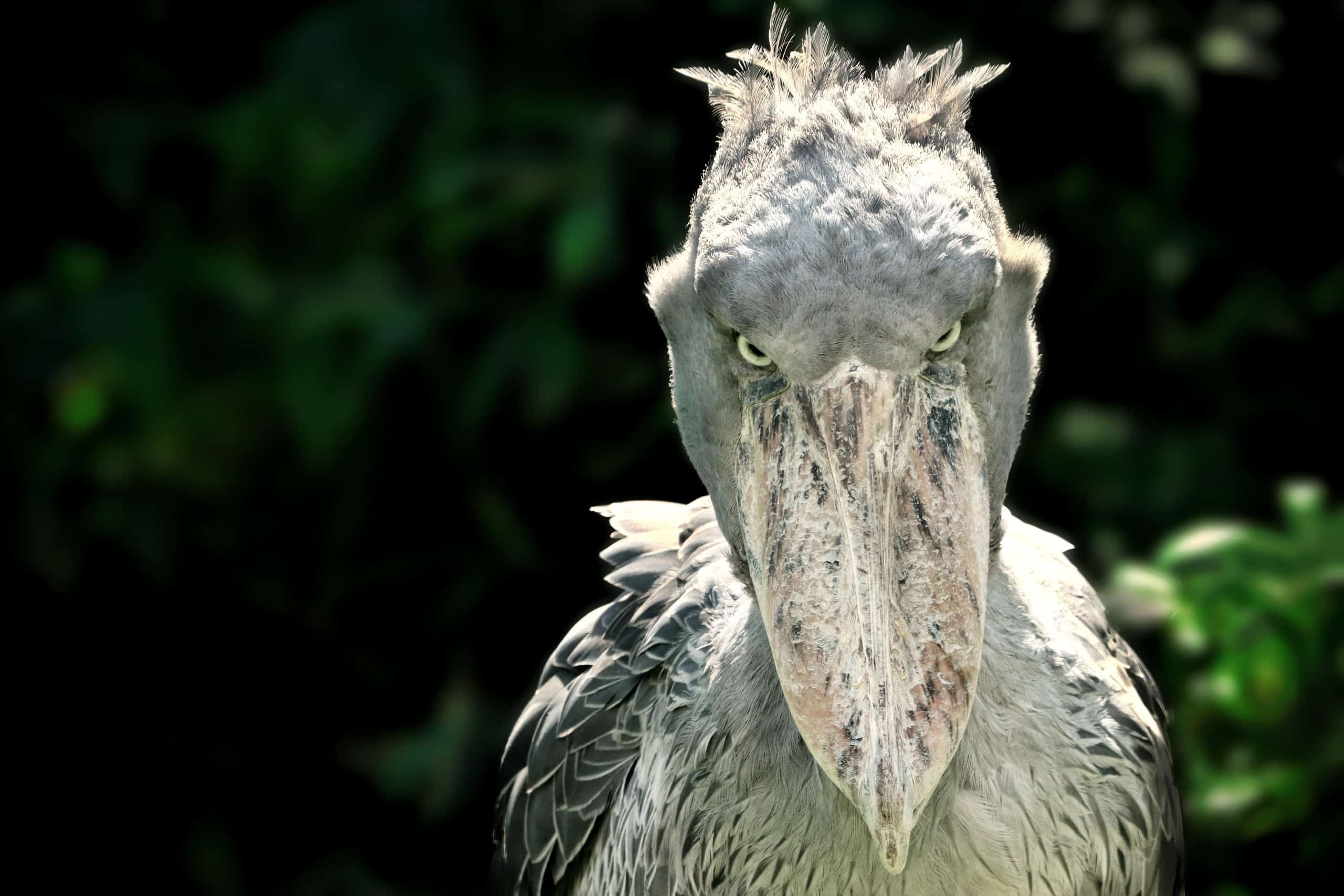
The shoebill stork (Balaeniceps rex) is often described as one of the most enigmatic creatures on the planet. With its prehistoric appearance and intense, unblinking gaze, it has captured the imagination of ornithologists and tech enthusiasts alike. However, it is not just the visual presence of the bird that fascinates; it is its unique acoustic signature. Often compared to the rapid-fire rattle of a machine gun or the rhythmic clatter of hollow wood, the sound of a shoebill is a complex auditory phenomenon.
In the modern digital age, the question of “what does a shoebill sound like” has evolved from a simple observation into a complex challenge for bio-acousticians, sound engineers, and software developers. Capturing, analyzing, and replicating this sound requires a sophisticated array of hardware and software solutions. This article explores the technological landscape used to decode the shoebill’s prehistoric rattle and how digital innovation is preserving this sound for future generations.

The Acoustics of the Wild: Advanced Recording Hardware for Avian Research
To understand what a shoebill sounds like, one must first overcome the immense logistical and technical hurdles of capturing high-fidelity audio in the bird’s natural habitat. Shoebills reside in the dense, inaccessible swamps of East Africa, environments characterized by high humidity, wind interference, and significant background noise from other fauna.
Parabolic Microphones and Directional Sensing
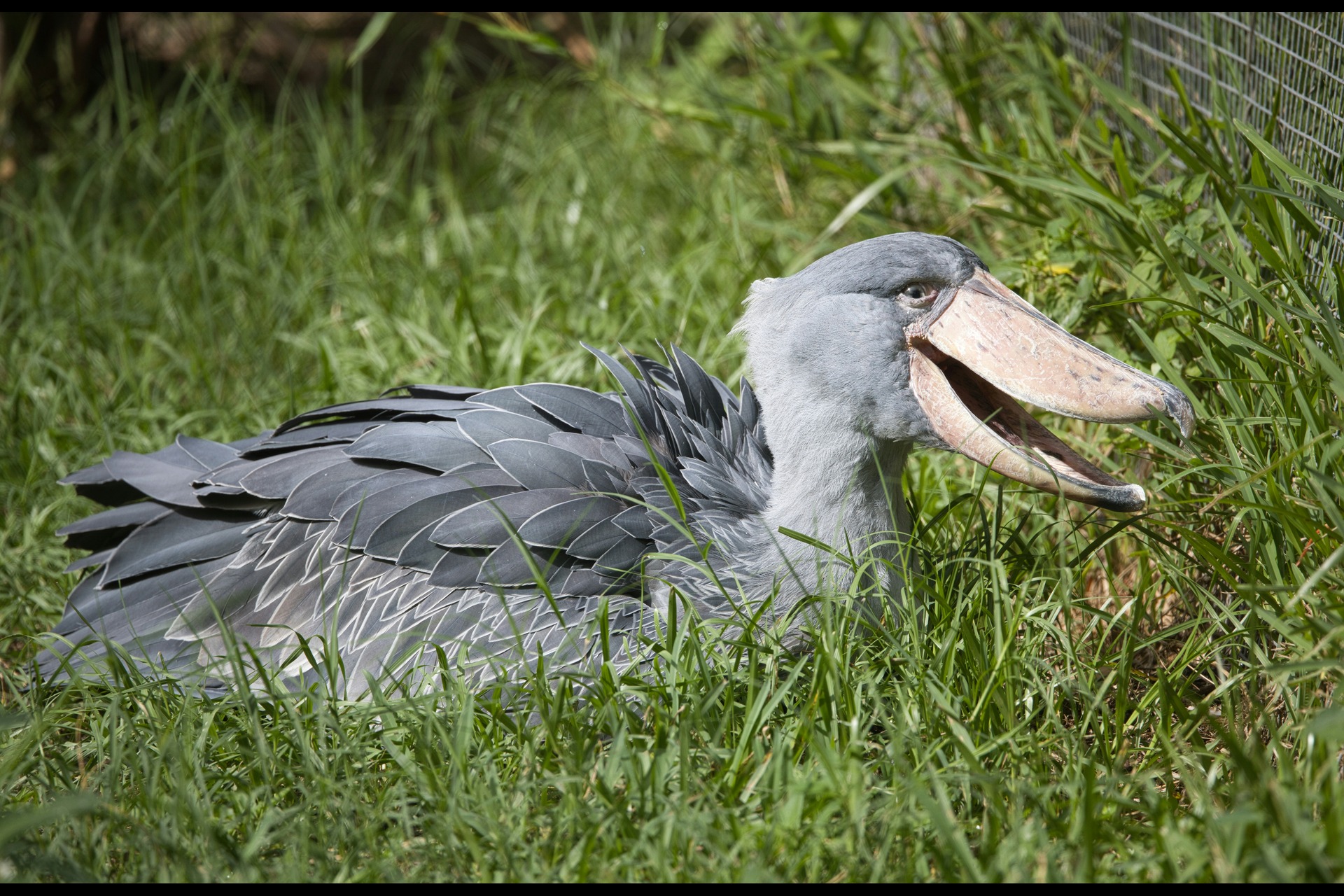
Standard omnidirectional microphones are often useless in the marshlands of Uganda or Zambia. To isolate the shoebill’s “bill-clattering”—a non-vocal sound produced by striking the upper and lower mandibles together—researchers utilize parabolic microphone systems. These devices use a dish-shaped reflector to focus sound waves onto a central microphone element, allowing engineers to capture the shoebill’s sound from hundreds of yards away without disturbing the bird.
The precision required is high; because the shoebill’s rattle consists of rapid, percussive transients (short-duration, high-energy sounds), the microphone must have an exceptional impulse response. Brands like Telinga and Sennheiser have become the industry standard in this niche, providing the sensitivity needed to catch the subtle “wooden” resonance that follows the initial snap of the bill.
High-Fidelity Digital Audio Workstations (DAW) in the Field
Once the sound waves are captured, they must be converted into high-resolution digital signals. Field technicians use ruggedized digital recorders capable of sampling at 96kHz or 192kHz with a 24-bit or 32-bit float depth. This level of technical detail is necessary because the shoebill’s sound contains a wide spectrum of frequencies, including low-end thuds that are often felt as much as they are heard.
By using high-bitrate recording, engineers ensure that when the file is later brought into a Digital Audio Workstation (DAW) like Pro Tools or Ableton Live, they have enough “headroom” to clean up swamp ambience—such as wind or water movement—without degrading the integrity of the shoebill’s unique acoustic profile.
Artificial Intelligence and Pattern Recognition in Bio-Acoustics
The sound of a shoebill is more than just noise; it is a form of data. For conservationists and tech researchers, identifying these sounds within thousands of hours of field recordings is a task that would take humans years to complete. This is where Artificial Intelligence (AI) and Machine Learning (ML) have revolutionized the field.
Identifying the “Machine Gun” Rattle through Machine Learning
Modern bio-acoustic software utilizes Convolutional Neural Networks (CNNs) to “watch” sound. By converting audio recordings into spectrograms—visual representations of sound frequencies over time—AI can be trained to recognize the specific visual pattern of a shoebill’s bill-clattering.
Unlike many birds that have melodic songs, the shoebill’s sound is percussive and rhythmic. Developers program algorithms to look for specific “transient spikes” that occur at a particular cadence. This allows researchers to deploy “passive acoustic monitoring” systems across vast wetlands. These AI-driven units can remain dormant until they “hear” a sound that matches the shoebill’s profile, at which point they begin recording and tagging the data with GPS coordinates.
Noise Cancellation and Signal Isolation
One of the most impressive tech applications in this niche is the use of AI-driven noise suppression. In a swamp, the sound of a shoebill is often buried under a cacophony of insects and wind. Advanced digital signal processing (DSP) plugins use “spectral subtraction” to identify the noise floor and remove it.
Through “intelligent” isolation, software can strip away the high-frequency hum of a cicada while leaving the mid-range and low-frequency “thwack” of the shoebill’s bill intact. This provides a clean sample that can be used for everything from scientific study to cinematic foley.
Digital Synthesis: Replicating Shoebill Sounds for Media and Conservation
The demand for shoebill sounds extends beyond the scientific community into the realms of film, gaming, and virtual reality. When a sound designer needs to recreate a prehistoric environment, the shoebill is the gold standard. However, because high-quality recordings are rare, technology is often used to synthesize or “reconstruct” the sound.
Granular Synthesis and Foley Tech
To replicate the shoebill’s sound digitally, sound designers often employ granular synthesis. This technique involves breaking a small sample of an actual shoebill rattle into tiny “grains” (usually 1 to 50 milliseconds long) and redistributing them. By manipulating the pitch, density, and positioning of these grains, designers can create a “hyper-real” version of the sound that maintains the organic texture of the bird’s bill but fits the dramatic needs of a movie or video game.
Furthermore, physical modeling synthesis is used to simulate the physics of the bill itself. Instead of using a recording, software calculates the resonant properties of a large, hollow, keratin-based structure. By simulating the force and velocity of the bird’s jaw muscles, tech can generate an authentic “clack” that is indistinguishable from the real thing.
VR and Spatial Audio Integration
In the tech-driven world of conservation, Virtual Reality (VR) is becoming a powerful tool for empathy and education. To make a VR swamp experience immersive, developers use spatial audio—also known as 3D audio. By using Ambisonic recording techniques, which capture sound in a 360-degree sphere, developers can place the shoebill’s sound in a specific coordinate in the virtual space.
When a user wears a VR headset and turns their head, the shoebill’s rattle shifts in the stereo field, mimicking how the human ear processes sound in a real-world environment. This requires immense processing power to calculate real-time “Head-Related Transfer Functions” (HRTFs), ensuring that the “clatter” sounds like it is coming from a massive bird standing precisely seven feet tall.
The Future of Ecological Tech: Remote Monitoring and IoT
As we look forward, the technology used to answer “what does a shoebill sound like” is becoming more autonomous and interconnected. The integration of the Internet of Things (IoT) into wildlife habitats is providing a constant stream of acoustic data that was previously impossible to obtain.
Autonomous Recording Units (ARUs)
The next generation of tech involves Autonomous Recording Units (ARUs) that are solar-powered and equipped with long-range (LoRa) communication capabilities. These devices are “edge computing” powerhouses; they don’t just record sound—they process it on-site. If an ARU detects a shoebill’s rattle, it can send a low-bandwidth alert to a central server in real-time, allowing researchers to track movement patterns and population density without ever stepping foot in the swamp.
Cloud-Based Data Analysis for Conservation
The final piece of the technological puzzle is the cloud. Large-scale bio-acoustic projects now upload petabytes of audio data to cloud servers, where massive computing clusters run complex simulations. By analyzing the frequency and intensity of shoebill sounds over several years, data scientists can use predictive modeling to determine how climate change or habitat loss is affecting the birds.
A change in the “tone” or frequency of the bill-clatter could indicate health issues within a population or changes in mating behavior. Thus, the technology used to hear the shoebill is no longer just about curiosity; it is a vital diagnostic tool for the survival of the species.
In conclusion, answering the question “what does a shoebill sound like” is a journey through the cutting edge of modern technology. From the physics of parabolic microphones to the complexity of neural network-based pattern recognition, our ability to capture this prehistoric sound is a testament to human ingenuity. As these tools continue to evolve, they provide us with a deeper, more resonant connection to one of the world’s most mysterious avian species, ensuring that the haunting rattle of the shoebill will never be lost to time.
aViewFromTheCave is a participant in the Amazon Services LLC Associates Program, an affiliate advertising program designed to provide a means for sites to earn advertising fees by advertising and linking to Amazon.com. Amazon, the Amazon logo, AmazonSupply, and the AmazonSupply logo are trademarks of Amazon.com, Inc. or its affiliates. As an Amazon Associate we earn affiliate commissions from qualifying purchases.