
In an era where data is more valuable than gold, the digital infrastructure of modern enterprises has become the primary target for malicious actors ranging from individual hackers to state-sponsored entities. As businesses migrate to the cloud and embrace digital transformation, the perimeter of the corporate network has blurred, making traditional security measures obsolete. This shift has elevated the role of the security engineer from a back-office support function to a critical pillar of organizational stability. A security engineer is a specialized professional who designs, builds, and maintains the technical safeguards that protect an organization’s systems, networks, and data from breaches and cyber-attacks.
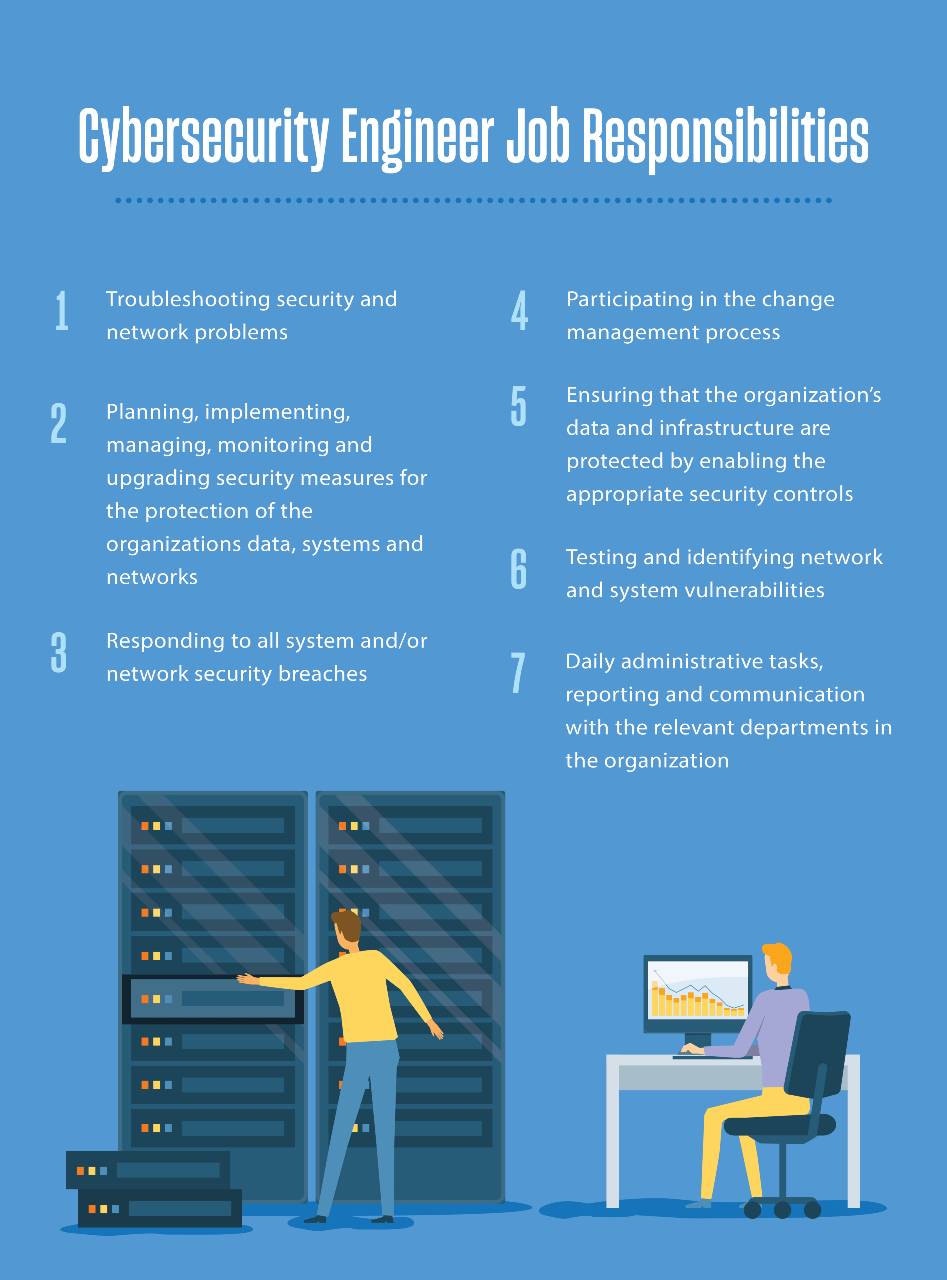
Unlike a security analyst, who might focus on monitoring and responding to alerts, the security engineer is a builder. They apply the principles of software engineering and systems design to create resilient environments. They are the architects of the digital fortress, ensuring that security is not an afterthought but a foundational component of the entire technology stack.
The Core Responsibilities of a Security Engineer
The primary mission of a security engineer is to proactively mitigate risk through the implementation of technical controls. Their work is multifaceted, involving both the creation of new security systems and the continuous hardening of existing infrastructure.
Designing and Implementing Secure Systems
One of the most significant aspects of a security engineer’s role is the design of secure architectures. This begins at the earliest stages of a project—a concept often referred to as “shifting left.” Instead of waiting until an application is finished to check for vulnerabilities, security engineers work alongside software developers and system architects to integrate security protocols into the design phase. They determine how data should be encrypted at rest and in transit, establish identity and access management (IAM) protocols, and ensure that the system can scale without introducing new attack vectors.
Conducting Regular Security Audits and Penetration Testing
A security engineer does not simply build a system and walk away; they must constantly test its resilience. This involves conducting internal audits and vulnerability assessments to identify weak spots in the code, misconfigured servers, or outdated software libraries. Many security engineers also engage in “ethical hacking” or penetration testing. By simulating the tactics, techniques, and procedures (TTPs) used by real-world adversaries, they can discover exploits before a malicious actor does. These tests provide the empirical evidence needed to prioritize patches and architectural changes.
Incident Response and Mitigation Strategies
While the goal is to prevent breaches, security engineers are also the primary responders when a security event occurs. They design the automated systems that detect anomalies—such as unauthorized access attempts or unusual data exfiltration—and create “playbooks” for incident response. When a breach is detected, the security engineer works to contain the threat, eradicate the presence of the intruder, and recover any lost data. Post-incident, they perform a root-cause analysis to ensure the same vulnerability cannot be exploited again, turning every attack into a lesson for future hardening.
The Technical Toolkit: Essential Skills and Technologies
To succeed in this role, a security engineer must possess a deep and diverse technical background. They sit at the intersection of software development, network administration, and forensic analysis.
Proficiency in Programming and Scripting
The modern security landscape is too vast to manage manually. Therefore, security engineers must be proficient in programming languages such as Python, Go, or Ruby to automate security tasks. Whether it is writing a script to scan thousands of cloud buckets for misconfigurations or developing a custom tool to parse logs for indicators of compromise (IoCs), coding is a foundational skill. Understanding languages like C++ or Java is also vital for performing code reviews and identifying memory leaks or buffer overflows that could lead to security exploits.
Network Security and Infrastructure Knowledge
A security engineer must have an intimate understanding of how data moves across the internet and internal networks. This includes mastery of the OSI model, TCP/IP protocols, and DNS. They manage and configure firewalls, Virtual Private Networks (VPNs), and Intrusion Detection/Prevention Systems (IDS/IPS). Beyond traditional networking, they must also understand “Software-Defined Networking” (SDN) and how to secure microservices that communicate via APIs. In a world of distributed systems, knowing how to segment a network to prevent lateral movement by an attacker is one of the most effective strategies a security engineer can employ.
Cloud Security and DevSecOps
As the world moves toward AWS, Azure, and Google Cloud, the security engineer’s focus has shifted toward cloud-native security. This involves managing “Infrastructure as Code” (IaC) templates, securing containerized environments (like Docker and Kubernetes), and ensuring that the CI/CD (Continuous Integration/Continuous Deployment) pipeline is secure. The integration of security into the DevOps workflow, known as DevSecOps, is a major trend. Security engineers create automated gates in the deployment process that automatically reject code if it contains known vulnerabilities or secrets (like API keys) embedded in the source.
A Day in the Life: From Proactive Hardening to Reactive Triage
The daily routine of a security engineer is rarely predictable, as it is dictated by the ever-evolving threat landscape. However, their work generally fluctuates between planned engineering projects and unplanned emergency response.
Morning: Monitoring and Log Analysis
A security engineer often begins their day by reviewing logs and dashboards generated by Security Information and Event Management (SIEM) tools. They look for “red flags” that occurred overnight—failed login attempts, unusual traffic spikes from foreign IP addresses, or unauthorized changes to system configurations. This phase is about situational awareness; it is the process of ensuring that the organization’s digital perimeter remained intact while the world slept.
Afternoon: Cross-Functional Collaboration with Developers
Much of a security engineer’s time is spent in collaboration. They may spend the afternoon in a “sprint planning” session with a product team, advising on the security implications of a new feature. For instance, if a team is launching a new mobile app, the security engineer will evaluate the authentication mechanism and the security of the APIs the app uses to communicate with the server. They act as a bridge between the high-speed world of software development and the rigorous world of risk management.
Continuous Learning in a Shifting Threat Landscape
The final part of a security engineer’s day is often dedicated to research. Cybersecurity is a “cat and mouse” game; as soon as a new defense is created, hackers find a way around it. Security engineers spend significant time reading threat intelligence reports, analyzing new “Zero Day” vulnerabilities, and participating in bug bounty programs. Staying ahead requires a commitment to lifelong learning and the ability to pivot quickly as new technologies, like AI-driven malware, emerge.
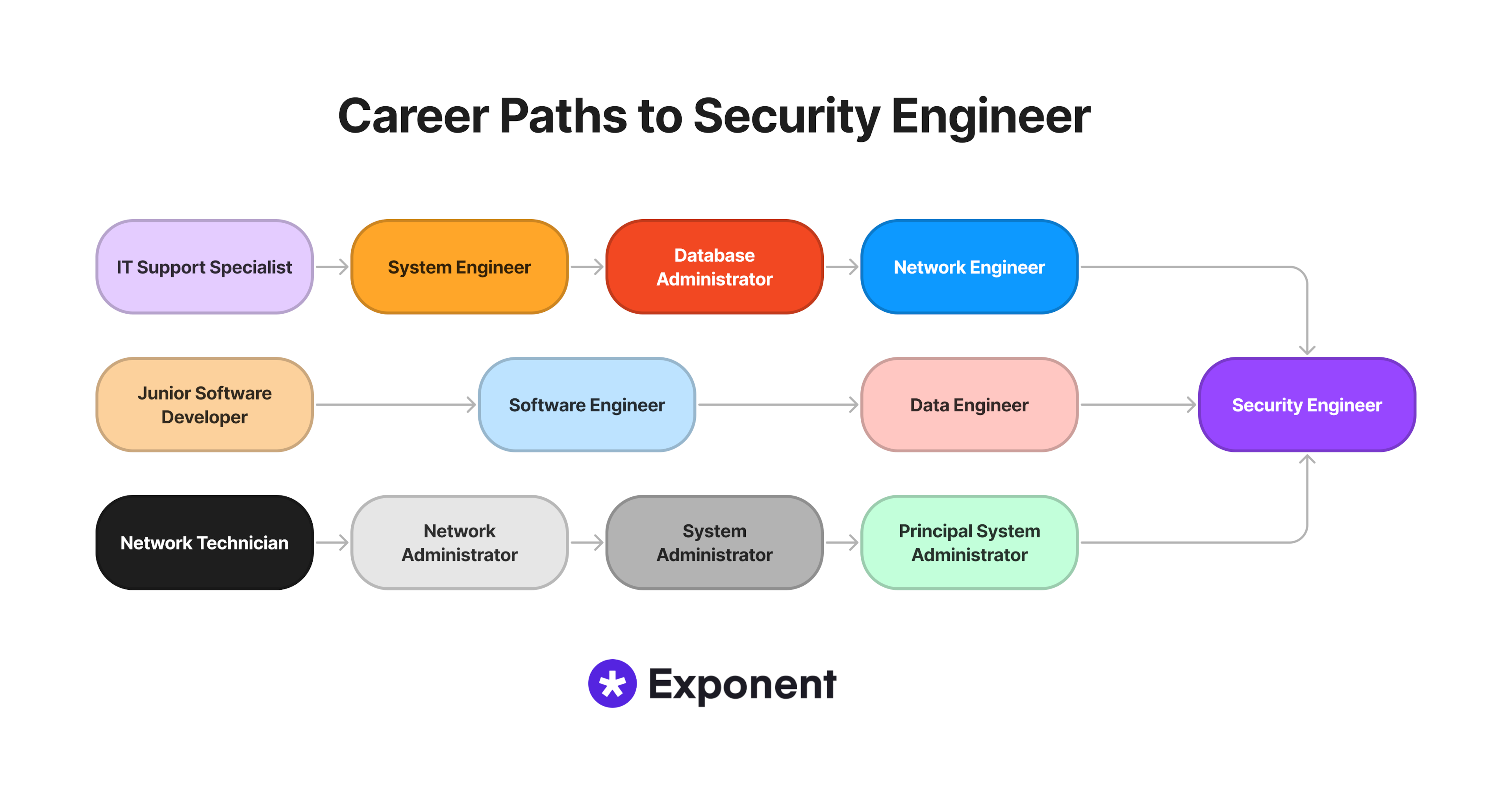
Career Path and Specializations within Security Engineering
The field of security engineering is broad, allowing professionals to specialize in areas that align with their specific interests, whether they lean toward pure coding or high-level architecture.
Security Architect vs. Security Engineer
While the terms are sometimes used interchangeably, a Security Architect is typically a more senior role focused on the “big picture.” They design the overarching security framework for an entire enterprise. The Security Engineer, conversely, is the one who executes that vision, configuring the specific tools and writing the code necessary to make the architecture a reality. One builds the blueprint; the other builds the structure.
Application Security (AppSec) Specialization
Some engineers choose to focus exclusively on Application Security. These specialists are experts in the “Top 10” vulnerabilities identified by OWASP (Open Web Application Security Project), such as SQL injection and Cross-Site Scripting (XSS). They work deep within the application’s source code and are often involved in “fuzzing”—a process of sending massive amounts of random data to a program to see if it crashes or reveals a security flaw.
Compliance and Governance Roles
In highly regulated industries like finance or healthcare, security engineers may specialize in GRC (Governance, Risk, and Compliance). Their role is to ensure that the technical infrastructure meets legal standards such as GDPR, HIPAA, or PCI-DSS. This requires a unique blend of technical expertise and the ability to interpret complex legal frameworks, ensuring that data privacy is maintained at every level of the tech stack.
The Future of the Role: AI, Automation, and Zero Trust
The landscape of security engineering is currently undergoing a massive transformation driven by artificial intelligence and a shift in how “trust” is defined within a network.
Integrating AI in Threat Detection
Artificial Intelligence and Machine Learning are becoming standard tools in the security engineer’s arsenal. AI can analyze millions of events per second, identifying patterns of behavior that would be impossible for a human to spot. Security engineers are now tasked with training these models to distinguish between a legitimate user and a botnet. However, they must also defend against “Adversarial AI,” where hackers use machine learning to bypass security filters.

The Shift Toward Zero Trust Architecture
The traditional “castle and moat” strategy—where everyone inside the network is trusted and everyone outside is not—is dead. Security engineers are now moving toward “Zero Trust” architectures. In a Zero Trust model, the system assumes that every request, even those coming from inside the office, is a potential threat. Security engineers implement “least privilege” access, multi-factor authentication (MFA), and micro-segmentation to ensure that even if one account is compromised, the attacker cannot access the rest of the system.
In conclusion, the role of a security engineer is one of the most challenging and rewarding paths in the technology sector. It requires a rare combination of “hacker” curiosity and “engineer” discipline. As our reliance on digital systems grows, the security engineer remains the final line of defense, building the invisible walls that keep our modern world running safely.
aViewFromTheCave is a participant in the Amazon Services LLC Associates Program, an affiliate advertising program designed to provide a means for sites to earn advertising fees by advertising and linking to Amazon.com. Amazon, the Amazon logo, AmazonSupply, and the AmazonSupply logo are trademarks of Amazon.com, Inc. or its affiliates. As an Amazon Associate we earn affiliate commissions from qualifying purchases.