
The term “SCIF” often conjures images from spy thrillers – shadowy rooms, hidden doors, and top-secret conversations. While the cinematic portrayal might exaggerate for dramatic effect, a Sensitive Compartmented Information Facility (SCIF) is indeed a meticulously engineered environment designed to safeguard national security information, corporate secrets, and other highly sensitive data from compromise. But “what does a SCIF look like?” The answer isn’t just about its physical appearance; it encompasses a complex interplay of physical security, cutting-edge technology, stringent protocols, and significant financial investment. In an era where data is the new currency, and digital threats loom large, understanding the principles behind a SCIF offers crucial insights into the ultimate commitment to data protection, touching upon critical aspects of technology, brand integrity, and financial strategy.

A SCIF is far more than just a secure room; it’s a holistic ecosystem crafted to prevent unauthorized access, monitoring, or disclosure of classified information. Its design and operation are governed by strict intelligence community directives (like ICD 705), ensuring a standardized approach to protecting information that, if compromised, could cause severe damage to national security or significant corporate harm. For businesses and organizations operating in sensitive sectors, adopting SCIF-like security principles, even if not building a full-fledged government-certified SCIF, is becoming increasingly vital to protect their most valuable assets.
The Physical Manifestation: Walls of Secrecy and Steel
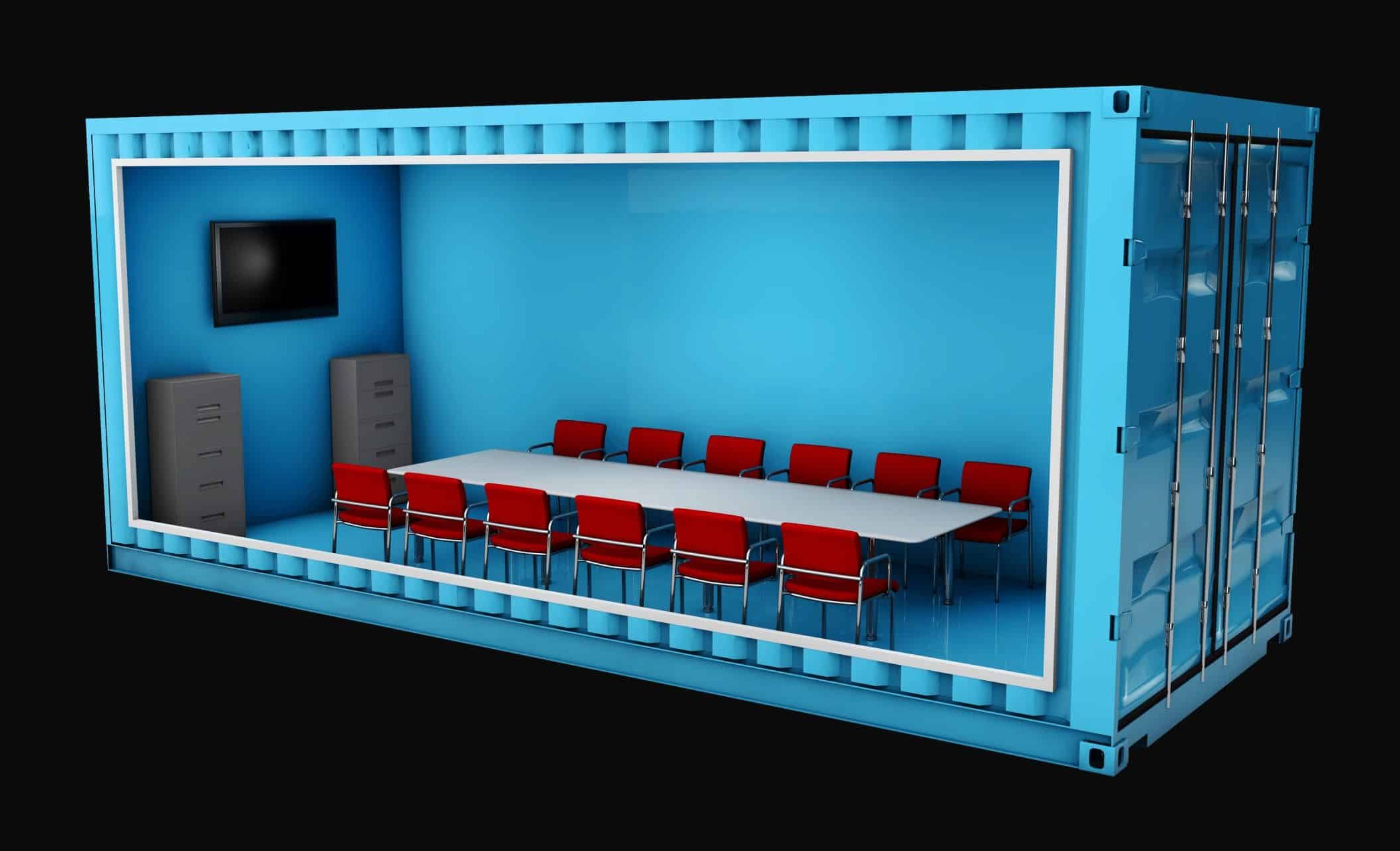
At its most fundamental level, a SCIF is a fortress, built to deter and detect any unauthorized physical intrusion or surveillance. The construction standards are rigorous, aiming to create an environment that is virtually impenetrable and impervious to both direct physical assault and sophisticated electronic eavesdropping.
Architectural Fortifications
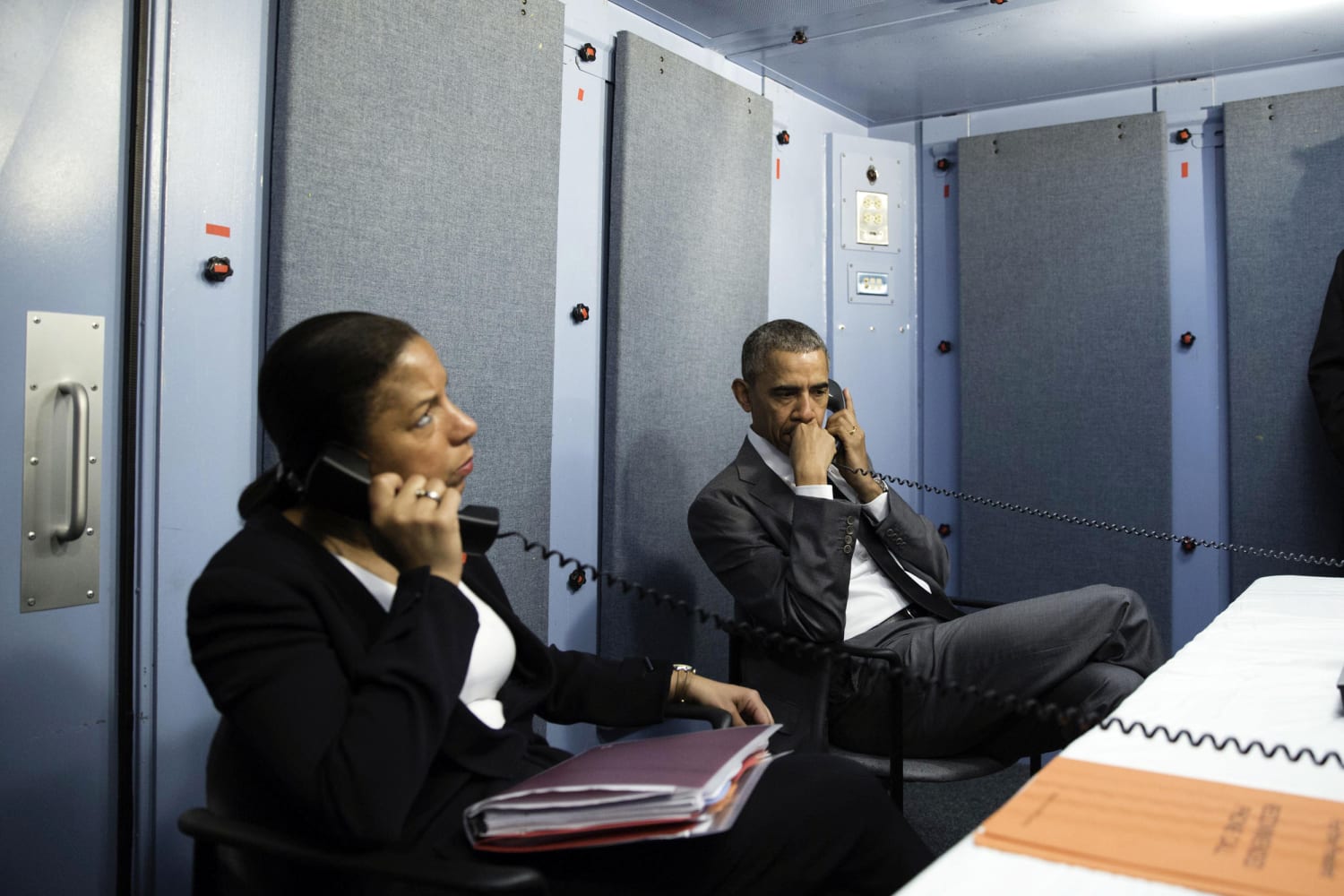
The physical structure of a SCIF is its first line of defense. Walls are not just walls; they are typically constructed with multiple layers of materials designed for sound attenuation, radio frequency (RF) shielding, and even blast resistance. Soundproofing is paramount to prevent acoustical emanations from being picked up by listening devices, often achieved through specialized insulation, staggered studding, and the use of mass-loaded vinyl. RF shielding, sometimes incorporating a Faraday cage design, is critical to block electromagnetic signals that could carry sensitive data out of the facility or allow hostile signals in. This protects against compromising emanations, known as TEMPEST in the intelligence community.
Doors into a SCIF are heavy-duty, often made of steel, and equipped with multiple locking mechanisms, including combination locks, key cards, and biometric scanners (fingerprint, iris, or facial recognition). These doors are sealed to prevent sound and RF leakage and are typically monitored 24/7. Windows are generally avoided in SCIF designs. If present, they are either permanently sealed, heavily tinted, bullet-resistant, or equipped with advanced security films and alarm systems. The location of a SCIF is also strategic; they are often housed within larger secure compounds, in unmarked facilities, or even underground, designed to be inconspicuous and difficult to identify from the outside.
Internal Layout and Zoning
Inside a SCIF, the layout is meticulously planned to control access and workflow based on classification levels. Different areas may be designated for varying levels of classified information (e.g., Secret, Top Secret, SCI). Clear demarcation zones ensure that personnel only access the information they are cleared for and have a “need to know.”
The internal structure typically includes a secure entry point or vestibule, often called a “man trap,” where individuals are verified before gaining deeper access. Work areas are designed for efficiency and security, with robust fire suppression systems (e.g., clean agent systems that won’t damage electronics) and redundant power supplies to ensure continuous operation. Server rooms within a SCIF are often further hardened, featuring advanced climate control, restricted physical access, and “red/black” separation. This refers to the strict physical and electrical isolation of unencrypted (red) networks from encrypted (black) networks, preventing accidental or deliberate crossover that could compromise data. Every aspect, from HVAC ducts to electrical conduits, is designed to prevent information leakage or unauthorized entry, often incorporating specific intrusion detection systems and tamper-evident features.
The Technological Core: Digital Guardians and Cyber Fortresses
Beyond the physical shell, the true brain of a SCIF lies in its technological infrastructure. This is where the principles of cutting-edge Tech are deployed to create a cyber fortress, safeguarding digital assets and communications against the most sophisticated threats.
Advanced Digital Security Systems
The network within a SCIF is a highly controlled ecosystem. Often, these facilities operate with air-gapped networks – systems completely isolated from external networks like the internet – for the most sensitive data. Where connectivity is required, it’s achieved through highly secure, FIPS-validated (Federal Information Processing Standards) encryption protocols and dedicated, hardened communication lines. All network traffic is rigorously monitored by Security Information and Event Management (SIEM) systems, Intrusion Detection Systems (IDS), and Intrusion Prevention Systems (IPS). These tools leverage advanced algorithms, sometimes incorporating AI tools, to detect anomalies, suspicious patterns, and potential cyber threats in real-time.
Hardware within a SCIF is typically specialized and tamper-resistant. Devices are often secured with features like secure boot and hardware-based encryption. The use of personal electronic devices (cell phones, smartwatches, USB drives) is strictly prohibited or heavily restricted to prevent data exfiltration or the introduction of malware. Software running on SCIF systems includes hardened operating systems, specialized applications for classified work, and advanced Data Loss Prevention (DLP) solutions to monitor and control the movement of sensitive data. Surveillance extends beyond physical cameras; environmental sensors monitor air quality, temperature, and humidity, while access control systems log every entry and exit, often linking to biometric data for irrefutable audit trails.
Productivity in Isolation
Despite the extreme security measures, SCIFs are designed to be functional workspaces. The challenge is enabling productivity while enforcing strict isolation. This is often achieved through specialized workstations, such as thin clients or secure virtual desktops, which offer a limited attack surface and centralize data storage. Collaboration tools, when used, are proprietary, encrypted, and operate within the secure perimeter, ensuring that communication and shared work remain confined and protected. Secure video conferencing systems allow for classified discussions without external vulnerabilities.
The reliance on technology in a SCIF highlights the constant race against evolving cyber threats. Regular software updates, patching, and vulnerability assessments are paramount. Furthermore, the human element is crucial. All personnel operating within a SCIF undergo extensive background checks, security clearance processes, and continuous training on security protocols, proper handling of classified information, and awareness of insider threats. The productivity within a SCIF is not just about having the right tools, but about cultivating a culture of constant vigilance and adherence to security best practices, recognizing that even the most advanced technology can be circumvented by human error or malicious intent.
The Brand and Reputation Imperative: Trust in a Transparent World
For governments and corporations alike, the existence and integrity of facilities like SCIFs directly impact their Brand reputation, trustworthiness, and ability to operate effectively in sensitive domains. In an age of relentless cyberattacks and heightened public scrutiny, a commitment to security is a non-negotiable aspect of corporate identity.
Safeguarding Corporate Identity and Sensitive IP
For businesses, a SCIF or a facility built to SCIF-like standards is the ultimate safeguard for intellectual property (IP), proprietary algorithms, unreleased product designs, strategic business plans, and highly sensitive client data. Companies in sectors like defense contracting, advanced manufacturing, pharmaceuticals, and cutting-edge technology often house their most valuable R&D within such secure environments. The ability to genuinely protect trade secrets offers a profound competitive advantage, ensuring that billions invested in innovation are not lost to industrial espionage or data breaches.
A company’s reputation hinges on its ability to protect its assets and its clients’ data. A single, significant data breach can devastate a brand, leading to massive financial losses from regulatory fines, lawsuits, and a precipitous drop in customer trust and market share. The very existence of such a secure facility, even if its specifics are never advertised, projects an image of uncompromising security and reliability. This commitment reassures stakeholders, enhances corporate identity, and demonstrates leadership in data governance, differentiating the organization from competitors who may not invest as heavily in information protection.
Compliance, Ethics, and Stakeholder Confidence
Beyond commercial advantage, SCIFs play a critical role in ensuring compliance with a myriad of national and international regulations. For instance, defense contractors must adhere to strict cybersecurity maturity model (CMMC) standards for handling controlled unclassified information (CUI), and facilities that handle classified information go further. Financial institutions must comply with regulations like GLBA, and healthcare providers with HIPAA, requiring stringent protection of sensitive data. A SCIF-grade environment simplifies the process of meeting these complex regulatory demands for the most sensitive data, providing an auditable, verifiable framework for security.
Ethical considerations are also at play. Companies entrusted with national security information, critical infrastructure data, or vast quantities of personal client data have a moral obligation to protect it. Investing in SCIF-like security demonstrates a strong ethical stance and a commitment to responsible data stewardship. This builds profound confidence among investors, clients, and partners, strengthening the overall brand. Case studies, even if hypothetical, show that organizations known for their robust security posture command greater trust and loyalty, reinforcing their market position and contributing to a positive public perception, even when operating in secrecy.
The Monetary Investment: Cost of Security and Value of Protection
Understanding what a SCIF looks like also requires grappling with its substantial Money implications. These facilities are not cheap; they represent a significant financial outlay, both upfront and in ongoing operational costs. However, this investment is viewed not as an expense, but as an indispensable insurance policy and a strategic asset, protecting against losses that could be catastrophic.
Significant Upfront and Ongoing Costs
The initial construction of a SCIF is extraordinarily expensive. High-grade construction materials – specialized soundproofing, RF shielding, blast-resistant elements – require specialized contractors and often certified labor. The process involves meticulous planning, engineering, and adherence to precise government standards, which adds to complexity and cost. A modest SCIF can easily cost millions, with larger, more complex facilities running into tens or hundreds of millions of dollars.
Technologically, the cost continues to climb. Equipping a SCIF with state-of-the-art security hardware, redundant network infrastructure, air-gapped systems, advanced encryption devices, and sophisticated monitoring software represents a continuous investment in cutting-edge technology. These systems require regular upgrades, maintenance contracts, and specialized technicians.
Personnel costs are another major factor. Operating a SCIF requires a highly vetted, security-cleared, and extensively trained workforce. This includes security personnel, IT specialists, facility managers, and cleared professionals who handle sensitive information. The costs associated with background checks, security clearances, ongoing training, and competitive salaries for such specialized staff are substantial. Furthermore, the process of obtaining and maintaining certification and accreditation for a SCIF is rigorous, involving costly audits, inspections, and compliance checks by government agencies, ensuring it meets evolving security standards.
The ROI of Invulnerability: Protecting Assets and Avoiding Losses
While the financial investment in a SCIF is immense, its return on investment (ROI) is measured in terms of averted crises and protected assets. What is the true cost of a major data breach? Beyond regulatory fines that can run into billions, there are significant legal fees, forensic investigation costs, reputational damage that impacts stock prices and future revenue, intellectual property theft that erodes competitive advantage, and the potential loss of market share. For companies whose entire business model relies on proprietary information or sensitive client data, a breach could mean extinction. In this context, a SCIF is a strategic investment in the long-term financial viability and stability of an organization.
Protecting invaluable intellectual property (IP) is perhaps the most significant financial benefit. Whether it’s a revolutionary new product design, a proprietary algorithm, or a groundbreaking scientific discovery, the IP held within a SCIF can be worth orders of magnitude more than the facility itself. Safeguarding this IP maintains a company’s competitive edge, secures future revenue streams, and protects shareholder value. From the perspective of “business finance” and “online income,” for organizations that monetize proprietary data or services that rely on absolute confidentiality, a SCIF-like security posture is fundamental to their ability to generate and sustain income. It’s a proactive financial strategy to preserve critical assets, avoid colossal losses, and ensure continued operational integrity in an increasingly hostile digital and physical landscape.
Conclusion
“What does a SCIF look like?” The answer, as we’ve explored, is multi-faceted. It is a highly fortified physical structure, an advanced technological ecosystem, a testament to an organization’s brand integrity, and a colossal, yet essential, financial investment. From its soundproofed walls and biometric access controls to its air-gapped networks and AI-powered threat detection systems, every element of a SCIF is meticulously designed to protect information of the highest sensitivity.
In an era where information is power, and the threats to that information are ever-evolving, the principles embodied by a SCIF are more relevant than ever. They represent the pinnacle of Tech security, providing a blueprint for safeguarding digital and physical assets. They are critical for maintaining Brand reputation and trust, demonstrating an unwavering commitment to data protection that resonates with stakeholders. And ultimately, they represent a crucial Monetary investment, not merely an expense, in protecting the invaluable intellectual property and strategic advantages that drive success in the modern world. While most individuals may never set foot inside a true SCIF, understanding its comprehensive, multi-layered approach to security offers profound lessons for anyone navigating the complexities of our interconnected and often vulnerable digital landscape.
aViewFromTheCave is a participant in the Amazon Services LLC Associates Program, an affiliate advertising program designed to provide a means for sites to earn advertising fees by advertising and linking to Amazon.com. Amazon, the Amazon logo, AmazonSupply, and the AmazonSupply logo are trademarks of Amazon.com, Inc. or its affiliates. As an Amazon Associate we earn affiliate commissions from qualifying purchases.