
In the rapidly evolving landscape of consumer electronics, few devices have captured the public imagination and dominated market trends quite like the “Rose Toy.” While often discussed in the context of lifestyle and wellness, the device represents a significant leap in tactile engineering and fluid dynamics. Far from being a simple vibrating novelty, the Rose Toy is a sophisticated piece of hardware that utilizes specialized air-pulse technology to provide a unique sensory experience.
To understand what a Rose Toy does, one must look past its floral aesthetic and examine the hardware architecture, the physics of pressure-wave stimulation, and the integration of smart-tech features that define modern personal wellness gadgets.
The Evolution of Wellness Gadgets: From Traditional Vibration to Pressure-Wave Tech
The primary technological breakthrough of the Rose Toy lies in its departure from traditional haptic feedback mechanisms. For decades, the industry standard for personal massagers relied on eccentric rotating mass (ERM) motors—the same tech found in early pagers and smartphones—to create mechanical vibrations.
Defining the Air-Pulse Mechanism
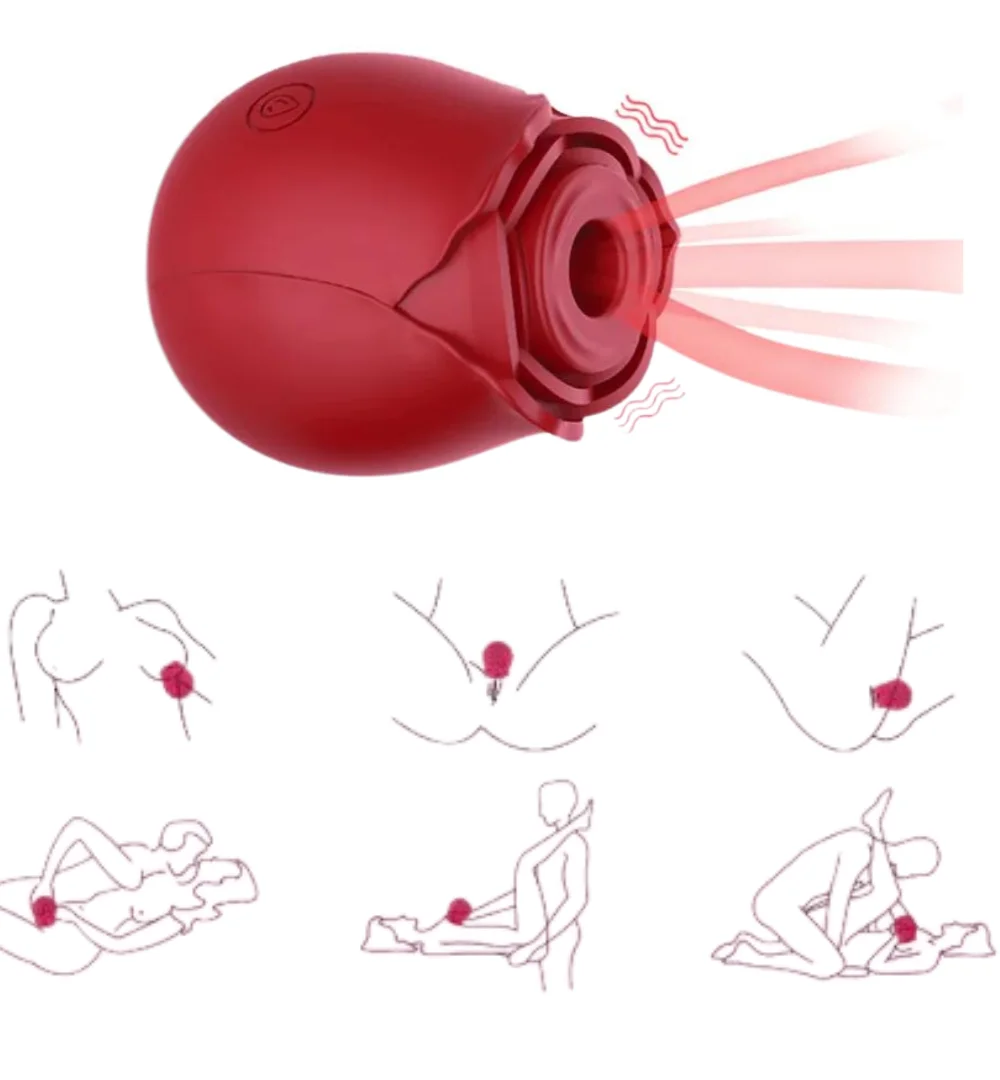
The Rose Toy utilizes what is technically known as “Pressure-Wave Technology” or “Air-Pulse Stimulation.” Instead of a vibrating motor making direct contact with the surface, the device features a small, internal diaphragm or bellows. When activated, this diaphragm moves at high frequencies, creating rapid changes in air pressure within a localized “suction” chamber. This creates a pulsing effect that mimics the sensation of air movement or gentle suction without requiring physical friction.
The Science of Indirect Stimulation
From an engineering standpoint, the goal of the Rose Toy is to provide stimulation through the transfer of energy via air rather than physical impact. Traditional vibrators often lead to “numbing” effects due to over-stimulation of surface-level nerve endings. The Rose Toy’s air-pulse tech targets deeper tissue through rhythmic pressure changes. This is achieved by creating a vacuum seal against the skin, allowing the air waves to resonate more effectively.
Hardware Architecture and Material Engineering
Building a device that is both powerful and compact requires meticulous hardware design. The Rose Toy is a marvel of miniaturization, packing a high-torque motor, a rechargeable power cell, and airtight chambers into a handheld form factor.
Medical-Grade Silicone and Ergonomic Design
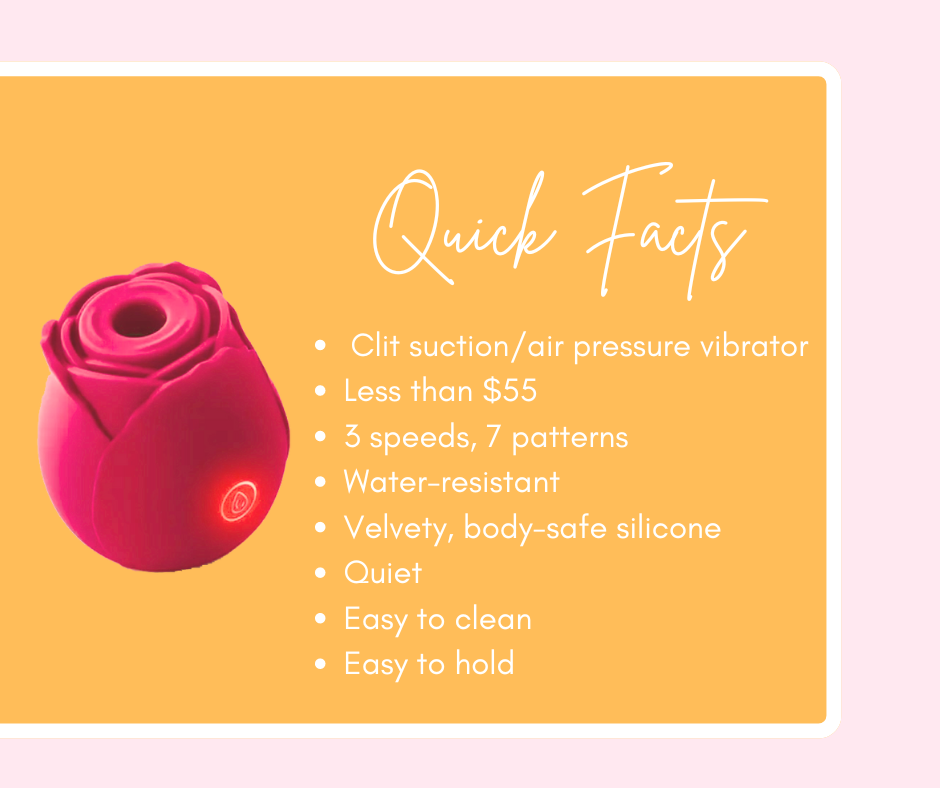
The exterior of the Rose Toy is typically constructed from high-quality, non-porous medical-grade silicone. This material choice is critical for several technical reasons. First, silicone is biocompatible and hypoallergenic, ensuring safety for prolonged contact. Second, its elasticity is essential for maintaining the vacuum seal required for the air-pulse technology to function. The “rose” shape is not merely decorative; the petals are engineered to provide a soft, adaptable interface that contours to various anatomical shapes, ensuring the internal air chamber remains pressurized during use.
Power Management and Internal Circuitry
Inside the device lies a Printed Circuit Board (PCB) that manages the power delivery from a Lithium-ion (Li-ion) battery. Because these devices are frequently used in varied environments, the circuitry must be incredibly efficient. Modern Rose Toys utilize magnetic charging ports rather than traditional USB-C or DC jacks. This elimination of physical ports is a strategic engineering choice to ensure the device remains completely seamless, which is vital for its waterproof rating and long-term durability.
The Role of App Integration and Smart Features

As the wellness industry shifts toward the “Internet of Things” (IoT), the Rose Toy has seen significant upgrades in its software capabilities. Many high-end models now feature Bluetooth connectivity, allowing users to interface with the hardware via smartphone applications.
Bluetooth Connectivity and Remote Control
By integrating low-energy Bluetooth chips, manufacturers allow the Rose Toy to be controlled remotely. This involves a complex handshake between the device’s firmware and the mobile app. Users can create custom patterns, syncing the air-pulse intensity to music, ambient sound, or even real-time manual input from a partner located thousands of miles away. This “Teledildonics” aspect of the tech requires robust encryption to ensure user privacy and digital security, as the data transmitted is highly sensitive.
Customizing Wave Patterns through Software
The software allows for a level of customization that physical buttons cannot provide. Through the app, the device’s internal processor can be programmed to oscillate the diaphragm at specific hertz (Hz) levels. Some apps offer “looping” functions where users can draw their own pulse waves on a touchscreen, which the device then translates into physical air-pressure changes. This synergy between hardware and software represents the cutting edge of personalized consumer tech.
Durability, Waterproofing, and Maintenance Standards
One of the most impressive technical feats of the Rose Toy is its ingress protection. Given the nature of its use, the device must withstand exposure to liquids and frequent cleaning.
IPX Ratings and Submersible Electronics
Most reputable Rose Toys are rated IPX7 or higher. An IPX7 rating means the device can be submerged in up to one meter of water for 30 minutes without the internal electronics being compromised. Achieving this requires “overmolding”—a manufacturing process where the electronic core is encased in a single, continuous piece of silicone. By eliminating seams and using ultrasonic welding for internal plastic components, engineers ensure that the vacuum chamber remains airtight and the electrical components remain dry.
Longevity and Motor Lifecycle Management
The motors used in air-pulse devices are subject to different stresses than traditional vibrators. Because they move a diaphragm rather than an offset weight, they must maintain high RPMs without overheating. Advanced models incorporate thermal shut-off sensors to prevent the Li-ion battery or the motor from reaching unsafe temperatures. Furthermore, the lifecycle of these motors is tested to withstand hundreds of hours of operation, ensuring that the mechanical components do not fatigue despite the high-frequency movements.
Future Trends in Intimate Technology
The Rose Toy is just the beginning of a broader trend in “FemTech” (Female Technology) that prioritizes sophisticated engineering for wellness. As the sector grows, we can expect several technological advancements to emerge.
AI Personalization and Sensory Feedback
The next generation of Rose Toys may incorporate Artificial Intelligence to learn user preferences. By utilizing biometric sensors that track heart rate or skin conductance, the device could theoretically adjust its pulse intensity in real-time to optimize the user experience. This closed-loop feedback system is a major area of research in broader haptic technology circles, moving beyond pre-programmed patterns toward truly responsive hardware.
Sustainable Tech in the Wellness Industry
As consumer electronics face scrutiny over e-waste, the future of the Rose Toy will likely involve more sustainable manufacturing. This includes moving toward “Right to Repair” friendly designs (which is currently difficult due to waterproofing needs) and utilizing biodegradable silicones or recycled plastics for internal frames. Engineers are currently looking for ways to balance the high-performance requirements of medical-grade devices with the environmental need for modularity and recyclability.
Conclusion
When asking “what does a rose toy do,” the answer is found in the intersection of fluid dynamics and electronic precision. It is a device that replaces mechanical vibration with atmospheric pressure changes, housed in a waterproof, biocompatible shell, and often controlled by sophisticated mobile software. From the magnetic charging systems to the specialized diaphragm motors, the Rose Toy represents a masterclass in modern consumer product design—taking complex physics and packaging it into an intuitive, user-friendly form. As technology continues to permeate every aspect of our personal lives, the Rose Toy stands as a prime example of how engineering can be used to refine and redefine human sensation.
aViewFromTheCave is a participant in the Amazon Services LLC Associates Program, an affiliate advertising program designed to provide a means for sites to earn advertising fees by advertising and linking to Amazon.com. Amazon, the Amazon logo, AmazonSupply, and the AmazonSupply logo are trademarks of Amazon.com, Inc. or its affiliates. As an Amazon Associate we earn affiliate commissions from qualifying purchases.