
In the rapidly evolving landscape of consumer electronics, automotive technology, and renewable energy, we often celebrate the visible components: the high-resolution displays, the lightning-fast processors, or the high-capacity lithium batteries. However, beneath the surface of these technological marvels lies a sophisticated ecosystem of power management components that ensure stability, safety, and longevity. Among these, the rectifier regulator stands as one of the most critical, yet frequently overlooked, pieces of hardware.
To understand the modern world of gadgets and transport, one must understand how power is tamed. The rectifier regulator is the gatekeeper of electrical flow, acting as both a translator and a guardian. It takes raw, chaotic energy and transforms it into the precise, steady current required by sensitive digital circuitry. This article explores the mechanics, applications, and technological evolution of the rectifier regulator, shedding light on why it remains a cornerstone of tech engineering.
The Science of Conversion: How Rectification Stabilizes Power
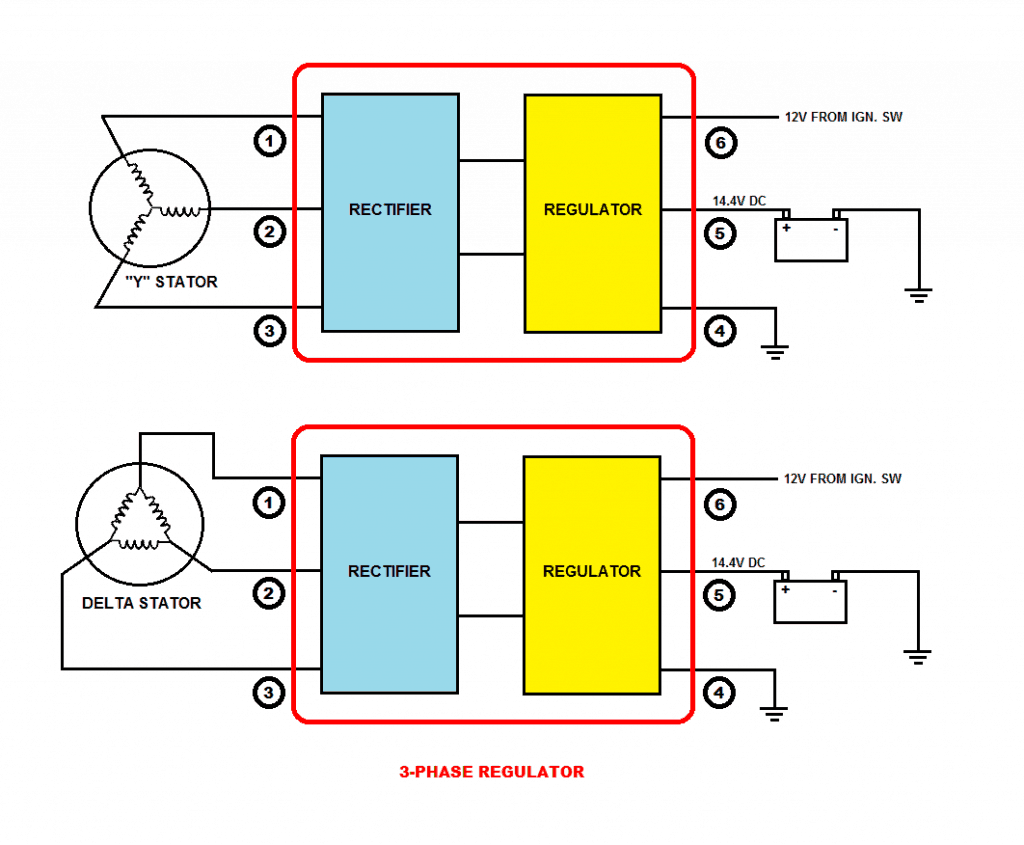
At its core, a rectifier regulator performs two distinct but inextricably linked functions: rectification and regulation. To appreciate its value, one must first understand the fundamental difference between the two primary forms of electricity: Alternating Current (AC) and Direct Current (DC).
The Transition from AC to DC
Most power generation systems, such as the alternators found in motorcycles, small engines, and wind turbines, produce Alternating Current. In AC, the flow of electrons periodically reverses direction, moving in a wave-like pattern. While AC is efficient for transmitting power over long distances, it is entirely incompatible with modern digital electronics.
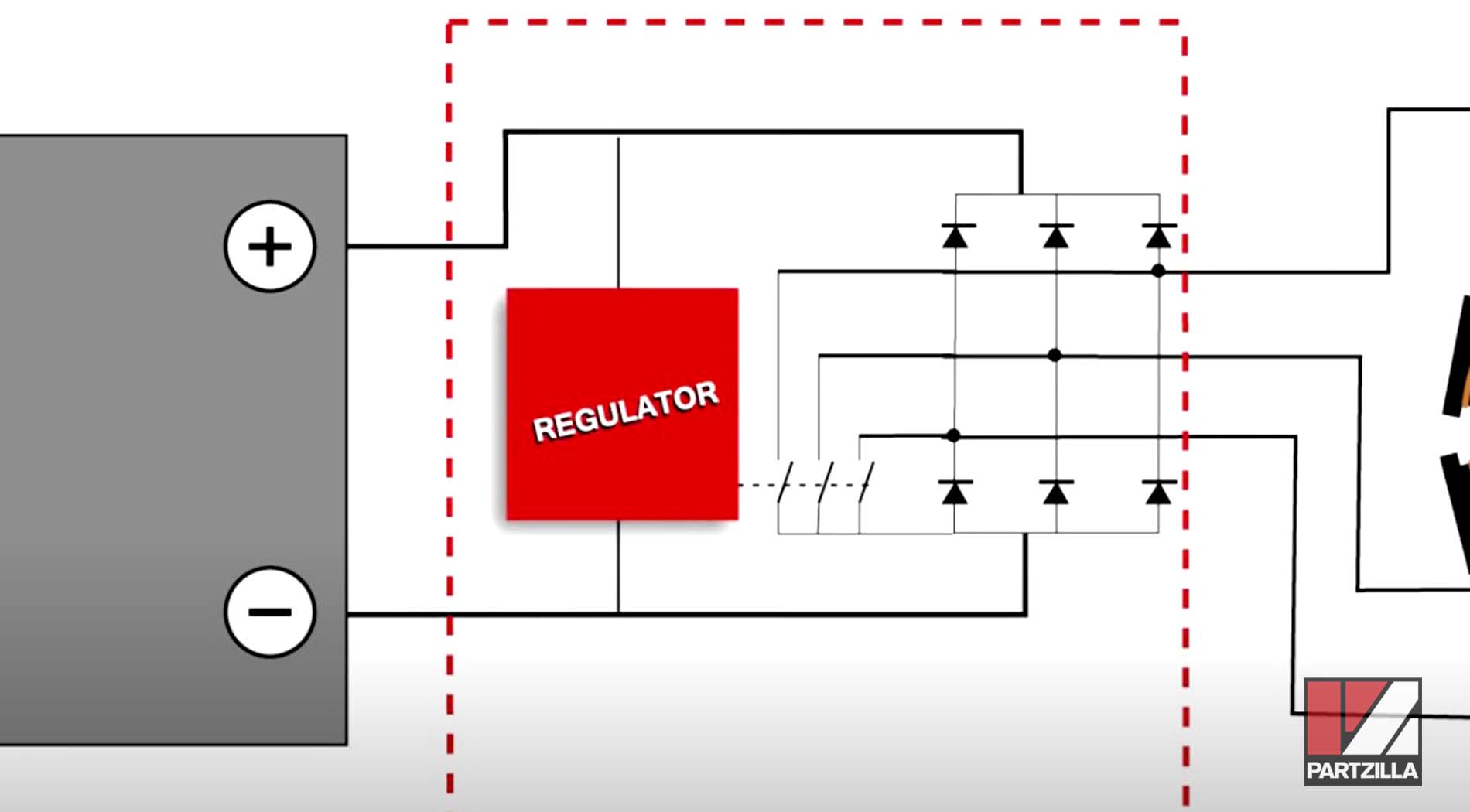
Microchips, LED displays, and battery cells require Direct Current (DC), where electricity flows in a single, constant direction. The “rectifier” portion of the device uses a series of diodes—essentially one-way valves for electricity—to flip the negative half of the AC wave into a positive orientation. This process, known as full-wave rectification, results in a pulsating DC output that is the first step toward usable energy.
Filtering and Smoothing
Even after rectification, the resulting current is often “dirty,” characterized by significant ripples and fluctuations that could interfere with high-frequency signals in software and communication hardware. Advanced rectifier regulators incorporate capacitors to act as temporary reservoirs, filling in the gaps between pulses to create a smoother, more consistent voltage. In the world of high-tech gadgets, this “clean” power is the difference between a stable system and one plagued by “ghost” errors or hardware crashes.
The Regulation Phase: Safeguarding Sensitive Circuitry
If rectification is about translation, then regulation is about discipline. The energy produced by an alternator is rarely constant; it fluctuates wildly based on the speed of the engine or the intensity of the power source. Without regulation, a sudden surge in RPMs could send a spike of voltage through the system, effectively frying delicate electronic components.
The Role of the Zener Diode and Shunting
The “regulator” component monitors the output voltage in real-time. When the voltage exceeds a specific threshold (usually around 14.4 volts for a standard 12V system), the regulator intervenes. In traditional shunt-style regulators, the excess energy is diverted, or “shunted,” to the ground.
This process utilizes a Zener diode, a specialized semiconductor that allows current to flow backward once a specific voltage is reached. By bleeding off the excess potential, the regulator ensures that the battery and the connected electronics never receive more than they can handle. This is the primary defense mechanism for everything from a drone’s flight controller to a motorcycle’s ECU.
Thermal Management and Efficiency
One of the greatest challenges in regulator design is heat. When a regulator shunts excess voltage, that energy doesn’t simply vanish; it is converted into heat. This is why most rectifier regulators are housed in heavy, finned aluminum casings. These fins increase the surface area for air cooling. In the tech world, thermal throttling and heat dissipation are constant battles, and the rectifier regulator is on the front lines, ensuring that the power management system doesn’t melt under the pressure of high-output scenarios.
Practical Applications in Consumer Tech and Transportation
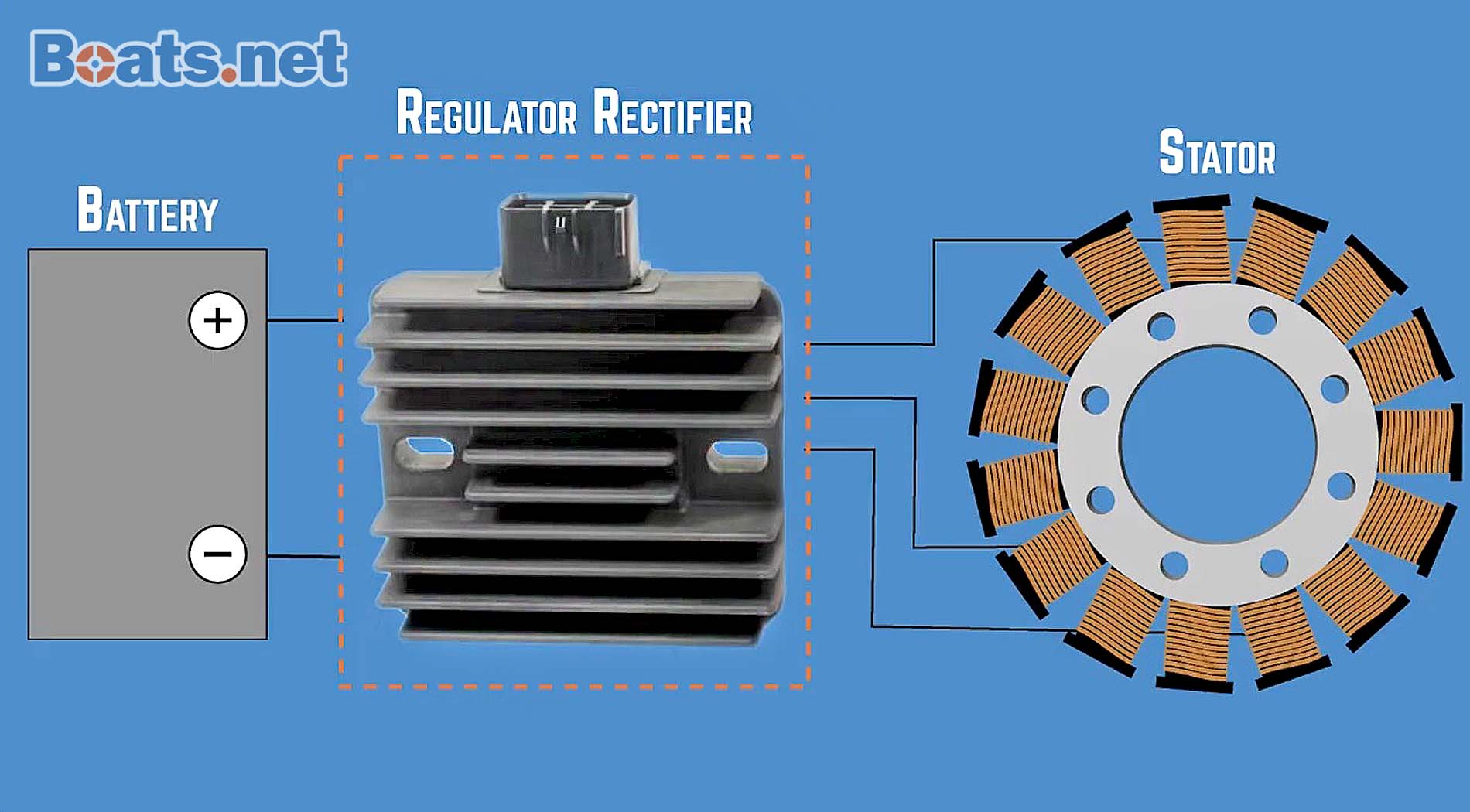
While we may not see them, rectifier regulators are ubiquitous in the tech we rely on daily. Their design varies based on the specific demands of the device, ranging from tiny surface-mount components to heavy-duty industrial units.
Small Engines and Personal Mobility
The most common place to find a dedicated rectifier regulator is in powersports and personal mobility. Motorcycles, ATVs, and e-scooters rely on these devices to charge their batteries while powering ignition systems and lights. In these environments, the regulator must be rugged enough to withstand vibration, moisture, and extreme temperature swings. A failure here doesn’t just mean a dead battery; it can lead to a total electrical system failure while the vehicle is in motion.
Robotics and Unmanned Aerial Vehicles (UAVs)
In the world of drones and robotics, power consistency is non-negotiable. Flight controllers use complex algorithms to maintain stability, and these sensors are highly sensitive to voltage noise. Rectifier regulators in these high-tech applications are often integrated into Power Distribution Boards (PDBs). They must be incredibly lightweight and efficient, providing “clean” DC to the onboard computers while managing the high-current demands of the brushless motors.
Renewable Energy and Off-Grid Systems
As we shift toward green tech, rectifier regulators play a starring role in small-scale wind and hydro-power systems. Wind turbines generate AC at varying frequencies depending on wind speed. A high-quality rectifier regulator is essential to convert this intermittent energy into a stable charge for battery banks, which then provide power for off-grid homes and IoT-enabled monitoring stations.
Troubleshooting and Maintenance in the Digital Age
Like any hardware component, rectifier regulators are subject to wear and tear. For tech enthusiasts and DIYers, understanding the signs of a failing regulator can save thousands of dollars in collateral damage to batteries and electronics.
Identifying Signs of Failure
Failure typically manifests in two ways: overcharging or undercharging.
- Overcharging: If the regulator fails to shunt excess voltage, the system will be flooded with high voltage. In a tech context, this might look like flickering screens, blown fuses, or a “swollen” lithium-ion battery.
- Undercharging: If the rectifier diodes fail, the battery will not receive enough current to stay charged. The device may work for a short period before the battery dies, leading many to incorrectly assume the battery itself is the problem.
Modern Diagnostic Tools
In the past, testing a regulator required specialized knowledge. Today, the tech-savvy user can utilize digital multimeters and even smartphone-linked OBD-II (On-Board Diagnostics) scanners to monitor voltage in real-time. By observing the voltage across the battery terminals while the power source is active, one can see exactly when the regulator “claps down” on the voltage, confirming its health.
The Future: MOSFET Technology and Smart Regulation
As our demand for efficiency grows, the technology within rectifier regulators is undergoing a significant transformation. We are moving away from the “brute force” methods of the past toward more elegant, software-driven solutions.
The Rise of MOSFET Rectifiers
Traditional regulators use Silicon Controlled Rectifiers (SCRs), which are reliable but run very hot. The modern tech standard is moving toward MOSFET (Metal-Oxide-Semiconductor Field-Effect Transistor) technology. MOSFET regulators are significantly more efficient; they switch faster and generate much less heat. For gadgets and vehicles, this means less parasitic power loss and a longer lifespan for the component itself.
Integrated Power Management ICs (PMICs)
In the realm of smartphones and ultra-portable laptops, the functions of the rectifier regulator have been shrunk down into Integrated Circuits (ICs). These “Smart Regulators” are controlled by firmware, allowing them to communicate with the device’s processor. They can adjust power delivery based on the battery’s chemical state, the ambient temperature, and the current workload. This level of digital integration is the pinnacle of regulator technology, enabling the fast-charging capabilities we now take for granted.
Conclusion
The rectifier regulator is a testament to the importance of stable foundations. In the tech industry, we are often distracted by the “flashy” features of our devices, but none of those features would function without the silent, steady work of voltage conversion and regulation. Whether it is keeping a motorcycle’s headlight bright, ensuring a drone stays in the sky, or protecting the delicate circuitry of a global communication network, the rectifier regulator is a vital link in the chain of modern technology. As we move toward a more electrified and automated future, the evolution of this humble component will continue to dictate the reliability and efficiency of the tools we use to navigate the world.
aViewFromTheCave is a participant in the Amazon Services LLC Associates Program, an affiliate advertising program designed to provide a means for sites to earn advertising fees by advertising and linking to Amazon.com. Amazon, the Amazon logo, AmazonSupply, and the AmazonSupply logo are trademarks of Amazon.com, Inc. or its affiliates. As an Amazon Associate we earn affiliate commissions from qualifying purchases.