
In the dynamic landscape of modern business, the role of a recruiter has evolved far beyond mere resume screening and interview scheduling. While traditionally viewed as matchmakers between talent and opportunity, today’s recruiters are, at their core, indispensable architects and guardians of a company’s brand. They are the front-line ambassadors, the storytellers, and the experience designers who shape how an organization is perceived by its most critical audience: potential employees. Understanding what a recruiter does, therefore, is fundamentally about recognizing their pivotal contribution to brand strategy, corporate identity, and the overarching marketing of an employer’s value proposition.
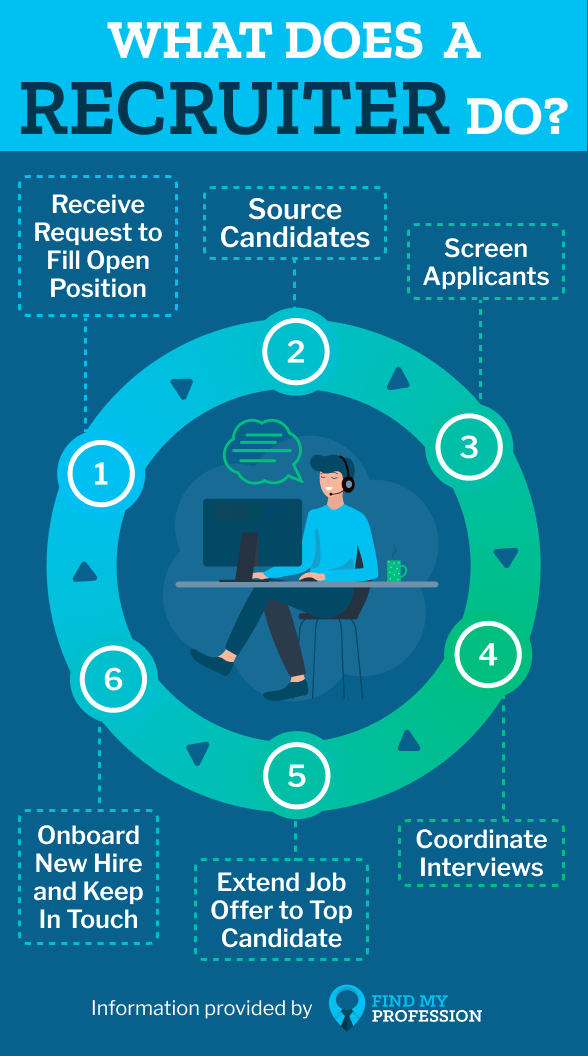
The Recruiter as a Brand Ambassador and Strategist
At the heart of a recruiter’s multifaceted role is the responsibility of being a primary brand ambassador. Every interaction, every email, every phone call, and every social media post is an opportunity to either strengthen or diminish the corporate identity they represent. This isn’t just about adhering to brand guidelines; it’s about embodying the company’s spirit, culture, and values in every engagement.
Representing Corporate Identity and Values
A recruiter acts as the human face of an organization. They are the initial point of contact for external talent, and their demeanor, professionalism, and communication style directly reflect on the company. This means internalizing the corporate identity – understanding the mission, vision, and core values – and translating them into tangible experiences for candidates. For instance, if a company prides itself on innovation and agility, the recruiter’s process might reflect this through streamlined applications or creative interview challenges. Conversely, a recruiter who is slow, unresponsive, or unprofessional can severely damage the perception of even the most reputable brand. They are not just seeking talent; they are selling the company’s story, its purpose, and its unique value proposition to individuals who have myriad options in today’s competitive job market. This requires a deep understanding of what makes the company special, what its long-term goals are, and how each role contributes to the broader organizational narrative.
Crafting the Employer Brand Narrative
Beyond simply representing the brand, recruiters are actively involved in crafting and disseminating the employer brand narrative. This involves understanding what makes a company a desirable place to work – its culture, benefits, career development opportunities, and social impact – and then strategically communicating these aspects to attract the right talent. Recruiters work closely with marketing and HR teams to develop compelling job descriptions that go beyond a list of duties, instead painting a vivid picture of the impact a candidate can make. They leverage various channels, from professional networking sites like LinkedIn to industry-specific forums and career events, to tell the company’s story. They share testimonials from current employees, highlight company achievements, and showcase the unique aspects of the workplace environment. This proactive storytelling is crucial for differentiation, allowing a company to stand out in a crowded talent market and appeal to individuals whose personal values align with the corporate identity. Essentially, recruiters are engaged in a continuous marketing campaign, with “talent” as their target audience and the “employer brand” as their product.
Managing Candidate Perception Through Design and Experience
Every touchpoint in the recruitment process is an opportunity to design a positive brand experience for the candidate. From the initial job advertisement to the application process, interviews, and even rejection letters, each step contributes to how the candidate perceives the company. Recruiters are tasked with ensuring this experience is seamless, professional, and engaging. This involves designing clear communication strategies, providing timely feedback, and maintaining transparency throughout the hiring journey. A well-designed candidate experience can turn even unsuccessful applicants into brand advocates, as they will appreciate the professionalism and respect shown. Conversely, a poorly managed process – characterized by lengthy delays, lack of communication, or a cumbersome application system – can lead to negative word-of-mouth, damaging the company’s reputation and deterring future talent. Recruiters are therefore deeply involved in the design of the candidate journey, ensuring it reflects the brand’s commitment to excellence and respect for individuals.
Strategic Talent Acquisition and Brand Alignment
The strategic dimension of a recruiter’s role lies in their ability to not just fill vacancies, but to proactively identify, attract, and onboard talent that genuinely aligns with the company’s strategic objectives and, crucially, its brand identity. This involves a sophisticated understanding of both market dynamics and internal organizational needs, ensuring that every hire strengthens the corporate fabric.
Understanding Business Needs and Brand Fit
A strategic recruiter doesn’t just read a job description; they delve into the underlying business needs and the specific impact a new hire is expected to make. This requires close collaboration with hiring managers and senior leadership to understand departmental goals, team dynamics, and the broader organizational strategy. More importantly, they assess “brand fit” – whether a candidate’s values, work ethic, and aspirations resonate with the company’s culture and long-term vision. This goes beyond technical skills; it’s about identifying individuals who will thrive in the existing environment, contribute positively to the company’s culture, and naturally embody the corporate identity. Recruiters are skilled at asking probing questions and designing interview scenarios that reveal not just “what” a candidate can do, but “how” they will do it, and whether their approach aligns with the company’s established ways of working and interacting. This ensures that new hires are not only competent but also serve as natural extensions of the brand.
Developing Targeted Sourcing Strategies
In a competitive talent market, generic recruitment efforts yield generic results. Recruiters are strategists who develop highly targeted sourcing plans to reach specific demographics and skill sets that are most likely to align with the company’s brand and needs. This involves identifying the most effective channels – whether specialized job boards, industry conferences, academic partnerships, or passive outreach through professional networks. They leverage data analytics to understand where top talent congregates and how best to engage them. For instance, if a brand is known for its cutting-edge technology, recruiters might focus on hackathons, developer communities, or niche tech forums. If it’s lauded for its social impact, they might target candidates with volunteer experience or a passion for specific causes. This strategic approach ensures that resources are allocated efficiently and that the company’s brand message reaches the most receptive and relevant audiences, enhancing the quality of applications and the overall brand perception.
Data-Driven Branding in Recruitment
Modern recruitment is increasingly data-driven, and recruiters use analytics not just to track efficiency, but to refine their employer branding efforts. They analyze various metrics such as source of hire, candidate conversion rates at different stages, time-to-hire, and quality of hire to identify what’s working and what needs improvement in their branding and outreach. For example, if candidates from a particular platform consistently perform well and express alignment with the company culture, recruiters can double down on their branding efforts on that platform. Conversely, if a certain brand message is failing to attract the desired talent, data can highlight this, prompting a strategic recalibration. This continuous feedback loop allows recruiters to optimize their brand messaging, experiment with different value propositions, and tailor their communication to resonate more effectively with target talent segments. They use data to understand the candidate journey, identify potential pain points that could reflect poorly on the brand, and make informed decisions to enhance the overall recruitment experience.

The Candidate Experience: A Core Brand Touchpoint
The candidate experience is arguably the most critical brand touchpoint managed by a recruiter. It’s a direct reflection of a company’s internal culture and values, impacting not only immediate hiring success but also long-term brand reputation. Recruiters are the primary designers and custodians of this experience, ensuring it aligns with the corporate identity.
Designing a Seamless and Engaging Journey
A recruiter’s role involves meticulously designing and overseeing every step of the candidate journey, from the initial application to potential onboarding. This means ensuring that the process is not only efficient but also engaging and reflective of the company’s brand. A seamless journey implies clear expectations, intuitive application portals, and a well-structured interview process. An engaging journey incorporates personalized communication, opportunities for candidates to learn more about the company beyond the job description, and a sense of genuine interest from the recruiting team. For example, a tech company recruiter might design a coding challenge that reflects the actual work candidates would do, providing an authentic taste of the company’s innovative environment. The goal is to make candidates feel valued, respected, and excited about the prospect of joining the team, regardless of the ultimate outcome. This careful design is a direct extension of the brand’s commitment to excellence and its regard for people.
The Art of Communication: Transparency, Feedback, and Professionalism
Effective communication is the cornerstone of a positive candidate experience and, by extension, a strong employer brand. Recruiters are masters of communication, employing transparency, providing constructive feedback, and maintaining unwavering professionalism throughout the process. Transparency means setting realistic expectations about timelines, explaining the stages of the hiring process, and being upfront about the role’s challenges and opportunities. Providing timely and thoughtful feedback, even to unsuccessful candidates, demonstrates respect and can turn a potential detractor into a brand advocate. Professionalism, encompassing respectful interactions, prompt responses, and clear messaging, reinforces the company’s integrity and corporate identity. Recruiters understand that every email, phone call, or in-person meeting is an opportunity to reinforce the brand’s commitment to its people and processes, making a lasting impression that extends far beyond the hiring decision.
Impact on Company Reputation
The impact of the candidate experience on a company’s reputation cannot be overstated. In the age of social media and online reviews (Glassdoor, LinkedIn, etc.), candidates are quick to share their experiences, both positive and negative. A poorly handled recruitment process can quickly lead to negative reviews, widespread public criticism, and a tarnished employer brand, making it significantly harder to attract top talent in the future. Conversely, a thoughtfully designed and executed candidate experience can generate invaluable positive word-of-mouth, transform candidates into enthusiastic brand advocates, and significantly enhance the company’s standing as an employer of choice. Recruiters are acutely aware of this ripple effect; they understand that their actions directly contribute to the company’s public image and its ability to compete for talent in the long term. Their management of the candidate experience is therefore not just an operational task, but a strategic brand imperative.
Building and Nurturing a Talent Pipeline
A forward-thinking recruiter doesn’t just focus on immediate hires; they are also engaged in long-term brand building and relationship management, continually cultivating a talent pipeline. This involves strategic engagement with potential future employees, leveraging existing networks, and promoting internal advocacy to sustain a robust and attractive employer brand.
Long-Term Brand Building with Passive Candidates
Many of the best candidates are not actively looking for a job; they are “passive” candidates who are content in their current roles but open to compelling opportunities. Recruiters play a crucial role in engaging these individuals through sustained, soft-touch brand building. This involves identifying potential talent early, establishing connections, and nurturing those relationships over time, often years before a suitable role becomes available. Recruiters might share industry insights, company news, or relevant content that aligns with the passive candidate’s interests, thereby keeping the company’s brand top-of-mind. This long-term approach transforms recruiting into a continuous relationship management function, where the company’s brand is consistently presented as an attractive and reputable potential future employer, ensuring a steady stream of high-caliber prospects when needs arise.
Leveraging Networks and Referrals: Utilizing Existing Brand Advocates
One of the most powerful tools in a recruiter’s arsenal is leveraging professional networks and employee referral programs. Existing employees are often the most credible and enthusiastic brand advocates. Recruiters actively encourage employees to refer qualified candidates, not only because it often leads to high-quality hires but also because it reinforces the internal brand. An employee willing to refer someone is essentially vouching for the company’s culture and opportunities. Recruiters also build and maintain their own extensive professional networks, attending industry events, participating in online communities, and engaging with thought leaders. These networks serve as vital channels for sourcing talent, but equally important, they amplify the company’s brand message through trusted connections. This reliance on word-of-mouth and personal endorsement is a testament to the power of a strong employer brand, carefully cultivated by the recruiter.
The Role of Internal Branding: Supporting Employee Advocacy
Recruiters understand that external employer branding starts from within. A strong internal brand – where employees feel valued, engaged, and proud of their work – naturally translates into positive external perceptions. Recruiters often collaborate with HR and internal communications to ensure that employees are well-informed about company successes, cultural initiatives, and development opportunities. Empowered and satisfied employees are more likely to share positive stories about their workplace, becoming organic brand ambassadors. This internal branding effort supports the recruiter’s external mission by creating a consistent and authentic message. When internal experiences match external brand promises, the company’s reputation as an employer of choice is solidified, making the recruiter’s job of attracting top talent significantly easier and more effective.
Conclusion
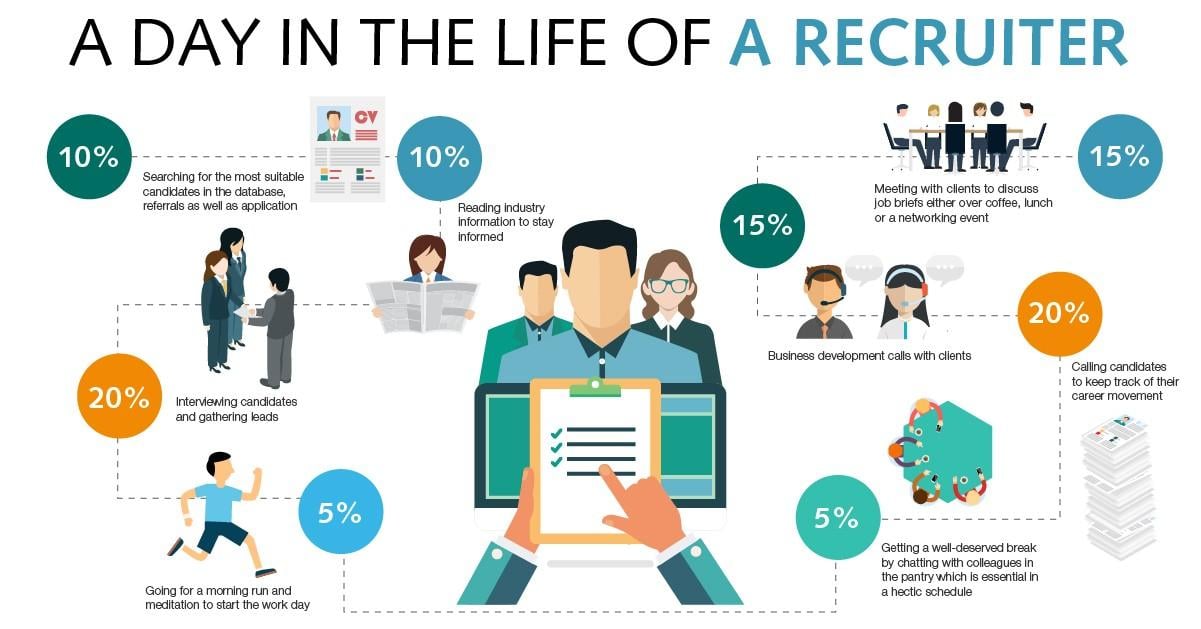
The question “what does a recruiter do” reveals a role far more intricate and strategically significant than often perceived. Recruiters are no longer just administrators of the hiring process; they are integral players in a company’s brand strategy, deeply involved in shaping its corporate identity, designing critical brand touchpoints through the candidate experience, and strategically marketing its employer value proposition. From representing the company’s values as frontline ambassadors to crafting compelling narratives, leveraging data for targeted outreach, and meticulously designing a seamless candidate journey, every facet of a recruiter’s work directly impacts how an organization is perceived in the talent market. They build long-term pipelines, harness the power of networks, and foster internal advocacy, all to ensure that the company attracts and retains the talent essential for its growth and success. In essence, a recruiter is a brand architect, a marketer, and a strategic partner, whose expertise is critical to protecting, enhancing, and projecting a company’s most valuable asset: its reputation as an employer of choice.
aViewFromTheCave is a participant in the Amazon Services LLC Associates Program, an affiliate advertising program designed to provide a means for sites to earn advertising fees by advertising and linking to Amazon.com. Amazon, the Amazon logo, AmazonSupply, and the AmazonSupply logo are trademarks of Amazon.com, Inc. or its affiliates. As an Amazon Associate we earn affiliate commissions from qualifying purchases.