
The landscape of identification in the United States has undergone a significant transformation, driven by the implementation of the REAL ID Act. For residents of Maine, navigating the transition to a REAL ID-compliant credential is more than just a bureaucratic hurdle; it is a fundamental shift in how digital security and personal verification intersect with travel and federal facility access. As Maine moves toward full integration, understanding the specific visual markers, security features, and verification standards of the state-issued REAL ID is essential for maintaining seamless mobility and protecting one’s digital identity.

Understanding the REAL ID Standards and Security Architecture
The REAL ID Act, passed by Congress in 2005, enacted the 9/11 Commission’s recommendation that the federal government set standards for the issuance of sources of identification, such as driver’s licenses. The core objective is to improve the reliability and accuracy of state-issued identification, thereby preventing fraudulent documentation from being used to access secure federal facilities, nuclear power plants, and commercial aircraft.
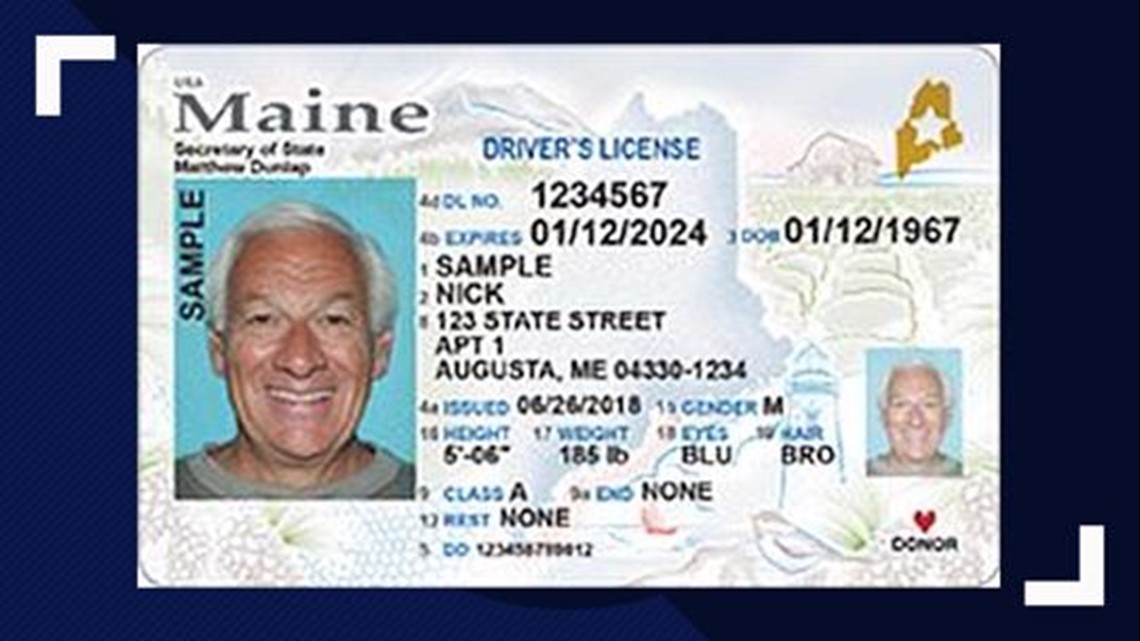
The Hallmark of Compliance: The Star
The most immediate and unmistakable visual indicator of a REAL ID in Maine is the star in the upper right-hand corner of the card. This star is not merely a design choice; it is the federally mandated mark that confirms the card meets all the security requirements set forth by the Department of Homeland Security (DHS). If your Maine-issued license or identification card features this star, it is a REAL ID-compliant document. If it lacks this star, the card remains valid for standard driving privileges and identity verification at the state level but will not serve as a federally accepted form of ID for boarding domestic flights or entering federal buildings after the enforcement deadline.
Advanced Physical Security Features
Beyond the visual star, the Maine REAL ID is a marvel of modern card technology, incorporating several layers of physical security designed to prevent counterfeiting and tampering. The card utilizes a high-durability polycarbonate substrate that feels distinctively different from older, softer plastic cards. This material allows for laser engraving, which burns information into the layers of the card rather than printing it on the surface. This makes the data—including the holder’s portrait, demographic information, and signature—virtually impossible to alter without destroying the card structure itself.
Additionally, the card features tactile elements, such as raised text and patterns, that are easily verifiable by law enforcement and transportation security officers. These tactile features, combined with sophisticated microprinting that requires magnification to read, create a robust physical barrier against amateur forgery attempts.
The Digital Integration of Personal Identification
While the physical card serves as the primary tool for in-person verification, the underlying technology of the Maine REAL ID is deeply connected to digital security frameworks. When you apply for a REAL ID, the Maine Bureau of Motor Vehicles (BMV) performs a rigorous verification of your identity documents. This process creates a “gold standard” record in the state’s digital database, which is subsequently linked to the federal verification network.
Data Encryption and Embedded Chips
A common misconception regarding the REAL ID is that it functions as a tracking device or a repository for a vast array of personal information. In reality, the Maine REAL ID contains a machine-readable zone on the back, typically in the form of a PDF417 2D barcode. This barcode contains the information printed on the front of the card, allowing for quick, accurate data entry by authorized scanners.

The security of this data is managed through sophisticated encryption standards. The information is not broadcast or accessible via contactless “tapping” unless a specific, authorized reader is present. This architecture ensures that the digital footprint of the cardholder remains localized and accessible only to entities authorized under federal law, maintaining a balance between national security and individual privacy.
The Importance of Document Verification
The security of the Maine REAL ID begins before the card is even printed. The vetting process requires applicants to provide original documentation—such as a birth certificate, passport, social security card, and proof of Maine residency. The digitization of these documents allows the BMV to verify their authenticity against databases maintained by the Social Security Administration and the Department of Homeland Security. This “source-to-issuance” verification chain is the cornerstone of the REAL ID initiative, ensuring that the digital identity associated with the card is indisputably linked to the physical individual.
Navigating the Transition to a REAL ID-Compliant Credential
Transitioning to a REAL ID in Maine involves a structured process that serves as a tutorial in identity management. Because the REAL ID process requires a higher level of scrutiny than a standard renewal, it is important to treat the application as a formal administrative procedure.
Step-by-Step Compliance Verification
- Document Gathering: Applicants must prepare a “document packet.” This includes proof of identity (like a birth certificate or valid passport), a social security number (which is verified electronically), and two distinct documents proving residency in the state of Maine.
- In-Person Visit: Unlike standard renewals that might be handled online, a REAL ID application generally requires an in-person visit to a Maine BMV branch. This allows for the capture of a fresh, high-resolution digital photograph, which is encrypted into the system to prevent identity swapping.
- Verification and Processing: Once the documents are presented, a BMV agent performs a real-time validation of the authenticity of the records. This systematic approach ensures that every REAL ID issued in Maine carries the same high level of security integrity.
Balancing Convenience and Security
The transition to a REAL ID is elective; Maine residents can choose to retain a standard license if they do not intend to use it for federal travel or facility access. However, for those who travel frequently, the REAL ID represents a streamlining of the airport security experience. By utilizing a document that meets federal data standards, travelers can bypass the secondary screening requirements often imposed on those using non-compliant forms of identification. This underscores the core value proposition of the program: the exchange of a one-time intensive vetting process for a permanent, high-security credential that facilitates smoother navigation of our modern travel infrastructure.
Future-Proofing Identity in a Digital World
As we look toward the future, the Maine REAL ID serves as a bridge to broader digital identification strategies. While the current REAL ID is a physical card with digital verification capabilities, it lays the groundwork for future mobile identification (mID) implementations.
The Evolution of Verification
The shift toward REAL ID compliance reflects a broader global trend in “Identity Assurance.” As digital threats become more sophisticated, the methods we use to verify our physical presence must evolve in parallel. The Maine REAL ID is the state’s commitment to this evolution, providing a secure, reliable, and standardized method of identification that can withstand the rigors of modern digital verification standards.
By understanding what a REAL ID looks like—not just the aesthetic star, but the depth of security, the rigor of the verification process, and the integration of machine-readable data—Maine residents can feel confident in the integrity of their identity documents. The REAL ID is more than just a license to drive; it is a foundational component of modern life, ensuring that as our world becomes more interconnected, our personal identification remains secure, verifiable, and globally accepted. Through this combination of physical engineering and digital integrity, the state of Maine ensures that its residents are well-equipped to meet the requirements of an increasingly secure and scrutinized world.
aViewFromTheCave is a participant in the Amazon Services LLC Associates Program, an affiliate advertising program designed to provide a means for sites to earn advertising fees by advertising and linking to Amazon.com. Amazon, the Amazon logo, AmazonSupply, and the AmazonSupply logo are trademarks of Amazon.com, Inc. or its affiliates. As an Amazon Associate we earn affiliate commissions from qualifying purchases.