
In the landscape of modern home automation and smart infrastructure, the radon mitigation system has undergone a significant technological evolution. No longer just a rudimentary PVC pipe and a generic motor, these systems have become sophisticated engineering solutions designed to manage sub-slab air pressure and environmental safety. For homeowners and tech enthusiasts alike, understanding what a radon mitigation system looks like involves peering into the intersection of mechanical engineering, IoT connectivity, and fluid dynamics.
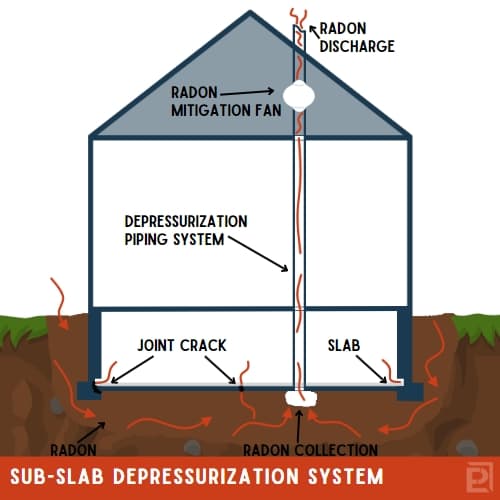
A radon mitigation system is a specialized tech stack designed to redirect radioactive gas from the soil beneath a structure and vent it safely into the atmosphere. While the visual footprint is often subtle, the components represent a critical advancement in preventative residential technology. This article explores the physical architecture, the digital integration, and the sophisticated sensors that define the modern radon mitigation setup.
The Hardware Architecture: Core Components and Mechanical Design
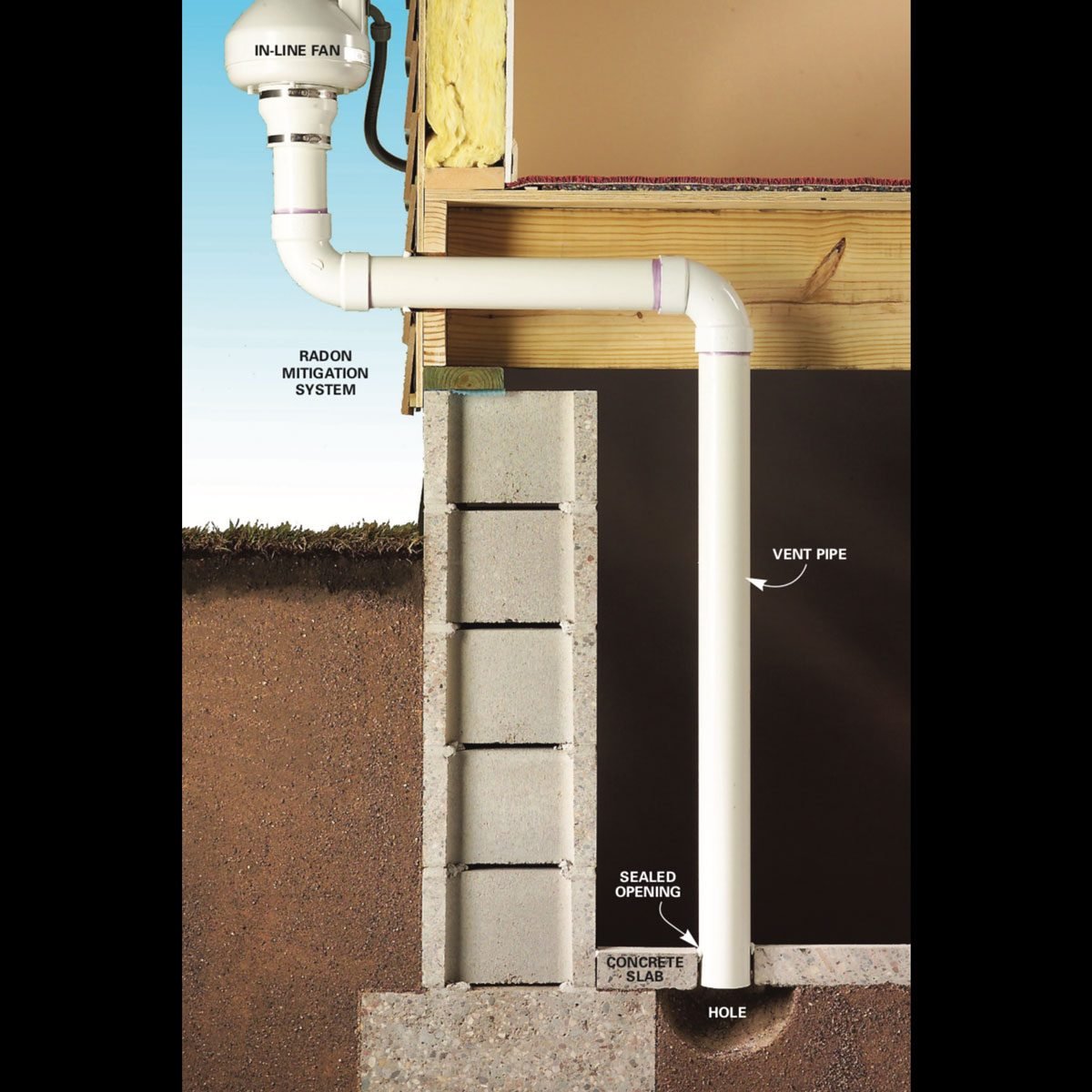
To the untrained eye, a radon mitigation system—specifically an Active Soil Depressurization (ASD) system—looks like a series of specialized conduits integrated into the home’s structure. However, the hardware is a masterclass in airflow optimization and durability.
The Suction Pit and Vapor Barriers
The invisible foundation of the system begins beneath the concrete slab. In a modern high-tech installation, the “suction pit” is a strategically excavated void where the PVC piping terminates. To enhance this, tech-forward installations often use high-density cross-linked polyethylene (PEX) or reinforced vapor barriers. These barriers are not just plastic sheets; they are engineered membranes designed to be puncture-resistant and chemically inert, ensuring that the sub-slab vacuum created by the system remains consistent and efficient.
The Inline Centrifugal Fan: The System’s Processor
If the piping is the circulatory system, the fan is the central processing unit. Located typically in an attic or on an exterior wall, these are not standard ventilation fans. They are specialized centrifugal blowers encased in UV-resistant, flame-retardant polycarbonate housings.
From a tech perspective, modern fans are designed with “smart” thermal protection and permanent split capacitor motors. They are engineered for 24/7 operation with extremely low power consumption—often drawing less wattage than a standard LED bulb. Visually, they appear as a white or gray cylindrical “bulge” in the piping, often equipped with vibration-isolated mounts to ensure the mechanical resonance does not interfere with the home’s acoustic environment.
The U-Tube Manometer: The Analog Dashboard
One of the most distinct visual markers of a radon system is the U-tube manometer, usually mounted on the system’s vertical pipe in the basement or garage. This is a liquid-filled gauge that provides a visual representation of the pressure differential. While it looks like a simple glass or plastic tube with blue or red liquid, it serves as the primary diagnostic interface, indicating that the fan is successfully creating the vacuum necessary to pull gas from beneath the slab.
The IoT Revolution: Sensors and Real-Time Data Monitoring
The most significant shift in what a radon mitigation system “looks like” today is the transition from passive mechanical hardware to active, data-driven ecosystems. Modern systems are increasingly integrated with smart home hubs and dedicated air quality software.
Continuous Radon Monitors (CRMs) and Digital Hubs
In the past, testing for radon was a “one-and-done” affair using charcoal canisters. Today, the system is accompanied by sophisticated digital monitors that look like sleek, minimalist smart speakers or thermostats. Devices from industry leaders like Airthings or Ecosense use pulsed ion chamber technology to provide real-time data.
These monitors connect via Bluetooth, Zigbee, or Wi-Fi to a central hub. Visually, this adds a “digital layer” to the system. Instead of checking a physical gauge, the user interacts with a high-resolution dashboard on their smartphone or tablet. These apps provide trend analysis, humidity tracking, and CO2 levels, contextualizing radon data within the broader scope of indoor air quality (IAQ).
Smart Alerts and Predictive Maintenance
Modern tech-integrated systems feature “smart” manometers and pressure sensors that can send push notifications if the system’s performance fluctuates. If the fan speed drops or if a pipe becomes obstructed, the software identifies the anomaly before the homeowner ever notices a change in the physical hardware. This shift toward predictive maintenance is a hallmark of the “Smart Home 2.0” era, where mechanical systems are self-diagnostic.

Aesthetic Engineering: Stealth Tech and Structural Integration
As architectural design trends lean toward minimalism, the visual impact of radon mitigation systems has moved toward “stealth tech.” Engineers and designers are now collaborating to ensure that these systems do not detract from a property’s aesthetic value or “brand” identity.
Exterior “Downspout” Customization
Standard PVC piping can be an eyesore. High-end installations now utilize “stealth” enclosures or downspout-style piping that mimics the home’s existing gutter system. These aluminum-clad conduits are powder-coated to match the home’s exterior palette, effectively hiding the technical infrastructure within the architectural design. From the curb, the system is indistinguishable from standard drainage, representing a significant advancement in residential design-build technology.
Attic-Mounted and Internal Venting
To further minimize the visual footprint, many modern systems are “internalized.” This involves routing the pipes through interior wall cavities or utility chases during the construction phase. The fan is placed in the attic space, and the only visible component on the roof is a small, lead-flashed vent stack. This approach treats the mitigation system as a core utility—similar to plumbing or HVAC—rather than an aftermarket add-on.
The Software Side: Modeling and Fluid Dynamics
The look of a radon system is actually determined long before the first pipe is cut, thanks to advanced modeling software. Professional mitigators now use digital diagnostic tools to map the “Pressure Field Extension” (PFE) of a building.
Diagnostic Mapping and Airflow Simulation
Using digital micromanometers and specialized software, technicians can visualize how air moves under the slab. They create a digital twin of the home’s foundation to identify the most efficient suction points. This ensures that the physical system is as compact as possible. By optimizing the location of the suction pits through data, the system requires fewer pipes and smaller fans, leading to a more streamlined and efficient installation.
Integration with Building Management Systems (BMS)
In commercial settings or high-end “smart” estates, the radon mitigation system is integrated into a larger Building Management System. The software monitors the system alongside the HVAC and security systems. The “look” of the system here is purely digital—a series of data points and health-status icons on a central control screen in a mechanical room or a security office.
Maintenance and Digital Security in the Smart Home Ecosystem
As radon mitigation systems become more connected, they also enter the realm of digital security and firmware management. A system that is part of a home network must be protected just like any other IoT device.
Securing the Air Quality Data
The data generated by a smart radon system is sensitive information. It reflects the health of the living environment and can even impact property values. Modern systems use encrypted protocols (such as AES-128) to ensure that the air quality data transmitted from the sensors to the cloud remains private. When you look at a modern system, you are also looking at a node in a secure network, requiring periodic software updates and robust password management.
The Evolution of the “Smart Fan”
We are currently seeing the emergence of fans with built-in microprocessors. These fans can adjust their RPM (revolutions per minute) based on real-time radon levels. During periods of high barometric pressure or increased radon seepage, the fan speeds up; when levels are low, it slows down to conserve energy. This “variable-speed” technology represents the pinnacle of current mitigation tech, turning a static mechanical tool into a responsive, intelligent device.
Conclusion: The Future of Residential Safety Tech
What does a radon mitigation system look like? It looks like the future of proactive home health. It is a sophisticated blend of heavy-duty mechanical hardware and delicate digital precision. From the UV-protected centrifugal fan to the IoT-enabled sensors and the aesthetic “stealth” enclosures, every component serves a dual purpose: functional efficiency and seamless integration into the modern lifestyle.
As we move forward, the “look” of these systems will continue to shrink in physical size while expanding in digital capability. The integration of AI for air quality prediction and the shift toward fully internalized, architecturally-integrated venting will eventually make the radon mitigation system as standard and invisible as the electrical wiring in our walls. For the tech-savvy homeowner, these systems are a vital component of a high-performance home, providing peace of mind through engineering excellence and data transparency.
aViewFromTheCave is a participant in the Amazon Services LLC Associates Program, an affiliate advertising program designed to provide a means for sites to earn advertising fees by advertising and linking to Amazon.com. Amazon, the Amazon logo, AmazonSupply, and the AmazonSupply logo are trademarks of Amazon.com, Inc. or its affiliates. As an Amazon Associate we earn affiliate commissions from qualifying purchases.