
In the vast landscape of money and finance, the term “quote” is far more than a mere suggestion; it’s a foundational element for transactions, investments, and financial planning. From the price of a stock to the cost of an insurance premium or a consulting project, a quote serves as a formal, often binding, offer detailing the price of a specific good, service, or financial instrument under defined conditions. Understanding its structure and implications is crucial for both providers and recipients in making informed financial decisions.
The Core Elements of a Financial Quote
While the specifics of a quote can vary wildly depending on its purpose, a set of universal elements typically underpins its legitimacy and utility. These components ensure clarity, accountability, and a clear understanding of the proposed financial arrangement.
Identifying Information
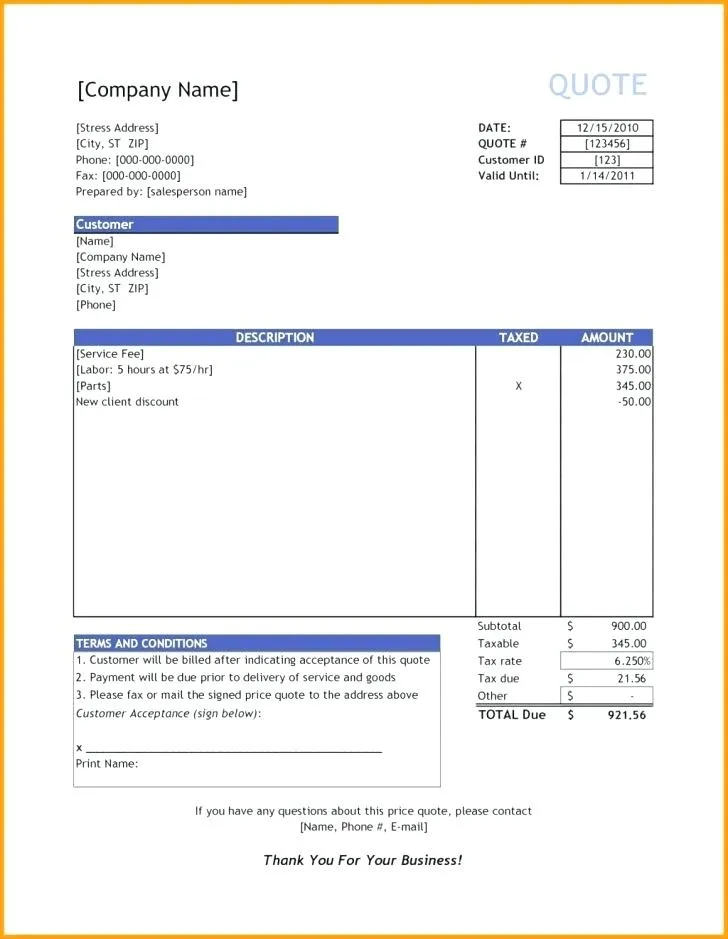
Every robust quote begins with clear identification. This includes the full legal name and contact details of the entity providing the quote (e.g., a business, broker, or consultant) and the entity receiving it (the prospective client, buyer, or borrower). Crucially, the quote will feature a unique reference number and the date of issuance. The reference number is vital for tracking, communication, and future reconciliation, while the date establishes the point in time the offer was made, often correlating with its validity period.
Itemized Breakdown of Goods or Services
At the heart of any quote is a detailed listing of what is being offered. For tangible goods, this might include product names, models, quantities, and specific features. For services, it encompasses a clear scope of work, outlining deliverables, tasks, milestones, and any agreed-upon service levels. This itemization eliminates ambiguity, ensuring both parties are clear on what is included and, equally important, what is not. In investment contexts, this section defines the specific asset, its type, and the amount being considered.
Pricing Details
This is arguably the most critical section. It moves beyond mere enumeration to assign a financial value. For each item or service, the unit price will be listed, followed by the total price for the specified quantity. Subtotals for different categories, applicable taxes (sales tax, VAT, etc.), and any discounts or promotions are calculated and clearly presented. The grand total, representing the final proposed cost, is the definitive figure. In financial market quotes, this section provides the current bid and ask prices, along with other relevant metrics like volume and time stamps.
Terms and Conditions
A quote is rarely an open-ended offer. The terms and conditions define the boundaries and expectations of the proposed transaction. Key aspects include the quote’s validity period, after which the offer expires or is subject to re-evaluation. Payment terms specify how and when payment is expected (e.g., net 30 days, 50% upfront, milestone payments). Delivery terms outline logistics for goods or completion schedules for services. Warranty information, return policies, and dispute resolution mechanisms may also be included, protecting both parties and setting clear expectations should unforeseen circumstances arise.
Call to Action/Acceptance
Finally, a quote typically concludes with a clear instruction on how to proceed. This might be an explicit “Accept” button in a digital format, a designated signature line for a physical document, or instructions on how to initiate the next step (e.g., contact a representative, make an initial deposit). This section transforms the informational document into a transactional one, guiding the recipient towards committing to the offer.
Diverse Forms of Quotes Across Financial Sectors
The appearance and structure of a quote adapt significantly to the financial sector it serves, each tailored to convey specific, crucial information relevant to that domain.
Investment Quotes: Real-time Data and Market Snapshots
In the world of investing, a “quote” refers to the latest price at which a security or commodity can be bought or sold. These are dynamic, often real-time snapshots of market activity.
Stock Quotes
A stock quote typically displays the bid price (the highest price a buyer is willing to pay), the ask price (the lowest price a seller is willing to accept), and the last traded price. Beyond these core figures, a comprehensive stock quote will include crucial data points such as the daily high and low, the 52-week high and low, trading volume, the company’s market capitalization, price-to-earnings (P/E) ratio, dividend yield, and potentially technical indicators. Its primary purpose is to provide investors with immediate, actionable data to inform trading decisions.
Forex Quotes
Foreign exchange (Forex) quotes are presented as currency pairs (e.g., EUR/USD). The first currency in the pair is the base currency, and the second is the quote currency. The quote indicates how much of the quote currency is needed to buy one unit of the base currency. Like stocks, Forex quotes feature bid and ask prices, reflecting the market’s two-way pricing. They are critical for international trade, currency hedging, and speculative trading.
Commodity Quotes
For commodities like gold, oil, or agricultural products, quotes reflect their current market price, often per standard unit (e.g., per ounce for gold, per barrel for oil). These quotes are influenced by global supply and demand, geopolitical events, and economic indicators. Futures contracts for commodities will also have specific quotes for future delivery dates.
Service and Project Quotes: From Consultants to Contractors
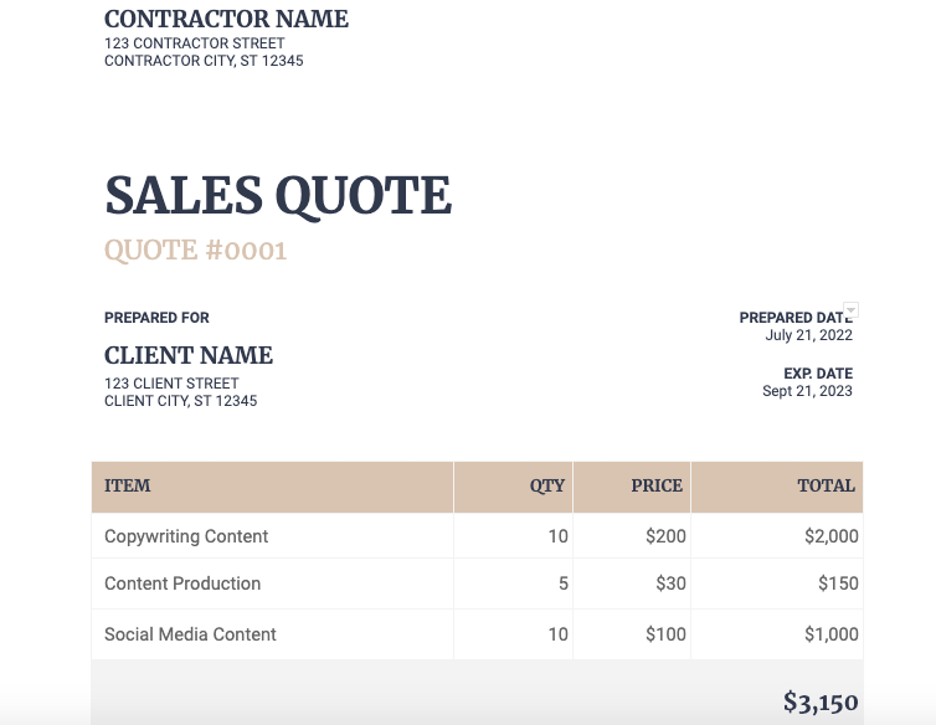
When engaging with businesses for services, whether it’s an IT consultant, a marketing agency, or a construction contractor, the quote serves as a formal proposal outlining the scope of work and associated costs.
Scope of Work
Unlike product sales, service quotes must meticulously detail the scope of the engagement. This includes specific tasks, phases, deliverables, and any assumptions made. Ambiguity here is a common source of conflict, so a well-defined scope ensures both parties have a shared understanding of what will be done.
Timeline Estimates
Most service projects operate under deadlines. The quote will often include estimated timelines for project completion, key milestones, and critical dependencies. While these may be estimates, they provide a framework for project management and client expectations.
Projected Costs (Labor, Materials, Overhead)
Service quotes break down costs into labor (hourly rates or fixed project fees), materials (if applicable), and potentially other expenses like travel, software licenses, or third-party services. Some quotes might include a breakdown of overheads or a profit margin. This transparency helps clients understand the value they are receiving for their investment.
Payment Milestones
For larger projects, payment is often structured around milestones rather than a single upfront or end-of-project payment. The quote will detail these milestones (e.g., 25% upon contract signing, 25% upon design approval, 25% upon development completion, 25% upon final delivery), linking payments directly to progress and deliverables.
Insurance Quotes: Assessing Risk and Coverage
An insurance quote is an estimate of the premium an individual or entity would pay for a specific insurance policy. It’s tailored based on a risk assessment.
Premium Breakdown
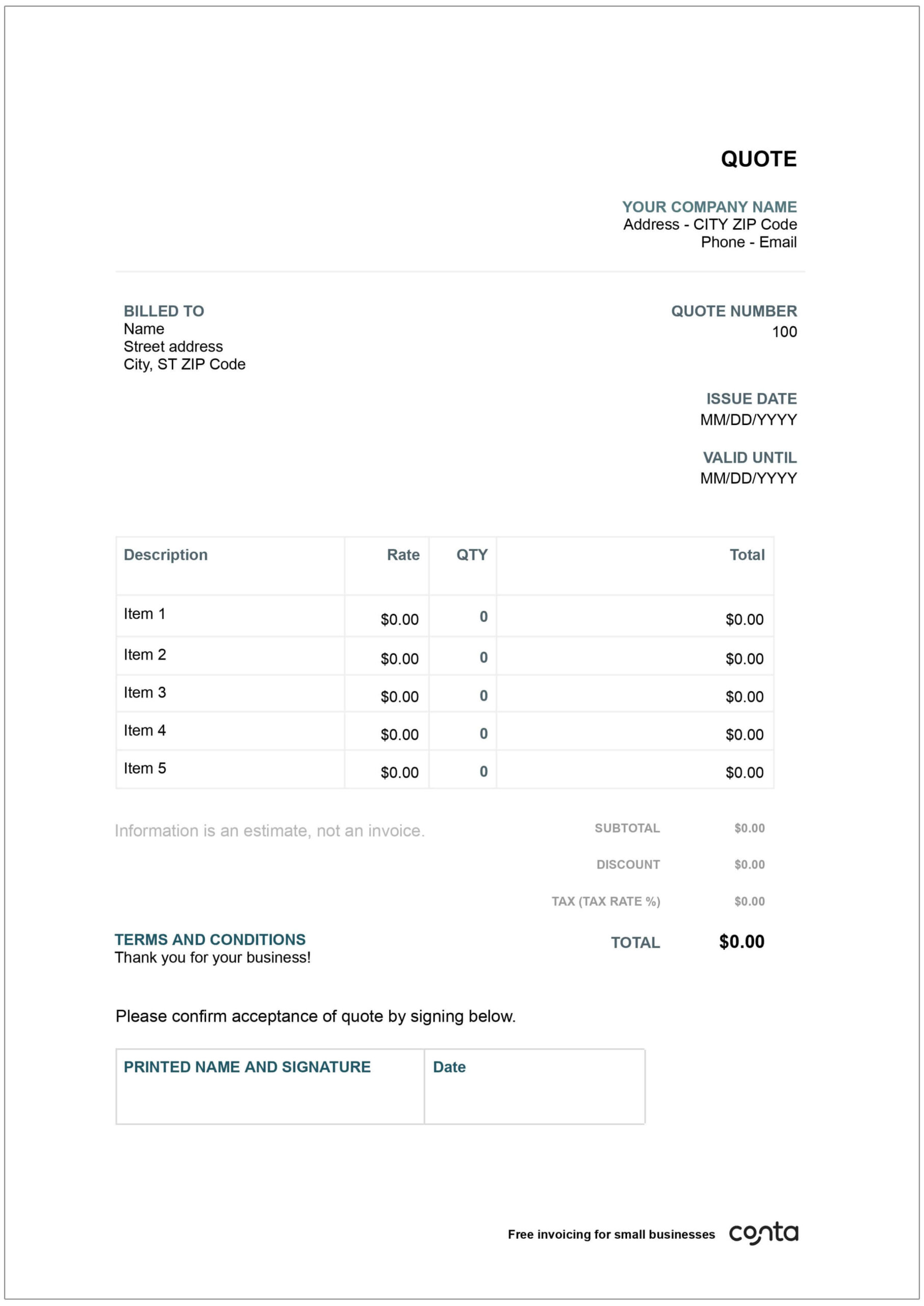
The quote details the annual or monthly premium, often itemizing different components such as basic coverage, additional riders, specific taxes, and fees. Understanding this breakdown helps the client see what contributes to the overall cost.
Deductibles and Limits
Critical to any insurance quote are the deductible (the amount the policyholder pays before the insurer pays) and the coverage limits (the maximum amount the insurer will pay for a covered loss). These figures directly impact both the premium cost and the financial protection offered.
Coverage Details
The quote clearly outlines what is and isn’t covered by the proposed policy. This can include specific perils (e.g., fire, theft, accident), types of property, individuals covered, and any exclusions.
Policy Terms
Beyond financial figures, an insurance quote will touch upon the policy’s duration, cancellation clauses, renewal conditions, and any specific obligations of the policyholder.
Loan Quotes: Understanding Borrowing Costs
A loan quote provides an estimated cost of borrowing money, reflecting the terms and conditions offered by a lender.
Interest Rate (APR)
The annual percentage rate (APR) is a crucial figure in a loan quote, representing the true annual cost of borrowing, including not just the interest rate but also other fees like origination fees. It allows for easier comparison between different loan offers.
Loan Amount and Term
The quote specifies the principal amount of the loan and the repayment term (e.g., 5 years, 30 years). These factors significantly influence the monthly payment and the total interest paid over the life of the loan.
Repayment Schedule
While often not fully detailed in the initial quote, an indication of the monthly or periodic repayment amount is provided. This allows borrowers to assess affordability.
Fees and Charges
Loan quotes often include various fees such as application fees, origination fees, closing costs, or late payment penalties. Transparency about these charges is essential for a complete understanding of the borrowing cost.
The Strategic Importance of Accurate and Clear Quotes
The precision and clarity of a financial quote hold immense strategic value for all parties involved, influencing trust, decision-making, and financial forecasting.
For Businesses: Building Trust and Securing Deals
A well-crafted quote is a direct reflection of a business’s professionalism and attention to detail.
Professionalism and Credibility
A clear, comprehensive, and error-free quote instantly enhances a business’s credibility. It signals that the provider is organized, understands the client’s needs, and values transparency. Conversely, a sloppy or ambiguous quote can erode trust and lead prospective clients to question the provider’s capabilities.
Avoiding Disputes
Detailed quotes serve as a robust legal and operational reference point. By explicitly outlining the scope, costs, and terms, they significantly reduce the likelihood of misunderstandings, scope creep, and payment disputes down the line. It forms the basis of the contractual agreement, ensuring both parties are aligned on expectations.
Forecasting Revenue
For businesses, the quoting process is integral to sales pipelines and revenue forecasting. Tracking the number of quotes issued, their conversion rates, and the value of potential deals provides critical data for financial planning, resource allocation, and strategic decision-making.
For Consumers/Clients: Informed Decision-Making
For individuals or organizations receiving quotes, these documents are vital tools for prudent financial management.
Comparison Shopping
Clear and consistent quotes enable clients to compare offers from multiple providers effectively. By presenting costs, terms, and scope in an understandable format, quotes empower clients to make value-based decisions, selecting the option that best fits their budget and requirements.
Budgeting and Planning
Whether it’s a personal loan, home renovation project, or a new insurance policy, a detailed quote provides the exact figures needed for budgeting. It allows individuals and businesses to allocate funds appropriately, avoid unexpected expenses, and plan their finances with confidence.
Understanding Obligations
A comprehensive quote ensures clients fully understand what they are committing to, both financially and in terms of scope or performance. This clarity prevents surprises and helps clients meet their obligations, contributing to a smoother and more satisfactory transaction.
Digital Transformation and the Evolution of Quoting
The digital age has fundamentally reshaped what a quote looks like and how it’s generated, delivered, and managed. Technology has introduced unprecedented efficiency, accuracy, and interactivity to the quoting process.
Automation and CRM Integration
Modern businesses leverage CRM (Customer Relationship Management) systems and specialized quoting software to automate much of the quoting process. These tools can pre-populate client information, calculate complex pricing structures, and generate professional-looking documents with minimal manual input. This automation drastically reduces errors and speeds up delivery, allowing sales teams to focus more on client engagement.
Dynamic Pricing and Real-time Updates
In fast-moving markets, especially in investments and certain service sectors, quotes can be dynamic. Digital platforms can pull real-time data to adjust prices instantly based on market conditions, inventory levels, or service availability. For financial instruments, this is standard; for services, it might involve real-time resource availability affecting lead times and costs.
Enhanced Transparency and Accessibility
Digital quotes are easily shareable, often through secure online portals or email, making them highly accessible. Clients can review quotes at their convenience, often with interactive elements that allow them to modify options or request clarifications directly within the platform. This enhances transparency and fosters better communication.
Security Considerations for Financial Data
As quotes increasingly contain sensitive financial and personal information, digital quoting platforms prioritize security. Encryption, secure access protocols, and compliance with data protection regulations (like GDPR or CCPA) are crucial to safeguarding this data and maintaining trust in digital transactions.
In essence, a quote is a multifaceted financial instrument. Its form, while adaptable, consistently serves the purpose of formalizing an offer, clarifying terms, and enabling informed decisions. From the real-time tickers on a trading screen to the detailed proposals for a complex project, understanding “what a quote looks like” is fundamental to navigating the financial world effectively.
aViewFromTheCave is a participant in the Amazon Services LLC Associates Program, an affiliate advertising program designed to provide a means for sites to earn advertising fees by advertising and linking to Amazon.com. Amazon, the Amazon logo, AmazonSupply, and the AmazonSupply logo are trademarks of Amazon.com, Inc. or its affiliates. As an Amazon Associate we earn affiliate commissions from qualifying purchases.