
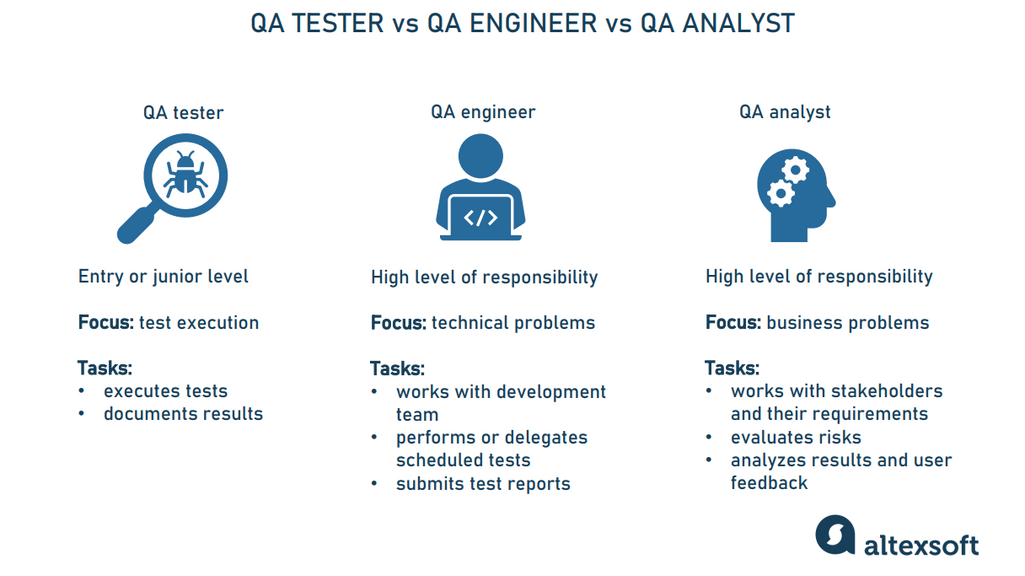
In the fast-paced ecosystem of software development, the role of a Quality Assurance (QA) Specialist stands as the primary guardian of product integrity. Often misunderstood as merely a “tester,” the modern QA Specialist is a multidisciplinary professional who sits at the intersection of product design, technical architecture, and user experience. They do not just hunt for bugs; they advocate for the end-user, ensuring that the software delivered is not only functional but resilient, scalable, and intuitive.
The Core Responsibilities of a QA Specialist
At its most fundamental level, the role of a QA Specialist is to prevent defects before they reach the production environment. While manual testing is part of the job, it represents only a fraction of the responsibilities required to manage high-quality software lifecycles.
Strategy and Planning
Before a single line of code is written, a QA Specialist is involved in the requirement gathering phase. They analyze user stories and technical specifications to identify potential edge cases or logical gaps. By asking “What happens if…?” early in the development cycle, they save companies thousands of dollars in technical debt that would otherwise accumulate if defects were discovered post-launch. This involves creating a comprehensive Test Plan, which outlines the scope, objectives, and resource allocation for the quality efforts.
The Art of Execution: Manual vs. Automated Testing
A seasoned QA Specialist knows how to balance manual and automated efforts. Manual testing is essential for exploratory testing, usability analysis, and scenarios where human intuition is required to determine if a feature “feels right.” However, to keep up with Agile and DevOps workflows, QA Specialists lean heavily into automation. They design and maintain test scripts that run automatically whenever new code is pushed to a repository. This continuous integration ensures that new features do not inadvertently break existing, stable functionality—a process known as regression testing.
Bug Lifecycle Management
When a defect is found, the QA Specialist serves as a communicator between the development and product teams. They document the steps to reproduce the issue, provide logs, and offer insights into the severity and priority of the fix. Their role is to provide developers with precise data, turning vague “the app crashed” reports into actionable technical tickets that facilitate quick resolution.
The Evolving Technical Toolkit
Modern QA is no longer a manual process performed in a silo; it is a highly technical discipline that requires familiarity with the software development stack. As applications shift toward microservices, cloud-native architectures, and AI-driven interfaces, the toolkit of a QA Specialist has expanded significantly.
Automation Frameworks and Coding
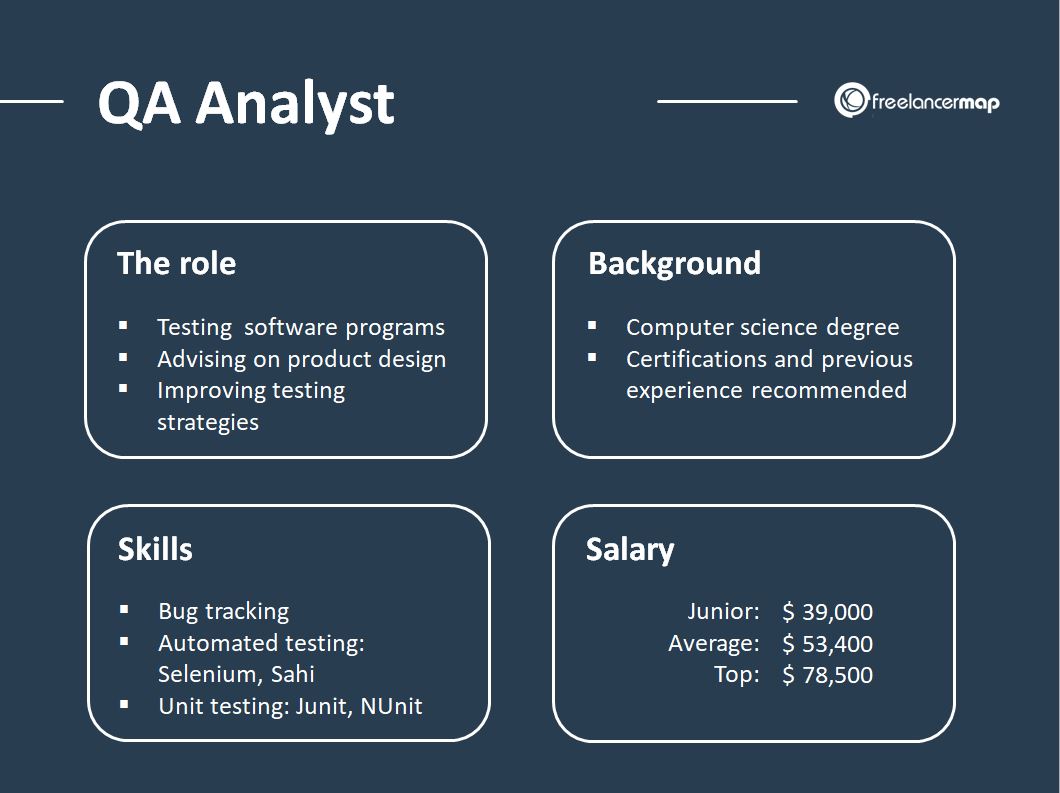
QA Specialists must be proficient in languages such as Java, Python, or JavaScript to write robust test automation. Familiarity with frameworks like Selenium, Cypress, Playwright, or Appium is standard. The goal is to build a “test suite” that is maintainable, fast, and reliable, preventing the “flaky test” phenomenon where scripts fail sporadically despite the code being sound.
CI/CD Integration
In a DevOps environment, QA is integrated into the Continuous Integration/Continuous Deployment (CI/CD) pipeline. QA Specialists often work with tools like Jenkins, GitLab CI, or GitHub Actions to ensure that tests run automatically upon every code commit. They are the gatekeepers of the “deploy” button; if the test suite fails, the pipeline halts, preventing defective code from reaching the user.
API and Performance Testing
Front-end functionality is only half the story. QA Specialists must also test the “plumbing” of the software—the APIs. Using tools like Postman or REST Assured, they ensure that data flows correctly between the backend servers and the frontend interface. Furthermore, they conduct load testing to ensure that systems remain stable under heavy traffic, simulating thousands of users to identify potential bottlenecks or crashes.

QA as a Guardian of User Experience
Beyond the technical hurdles, the QA Specialist acts as the final sanity check for the user experience (UX). Developers are often too close to the code to see how a feature might confuse an actual human being, and product managers are often focused on the roadmap. The QA Specialist brings an objective, critical eye to the interface.
Usability and Accessibility
Quality assurance includes accessibility testing, ensuring that applications meet standards like WCAG (Web Content Accessibility Guidelines). A QA Specialist verifies that software is usable for people with disabilities, including screen reader compatibility and keyboard navigation. This aspect of the role is increasingly critical, not only for ethical reasons but also for legal compliance and broader market reach.
Edge Case Discovery
Software is rarely used exactly as intended. Users will click buttons in rapid succession, attempt to upload files in incorrect formats, or lose their internet connection while mid-transaction. A QA Specialist thinks like an adversary, intentionally trying to “break” the software. By anticipating these unexpected user behaviors, they ensure that the application handles errors gracefully rather than suffering a catastrophic failure.
Feedback Loops
The feedback loop between the QA team and the business stakeholders is essential for product improvement. QA Specialists provide metrics on the stability of the product, identify features that are frequently prone to bugs, and suggest improvements to the development process. They are often the ones to sound the alarm if a release schedule is too aggressive, prioritizing quality over speed to protect the brand’s reputation.
The Future of the QA Specialist
As artificial intelligence begins to permeate the software development lifecycle, the role of the QA Specialist is undergoing a significant transformation. AI-driven testing tools are now able to “self-heal” test scripts when UI elements change, reducing the maintenance burden on testers.
Transitioning to Quality Engineering
We are witnessing a shift from “Quality Assurance” to “Quality Engineering.” This transition implies a shift in mindset: moving from verifying features to architecting quality into the system itself. A Quality Engineer collaborates closely with developers to suggest architectural changes that make the software more testable. They might push for decoupled services or better logging standards to facilitate easier debugging.
Embracing Data and AI
The future QA Specialist will rely heavily on data analytics. By monitoring production logs and using AI-based observability tools like Datadog or New Relic, they can identify trends in error rates and proactively address issues before users even report them. They become data analysts, using production traffic patterns to create more realistic test scenarios in development.
The Human Element
Despite the rise of AI, the human element of QA remains irreplaceable. AI can find bugs, but it struggles to understand intent, aesthetic quality, and the emotional resonance of a user interface. The ability to empathize with the user and advocate for a polished, seamless experience is a human skill that remains at the heart of the profession.
Conclusion
The role of a QA Specialist is a vital pillar of the technology industry. They are the technical investigators, the performance analysts, and the ultimate user advocates. By bridging the gap between raw code and refined, market-ready products, they ensure that the digital tools we rely on every day function as promised. Whether through writing complex automation scripts, conducting rigorous load tests, or meticulously auditing user flows, the QA Specialist’s work is the invisible force that prevents software from crumbling under pressure. As technology evolves, the role will only become more sophisticated, continuing to evolve from a testing function into a strategic role of Quality Engineering, essential to the success of any modern software business.
aViewFromTheCave is a participant in the Amazon Services LLC Associates Program, an affiliate advertising program designed to provide a means for sites to earn advertising fees by advertising and linking to Amazon.com. Amazon, the Amazon logo, AmazonSupply, and the AmazonSupply logo are trademarks of Amazon.com, Inc. or its affiliates. As an Amazon Associate we earn affiliate commissions from qualifying purchases.