
The sensation of turning a two-ton vehicle with the flick of a wrist is one of the most underappreciated marvels of modern engineering. At the heart of this effortless maneuverability lies the power steering pump—a component that has evolved from a simple mechanical hydraulic device into a sophisticated intersection of fluid dynamics and electronic control. To understand what a power steering pump does is to explore the evolution of automotive technology, from the era of brute physical force to the current age of digital precision and driver assistance.

The Mechanics of Fluid Dynamics: How Traditional Hydraulic Systems Operate
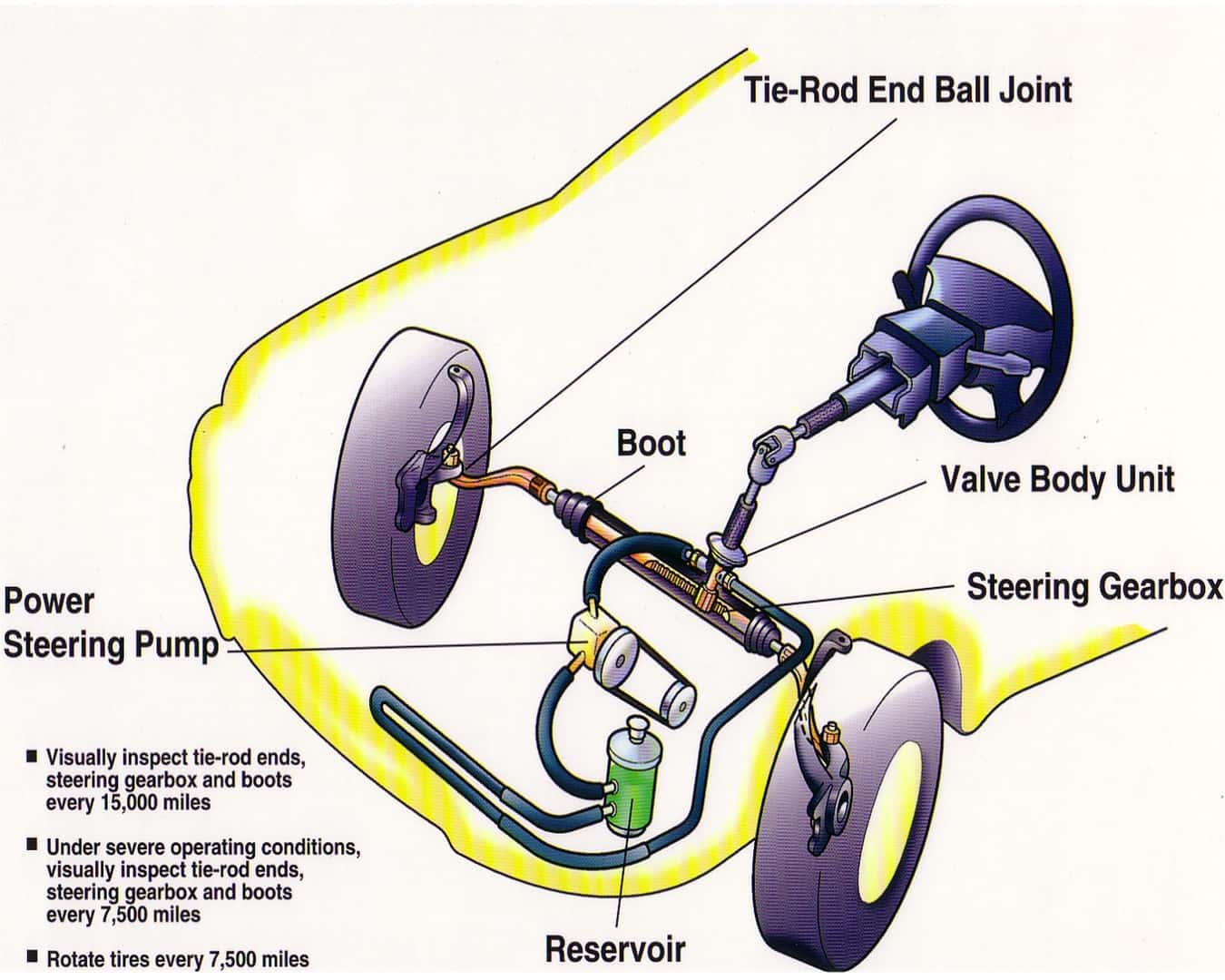
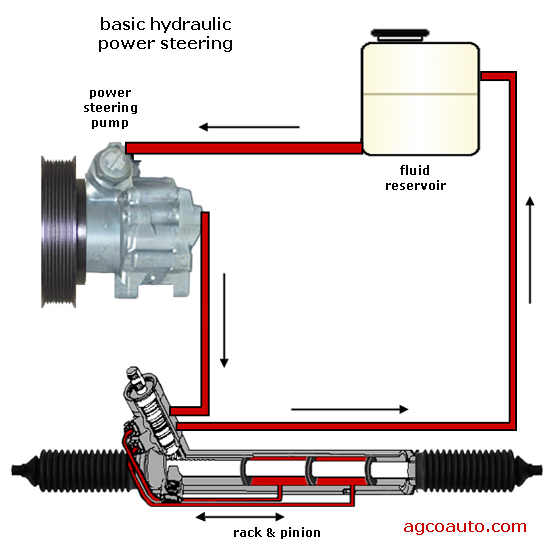
Before the digital revolution transformed the dashboard, the power steering pump was the undisputed heart of the steering system. In a traditional internal combustion engine setup, the pump is a belt-driven component that converts mechanical energy from the engine’s crankshaft into hydraulic pressure. This pressure is the “magic” that allows a driver to overcome the massive friction between the tires and the pavement.
The Hydraulic Pump: The Heart of the System
The most common type of hydraulic power steering pump is the rotary vane pump. As the engine runs, it spins the pump’s internal rotor. Centrifugal force pushes vanes outward against a cam ring, creating chambers of varying volumes. As fluid (power steering fluid) enters these chambers, it is pressurized and forced through the outlet toward the steering gear. This constant flow ensures that the moment a driver initiates a turn, the system is primed with the necessary force to assist the movement.
Pressure and Feedback Loops
The “tech” within a hydraulic pump isn’t just about creating pressure; it’s about managing it. A critical component is the pressure-relief valve. Without it, the pump would generate excessive pressure at high engine speeds, potentially blowing out seals or making the steering dangerously sensitive. The engineering challenge lies in creating a feedback loop where the pump provides maximum assistance during low-speed maneuvers (like parallel parking) and tapers off that assistance at high speeds to provide the driver with better “road feel” and stability.
From Mechanical to Digital: The Evolution into Electronic Power Steering (EPS)
In the last decade, the automotive industry has undergone a massive technological shift. The traditional hydraulic power steering pump is increasingly being replaced by Electric Power Steering (EPS). This transition represents a move from heavy, fluid-based systems to lightweight, software-driven hardware. In this context, the “pump” is no longer a mechanical rotor but a high-torque electric motor managed by a dedicated Electronic Control Unit (ECU).
The Rise of the Electric Motor
EPS systems eliminate the need for a belt-driven pump, hoses, and hydraulic fluid. Instead, an electric motor is attached either to the steering column or the steering rack. This motor acts as the modern “pump,” providing the torque necessary to turn the wheels. Because the motor only draws power when the steering wheel is actually being turned, it significantly reduces the parasitic load on the engine. For tech enthusiasts, this is a prime example of hardware optimization: reducing mechanical complexity while increasing functional efficiency.
Software Integration and ECU Logic
The true power of modern steering technology lies in the software. An EPS system uses sensors to monitor the driver’s torque input, steering wheel position, and vehicle speed. This data is processed by the ECU hundreds of times per second. The “logic” of the steering can then be adjusted on the fly. For instance, in “Sport Mode,” the software can reduce motor assistance to make the steering feel heavier and more connected to the road. Conversely, in “Comfort Mode,” it can increase assistance for effortless city driving. This level of customization was impossible with purely hydraulic pumps.
Performance Optimization: Why Modern Steering Tech Matters for Vehicle Dynamics
The role of the power steering pump—whether hydraulic or electric—extends far beyond mere comfort. It is a critical component in the overall efficiency and safety profile of the modern vehicle. By optimizing how power is delivered to the steering rack, manufacturers can achieve goals that were previously at odds with one another: fuel economy and high-performance handling.
Fuel Efficiency and Parasitic Loss
In the tech world, efficiency is king. Traditional hydraulic pumps are “always on,” meaning they sap energy from the engine even when the car is driving in a straight line. This results in parasitic power loss. By switching to electric systems (EPS), car manufacturers can improve fuel efficiency by approximately 2% to 3%. In an era of stringent emissions standards and the push for longer-range Electric Vehicles (EVs), the removal of the mechanical pump is a vital technological milestone.
Variable Assist and Speed Sensitivity
Modern steering tech utilizes variable-ratio gearing and speed-sensitive assistance. At high speeds, the “pump” (or motor) provides minimal aid, ensuring the car doesn’t feel twitchy or unstable. At low speeds, the tech provides maximum torque. Advanced systems now include “Active Return,” where the software helps the steering wheel snap back to the center position after a turn, and “Pull Compensation,” which uses sensors to detect if the car is drifting due to a slanted road or crosswinds and subtly adjusts the steering to keep the vehicle straight without driver intervention.
The Future of Steering: Steer-by-Wire and Autonomous Integration
As we look toward the future of automotive technology, the concept of a physical “pump” or even a mechanical connection between the steering wheel and the tires is dissolving. We are entering the era of Steer-by-Wire (SbW), the ultimate digital transformation of vehicle control.
Steer-by-Wire: The Ultimate Digital Transformation
In a Steer-by-Wire system, the mechanical steering column is removed entirely. When the driver turns the wheel, they are essentially interacting with a high-fidelity gaming peripheral. Sensors send a digital signal to an actuator on the wheels. This allows for unprecedented design flexibility; for example, the steering wheel could be moved from left to right or even retracted during autonomous driving modes. The “pump” in this scenario is a dual-redundant motor system designed with the same fail-safe protocols used in aviation technology.
ADAS and Autonomous Integration
The evolution of steering tech is the bedrock of Advanced Driver Assistance Systems (ADAS). Features like Lane Keep Assist (LKA), Automated Emergency Steering, and Self-Parking are only possible because the steering “pump” is now a digitally controlled motor. The car’s onboard AI can “talk” directly to the steering motor to make micro-adjustments that prevent accidents. Without this transition from hydraulic fluid to digital signals, the dream of fully autonomous transport would be physically impossible to implement.
Maintaining the Edge: Diagnostic Sensors and IoT
In the realm of modern tech, maintenance has shifted from “guesswork” to “data-work.” Traditional pumps often failed silently until they began to groan or leak. Modern steering systems, however, are integrated into the vehicle’s On-Board Diagnostics (OBD-II) and, increasingly, the Internet of Things (IoT).
Predictive Maintenance and Real-Time Monitoring
Current steering modules monitor temperature, current draw, and vibration. If an electric motor (the modern pump) begins to operate outside of its calibrated parameters, the system can trigger a warning light before a failure occurs. In fleet management and high-end consumer vehicles, this data can be sent via telematics to the manufacturer or the owner’s smartphone. This shift toward predictive maintenance ensures that the technology remains reliable over the lifespan of the vehicle.
The Intersection of Hardware and Security
As steering becomes increasingly software-dependent, digital security has become a new frontier for automotive engineers. Ensuring that the “digital pump” cannot be intercepted or manipulated by external hacks is a priority. Modern steering ECUs utilize encrypted communication buses (like CAN FD) to ensure that only authorized commands from the car’s central processor can influence the direction of the wheels.
Conclusion: The Quiet Revolution
What does a power steering pump do? It bridges the gap between human intent and mechanical action. While it began as a simple hydraulic aid, it has transformed into a centerpiece of automotive technology. Whether it is a hydraulic vane pump in a classic sports car or a sophisticated EPS motor in a modern EV, this component is responsible for the precision, safety, and efficiency of the driving experience. As we move toward a future of steer-by-wire and full autonomy, the “pump” will continue to be the silent partner in our journey, proving that even the most fundamental mechanical tasks can be revolutionized by the power of modern technology.
aViewFromTheCave is a participant in the Amazon Services LLC Associates Program, an affiliate advertising program designed to provide a means for sites to earn advertising fees by advertising and linking to Amazon.com. Amazon, the Amazon logo, AmazonSupply, and the AmazonSupply logo are trademarks of Amazon.com, Inc. or its affiliates. As an Amazon Associate we earn affiliate commissions from qualifying purchases.