
When you stand at the butcher counter or peer through the plastic wrap in the refrigerated aisle, a pound of ground beef looks like a modest, brick-sized portion of protein. It is roughly the size of a standard thick paperback novel or two decks of playing cards pushed together. To the home cook, it represents a meal for a family of four. However, to the economist and the financially savvy consumer, that pound of beef looks like something else entirely: a fluctuating data point in the Consumer Price Index (CPI) and a vivid illustration of how purchasing power shifts in real-time.
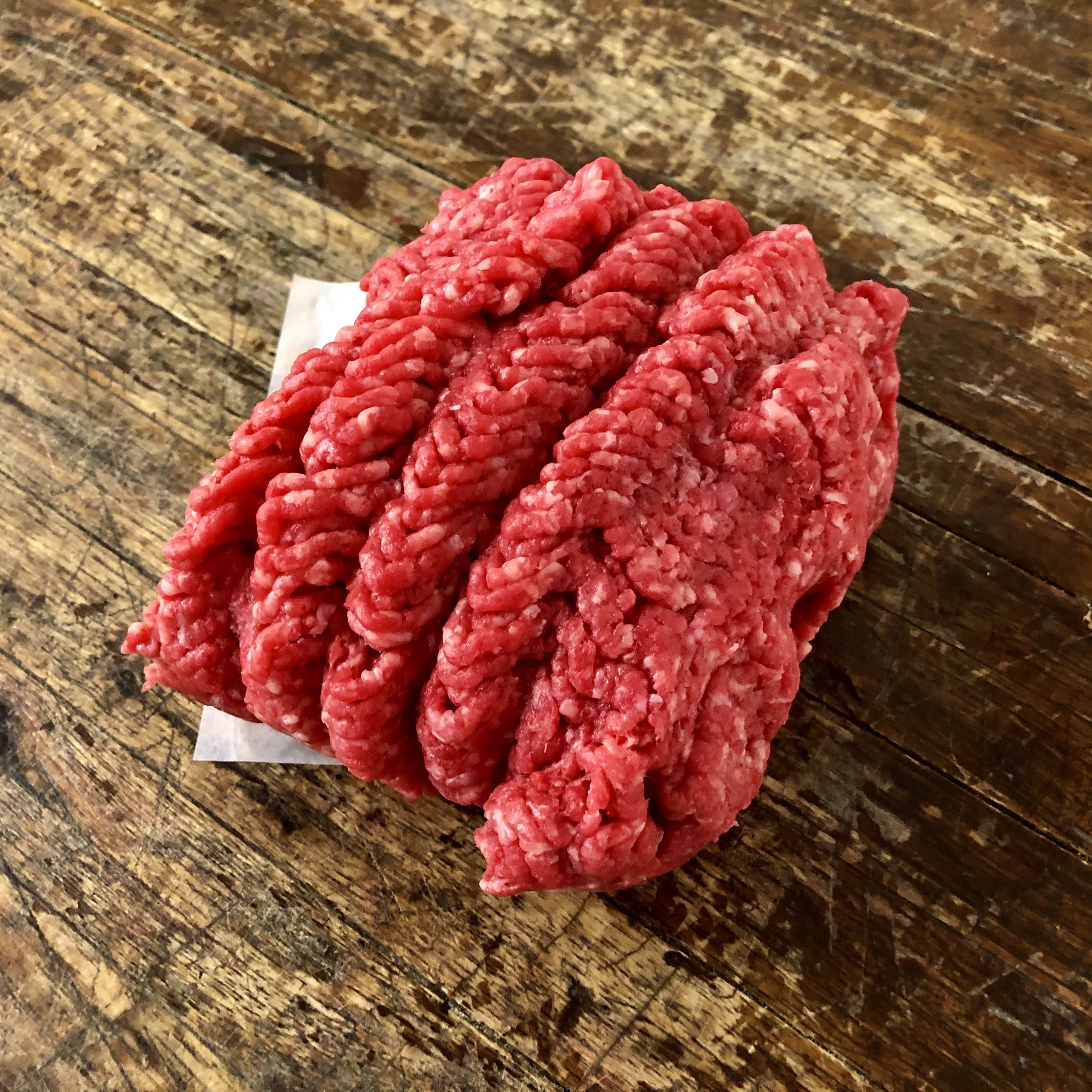
Understanding what a pound of ground beef “looks like” requires us to look beyond the physical mass and into the financial mechanics that bring it to the shelf. In the current economic climate, that pound of beef is a mirror reflecting inflation, supply chain complexity, and the strategic decisions required to maintain a balanced personal budget.
The Ground Beef Index: A Micro-Lens on Macroeconomics
In the world of finance, we often look at complex indicators like the S&P 500 or Treasury yields to gauge the health of the economy. Yet, for the average household, the most relatable metric is found in the grocery cart. Ground beef serves as a foundational commodity because it is a staple for millions, making it an ideal candidate for tracking the “purchasing power of the dollar.”
Why Ground Beef is the Perfect Inflation Indicator
Ground beef is uniquely positioned as an economic barometer. Unlike luxury goods, which see volatile demand, or highly processed snacks, which have complex proprietary pricing, ground beef is a relatively raw commodity. Its price is sensitive to the cost of grain (feed), the price of fuel (transportation), and the availability of labor (processing). When the price of a pound of ground beef rises, it is rarely an isolated incident; it is a signal that the underlying costs of production across the entire economy are shifting. If your “visual” of a pound of beef remains the same, but the digital readout on the scale shows a 15% price increase year-over-year, you are witnessing inflation in its most visceral form.
Tracking the Price per Pound: Then vs. Now
To understand the financial silhouette of this commodity, we must look at historical context. A decade ago, five dollars might have comfortably purchased nearly two pounds of high-quality ground chuck. Today, in many urban markets, that same five dollars may not even cover a single pound of 80/20 lean beef. This erosion of value changes the “look” of a grocery budget. Financial planning now requires more than just listing items; it requires a dynamic understanding of commodity cycles. For the investor or the budget-conscious professional, a pound of beef is a lesson in “real value”—the amount of goods a fixed sum of money can acquire over time.
The Hidden Costs Behind the Counter
When you look at that pound of beef, you aren’t just looking at meat; you are looking at a culmination of capital expenditures. The price tag attached to that physical mass is a breakdown of several distinct economic sectors, each with its own profit margins and risks.
Supply Chain Volatility and Commodity Pricing
The journey of beef from the ranch to the retail display is capital-intensive. It begins with the price of corn and soy, which are the primary inputs for cattle. These are traded on the commodities market, influenced by global weather patterns, geopolitical stability, and trade agreements. When an investor looks at a pound of beef, they see the “input-output” ratio. If a drought in the Midwest drives up grain prices, the cost of finishing a steer increases, which eventually manifests as a higher price per pound at the supermarket. This transparency—or lack thereof—in pricing is a critical component of understanding business finance.
Labor, Logistics, and the Retail Markup
Beyond the farm gate, a significant portion of what a pound of beef “looks like” is determined by the “middleman.” This includes the massive processing plants that turn livestock into retail-ready cuts, the logistics firms that operate refrigerated trucks (sensitive to diesel prices), and the retail stores that must account for overhead, electricity, and labor. In a high-inflation environment, these operational costs often rise faster than the price of the raw commodity itself. Retailers may practice “price smoothing,” where they absorb some costs to keep customers coming back, or they may pass them on immediately to protect their margins. Understanding this flow of money helps a consumer realize they are paying for a massive infrastructure, not just a protein source.
The Psychology of Value: Perception vs. Price
In finance and marketing, perception is often as important as reality. How a pound of ground beef is presented can significantly alter its perceived value, influencing how much a consumer is willing to “invest” in that particular meal.
Shrinkflation and the Illusion of Abundance
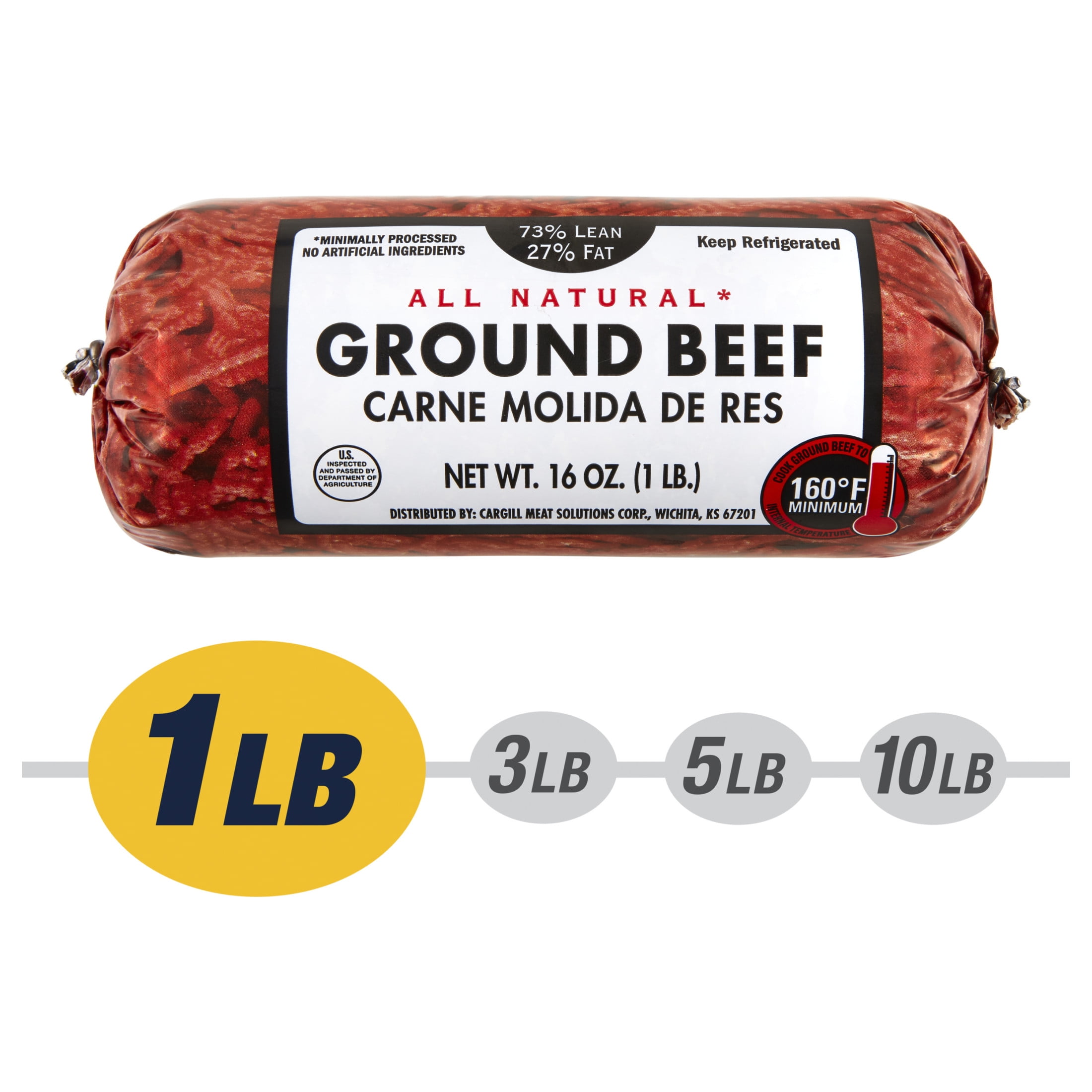
One of the most insidious ways the “look” of a pound of beef changes is through packaging. While a pound is a fixed unit of weight (16 ounces), the way it is displayed can vary. “Shrinkflation” usually affects packaged goods—a 16-ounce bag of chips becoming 14 ounces—but in the meat department, it manifests as different fat ratios. A pound of 73/27 ground beef (73% lean, 27% fat) looks significantly different after cooking than a pound of 93/7 lean beef. Financially, the “yield” is what matters. The cheaper, fattier meat might “look” like a better deal at the register, but once the fat is rendered off, the actual cost per edible ounce may be higher than the premium lean version. Smart money management requires calculating the price per rendered ounce, not just the raw weight.
Comparative Advantage: Ground Beef vs. Alternative Proteins
From a personal finance perspective, a pound of ground beef is often compared to other “assets” in the grocery store. When the price of beef spikes, consumers often pivot to “substitute goods”—a fundamental concept in microeconomics. If ground turkey or plant-based proteins offer a lower price point for the same nutritional “ROI” (return on investment), the demand for beef drops. This elasticity of demand is why ground beef is so vital for retail strategy; it acts as a “loss leader” or a high-traffic item that dictates where a consumer will spend the rest of their paycheck.
Maximizing the Value of Every Ounce
Once we recognize that a pound of ground beef is a financial asset within our household economy, we can apply business principles to manage it more effectively.
Bulk Purchasing and Cold Storage ROI
In the world of corporate finance, “economies of scale” allow large companies to lower their per-unit costs. Individual consumers can replicate this by purchasing beef in bulk. Buying a “half-cow” or large 10-pound “chubs” of ground beef significantly reduces the price per pound compared to buying individual 1-pound trays. However, this requires an initial capital investment (a chest freezer) and an understanding of depreciation and shelf life. For a family, the “ROI” on a $300 freezer can be realized in less than a year through the savings generated by bulk meat purchases. This is a classic example of spending money to save money—a core tenet of long-term wealth building.

Strategic Budgeting for Rising Food Costs
Finally, navigating the cost of living requires a proactive rather than reactive approach. If a pound of ground beef looks more expensive this month than last, it may be time to audit your “discretionary spending” or look for “side hustles” to bridge the gap. In a professional financial plan, food is often a variable expense that can be optimized. By tracking the price of staples like ground beef, you gain an early warning system for your overall budget. It allows you to adjust your savings rate or investment contributions before a minor price hike becomes a major financial crisis.
In conclusion, a pound of ground beef looks like a 16-ounce portion of red meat, but its true identity is much more complex. It is a tangible representation of your labor, your purchasing power, and the efficiency of the global economy. By viewing it through a financial lens, you can move beyond the “sticker shock” at the grocery store and begin making data-driven decisions that protect your bottom line. Whether you are an investor watching commodity futures or a household manager balancing the monthly ledger, the way you look at a pound of beef says everything about your financial literacy.
aViewFromTheCave is a participant in the Amazon Services LLC Associates Program, an affiliate advertising program designed to provide a means for sites to earn advertising fees by advertising and linking to Amazon.com. Amazon, the Amazon logo, AmazonSupply, and the AmazonSupply logo are trademarks of Amazon.com, Inc. or its affiliates. As an Amazon Associate we earn affiliate commissions from qualifying purchases.