
Polarizing filters, often simply called “polarizers,” are ubiquitous yet often misunderstood tools within the realm of photography and videography. While their purpose might seem straightforward – to reduce glare and enhance contrast – their underlying technology and diverse applications are far more sophisticated. In the digital age, where image quality is paramount for everything from professional portfolios to social media engagement, understanding how a polarizing filter works and how to wield it effectively can dramatically elevate your visual output. This article delves into the scientific principles behind polarizing filters and explores their practical applications, demonstrating why they remain an indispensable piece of gear for any serious visual creator.
The Science of Light and Polarization
To truly grasp what a polarizing filter does, we must first understand the nature of light itself. Light is an electromagnetic wave that oscillates in various directions perpendicular to its direction of travel. When light is emitted from a source like the sun or a lamp, it vibrates in all possible planes. However, when light interacts with surfaces, such as water, glass, or even the atmosphere, it can become polarized.
Understanding Light Waves
Imagine a rope being shaken up and down. This represents light vibrating in a single plane. Now, imagine shaking that rope in multiple directions simultaneously – horizontally, diagonally, and vertically. This chaotic, multi-directional vibration is akin to unpolarized light. Light travels as transverse waves, meaning the oscillation of the electromagnetic field is perpendicular to the direction the light wave is traveling. These oscillations occur in all planes around the direction of propagation.
The Phenomenon of Polarization
Polarization occurs when light waves are filtered so that their oscillations are confined to a single plane. This can happen through several mechanisms, including reflection, scattering, and transmission through polarizing materials.
- Reflection: When light strikes a non-metallic surface like water or glass at an angle, the reflected light becomes partially or fully polarized, with the electric field oscillations predominantly parallel to the reflective surface. This is why glare from a wet road or a lake is often polarized.
- Scattering: When sunlight interacts with particles in the atmosphere (like air molecules), it scatters. This scattered light is also polarized. The blue color of the sky is a result of Rayleigh scattering, and this scattered light is polarized.
- Transmission: Certain materials have a molecular structure that allows them to selectively transmit light waves oscillating in one plane while absorbing or reflecting those oscillating in other planes. These are polarizing filters.
How Polarizing Filters Work
A polarizing filter is essentially a grid of long, chain-like molecules aligned in a specific direction. This molecular alignment acts like a series of tiny parallel slots. When unpolarized light encounters the filter, only the light waves oscillating in the same direction as the molecular alignment can pass through. All other light waves are either absorbed or reflected. The direction of this alignment is known as the “transmission axis” of the filter.
By rotating the polarizing filter, you can control the amount of polarized light that passes through. If the transmission axis of the polarizer is aligned with the plane of polarization of the incoming light, maximum light will pass. If it’s aligned perpendicular to the plane of polarization, minimal or no light will pass. This ability to selectively block or allow light based on its polarization is the fundamental principle behind the effects we observe when using a polarizing filter.
Practical Applications in Photography and Videography
The ability to control polarized light translates into a host of practical benefits for photographers and videographers. These filters are not merely aesthetic enhancements; they are powerful tools for correcting optical issues and revealing details that would otherwise be lost.
Reducing Glare and Reflections
One of the most immediate and noticeable effects of a polarizing filter is its ability to cut through glare and reflections. This is particularly effective when dealing with non-metallic surfaces.
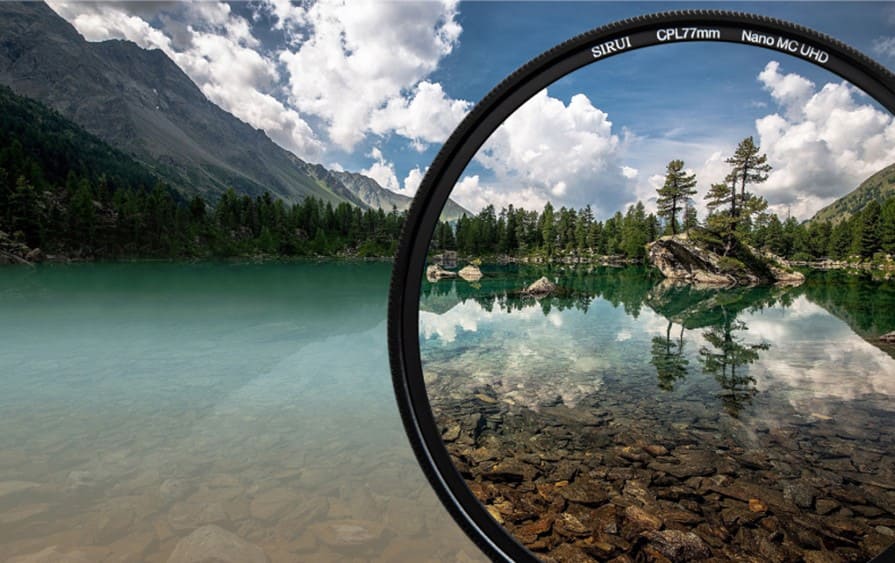
- Water Bodies: When photographing lakes, rivers, or the ocean, the surface often reflects the sky and surrounding environment, obscuring the details below. A polarizing filter, when rotated correctly, can significantly reduce this surface reflection, allowing you to see into the water, revealing submerged rocks, aquatic life, or the seabed. This is invaluable for landscape and underwater photographers.
- Glass and Windows: Reflections from windows can be a major nuisance when trying to photograph interiors from the outside or objects behind glass. A polarizer can help minimize these unwanted reflections, making it easier to capture the scene beyond the glass.
- Foliage and Wet Surfaces: Water droplets on leaves or wet pavement can create distracting highlights. A polarizer can tame these specular reflections, making colors appear richer and the overall scene more balanced.
Enhancing Color Saturation and Contrast
Beyond simply reducing glare, polarizing filters can also have a profound impact on the perceived color and contrast of an image.
- Deepening Blue Skies: One of the most celebrated uses of a polarizing filter is its ability to enhance the saturation and depth of blue skies. When the filter is oriented correctly, it blocks horizontally polarized light scattered by atmospheric particles. This scattered light is most pronounced at 90 degrees from the sun. By reducing this scattered light, the blue of the sky appears richer, deeper, and more vibrant. This also helps to make white clouds stand out more dramatically against the darkened sky.
- Boosting Color Saturation: By reducing scattered light and reflections, a polarizing filter effectively increases the amount of direct, unadulterated light reaching the sensor. This direct light carries the true colors of the subject. Consequently, colors often appear more saturated and vivid, especially greens in foliage and blues in water or sky.
- Improving Contrast: The reduction of haze and atmospheric scattering contributes to an overall increase in contrast. This results in sharper details and a more three-dimensional look to the image, with better separation between tones.
Specific Scenarios and Creative Control
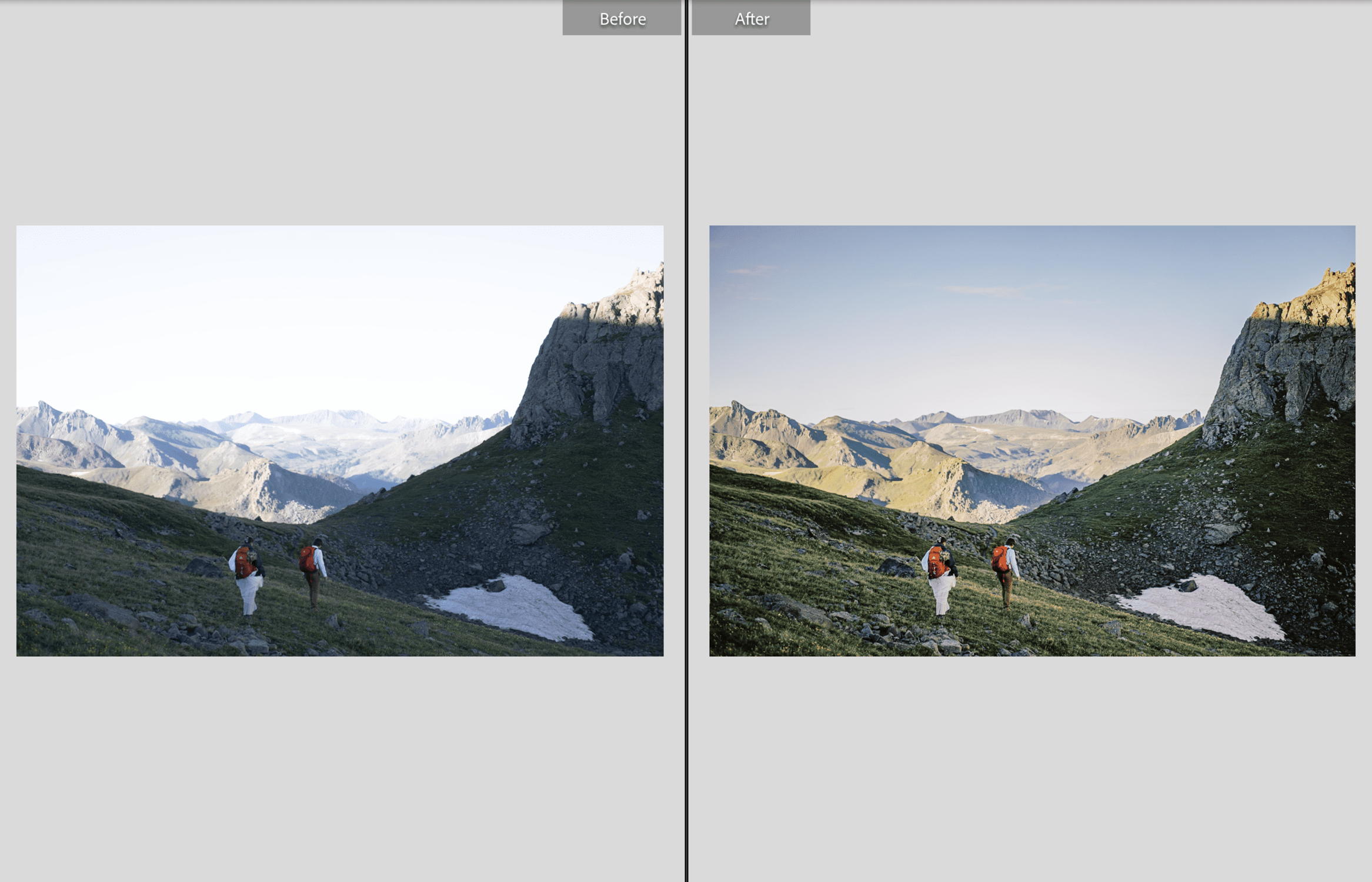
The versatility of polarizing filters extends to a variety of specific photographic and videographic scenarios, offering creative control that can dramatically alter the mood and impact of an image.
- Landscape Photography: For landscape photographers, a polarizer is almost a non-negotiable tool. Its ability to deepen skies, enhance foliage colors, and reduce reflections from water and wet surfaces makes it indispensable for creating visually striking scenes.
- Portraiture: While less commonly used for portraits, a polarizer can be beneficial for controlling harsh reflections on skin or glasses, leading to more pleasing and natural-looking portraits. It can also help to enhance the colors of clothing or backgrounds.
- Architecture: In architectural photography, a polarizer can be used to minimize reflections from windows and metallic surfaces, allowing for cleaner shots of buildings and structures. It can also help to cut through haze, revealing distant details.
- Videography: For videographers, polarizing filters are crucial for controlling reflections on water, glass, and other shiny surfaces, ensuring that the desired subject is visible. They are also used to achieve a more cinematic look by allowing the cinematographer to control the amount of light entering the lens, which is especially important when shooting at wider apertures or slower shutter speeds in bright conditions.
Types of Polarizing Filters
While the fundamental principle of polarization remains the same, there are different types of polarizing filters available, each with its own characteristics and optimal uses. Understanding these distinctions is key to selecting the right filter for your needs.
Linear vs. Circular Polarizers
The primary distinction lies between linear and circular polarizing filters.
- Linear Polarizers: These are the original type of polarizing filters. They work by selectively blocking light waves that vibrate in a specific plane. However, they can interfere with the autofocus and metering systems of modern DSLRs and mirrorless cameras, which often use polarized light to function correctly. If you are using a camera with a through-the-lens (TTL) metering or autofocus system, a linear polarizer can cause inaccurate readings and focusing errors.
- Circular Polarizers (CPL): These are the most common type of polarizing filters used today. A circular polarizer is essentially a linear polarizer combined with a quarter-wave plate. The quarter-wave plate scrambles the polarized light from the linear polarizer, creating circularly polarized light. This circularly polarized light is then transmitted to the camera’s sensor. The effect is that circular polarizers do not interfere with the camera’s autofocus and metering systems, making them compatible with virtually all modern digital cameras. For most photographers and videographers, a circular polarizer is the recommended choice.
How to Choose and Use a Polarizer
Selecting the right polarizer and using it effectively involves a few key considerations.
- Filter Thread Size: Polarizers are available in various thread sizes to fit different lens diameters. It’s crucial to match the filter’s thread size to your lens. You can often use step-up or step-down rings to adapt a larger filter to a smaller lens, but it’s generally best to get filters that match your most frequently used lens sizes.
- Filter Quality: The quality of the glass and coatings on a polarizing filter significantly impacts image quality. Cheaper filters can introduce color casts, reduce sharpness, and exhibit internal reflections. Investing in reputable brands known for their high-quality optical glass and multi-coatings is essential for maintaining image fidelity.
- Rotation and Effect: The key to using a polarizing filter effectively is its rotation. Most polarizers are designed to be rotated. As you rotate the filter while looking through the viewfinder or at the live view screen, you will observe the effects on glare and color saturation changing. The strongest effect of reducing reflections from horizontal surfaces (like water) and deepening the blue of the sky is typically achieved when the filter is oriented at approximately 45 degrees relative to the light source (e.g., the sun). Experimentation is key to finding the optimal position for each shot.
- Camera Settings: While circular polarizers don’t interfere with autofocus and metering, it’s still good practice to recompose your shot after adjusting the filter to ensure that your focus and exposure are still accurate. Additionally, be mindful of the fact that polarizing filters do reduce the amount of light entering the lens by one to two stops. You will need to compensate for this loss of light by adjusting your aperture, shutter speed, or ISO accordingly.
Beyond the Basics: Advanced Considerations
While the core functionality of a polarizing filter is straightforward, experienced professionals often employ them with a deeper understanding of their nuances and limitations, unlocking even greater creative potential.
The “Darkening Sky” Effect and Wide-Angle Lenses
One of the more complex aspects of using polarizing filters, particularly with wide-angle lenses, is the uneven darkening of the sky. This phenomenon occurs because wide-angle lenses capture a much broader field of view, which can include areas of the sky that are at significantly different angles relative to the sun.
- The Cause: As mentioned, polarization of skylight is strongest at 90 degrees from the sun. When a wide-angle lens captures a large portion of the sky, it might include areas that are both close to and far from this 90-degree angle. This leads to a differential reduction of light across the sky, resulting in a patchy or uneven darkening, often with a dark band directly overhead.
- Mitigation Strategies:
- Avoid the Sun: Try to position yourself so that the sun is not directly in front of or behind you. Orienting yourself so the sun is to your side can help create a more uniform effect.
- Graduated Neutral Density (GND) Filters: For situations where you need to balance a bright sky with a darker foreground, graduated neutral density filters are often a better solution. These filters are clear at the bottom and gradually become darker towards the top, allowing for a controlled darkening of specific areas of the scene without the patchy effect of a polarizer on wide-angle shots.
- Post-Processing: In many cases, the uneven sky effect can be corrected in post-processing using tools like gradient filters in Adobe Lightroom or Photoshop.
- Lens Choice: If a perfectly uniform sky is critical, using a longer focal length lens (which captures a narrower field of view) can help minimize this issue.
Polarizers and Specific Lighting Conditions
The effectiveness and impact of a polarizing filter can vary significantly depending on the lighting conditions and the subject matter.
- Overcast Skies: On a completely overcast day, there is very little polarized light, so a polarizing filter will have minimal to no effect on the sky or colors. In fact, it will primarily just reduce the overall light entering the lens.
- Backlighting: When shooting directly into the sun (backlighting), the polarizing effect will be less pronounced or different. The strongest polarizing effect for reflections from horizontal surfaces is achieved when the filter is at approximately a 45-degree angle to the sun. In direct backlighting, you are not typically looking for this type of reflection control.
- Artificial Light: While polarizers are primarily used for natural light, they can also be used to control reflections from certain artificial light sources, such as fluorescent lights, which can emit polarized light.
The Aesthetic Impact: Subtle vs. Dramatic
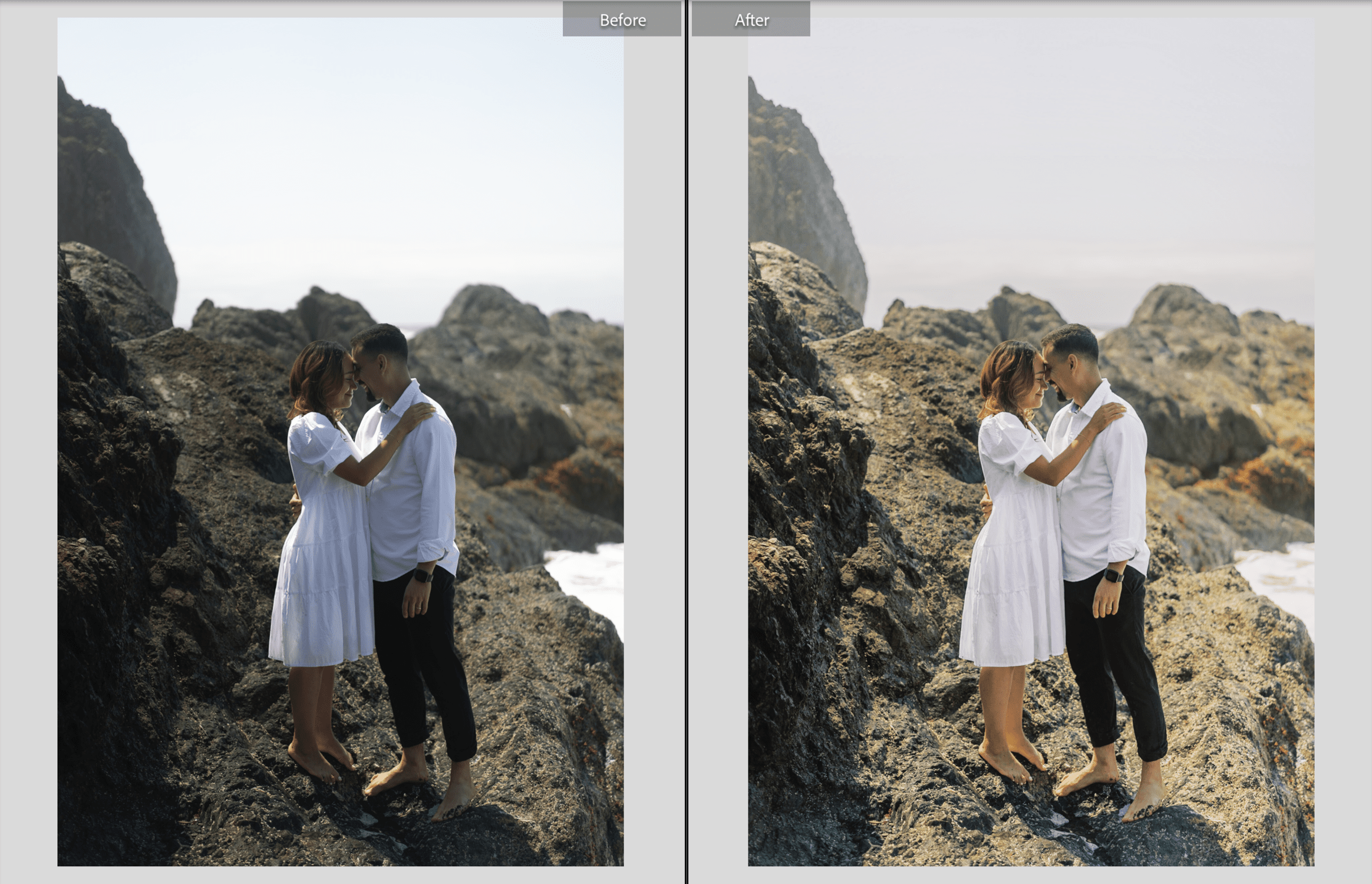
The way a polarizing filter is used can lead to either subtle enhancements or dramatic transformations of an image.
- Subtle Enhancements: For a natural look, a photographer might only rotate the polarizer to achieve a slight reduction in glare and a gentle boost in color saturation. This can add a touch of polish without making the image appear artificial.
- Dramatic Effects: Conversely, by aggressively rotating the polarizer, one can achieve intensely saturated colors and a deeply darkened sky, creating a highly dramatic and impactful image. This is often employed in landscape and fine art photography to evoke a specific mood.
In conclusion, a polarizing filter is far more than just a simple glass disc. It is a sophisticated optical tool that manipulates the very nature of light. By understanding the science of polarization and the practical applications of these filters, photographers and videographers can gain a powerful level of control over their images, transforming ordinary scenes into extraordinary visual narratives. Whether reducing distracting reflections, deepening the drama of a sky, or simply enhancing the vibrancy of colors, the polarizing filter remains a cornerstone of creative image-making.
aViewFromTheCave is a participant in the Amazon Services LLC Associates Program, an affiliate advertising program designed to provide a means for sites to earn advertising fees by advertising and linking to Amazon.com. Amazon, the Amazon logo, AmazonSupply, and the AmazonSupply logo are trademarks of Amazon.com, Inc. or its affiliates. As an Amazon Associate we earn affiliate commissions from qualifying purchases.