
Pizza stones, those unassuming slabs of ceramic, cordierite, or even cast iron, are often seen as a mystical tool for home pizza chefs. The fervent whispers of “crispier crust” and “restaurant-quality results” surround them, promising a transformation of your oven-baked pies. But beyond the alluring promises, what is the fundamental science and engineering behind a pizza stone’s effectiveness? This article delves into the technological principles that empower a pizza stone to elevate your homemade pizza from ordinary to extraordinary, focusing on the how and why of its function from a Tech perspective. We will explore its role in heat transfer, moisture management, and the overall impact on cooking dynamics, all within the realm of culinary technology.

The Science of Heat Transfer: Conduction, Convection, and Radiation in Pizza Baking
At its core, a pizza stone operates by fundamentally altering the way heat is transferred to your pizza dough. Understanding these heat transfer mechanisms is key to appreciating the technological advantage a pizza stone provides. While a standard baking sheet or pizza pan offers a single point of contact and a more insulated cooking surface, a pizza stone acts as a thermal battery, absorbing and radiating heat with remarkable efficiency.
Harnessing Conduction for Instantaneous Heat Transfer
Conduction is the transfer of heat through direct contact. When you place your pizza onto a preheated pizza stone, the stone’s surface is significantly hotter than the ambient air within your oven. This high surface temperature allows for rapid and efficient heat transfer directly to the bottom of the pizza dough.
- The Role of Material Properties: The materials used in pizza stones (e.g., cordierite, ceramic, composite materials) are chosen for their excellent thermal conductivity and heat retention capabilities. Unlike a metal baking sheet, which can quickly lose heat as moisture evaporates from the dough, a pizza stone’s dense structure absorbs and holds a substantial amount of thermal energy. This means that the moment the dough hits the stone, a powerful thermal shock occurs, initiating the cooking process at the base.
- Maximizing Surface Contact: The flat, porous surface of the pizza stone ensures maximum contact with the pizza’s crust. This broad contact area is crucial for even heat distribution. A metal pan, especially a thinner one, can sometimes develop hot spots due to uneven heating from the oven element, leading to localized burning or undercooked areas. The stone, when properly preheated, provides a uniform thermal embrace to the entire base of the pizza.
- The “Oven Spring” Effect: The rapid heat transfer from the stone is instrumental in achieving what is known as “oven spring.” This is the rapid expansion of the dough that occurs in the initial stages of baking, driven by the yeast producing gases. The intense heat from the stone causes the water in the dough to vaporize quickly, creating steam that pushes the dough upwards and outwards, resulting in a lighter, airier crust.
The Power of Radiated Heat: Surrounding the Pizza with Energy
While conduction plays a vital role in the crust’s foundation, radiated heat is equally important for the overall cooking of the pizza. Ovens, by their nature, generate heat through radiation from heating elements. A pizza stone enhances this process.
- Accumulating and Emitting Thermal Energy: Once heated, the pizza stone itself becomes a radiant heat emitter. Its large surface area, particularly its upper surface, radiates heat upwards towards the toppings and the upper crust. This is analogous to the experience of standing near a bonfire; you feel the heat radiating outwards.
- Mimicking a Pizza Oven: Professional pizza ovens, often lined with refractory materials, are masters of radiant heat. They absorb immense heat and then radiate it back onto the pizza, cooking it quickly and evenly from all sides. A preheated pizza stone, within the confines of a home oven, effectively replicates this radiant heat environment for the base of the pizza.
- Even Cooking of Toppings: The upward radiation from the stone helps to cook the toppings more effectively. Instead of relying solely on convection (hot air circulating), the radiant heat contributes to browning and caramelization of ingredients, adding depth of flavor and improved texture. This is particularly beneficial for elements like cheese, which needs to melt and brown beautifully.
The Unseen Hero: Moisture Management for a Crispy Crust
One of the most significant technological contributions of a pizza stone lies in its ability to manage moisture. Water, while essential for dough development, can be the enemy of a crispy pizza crust.
- Porous Structure and Absorption: Most pizza stones are made from porous materials. This porosity allows the stone to absorb excess moisture from the bottom of the pizza dough during the initial cooking phase. As the dough heats up, the water within it begins to turn into steam. Instead of this steam lingering and making the crust soggy, the porous stone wicks it away.
- Preventing the “Steamed” Crust: Without a pizza stone, especially when baking on a solid, non-porous surface like a baking sheet, the moisture released from the dough has nowhere to go. It can get trapped between the dough and the pan, leading to a pale, rubbery, and often soggy bottom crust. The pizza stone acts as a desiccant, drawing this moisture out.
- Enhancing Maillard Reactions: The dry heat generated by the stone, combined with its ability to absorb moisture, encourages the Maillard reaction and caramelization on the pizza’s crust. These are complex chemical processes that create the desirable brown color, toasted flavors, and characteristic crispiness of a well-baked pizza. The drier environment facilitated by the stone allows these reactions to occur more efficiently.
The Role of Heat Retention: Sustaining Optimal Cooking Temperatures
Beyond its immediate heat transfer capabilities, a pizza stone’s ability to retain heat is a crucial technological aspect that contributes to superior pizza making. This stored thermal energy plays a significant role throughout the entire baking process.
Maintaining Oven Temperature Stability
Home ovens are notorious for temperature fluctuations. When you open the oven door, or when the heating element cycles off, the internal temperature can drop significantly. This is where the thermal mass of a pizza stone becomes invaluable.
- Buffer Against Temperature Drops: The dense and substantial nature of a pizza stone means it holds a considerable amount of heat. When the oven door is opened, or during natural heating cycles, the stone acts as a thermal buffer, releasing its stored heat and helping to stabilize the oven’s internal temperature. This prevents drastic drops that can impede the cooking process and lead to unevenly baked pizzas.
- Consistent Baking Environment: By minimizing temperature fluctuations, the pizza stone contributes to a more consistent and predictable baking environment. This consistency is vital for replicating the results achieved in professional pizza ovens, where temperature control is paramount.
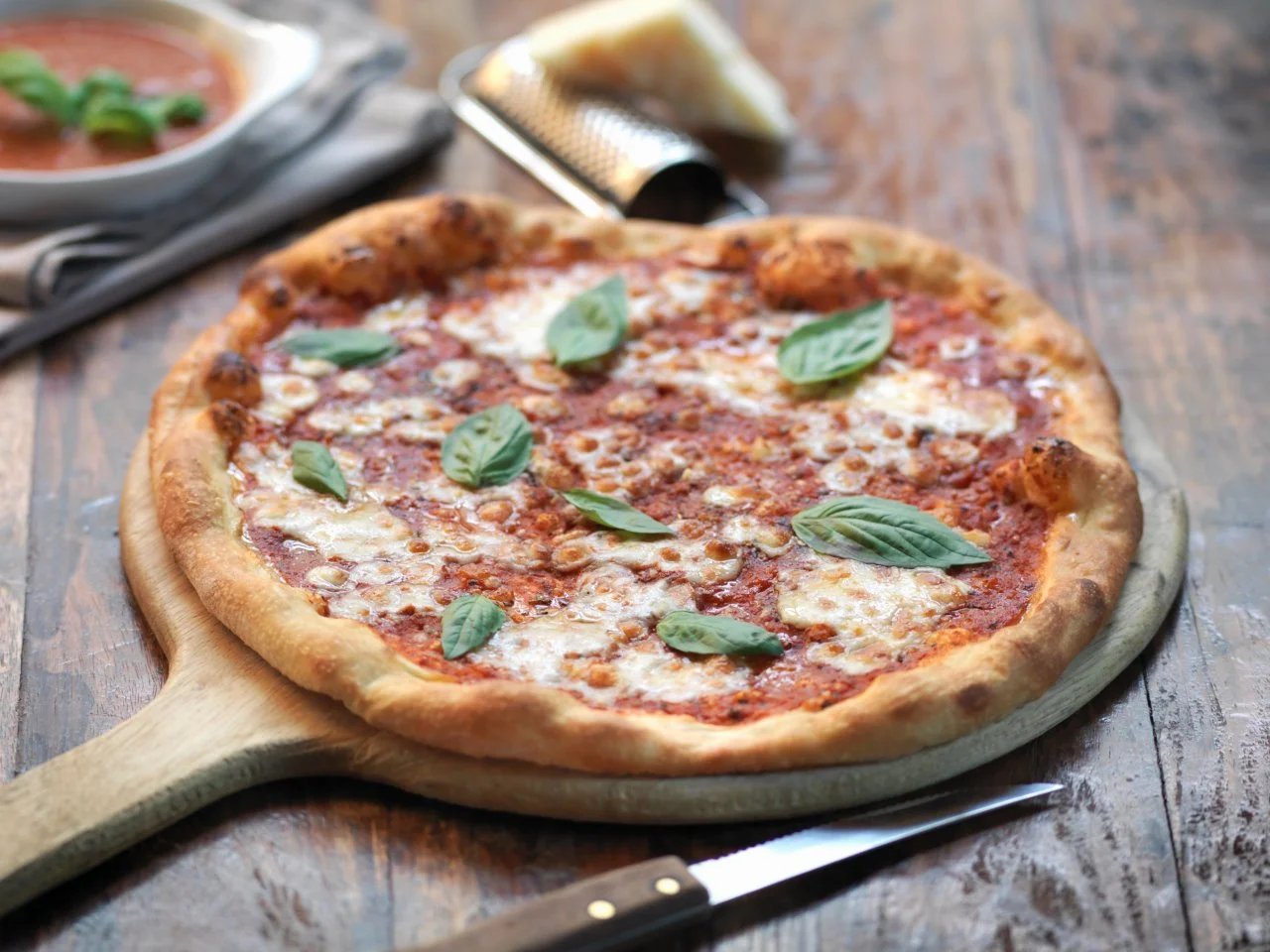
Sustaining High Temperatures for Faster Cooking
The ability to retain heat also means that the pizza stone can maintain a high surface temperature for a longer duration, even when a cold pizza is placed upon it.
- Minimizing Thermal Shock to the Stone: While the pizza dough experiences a thermal shock, the stone’s significant thermal mass allows it to absorb this without a drastic drop in its own surface temperature. This ensures that the base of the pizza continues to receive intense heat for the crucial initial stages of baking, promoting rapid crust development.
- Facilitating a Shorter Baking Time: The continuous supply of high heat from the stone contributes to a faster overall baking time. This is beneficial for several reasons. Firstly, it means you can enjoy your pizza sooner! Secondly, a shorter baking time helps to prevent the dough from drying out excessively, resulting in a more tender interior crust.
Material Science and Design: The Engineering Behind Pizza Stone Performance
The effectiveness of a pizza stone is not solely about its heat transfer capabilities; it is also a product of thoughtful material selection and design. Different materials offer varying advantages, catering to different cooking preferences and oven types.
Common Materials and Their Thermal Properties
- Ceramic: Traditional ceramic pizza stones are widely available and affordable. They offer good heat retention and a porous surface for moisture absorption. However, some lower-quality ceramic stones can be prone to cracking if not handled carefully, especially with rapid temperature changes.
- Cordierite: This is a popular and high-performing material for pizza stones. Cordierite is a magnesium aluminum silicate that is highly resistant to thermal shock, meaning it can withstand rapid temperature changes without cracking. It offers excellent heat retention and a slightly coarser surface texture compared to some ceramics, which can aid in further crisping the crust.
- Composite Materials: Newer pizza stones are often made from composite materials, which combine different elements to optimize performance. These can offer a balance of durability, heat retention, and heat distribution. Some advanced composites are designed to heat up more quickly than traditional stones.
- Cast Iron: While not technically a “stone,” cast iron pizza pans and skillets function similarly to pizza stones by providing excellent heat retention and conduction. They are extremely durable and can achieve very high temperatures, leading to a deeply browned and crispy crust. However, they are heavier and can be more challenging to preheat evenly compared to ceramic or cordierite stones.
Design Considerations for Optimal Performance
The shape and thickness of a pizza stone are also important design considerations.
- Surface Area: A larger surface area allows for baking larger pizzas and provides a greater area for heat distribution.
- Thickness: Thicker stones generally retain more heat, which is beneficial for maintaining consistent oven temperatures and for achieving a very crisp crust. Thinner stones heat up faster but may not retain as much heat.
- Edge Design: Some pizza stones feature raised edges or handles. These are practical considerations for safely removing the hot stone from the oven.
Beyond the Crust: Ancillary Benefits and Technological Integration
While the primary function of a pizza stone is to enhance the pizza crust, its technological impact extends to other aspects of the baking process, and it can be integrated into a broader culinary technology ecosystem.
Enhancing Overall Baking Evenness
The uniform heat distribution provided by a well-preheated pizza stone contributes to the overall evenness of the pizza’s cooking.
- Preventing Soggy Centers: A common problem with pizzas baked on conventional metal pans is a soggy or undercooked center, especially if the toppings are particularly moist. The consistent heat from the pizza stone helps to cook the entire base of the pizza simultaneously, reducing the likelihood of this issue.
- Consistent Topping Cook: As mentioned earlier, the radiant heat from the stone aids in the even cooking and browning of toppings. This means that cheese melts and browns uniformly, vegetables cook through without becoming mushy, and meats are properly cooked.
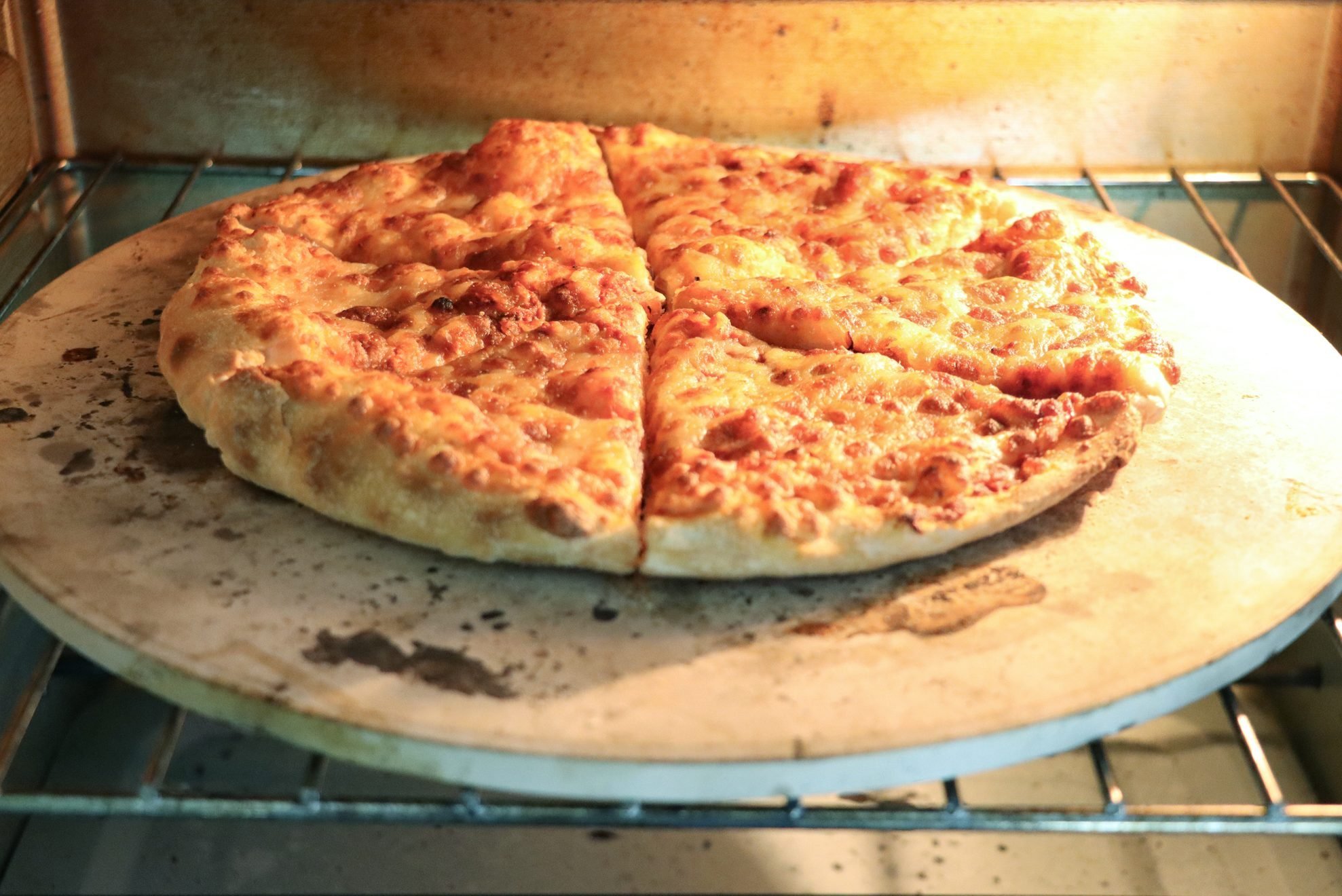
Integration with Smart Ovens and Baking Systems
The concept of the pizza stone is evolving with the advent of smart kitchen technology.
- Preheating Protocols: Smart ovens can be programmed to precisely preheat to optimal temperatures for pizza baking, often suggesting specific times and temperatures for pizza stones. This takes the guesswork out of achieving ideal heat.
- Temperature Monitoring: Advanced ovens may even incorporate probes or sensors that can monitor the temperature of the cooking surface, allowing for more precise control and adjustments during the baking process, further optimizing the performance of a pizza stone.
- Recipe Integration: Some smart appliances can integrate with online recipe databases, providing users with step-by-step instructions for baking perfect pizzas, including guidance on when and how to use a pizza stone.
In conclusion, a pizza stone is far more than just a piece of cookware. It is a sophisticated piece of culinary technology that leverages fundamental principles of heat transfer, material science, and moisture management to transform home baking. By understanding the “what” and the “how” of its operation, home cooks can harness its power to consistently achieve the crispy, chewy, and perfectly cooked pizza crust that was once the exclusive domain of professional pizzerias.
aViewFromTheCave is a participant in the Amazon Services LLC Associates Program, an affiliate advertising program designed to provide a means for sites to earn advertising fees by advertising and linking to Amazon.com. Amazon, the Amazon logo, AmazonSupply, and the AmazonSupply logo are trademarks of Amazon.com, Inc. or its affiliates. As an Amazon Associate we earn affiliate commissions from qualifying purchases.