
The pixie cut, a classic and enduring hairstyle, is more than just a short haircut; it’s a statement of confidence, versatility, and a bold embrace of personal style. While its name evokes a whimsical, fairy-like quality, its true essence lies in its adaptability and the array of styles it can encompass. The fundamental characteristic of a pixie cut is its brevity, typically featuring shorter lengths on the sides and back, with varying degrees of texture and volume on top. However, to simply define it by its length would be to miss its nuanced spectrum of possibilities. From the ultra-short, aggressively cropped versions to the softer, more layered interpretations, the pixie cut offers a rich landscape for personal expression, a canvas for individuality that transcends fleeting trends.
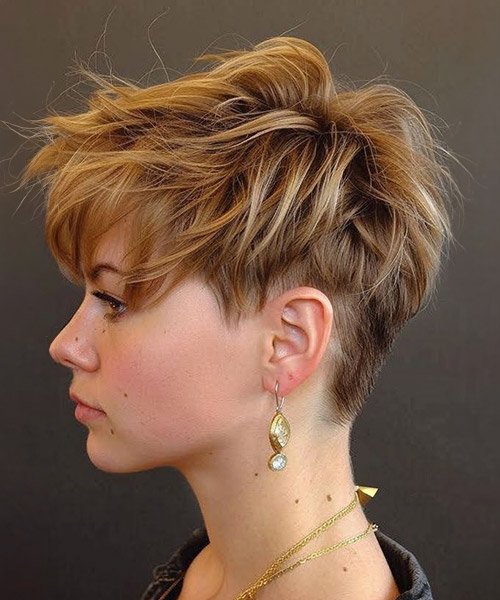
The appeal of a pixie cut often lies in its ability to frame the face, highlight bone structure, and bring attention to the eyes. It’s a cut that demands a certain presence, a willingness to embrace a less conventional aesthetic. Historically, the pixie cut has been associated with rebellion, independence, and a departure from traditional feminine hairstyles. In the modern era, it continues to serve as a powerful symbol of self-assurance and an intentional choice in personal presentation. Understanding what a pixie cut “looks like” requires exploring its diverse iterations and the ways in which these variations are achieved, modified, and ultimately, personalized. This exploration will delve into the core components that define this iconic cut and the numerous ways it can be interpreted.
The Foundational Elements of a Pixie Cut
At its core, a pixie cut is defined by its strategic shortness, but the magic lies in the subtle variations and techniques that differentiate one pixie from another. These foundational elements work in concert to create the overall silhouette, texture, and style of the cut. Understanding these components is crucial for anyone considering this iconic look, as it allows for a more informed discussion with a stylist and a clearer vision of the desired outcome.
The Silhouette: Short Sides and Back, Varied Top
The most defining characteristic of any pixie cut is its brevity, particularly around the nape of the neck, the ears, and the sides. This is what distinguishes it from a bob or a longer style. The hair is typically cut very close to the scalp in these areas, often using clippers or scissors with a close-cutting technique. This creates a clean, sculpted look that draws attention upwards. The length at the top, however, is where the significant variation occurs. This can range from just a few inches to a more generous amount, allowing for styling and texture. The contrast between the shorter sides and the potentially longer top is what gives the pixie its distinctive shape and dynamism.
Texture and Layering: Creating Movement and Dimension
Texture is arguably the most critical element in bringing a pixie cut to life. Without it, the cut can appear too severe or flat. Stylists employ a variety of techniques to add texture, including choppy layers, razored edges, and point cutting. These methods break up the hair’s density, creating a more dynamic and less uniform appearance.
- Choppy Layers: These are irregular, shorter pieces interspersed throughout the longer sections of the cut. They create an “undone” yet intentional look, adding movement and preventing the hair from lying too flat. The degree of choppiness can be adjusted to suit individual preferences, from a subtle hint of texture to a more pronounced, artful disarray.
- Razored Edges: Using a razor to cut the hair can create incredibly fine, wispy ends. This technique is particularly effective for adding a feathery, delicate texture, especially around the hairline and at the tips of longer layers. It can also be used to soften harsh lines and blend shorter sections seamlessly into longer ones.
- Point Cutting: This scissor technique involves cutting into the ends of the hair at an angle. It removes weight and creates soft, tapered ends, which contribute to a natural-looking texture and blend. Point cutting is essential for achieving a seamless transition between different lengths and for adding subtle volume or a sense of lightness.
The Crown and Bangs: Framing the Face and Adding Personality
The crown and the bangs are the areas where a pixie cut truly gets its personality and can be tailored to individual facial features and stylistic preferences. The way these sections are cut and styled can dramatically alter the overall impression of the pixie.
- Crown Volume: The crown is the area at the very top of the head, behind the fringe. Whether this area is cut blunt, layered, or swept upwards significantly impacts the haircut’s shape. More volume at the crown can add height and a more dramatic silhouette, while flatter crowns create a sleeker, more understated look. The way the hair falls from the crown can also influence the overall balance of the cut.
- Bangs and Fringe: Bangs are a highly personal element of any haircut, and in a pixie, they play a crucial role in framing the face. Pixie cuts can feature a variety of bangs:
- Side-Swept Bangs: These are perhaps the most common and versatile. They sweep across the forehead, softening the face and adding a touch of femininity or edginess depending on their length and texture.
- Blunt Bangs: Shorter, straight-across bangs can create a bolder, more graphic statement, drawing attention to the eyes.
- Textured or Wispy Bangs: Similar to the overall texture of the cut, bangs can be cut to be soft, feathery, and deliberately unkempt, adding a touch of effortless chic.
- No Bangs: Some pixie cuts are designed without any bangs, allowing the forehead to be fully exposed, which can be very striking.
Diverse Manifestations of the Pixie Cut
The beauty of the pixie cut lies in its remarkable versatility. While the core elements remain consistent, the way they are combined and executed results in a vast spectrum of styles, each with its own unique character and appeal. These variations are not merely aesthetic choices; they often reflect personality, lifestyle, and a desire for a particular kind of self-expression.
The Classic Pixie: Timeless Elegance

The classic pixie cut is often what comes to mind when the term is first mentioned. It embodies a sense of refined simplicity and timeless elegance. This iteration typically features neatly tapered sides and back, with a slightly longer, softly layered top that can be styled with a gentle sweep or a touch of volume. It’s a look that’s both sophisticated and effortlessly chic, suitable for a wide range of occasions and personal styles. The emphasis here is on clean lines and a polished finish, making it a perpetually relevant choice.
The Edgy and Textured Pixie: Bold and Expressive
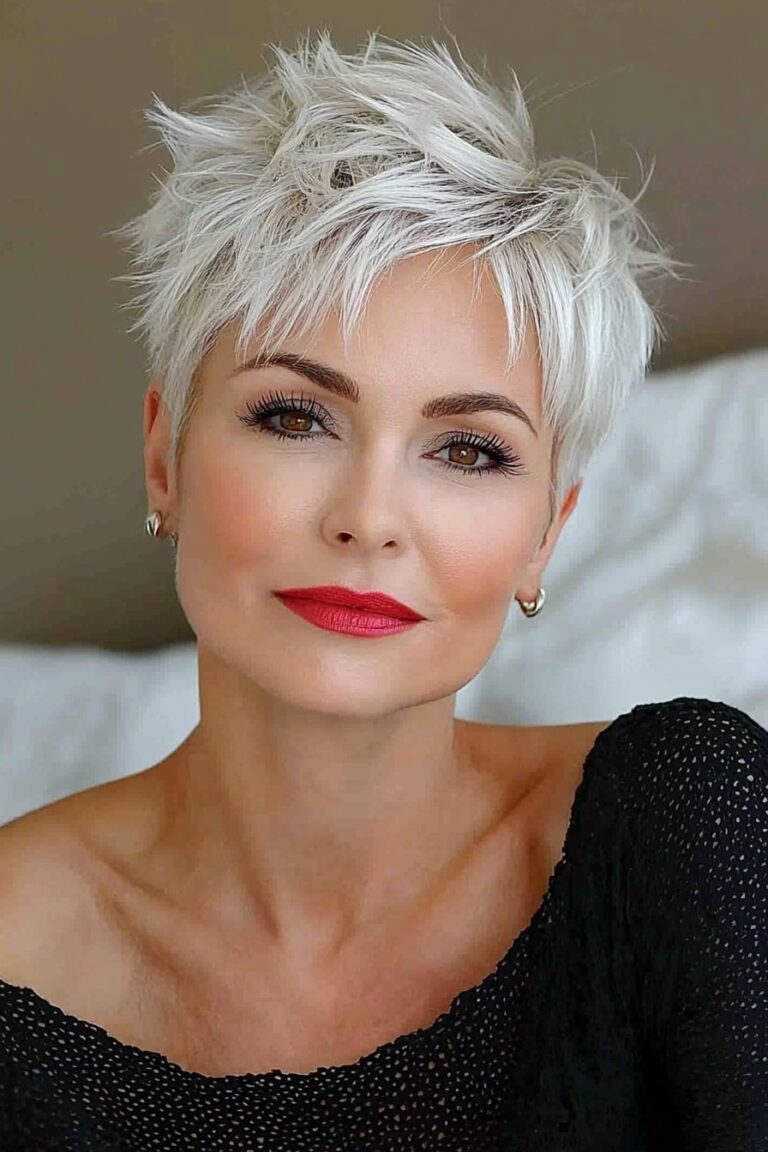
Moving towards a more contemporary and daring aesthetic, the edgy and textured pixie cut embraces a deliberate sense of imperfection and dynamism. This style is characterized by more pronounced layering, often achieved with razors or sharp scissor techniques, resulting in a deliberately “undone” or choppy appearance. The top section might be longer and styled in a quiff or swept to one side with a matte product, creating significant movement and a strong visual impact. This version is for those who want their hair to be a focal point, a reflection of their bold personality and a desire to stand out.
The Undercut Pixie: A Play on Contrasts
The undercut pixie introduces a dramatic contrast by shaving or clipping the sides and back to a very short length, often down to the skin, while leaving significantly more length and texture on top. This creates a striking visual juxtaposition, with the longer, styled hair on top acting as a bold statement against the severely short sides. The undercut can be a simple, clean shave, or it can be embellished with intricate patterns or designs shaved into the scalp for an even more personalized and artistic expression. This style offers a powerful sense of rebellion and individuality.
The Longer Pixie (Shag or “Bixie”): Softness and Versatility
The “longer pixie,” sometimes referred to as a shag or a “bixie” (a blend of bob and pixie), offers a softer, more approachable interpretation of the short haircut. This style retains the shortness around the ears and nape but features more length on top and often incorporates longer, face-framing layers or bangs. The texture might be more natural and less aggressively styled, offering a more relaxed and versatile look. This iteration provides an excellent stepping stone for those transitioning to shorter hair, or for individuals who desire the low-maintenance benefits of a pixie cut but with a touch more softness and styling options.
Styling and Maintenance: Bringing Your Pixie to Life
Once you have your pixie cut, the real artistry often comes in the styling. The inherent nature of a pixie cut means it can be remarkably easy to manage on a daily basis, but understanding how to style it can unlock its full potential and allow for a range of looks from a single cut. The maintenance also plays a key role in preserving the cut’s integrity and ensuring it continues to flatter.
Daily Styling Techniques: From Sleek to Textured
The way you style your pixie cut can drastically change its appearance from day to day.
- Texturizing Pastes and Waxes: For those with more textured or choppy pixies, these products are invaluable. They allow you to create definition, add separation to layers, and achieve an “undone” or spiky look. Applying a small amount to your fingertips and working it through dry hair can instantly transform the style.
- Pomades and Gels: For a sleeker, more polished finish, pomades and gels can be used to smooth down layers, create a wet-look effect, or sculpt hair into a specific shape, such as a swept-back style or a more defined quiff.
- Blow-Drying and Brushes: A blow dryer can add volume and shape. Using a small round brush can help to lift the roots at the crown, while a flat brush can create a smoother, more controlled finish. For textured styles, a diffuser attachment can enhance natural wave or curl.
- Hair Sprays: A light mist of hairspray can set your style in place, providing hold without making the hair feel stiff or heavy. Different strengths of hairspray are available to suit the desired level of hold.
The Art of the Pixie Cut: Customization and Personalization
Ultimately, what a pixie cut “looks like” is entirely dependent on the individual wearing it. It’s a canvas upon which personal style, facial features, and lifestyle are painted. A skilled stylist will work with you to understand your hair type, face shape, and desired aesthetic to create a pixie that is not only flattering but also uniquely yours.
- Face Shape Considerations: While many pixie cuts are universally flattering, certain variations can be particularly effective for different face shapes. For example, longer bangs can soften a square jawline, while added volume at the crown can elongate a rounder face.
- Hair Texture and Density: The natural texture and density of your hair will play a significant role in how a pixie cut lays and how it can be styled. Fine hair might benefit from techniques that add volume, while thicker hair might require more layering to prevent it from appearing too bulky.
- Lifestyle and Time Commitment: A pixie cut is often chosen for its low-maintenance appeal. However, the styling required can vary. Some pixies can be finger-styled in minutes, while others might benefit from a quick blow-dry or the use of styling products. It’s important to have a realistic understanding of the time commitment involved in achieving your desired look.
The pixie cut, in its many forms, remains a powerful and liberating choice in hairstyling. It’s a cut that celebrates individuality, boldness, and a confident embrace of one’s natural beauty. By understanding its foundational elements, exploring its diverse manifestations, and mastering its styling, anyone can discover the perfect pixie cut that truly looks like them.
aViewFromTheCave is a participant in the Amazon Services LLC Associates Program, an affiliate advertising program designed to provide a means for sites to earn advertising fees by advertising and linking to Amazon.com. Amazon, the Amazon logo, AmazonSupply, and the AmazonSupply logo are trademarks of Amazon.com, Inc. or its affiliates. As an Amazon Associate we earn affiliate commissions from qualifying purchases.