
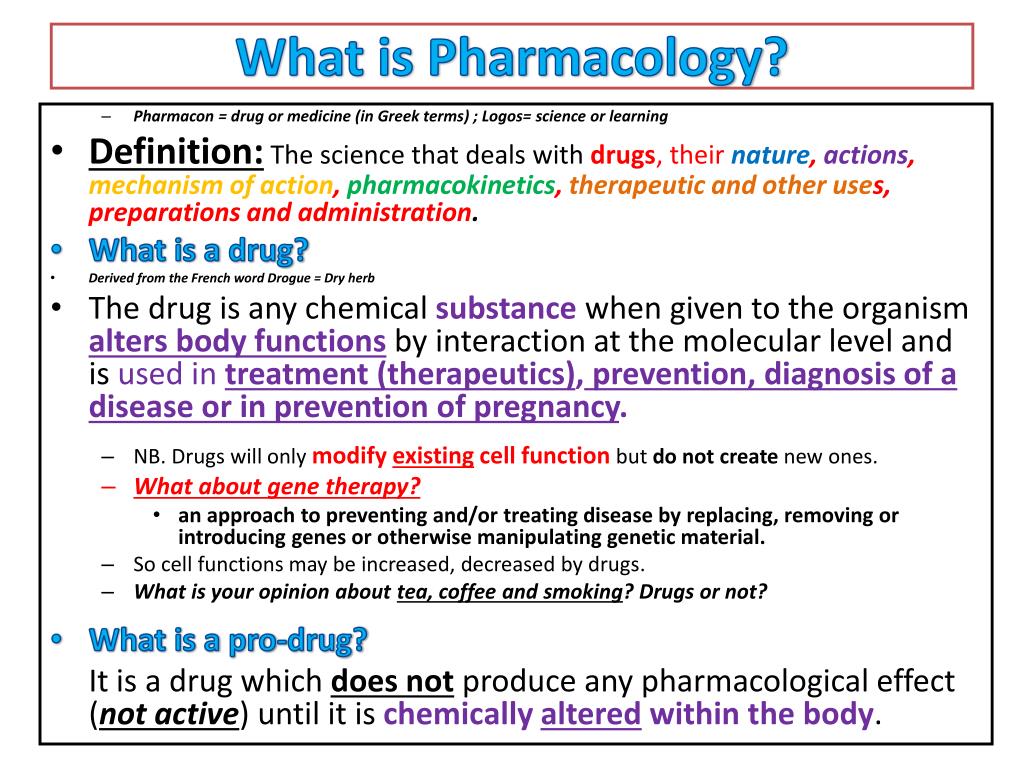
Pharmacology, traditionally defined as the branch of medicine concerned with the uses, effects, and modes of action of drugs, has undergone a radical transformation. No longer confined to glass beakers and manual trial-and-error observations, modern pharmacology has evolved into a high-tech discipline. Today, it operates at the intersection of biochemistry, data science, and advanced engineering.
To understand what pharmacology “does” in the current era, one must look at the digital tools and technological frameworks that power it. From artificial intelligence (AI) predicting molecular structures to blockchain securing clinical trial data, pharmacology is now a tech-first industry dedicated to optimizing human health through precision and automation.

The Digital Transformation of Pharmacological Research
The primary role of modern pharmacology is the identification of new therapeutic compounds. Historically, this was a “needle in a haystack” endeavor. However, the integration of advanced software and hardware has turned drug discovery into a data-driven pipeline.
AI-Driven Molecular Modeling and Predictive Analytics
The most significant technological leap in pharmacology is the use of Artificial Intelligence and Machine Learning (ML). Software platforms can now simulate how a drug molecule will interact with a specific protein in the human body before a single physical experiment is conducted.
Tools like Google DeepMind’s AlphaFold have revolutionized the field by predicting the 3D structures of proteins with incredible accuracy. This allows pharmacologists to design “keys” (drugs) that fit perfectly into “locks” (biological targets), significantly reducing the time and cost of the initial discovery phase. By leveraging predictive analytics, pharmacologists can filter millions of potential compounds down to the most promising few in a matter of days.
High-Throughput Screening (HTS) and Laboratory Robotics
Once a potential drug is identified, it must be tested against biological targets. Modern pharmacology utilizes High-Throughput Screening (HTS), a process powered by sophisticated robotics. These systems can conduct thousands of chemical, genetic, or pharmacological tests simultaneously.
Robotic arms, controlled by precise software, handle microplates that allow for the rapid assessment of drug efficacy and toxicity. This automation eliminates human error and provides a level of scale that was previously unimaginable, allowing labs to process massive libraries of compounds that would take decades to test manually.
Precision Medicine and Genomic Data Integration
Modern pharmacology does more than just find new drugs; it ensures the right drug is given to the right person at the right dose. This shift toward “Precision Medicine” is entirely dependent on the tech stack available to researchers.
Pharmacogenomics: Tailoring Treatment via Data
Pharmacogenomics is the study of how a person’s genes affect their response to drugs. In this niche, pharmacology functions as a data-mapping exercise. By utilizing DNA sequencing technology and bioinformatics software, pharmacologists can identify genetic markers that indicate whether a patient will experience a side effect or if a drug will be ineffective for them.
This tech-driven approach is moving us away from “one-size-fits-all” medicine. Instead, software algorithms analyze a patient’s genetic profile and cross-reference it with drug databases to generate personalized treatment plans. This reduces the risk of adverse drug reactions, which are a leading cause of hospitalization globally.
Bioinformatics and Big Data Analytics
The amount of data generated during pharmacological research is staggering. To make sense of it, the field relies heavily on bioinformatics—a combination of biology, computer science, and statistics.
Pharmacologists use big data tools to analyze electronic health records (EHRs), clinical trial results, and real-world evidence. By using cloud computing and advanced statistical software, they can spot patterns in drug performance that might be invisible in smaller study groups. This allows for “repurposing”—identifying that a drug designed for one condition (e.g., blood pressure) might be effective for another (e.g., hair loss) based on vast data correlations.

Innovative Delivery Systems and Smart Tech
Pharmacology also involves the “how”—the method by which a drug enters the body and reaches its target. Technology has enabled the development of “smart” delivery systems that are as much about engineering as they are about chemistry.
Nanotechnology and Targeted Delivery
One of the most exciting tech trends in pharmacology is the use of nanotechnology. Pharmacologists are now designing “nano-carriers”—microscopic vessels that can transport drugs directly to a tumor or an infected cell, bypassing healthy tissue.
This requires high-end imaging tech and molecular engineering tools. These delivery systems can be programmed to release their payload only when they encounter specific environmental triggers, such as a certain pH level or temperature within the body. This level of precision, controlled by bio-responsive materials, minimizes systemic side effects and increases the potency of the treatment.
Digital Therapeutics and Wearable Monitoring
The definition of what “pharmacology does” is expanding to include digital therapeutics (DTx). These are software-based interventions—often mobile apps or VR programs—that are “prescribed” alongside or instead of traditional drugs to manage conditions like chronic pain or PTSD.
Furthermore, wearable gadgets (such as smartwatches and continuous glucose monitors) provide pharmacologists with real-time data on how a drug is working in a patient’s daily life. This “Internet of Medical Things” (IoMT) creates a feedback loop where the dosage can be adjusted dynamically based on data-driven insights, rather than waiting for the next doctor’s appointment.
Digital Security and Ethics in Pharmacological Data
As pharmacology becomes increasingly digital, the focus on digital security and data integrity becomes paramount. Protecting the intellectual property of a new drug and the private health data of trial participants is a critical technological function of the industry.
Protecting Intellectual Property in the Digital Lab
The development of a single drug can cost billions of dollars. Consequently, pharmacological research centers are prime targets for cyberattacks and industrial espionage. Modern pharmacology departments must implement robust digital security measures, including end-to-end encryption, multi-factor authentication, and secure cloud environments to protect their proprietary algorithms and molecular designs.
Moreover, the use of “Digital Twins”—virtual models of biological systems—requires secure environments. These twins allow researchers to simulate drug trials in a virtual space, but the data must be guarded against tampering to ensure the integrity of the results before they are moved into human trials.
Blockchain for Supply Chain Transparency and Trial Integrity
Blockchain technology is finding a unique home in pharmacology. It is used to create an immutable ledger for the drug supply chain, ensuring that the medication reaching a patient is authentic and has been stored at the correct temperatures (the “cold chain”).
In clinical trials, blockchain can be used to record patient consent and trial results in a way that cannot be altered or “p-hacked.” This transparency builds trust in the pharmacological process and ensures that the tech-driven data used to approve new drugs is accurate and verifiable.
Conclusion
What does pharmacology do? In the 21st century, it acts as the technological engine of modern healthcare. It utilizes AI to design molecules, uses bioinformatics to personalize treatment, employs nanotechnology for precision delivery, and relies on cybersecurity to protect the future of medicine.
The transition from the lab bench to the server room has made pharmacology more efficient, more accurate, and more integrated into our digital lives. As we move forward, the “pharmacologist” of the future will likely be as proficient in Python and data architecture as they are in organic chemistry, driving a tech-powered revolution that promises to extend human life and eradicate disease through the power of code and chemistry combined.
aViewFromTheCave is a participant in the Amazon Services LLC Associates Program, an affiliate advertising program designed to provide a means for sites to earn advertising fees by advertising and linking to Amazon.com. Amazon, the Amazon logo, AmazonSupply, and the AmazonSupply logo are trademarks of Amazon.com, Inc. or its affiliates. As an Amazon Associate we earn affiliate commissions from qualifying purchases.