
The landscape of education is perpetually evolving, and at the forefront of this transformation is the integration of technology into every facet of learning. While the core mission of supporting students remains constant, the tools and methodologies employed by educators, including paraeducators, are increasingly influenced by digital advancements. In this technologically driven era, understanding the expanded role of a paraeducator necessitates an exploration of how they leverage technology to foster inclusive and effective learning environments. This article delves into the multifaceted contributions of paraeducators, specifically highlighting their engagement with and utilization of technology, and how these digital competencies are becoming indispensable to their vital work.
The Paraeducator as a Digital Navigator and Facilitator
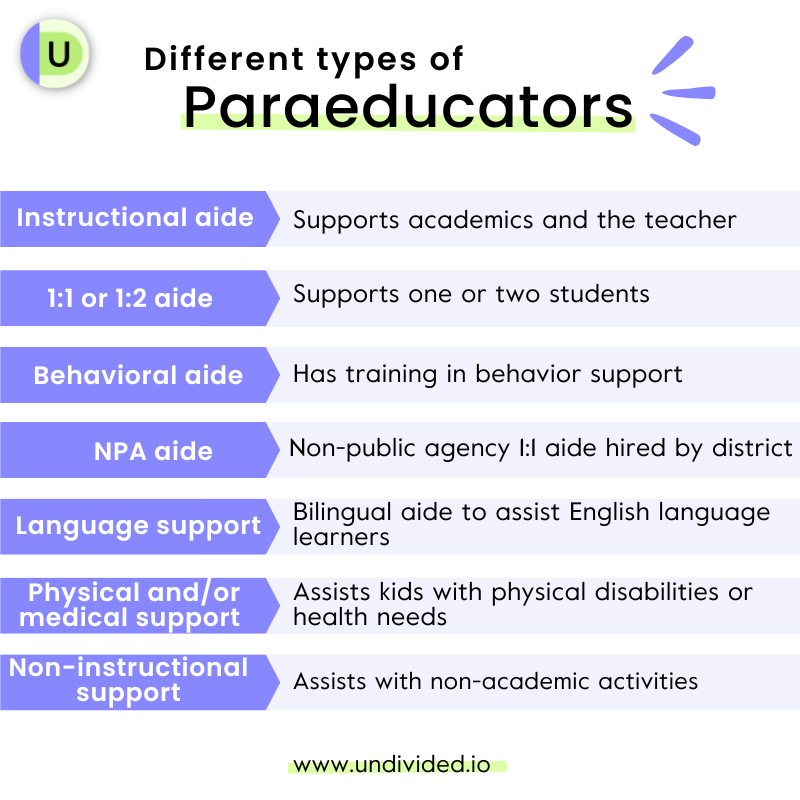
Paraeducators are indispensable members of the educational team, working under the direct supervision of certified teachers to provide critical support to students. In contemporary classrooms, this support often extends beyond traditional one-on-one assistance to encompass the strategic deployment and management of educational technologies. Their role as digital navigators and facilitators means they are not just users of technology but active agents in ensuring its effective and equitable application for all learners.
Bridging the Digital Divide for Students
One of the most significant contributions of paraeducators in the digital age is their role in bridging the digital divide. Many students, particularly those from disadvantaged backgrounds or with specific learning needs, may lack consistent access to technology or the foundational digital literacy skills required to thrive in a tech-infused classroom. Paraeducators are often on the front lines, providing direct, personalized assistance to help these students navigate learning platforms, understand digital assignments, and troubleshoot minor technical issues. This hands-on support demystifies technology, empowering students to engage more confidently with their digital learning journey. Whether it’s guiding a student through logging into a learning management system (LMS), demonstrating how to use a specific educational app, or assisting with the operation of assistive technology devices, paraeducators ensure that no student is left behind due to a lack of digital proficiency.
Implementing and Supporting Assistive Technology
The promise of technology in education is significantly amplified by assistive technology (AT), which levels the playing field for students with disabilities. Paraeducators are often instrumental in the implementation and ongoing support of AT devices and software. This can range from ensuring that text-to-speech software is functioning correctly for a student with dyslexia, to managing specialized input devices for a student with physical impairments, or facilitating the use of communication boards and apps for non-verbal students. Their close proximity to students allows them to observe firsthand how AT is being used, identify any barriers to its effective utilization, and provide immediate, practical solutions. This intimate knowledge of individual student needs, combined with their growing understanding of AT capabilities, makes paraeducators invaluable partners in maximizing the benefits of these powerful tools. They work collaboratively with teachers and specialists to ensure AT is not just present, but seamlessly integrated into the daily learning routine, promoting student independence and academic achievement.
Utilizing Educational Software and Learning Platforms
Modern classrooms are increasingly reliant on a variety of educational software and online learning platforms. From interactive whiteboards and educational games to online assessment tools and virtual reality simulations, paraeducators play a crucial role in supporting teachers and students in their use. They assist students in navigating these platforms, reinforce the skills being taught, and help manage user accounts and progress tracking. Paraeducators often act as the first line of support when students encounter difficulties with software, providing immediate guidance and troubleshooting. This frees up teachers to focus on instructional delivery, knowing that students are receiving timely and effective technical and pedagogical support. Furthermore, paraeducators can gather valuable data on student engagement and performance within these digital environments, which can then be shared with teachers to inform instructional adjustments and interventions. Their ability to adapt to new software and platforms quickly is a testament to their role as adaptable educational professionals in the digital age.
Paraeducators as Data Stewards and Collaborators in Digital Learning
The advent of educational technology has transformed the way student progress is monitored and assessed. Data, once primarily derived from paper-based assignments and traditional tests, is now increasingly generated through digital interactions. Paraeducators are in a unique position to contribute to this data-driven approach to education, acting as essential data stewards and collaborators who help translate digital information into actionable insights.
Collecting and Organizing Digital Student Data

Paraeducators are often tasked with collecting and organizing a wide array of digital data points that offer a granular view of student learning. This can include tracking student participation in online discussions, monitoring completion rates for digital assignments, recording scores from online quizzes, and documenting interactions with educational apps. Their consistent presence in the learning environment allows them to capture these data points in real-time, ensuring accuracy and relevance. They might be responsible for ensuring that student work submitted through digital platforms is correctly categorized, that progress is logged in the appropriate sections of an LMS, or that observations about student engagement with digital tools are recorded. This meticulous attention to detail is crucial for building comprehensive student profiles and for informing personalized learning strategies. Without the diligent efforts of paraeducators in collecting and organizing this digital information, the wealth of data generated by educational technology would be significantly less impactful.
Supporting Data-Informed Instructional Decisions
The value of collected data lies in its ability to inform instructional decisions. Paraeducators, working closely with teachers, play a vital role in this process. By consistently observing students’ interactions with digital tools and diligently recording their performance, paraeducators provide valuable qualitative and quantitative data that teachers can use to adjust their teaching strategies. For instance, if a paraeducator notices that a particular group of students consistently struggles with a specific type of digital math problem, they can bring this observation to the teacher’s attention. This could lead the teacher to provide additional direct instruction, offer supplemental digital resources, or implement a different teaching approach. Similarly, data on student engagement with online content can help teachers identify which digital resources are most effective and which may need to be revised or replaced. This collaborative approach, where paraeducators act as the eyes and ears of the teacher within the digital learning environment, ensures that instruction is responsive to student needs and that technology is used most effectively to drive learning outcomes.
Maintaining Digital Security and Ethical Use
As technology becomes more integrated into the classroom, so too does the importance of digital security and ethical usage. Paraeducators, often the first point of contact for students when they are using school-provided devices or accessing online platforms, play a crucial role in reinforcing best practices. This includes educating students about online safety, responsible digital citizenship, and the importance of protecting personal information. They help ensure that students are using technology for its intended educational purposes and not for distractions or inappropriate activities. Paraeducators also assist in maintaining the security of digital resources, such as ensuring that login credentials are kept confidential and that devices are handled with care. By modeling and reinforcing ethical digital behavior, paraeducators contribute to a safe, secure, and productive online learning environment for all students. Their vigilance in these areas is paramount in safeguarding both student data and the integrity of the educational technology ecosystem.
The Paraeducator as a Lifelong Learner in the Digital Ecosystem
The dynamic nature of technology necessitates a commitment to continuous learning. Paraeducators, in their role as integral members of the educational community, must also embrace the concept of lifelong learning, particularly as it pertains to digital tools and methodologies. Their adaptability and willingness to acquire new skills are essential for them to remain effective and to continue providing the highest level of support to students.
Embracing Professional Development in EdTech
Professional development has become a critical component of a paraeducator’s growth, and a significant portion of this development now revolves around educational technology (EdTech). As new software, hardware, and pedagogical approaches emerge, paraeducators are increasingly expected to participate in training sessions, workshops, and online courses to enhance their digital fluency. This might involve learning how to use a new collaborative online tool, understanding the best practices for integrating virtual reality into lessons, or mastering the features of a new learning analytics dashboard. Paraeducators who actively seek out and engage with EdTech professional development are better equipped to support teachers, assist students, and contribute innovative ideas to the classroom. Their proactive approach ensures that they are not just keeping pace with technological advancements but are leveraging them to their full potential.
Adapting to Emerging Digital Trends and Tools
The digital landscape is in constant flux, with new trends and tools emerging at a rapid pace. Paraeducators need to be adaptable and open to learning about and incorporating these innovations into their practice. This could involve understanding the pedagogical implications of gamification in learning, exploring the potential of artificial intelligence (AI) assistants for educational support, or learning how to effectively use augmented reality (AR) to create immersive learning experiences. By staying abreast of these emerging trends, paraeducators can help their schools and classrooms remain at the cutting edge of educational innovation. Their ability to quickly grasp new concepts and apply them in practical settings makes them invaluable assets in navigating the ever-changing digital ecosystem of education. This adaptability also ensures that they can continue to meet the evolving needs of students who are growing up as digital natives and are increasingly accustomed to interacting with technology in sophisticated ways.
Advocating for Technology Integration and Accessibility
Beyond their direct roles in using and supporting technology, paraeducators can also serve as advocates for its effective integration and accessibility within their educational institutions. Their unique perspective, grounded in direct student interaction, allows them to identify areas where technology could be better utilized or made more accessible to all learners. They can champion the adoption of new tools that have proven effective in supporting specific student populations or advocate for necessary upgrades to existing infrastructure. Furthermore, paraeducators can play a vital role in ensuring that technology choices are inclusive and meet the diverse needs of all students, including those with disabilities, English language learners, and students from various socioeconomic backgrounds. By sharing their insights and experiences, paraeducators can influence institutional decision-making, helping to shape a future where technology is a powerful and equitable force in education, enabling every student to reach their full potential in the digital age.
aViewFromTheCave is a participant in the Amazon Services LLC Associates Program, an affiliate advertising program designed to provide a means for sites to earn advertising fees by advertising and linking to Amazon.com. Amazon, the Amazon logo, AmazonSupply, and the AmazonSupply logo are trademarks of Amazon.com, Inc. or its affiliates. As an Amazon Associate we earn affiliate commissions from qualifying purchases.