
The age-old question, “What does an owl eat?” has captivated naturalists and curious minds for centuries. While the immediate answer conjures images of nocturnal hunters silently swooping down on unsuspecting prey, a deeper understanding of owl diets, and indeed their ecological significance, has been profoundly amplified by advancements in technology. Gone are the days of solely relying on pellet analysis and observational anecdotes. Today, a sophisticated suite of digital tools and scientific methodologies allows us to peer into the lives of these enigmatic raptors with unprecedented detail, revealing not just what they consume, but how and why. This article delves into the technologically driven exploration of owl diets, highlighting the innovative approaches that are revolutionizing our comprehension of these apex predators.
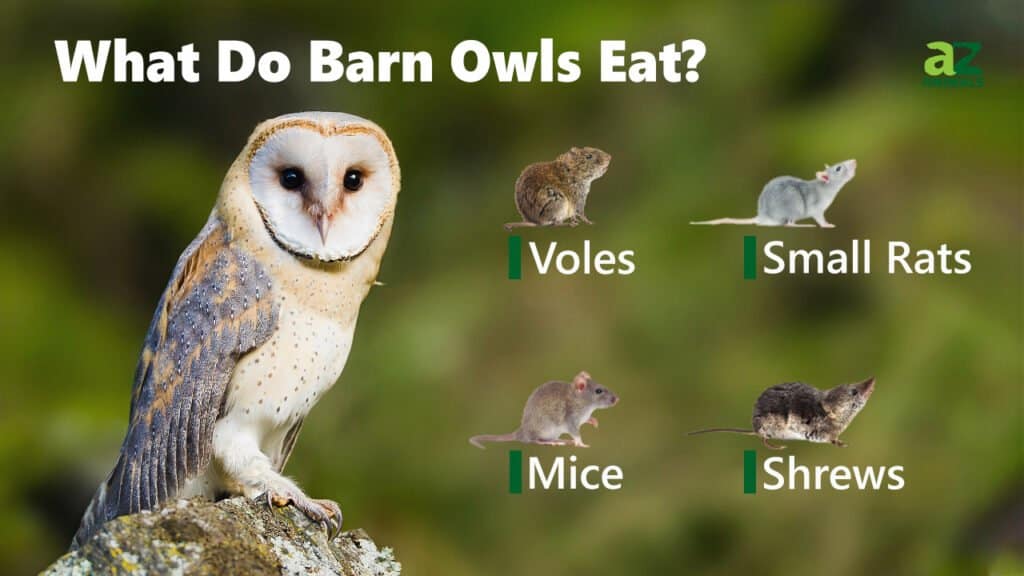
1. Decoding the Owl’s Menu: Technological Tools for Dietary Analysis
The fundamental understanding of an owl’s diet traditionally stemmed from examining regurgitated pellets – indigestible remnants of prey like bones, fur, and feathers. While this remains a crucial technique, modern technology has injected a level of precision and breadth previously unimaginable. Beyond the simple collection and dissection of pellets, innovative methods are employed to identify even the smallest dietary fragments and to trace the origins of consumed materials.
1.1. The Digital Microscope: Unveiling Microscopic Clues
The humble microscope, a staple of scientific inquiry, has undergone a digital revolution. High-resolution digital microscopes, coupled with advanced imaging software, allow researchers to meticulously analyze the microscopic structures of prey remains found within owl pellets. This includes identifying species-level distinctions in bone fragments, teeth, and even insect exoskeletons that might be overlooked with traditional methods. Furthermore, the ability to capture high-definition images and share them instantaneously facilitates collaborative research across geographical boundaries, accelerating the pace of discovery. Researchers can upload detailed scans of microscopic findings, allowing experts worldwide to contribute to species identification and dietary reconstructions.
1.2. DNA Barcoding and Metabarcoding: Genetic Signatures of a Meal
Perhaps the most transformative technological leap in dietary analysis is the application of DNA sequencing. Traditional DNA barcoding involves extracting DNA from a sample and comparing a specific gene sequence to a reference database to identify the species. This method can be applied to minute fragments of tissue, hair, or feathers found in owl pellets, providing definitive species identification where morphological analysis might be ambiguous.
Metabarcoding takes this a step further. Instead of analyzing individual samples, metabarcoding allows researchers to extract and sequence DNA from an entire pellet or fecal sample simultaneously. This technique can identify DNA from multiple prey species present in a single meal, offering a comprehensive snapshot of the owl’s recent feeding activity. This is particularly invaluable for understanding the diversity of prey consumed by different owl species, as well as for detecting the presence of small or difficult-to-identify prey items like insects, amphibians, and small mammals. The sheer volume of data generated by metabarcoding necessitates sophisticated bioinformatic pipelines for analysis, which themselves are products of advanced computational technology.
1.3. Stable Isotope Analysis: Tracking Trophic Levels and Food Webs
Stable isotope analysis, a technique rooted in physics and chemistry but heavily reliant on sophisticated mass spectrometry equipment, provides insights into an owl’s diet over longer periods. By analyzing the ratios of stable isotopes of elements like carbon, nitrogen, and sulfur in an owl’s feathers, blood, or tissues, researchers can infer the types of food the owl has been consuming and its position within the food web.
Different prey species have distinct isotopic signatures depending on their own diets and environments. By comparing the isotopic composition of an owl’s tissues to known isotopic values of potential prey, scientists can reconstruct the owl’s diet and understand its trophic level (e.g., whether it primarily feeds on primary consumers or secondary consumers). This technology allows for a non-invasive, long-term assessment of dietary habits, offering a historical perspective on an owl’s feeding ecology that pellet analysis alone cannot provide. It also helps in understanding how environmental changes might be impacting owl diets by altering the isotopic signatures of their prey.
2. Tracking the Hunter: GPS, Remote Sensing, and the Digital Owl
Understanding what an owl eats is only part of the equation. Technology also plays a pivotal role in understanding how and where they hunt, which directly influences their dietary opportunities. Modern tracking devices and remote sensing technologies are providing invaluable data on owl foraging behavior and habitat use.
2.1. Miniature GPS Loggers and Radio Telemetry: Mapping Foraging Ranges
The miniaturization of Global Positioning System (GPS) loggers has revolutionized wildlife tracking. These small, lightweight devices, often attached to an owl’s leg or back, can record precise location data for extended periods. This allows researchers to map an owl’s foraging territories, identify preferred hunting grounds, and understand the spatial dynamics of their prey selection. By correlating GPS data with habitat maps and prey distribution data, scientists can infer which specific habitats are most critical for an owl’s survival and dietary success.
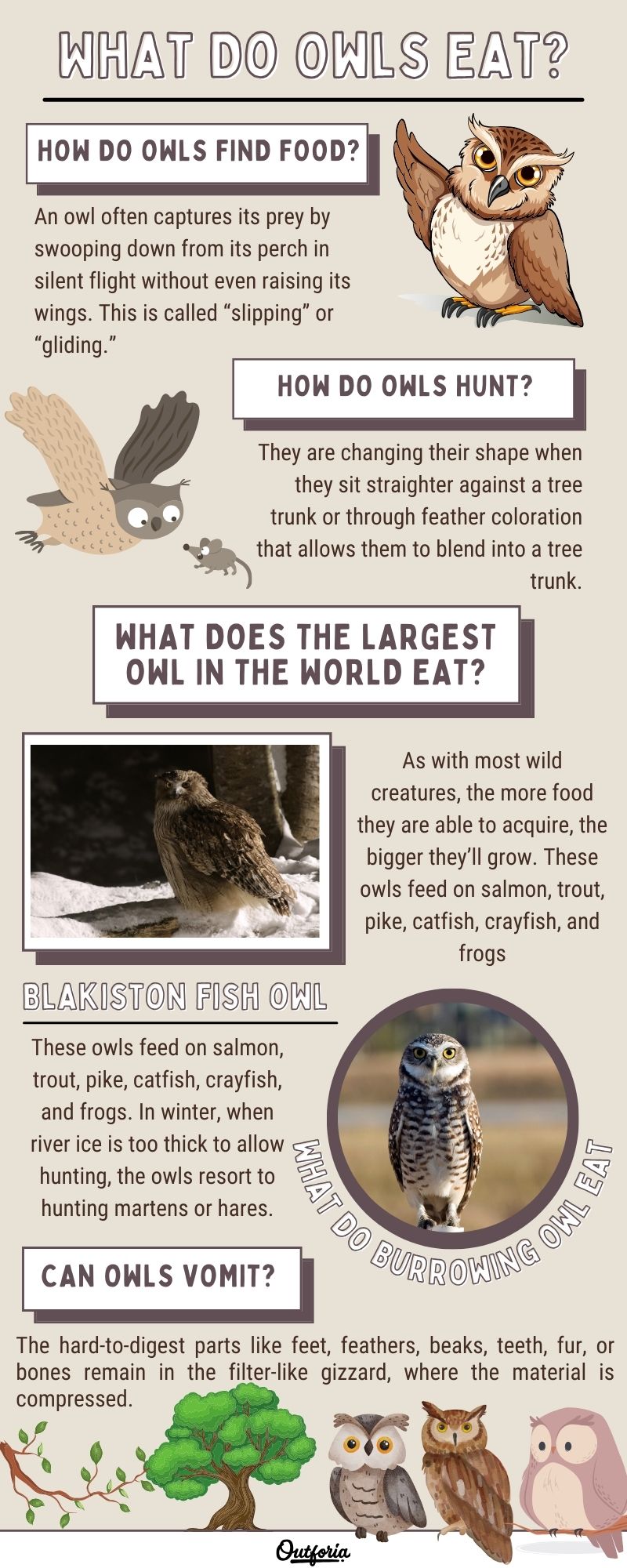
Radio telemetry, an older but still valuable tracking technology, uses radio signals emitted from a transmitter attached to the bird to pinpoint its location. While less precise than GPS, it is often more durable and can be used in areas where GPS signals are weak. Modern radio telemetry systems utilize automated receivers and sophisticated software to process vast amounts of location data, providing a detailed understanding of movement patterns and foraging behaviors.
2.2. Remote Sensing and GIS: Environmental Context for Predation
Geographic Information Systems (GIS) and remote sensing technologies provide the broader environmental context for owl predation. Satellite imagery, aerial photography, and drone surveys can be used to map habitat types, vegetation cover, and landscape features within an owl’s territory. By integrating this spatial data with information on prey abundance and distribution (which can also be gathered through remote sensing techniques, such as identifying agricultural fields or wetland areas where prey species are found), researchers can build sophisticated models to predict where owls are likely to hunt and what prey they are likely to encounter.
For example, by analyzing changes in land use over time using historical satellite imagery, scientists can understand how habitat degradation or agricultural expansion might be impacting the availability of prey for owls, and consequently, their dietary composition. This macro-level understanding, enabled by powerful computing and data visualization tools, is crucial for conservation efforts aimed at protecting owl populations and their essential food sources.
2.3. Acoustic Monitoring: Listening in on Nocturnal Activity
Owls are masters of the night, and understanding their hunting success often requires monitoring their activity during these low-light hours. Advanced acoustic monitoring devices, equipped with sensitive microphones and recording capabilities, can detect the ultrasonic calls of rodents and other small mammals – key prey for many owl species. By deploying these devices in owl habitats, researchers can indirectly infer hunting activity by noting the presence and intensity of prey vocalizations during the owls’ active periods. Furthermore, some sophisticated acoustic arrays can even be used to triangulate the location of prey, providing clues about where owls might be focusing their hunting efforts. This technology offers a passive, non-intrusive way to gather information on prey availability and potential hunting success in the darkness.
3. Predictive Modeling and AI: Forecasting Dietary Shifts and Conservation Needs
The confluence of vast datasets gathered through technological means, coupled with the power of artificial intelligence (AI) and advanced statistical modeling, is transforming our ability to understand and predict owl dietary behaviors and their ecological implications. This shift from descriptive to predictive ecology is crucial for proactive conservation.
3.1. Machine Learning for Prey Identification and Behavior Analysis
Machine learning algorithms are increasingly being employed to analyze the massive datasets generated by DNA metabarcoding. These algorithms can be trained to identify prey species with remarkable accuracy, even from complex genetic mixtures, significantly speeding up the analysis process. Beyond identification, AI can also be used to analyze patterns in tracking data, identifying correlations between environmental variables (like weather, moonlight, or habitat type) and hunting success, thereby predicting when and where owls are most likely to find food.
Furthermore, machine learning can be applied to analyze audio recordings from acoustic monitors to automatically distinguish between the calls of different prey species, or even to identify the sounds associated with hunting success, such as the rustle of prey in vegetation. This allows for the continuous and automated monitoring of prey populations, providing real-time insights into the food availability for owls.
3.2. Climate Modeling and Dietary Adaptability
Climate change presents a significant challenge to ecosystems worldwide, and owls are not immune. By integrating climate projection models with data on owl diets and prey species’ climate sensitivities, researchers can forecast potential shifts in owl diets. For instance, if warming temperatures lead to a decline in the populations of a primary prey species, AI-driven models can predict which alternative prey owls might switch to, or highlight areas where food scarcity might become a critical issue.
This predictive capability allows conservationists to anticipate future challenges and implement targeted strategies. Understanding how owls might adapt their diets in response to environmental changes, and what the consequences of those adaptations might be for both the owls and their prey populations, is a critical area where technology is providing invaluable foresight.
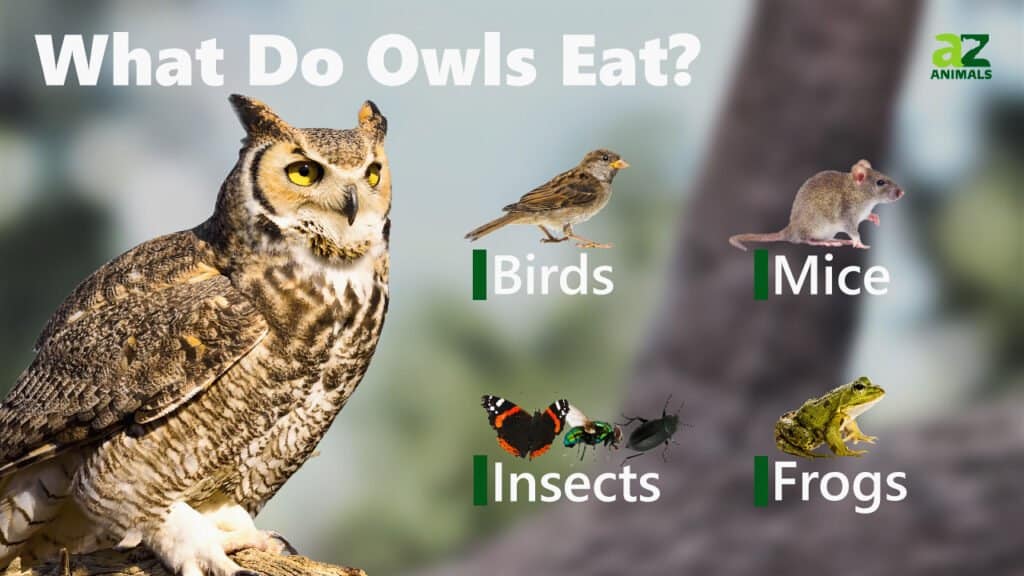
3.3. Big Data Analytics for Ecosystem Health Assessment
Ultimately, understanding what an owl eats is a window into the health of the broader ecosystem. By analyzing dietary data collected through technological means across multiple owl species and geographic regions, scientists can identify trends that indicate ecosystem-wide stress or resilience. For example, a widespread shift towards lower-quality prey across multiple owl populations could signal a decline in the abundance of their preferred food sources, suggesting a problem with the ecosystem’s primary producers or insect populations.
The ability to aggregate and analyze massive datasets – often referred to as “big data” – using advanced computing infrastructure and analytical tools, allows researchers to draw conclusions about ecosystem health that would be impossible to discern from individual studies. This data-driven approach, facilitated by technology, is essential for informed conservation policy and management decisions, ensuring that these magnificent nocturnal hunters, and the environments they inhabit, continue to thrive.
aViewFromTheCave is a participant in the Amazon Services LLC Associates Program, an affiliate advertising program designed to provide a means for sites to earn advertising fees by advertising and linking to Amazon.com. Amazon, the Amazon logo, AmazonSupply, and the AmazonSupply logo are trademarks of Amazon.com, Inc. or its affiliates. As an Amazon Associate we earn affiliate commissions from qualifying purchases.