
In the dynamic landscape of brand communication, the “one-pager” has emerged as a potent and increasingly ubiquitous tool. Far from being a mere fleeting trend, it represents a strategic distillation of information, designed to capture attention, convey key messages efficiently, and inspire action. But what exactly constitutes a one-pager? What are its defining characteristics, its diverse applications, and why has it become such an indispensable asset for brands across industries? This article will delve into the essence of the one-pager, exploring its visual and structural elements, its strategic purpose, and the critical factors that contribute to its effectiveness.

The Anatomy of an Effective One-Pager
A one-pager, at its core, is a single-page document that encapsulates crucial information about a product, service, company, project, or idea. Its power lies in its conciseness and its ability to present complex information in an easily digestible format. While the specific content and design will vary based on its purpose, a well-crafted one-pager typically shares several fundamental anatomical features.
Visual Appeal and Design Principles
The visual presentation of a one-pager is paramount. Given its single-page constraint, every design choice must be deliberate and serve the overarching goal of clear communication.
Strategic Use of White Space
White space, often overlooked, is a critical element in effective design. It’s not merely empty space; it’s a deliberate design tool that enhances readability, improves focus, and creates a sense of calm and sophistication. In a one-pager, ample white space helps to break up content, guide the reader’s eye, and prevent visual clutter. It allows key elements – headlines, images, and calls to action – to breathe and stand out. Without adequate white space, a one-pager can feel overwhelming and less professional, diminishing its impact.
Consistent Branding and Visual Hierarchy
A one-pager is a miniature brand ambassador. Therefore, its design must align seamlessly with the overall brand identity. This includes the consistent use of brand colors, typography, and logos. A strong visual hierarchy is essential to direct the reader’s attention to the most important information. This is typically achieved through varying font sizes, weights, and strategic placement of elements. Headlines should be prominent, subheadings should clearly delineate sections, and key statistics or benefits should be highlighted to draw the reader’s eye. The goal is to create a natural flow that guides the user through the information intuitively.
Compelling Imagery and Graphics
In a world saturated with text, compelling imagery and well-designed graphics can significantly enhance engagement. Visuals can help to illustrate complex ideas, evoke emotions, and make the one-pager more memorable. This could include high-quality photographs, custom illustrations, infographics, charts, or icons. The key is to select visuals that are relevant to the content, reinforce the brand message, and add value rather than simply serving as decoration. Infographics, in particular, are excellent for summarizing data and making it easily understandable at a glance.
Content Condensation and Clarity
Beyond its visual appeal, the true power of a one-pager lies in its ability to distill information into its most essential form. Every word, every sentence, must earn its place.
Executive Summary and Key Value Propositions
The opening of a one-pager should immediately capture the reader’s attention and convey the core essence of what is being presented. This often takes the form of a concise executive summary or a clear statement of the primary value proposition. What problem does this solve? What benefit does it offer? This section should be compelling enough to make the reader want to learn more. It’s about answering the “what’s in it for me?” question upfront.
Bullet Points and Concise Language
To maximize readability and impact, one-pagers heavily rely on bullet points and concise, action-oriented language. Long, dense paragraphs are the enemy of the one-pager. Instead, information is broken down into digestible chunks, making it easy for the reader to scan and absorb key takeaways. Using strong verbs and avoiding jargon ensures that the message is clear and accessible to a broad audience. Each point should be self-explanatory and contribute directly to the overall narrative.
Call to Action (CTA)
A one-pager is not just an informational document; it’s a strategic marketing tool designed to drive a specific outcome. Therefore, a clear and prominent call to action is indispensable. Whether it’s to schedule a demo, download a resource, visit a website, or contact a sales representative, the CTA should be unambiguous and easy to find. It’s the bridge between the information presented and the desired next step. The CTA should be compelling and create a sense of urgency or offer a clear benefit for taking that action.
Strategic Applications of the One-Pager
The versatility of the one-pager makes it suitable for a wide array of branding and marketing initiatives. Its ability to present concentrated information effectively allows it to serve multiple strategic purposes.
Marketing and Sales Collateral
One of the most common applications of the one-pager is as a marketing and sales tool. It can be used to introduce a new product, highlight the benefits of a service, or provide a high-level overview of a company’s offerings.
Product and Service Overviews
For a new product launch, a one-pager can quickly communicate its key features, benefits, target audience, and unique selling points. Similarly, for a service, it can outline the problems it solves, the methodology employed, and the expected outcomes. This allows potential customers to grasp the core value proposition without being overwhelmed by detailed specifications. It’s often the first touchpoint in a sales funnel, aiming to pique interest and generate leads.
Company Profiles and Pitch Decks
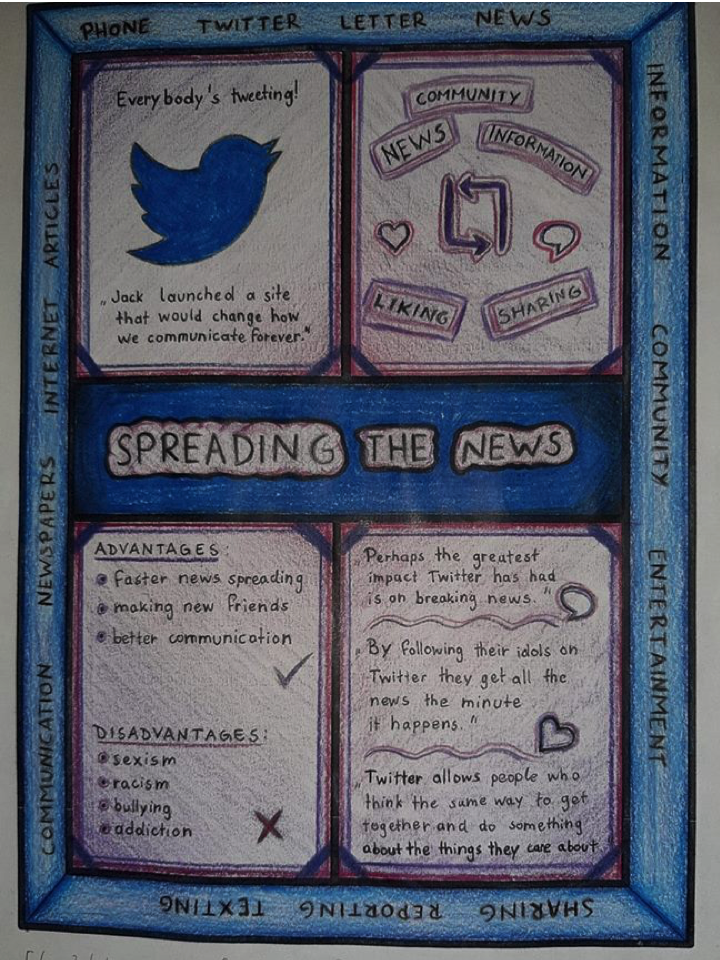
When seeking investment, partnerships, or new clients, a one-pager can serve as an effective company profile or a condensed pitch deck. It can succinctly communicate the company’s mission, vision, market opportunity, competitive advantage, and traction. This provides stakeholders with a clear and compelling snapshot of the business, enabling them to make an informed initial assessment. In the context of a pitch, it’s vital to be able to convey the essence of the business quickly and persuasively.
Internal Communication and Project Management
Beyond external-facing applications, the one-pager also excels in facilitating clear and efficient internal communication and project management.
Project Briefs and Proposals
For internal projects, a one-pager can serve as a concise project brief, outlining the project’s objectives, scope, key deliverables, timeline, and stakeholders. This ensures that everyone involved has a shared understanding of the project’s goals and their roles. Similarly, for internal proposals, it can succinctly outline a new initiative, its potential benefits, and the resources required, enabling quick decision-making.
Strategy Summaries and Performance Reports
When communicating strategic initiatives or reporting on performance, a one-pager can distill complex plans or data into easily understandable summaries. This allows leadership and team members to quickly grasp the key strategic priorities or the current state of affairs without getting lost in lengthy reports. It ensures alignment and provides a clear reference point for ongoing discussions and actions.
Crafting a High-Impact One-Pager
Creating a one-pager that is both informative and impactful requires a strategic approach that blends compelling content with thoughtful design. It’s not simply about fitting everything onto one page; it’s about curating the most crucial information and presenting it in a way that resonates with the target audience.
Defining Your Objective and Audience
Before putting pen to paper (or fingers to keyboard), it is critical to clearly define the primary objective of the one-pager. What do you want the reader to do or understand after consuming this information? Are you aiming to generate leads, secure funding, inform stakeholders, or drive a specific action?
Identifying Key Takeaways
Once the objective is clear, the next step is to identify the absolute most critical information that will help achieve that objective. This involves brainstorming all potential content and then ruthlessly prioritizing. Ask yourself: what are the non-negotiable pieces of information the reader must know? This might include the core problem being solved, the unique solution offered, the key benefits, and the credentials of the team or company.
Understanding Your Target Reader
The tone, language, and specific content included in a one-pager should be tailored to its intended audience. A one-pager aimed at potential investors will differ significantly from one designed for end-users of a product. Consider their level of existing knowledge, their motivations, and their pain points. This ensures that the message is not only clear but also relevant and persuasive to the specific group you are trying to reach.
Content Selection and Storytelling
The narrative arc of a one-pager, though brief, is crucial for engagement. It should tell a cohesive story that leads the reader towards the desired outcome.
The Problem-Solution-Benefit Framework
A classic and highly effective framework for a one-pager is the Problem-Solution-Benefit structure. Clearly articulate the problem you are addressing, present your solution, and then highlight the tangible benefits the reader will experience. This logical flow helps the reader quickly understand the value proposition and why it matters to them.
Data Visualization and Social Proof
Where applicable, incorporating data and social proof can significantly enhance credibility and impact. Visualizing key data points through charts or graphs makes them more accessible and memorable. Including testimonials, case study snippets, or logos of satisfied clients can build trust and demonstrate the effectiveness of your offering. This “proof” reassures the reader and strengthens their conviction.
Measuring the Success of Your One-Pager
The effectiveness of a one-pager isn’t solely determined by its initial presentation; its success should also be measured by its impact on achieving its intended objectives.
Tracking Engagement Metrics
Depending on how the one-pager is distributed, various metrics can be tracked. If it’s a digital asset on a website, metrics like page views, time spent on page, and bounce rate can offer insights. For downloadable PDFs, tracking download numbers provides a baseline. If it’s sent via email, open rates and click-through rates on any embedded CTAs are valuable.
Conversion Rates and Feedback
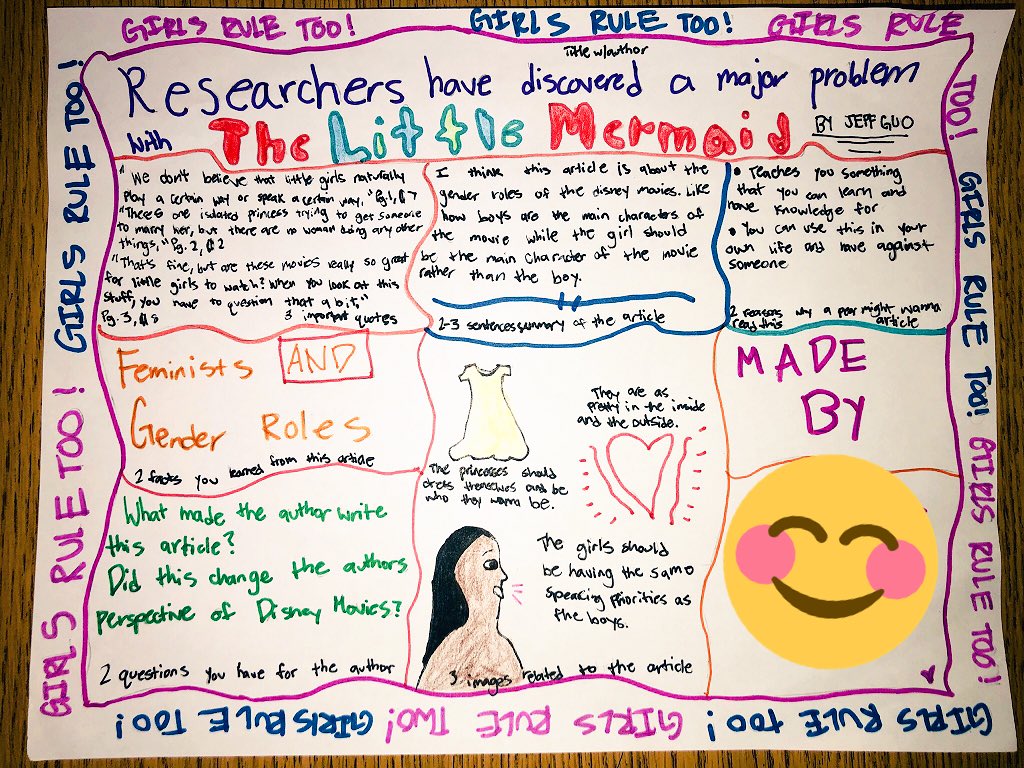
Ultimately, the most important measure of a one-pager’s success is its conversion rate. Is it leading to the desired actions, whether that’s a consultation request, a purchase, a sign-up, or a partnership agreement? Gathering direct feedback from stakeholders or potential customers can also provide invaluable qualitative data on what’s working and what could be improved. This iterative process of measurement and refinement ensures that the one-pager remains a powerful and effective tool in the brand’s arsenal.
In conclusion, a one-pager is a meticulously crafted communication tool that prioritizes conciseness, clarity, and compelling design. It’s a testament to the power of distillation, enabling brands to convey essential information effectively and drive desired actions in a world that values efficiency and impact. When executed strategically, a one-pager is not just a document; it’s a powerful catalyst for brand engagement and business success.
aViewFromTheCave is a participant in the Amazon Services LLC Associates Program, an affiliate advertising program designed to provide a means for sites to earn advertising fees by advertising and linking to Amazon.com. Amazon, the Amazon logo, AmazonSupply, and the AmazonSupply logo are trademarks of Amazon.com, Inc. or its affiliates. As an Amazon Associate we earn affiliate commissions from qualifying purchases.